Marine heat waves are extreme high temperature events in which sea surface temperatures are abnormally warm and last for days to months. Global warming is making such events more frequent and more intense, with impacts throughout the marine food web, from phytoplankton to top predators. As the basis of the marine food web, phytoplankton supports most of the ocean's primary productivity through photosynthesis, and its changes will affect fishery resources and ocean carbon sinks through cascade effects. The western and central equatorial Pacific has previously been considered to be slightly affected by marine heat waves. The average annual heat wave days in this area are only 22, and the average intensity is only 1.2°C, which is far lower than most sea areas in the world, so it is regarded as a "safe haven" for marine heat waves.
Life Sciences#Chinese Academy of Sciences#科研进展#CAS#genomics#biology
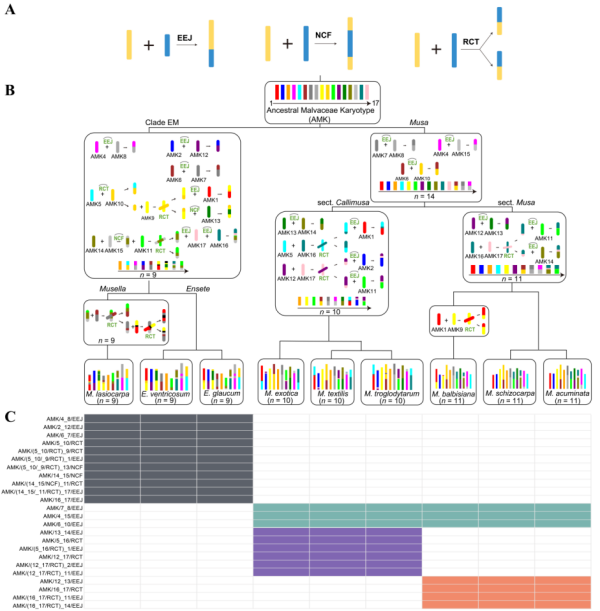
Modern main banana varieties are highly dependent on vegetative reproduction and have problems such as narrow genetic base and low genetic diversity. There are about 80 species in the Musa family. Different groups show diversity in chromosome base numbers (such as n =11, 10 and 9) and bud color and other traits. They are an ideal group for studying the evolution of plant chromosome structures and the differentiation of floral organ traits. However, there has been a long lack of direct evidence at the genomic and cytogenetic level regarding the evolutionary formation mechanism of these different chromosome base numbers and the intrinsic correlation between chromosome structural variation and flower bud color differentiation.
Life Sciences#Chinese Academy of Sciences#科研进展#CAS#genomics#biology
Soil organic carbon dynamics are a key indicator for assessing the success of ecosystem restoration. According to a new study by researchers from the Xishuangbanna Tropical Botanical Garden (XTBG) of the Chinese Academy of Sciences, soil microorganisms play a critical role in regulating carbon storage in tropical ecosystems undergoing recovery. The study, published in Catena on August 27, showed t
Life SciencesEnvironment & ClimateCarbon Neutrality#Chinese Academy of Sciences#Research News#Carbon Neutrality#genomics#biology#climate#decarbonization
Dr. Teun Munnik has been appointed Professor of Plant Cell Biology at the University of Amsterdam. Munnik is affiliated with the Swammerdam Institute for Life Sciences (SILS) at the Faculty of Science. The appointment came into effect on 1 January 2026. As professor, Munnik will further strengthen research and education in molecular cell biology within the Swammerdam Institute for Life Sciences.
Life SciencesEnvironment & Climate#University of Amsterdam#genomics#biology#climate#decarbonization
Research NewsUniversity of Minnesota Medical School
The human body is a marvel of remake and renewal. We regularly replace some of our estimated 37 trillion cells – about 300 billion or 1 percent of our cells each day - with healthy substitutes. We remove damaged or aging, senescent cells and cellular debris from our organs and tissues every second of the day. How important is it that cellular waste be properly removed?
Medical ResearchLife SciencesEnvironment & Climate#University of Minnesota Medical School#UMN Medical School#Immunology#medical research#clinical research#genomics#biology#climate
The pigments that give beets their red color may have helped a major group of flowering plants repeatedly adapt to dry environments, setting the stage for the evolution of traits that allowed plants to adapt to some of the harshest environments on Earth, according to a University of Michigan study.
Life Sciences#University of Michigan#Environment#News Releases#biology#Ecology#Michigan News#genomics
An international team co-led by the University of Cambridge has mapped every neuron in the male Drosophila fly’s brain and nerve cord, to produce a wiring map of the 166,700 neurons and the millions of connections between them.
Life Sciences#University of Cambridge#Jacqueline Garget#Neuroscience#animal behaviour#genomics#biology
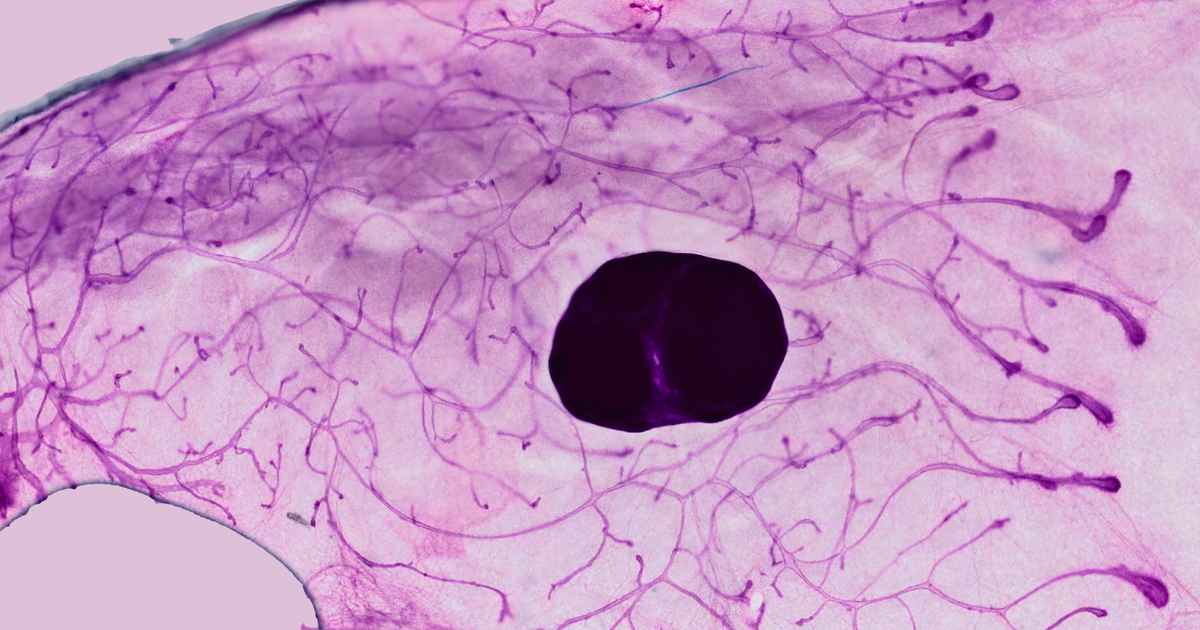
Researchers at the Swammerdam Institute for Life Sciences (SILS) of the Faculty of Science have uncovered how mammary-gland cells decide when to activate Wnt4, a gene with a central role in mammary-gland development. Their findings reveal how distant stretches of non-coding DNA work together in three dimensions to control gene activity.
Medical ResearchLife Sciences#University of Amsterdam#medical research#clinical research#genomics#biology
A mule has helped researchers build the most complete reference genomes to date for horses and donkeys, giving scientists access to complex regions of DNA that earlier versions could not fully capture.
Medical ResearchLife Sciences#University of Kentucky#medical research#clinical research#genomics#biology
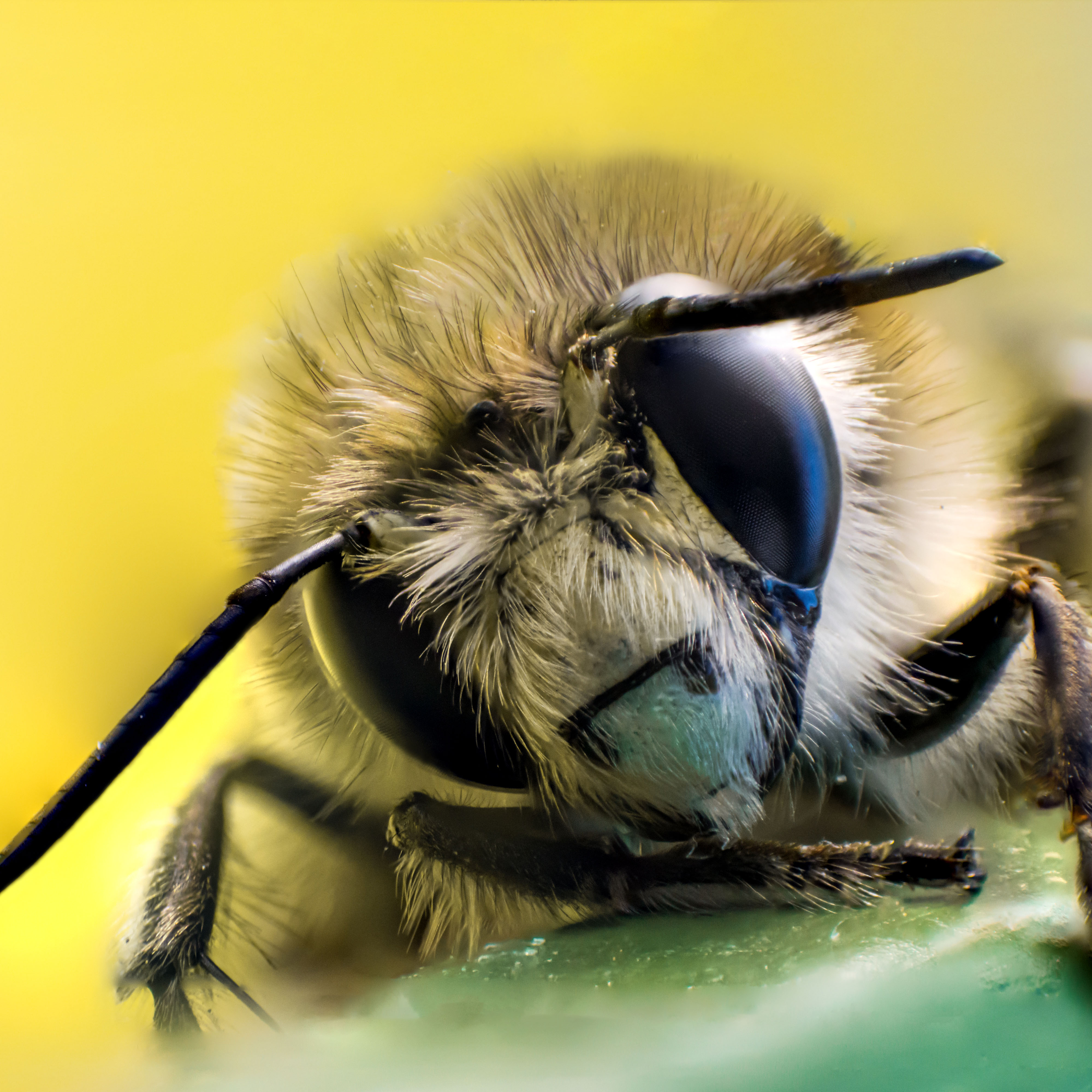
Honey bees have long been the model species for studying insect vision. However, new research shows that several smaller bee species might actually have sharper eyesight.
Researchers at UC San Diego have demonstrated that one of biology’s most essential enzymes can accurately read and transcribe an expanded genetic alphabet containing eight DNA letters instead of the four used by all known life.
ResearchMedical ResearchLife Sciences#University of California San Diego#UC San Diego#UCSD Today#medical research#clinical research#genomics#biology
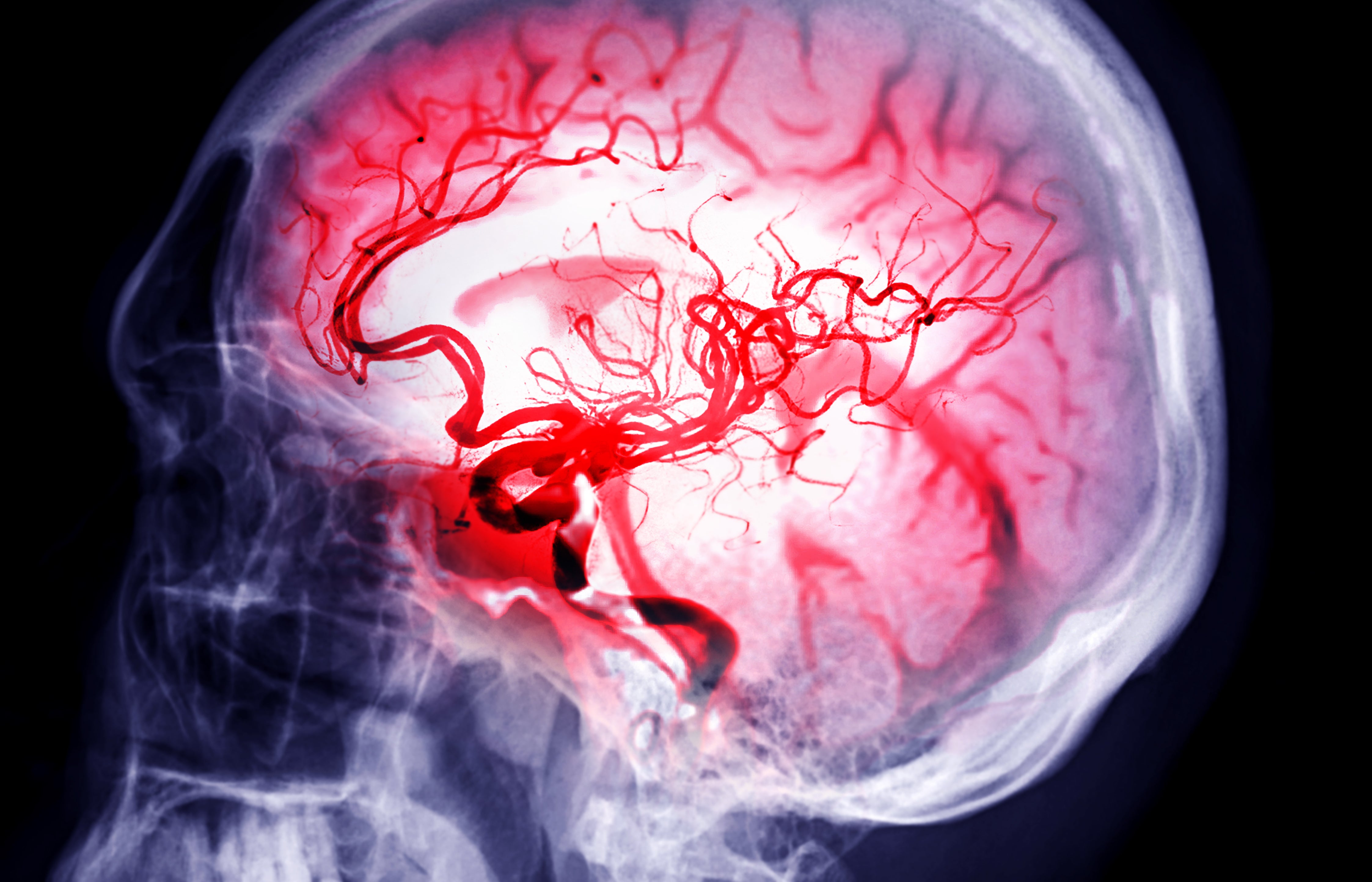
As it tries to defend itself from stroke, the brain can paradoxically trigger the formation of tiny new clots in minor blood vessels, damaging tissue even after the original culprit has been removed, new research shows. The findings help explain why nearly half of treated stroke patients don’t recover — and identify potential new treatments.
Medical ResearchLife Sciences#University of Colorado Boulder#CU Boulder#CU Boulder Today#medical research#clinical research#genomics#biology
Six companies founded by University of California San Diego students, faculty and alumni have been selected for the inaugural cohort of a new joint summer incubator from the UC San Diego Office of Innovation and Commercialization (OIC) and Bow Capital.
ResearchParticle PhysicsLife Sciences#University of California San Diego#UC San Diego#UCSD Today#Particle Physics#High Energy Physics#genomics#biology
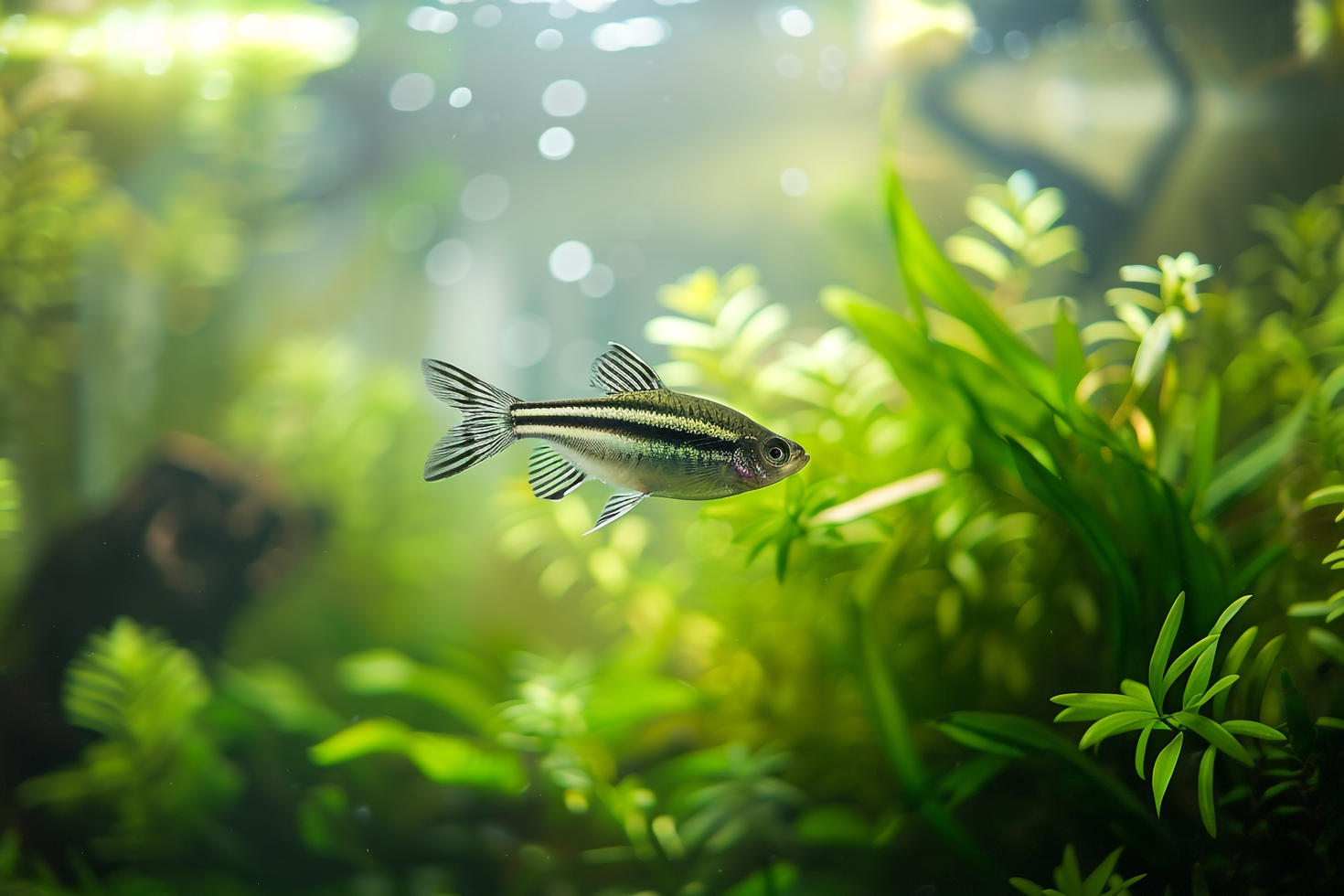
If you’ve ever watched a baby try to grab a toy, you know how awkward those first movements can be. Scientists at the University of Ottawa have taken a big step in identifying the neural changes behind motor control by observing zebrafish go from clumsy swimmers to graceful gliders.
ResearchLife Sciences#University of Ottawa#research#genomics#biology