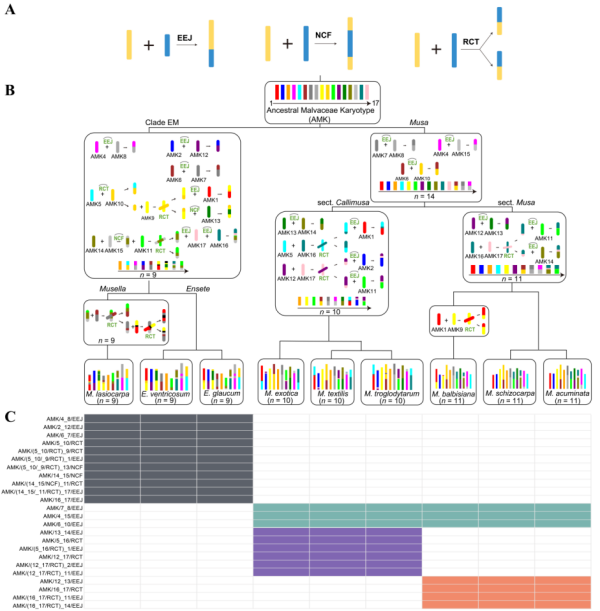
现代主栽香蕉品种高度依赖营养繁殖,存在遗传基础狭窄、遗传多样性低等问题。芭蕉科现存约80个物种,不同类群在染色体基数(如 n =11、10和9)以及花苞颜色等性状上呈现多样性,是研究植物染色体结构演化和花器官性状分化的理想类群。然而,这些不同染色体基数的演化形成机制、染色体结构变异与花苞颜色分化的内在关联,长期以来缺乏基因组与细胞遗传学层面的直接证据。
Life Sciences#Chinese Academy of Sciences#科研进展#CAS#genomics#biology
Soil organic carbon dynamics are a key indicator for assessing the success of ecosystem restoration. According to a new study by researchers from the Xishuangbanna Tropical Botanical Garden (XTBG) of the Chinese Academy of Sciences, soil microorganisms play a critical role in regulating carbon storage in tropical ecosystems undergoing recovery. The study, published in Catena on August 27, showed t
Life SciencesEnvironment & ClimateCarbon Neutrality#Chinese Academy of Sciences#Research News#Carbon Neutrality#genomics#biology#climate#decarbonization
Dr. Teun Munnik has been appointed Professor of Plant Cell Biology at the University of Amsterdam. Munnik is affiliated with the Swammerdam Institute for Life Sciences (SILS) at the Faculty of Science. The appointment came into effect on 1 January 2026. As professor, Munnik will further strengthen research and education in molecular cell biology within the Swammerdam Institute for Life Sciences.
Life SciencesEnvironment & Climate#University of Amsterdam#genomics#biology#climate#decarbonization
Research NewsUniversity of Minnesota Medical School
The human body is a marvel of remake and renewal. We regularly replace some of our estimated 37 trillion cells – about 300 billion or 1 percent of our cells each day - with healthy substitutes. We remove damaged or aging, senescent cells and cellular debris from our organs and tissues every second of the day. How important is it that cellular waste be properly removed?
Medical ResearchLife SciencesEnvironment & Climate#University of Minnesota Medical School#UMN Medical School#Immunology#medical research#clinical research#genomics#biology#climate
The pigments that give beets their red color may have helped a major group of flowering plants repeatedly adapt to dry environments, setting the stage for the evolution of traits that allowed plants to adapt to some of the harshest environments on Earth, according to a University of Michigan study.
Life Sciences#University of Michigan#Environment#News Releases#biology#Ecology#Michigan News#genomics
An international team co-led by the University of Cambridge has mapped every neuron in the male Drosophila fly’s brain and nerve cord, to produce a wiring map of the 166,700 neurons and the millions of connections between them.
Life Sciences#University of Cambridge#Jacqueline Garget#Neuroscience#animal behaviour#genomics#biology
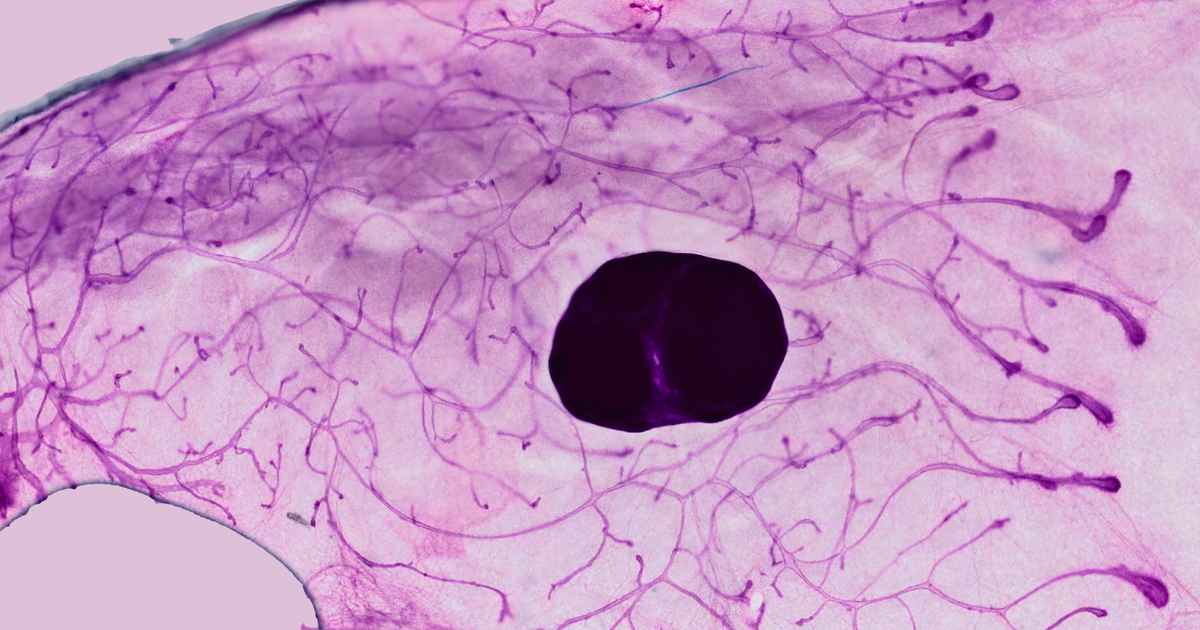
Researchers at the Swammerdam Institute for Life Sciences (SILS) of the Faculty of Science have uncovered how mammary-gland cells decide when to activate Wnt4, a gene with a central role in mammary-gland development. Their findings reveal how distant stretches of non-coding DNA work together in three dimensions to control gene activity.
Medical ResearchLife Sciences#University of Amsterdam#medical research#clinical research#genomics#biology
A mule has helped researchers build the most complete reference genomes to date for horses and donkeys, giving scientists access to complex regions of DNA that earlier versions could not fully capture.
Medical ResearchLife Sciences#University of Kentucky#medical research#clinical research#genomics#biology
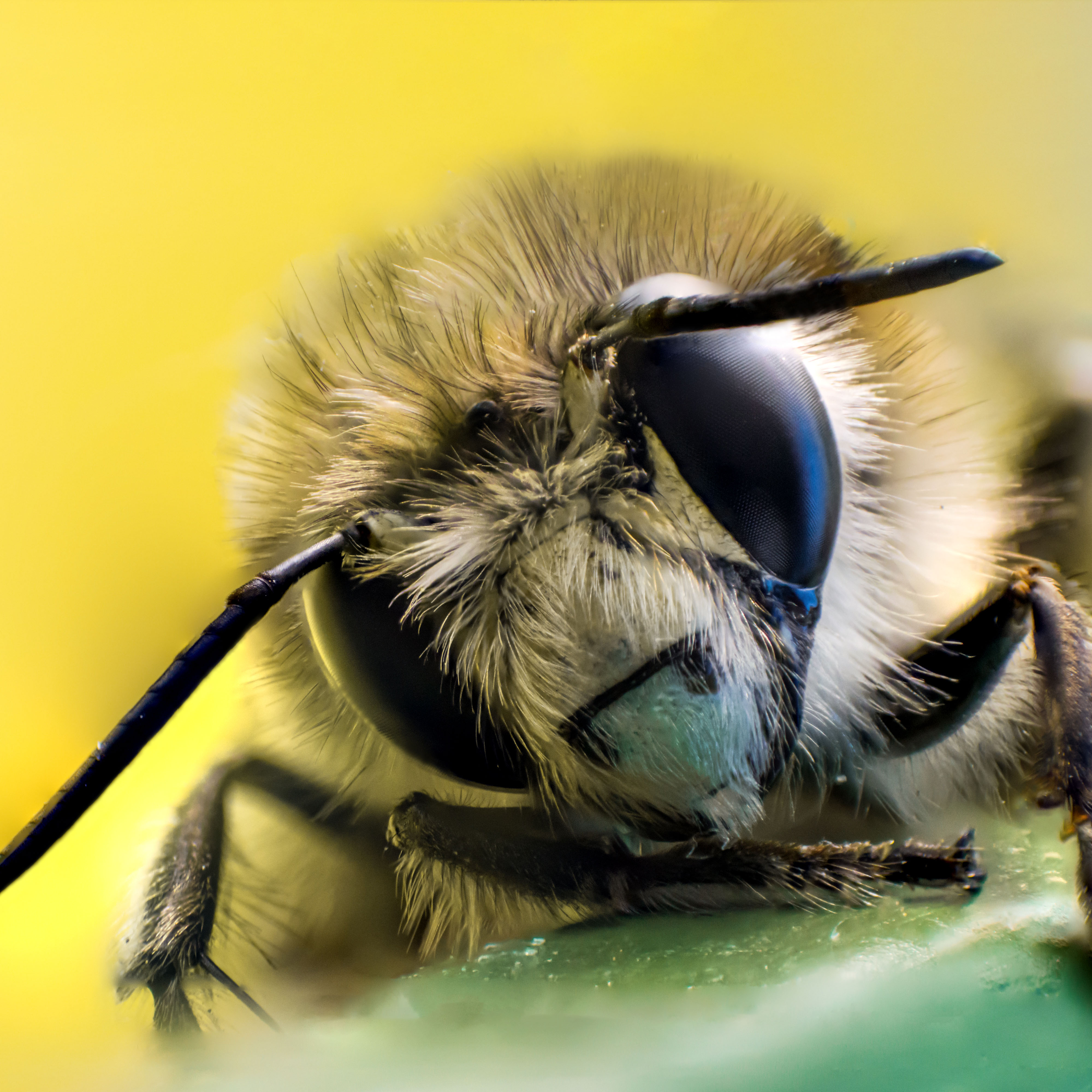
Honey bees have long been the model species for studying insect vision. However, new research shows that several smaller bee species might actually have sharper eyesight.
Researchers at UC San Diego have demonstrated that one of biology’s most essential enzymes can accurately read and transcribe an expanded genetic alphabet containing eight DNA letters instead of the four used by all known life.
ResearchMedical ResearchLife Sciences#University of California San Diego#UC San Diego#UCSD Today#medical research#clinical research#genomics#biology
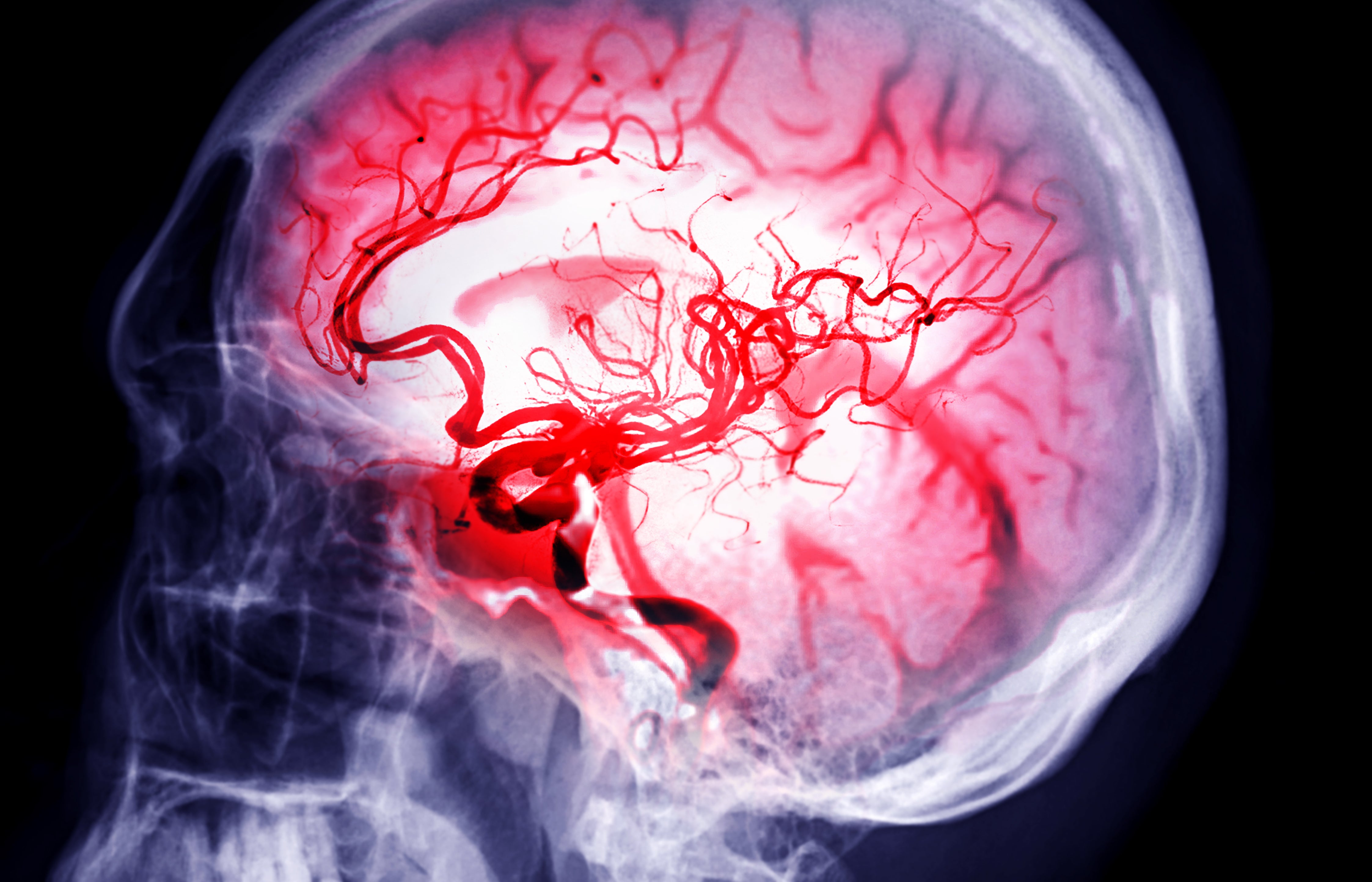
As it tries to defend itself from stroke, the brain can paradoxically trigger the formation of tiny new clots in minor blood vessels, damaging tissue even after the original culprit has been removed, new research shows. The findings help explain why nearly half of treated stroke patients don’t recover — and identify potential new treatments.
Medical ResearchLife Sciences#University of Colorado Boulder#CU Boulder#CU Boulder Today#medical research#clinical research#genomics#biology
Six companies founded by University of California San Diego students, faculty and alumni have been selected for the inaugural cohort of a new joint summer incubator from the UC San Diego Office of Innovation and Commercialization (OIC) and Bow Capital.
ResearchParticle PhysicsLife Sciences#University of California San Diego#UC San Diego#UCSD Today#Particle Physics#High Energy Physics#genomics#biology
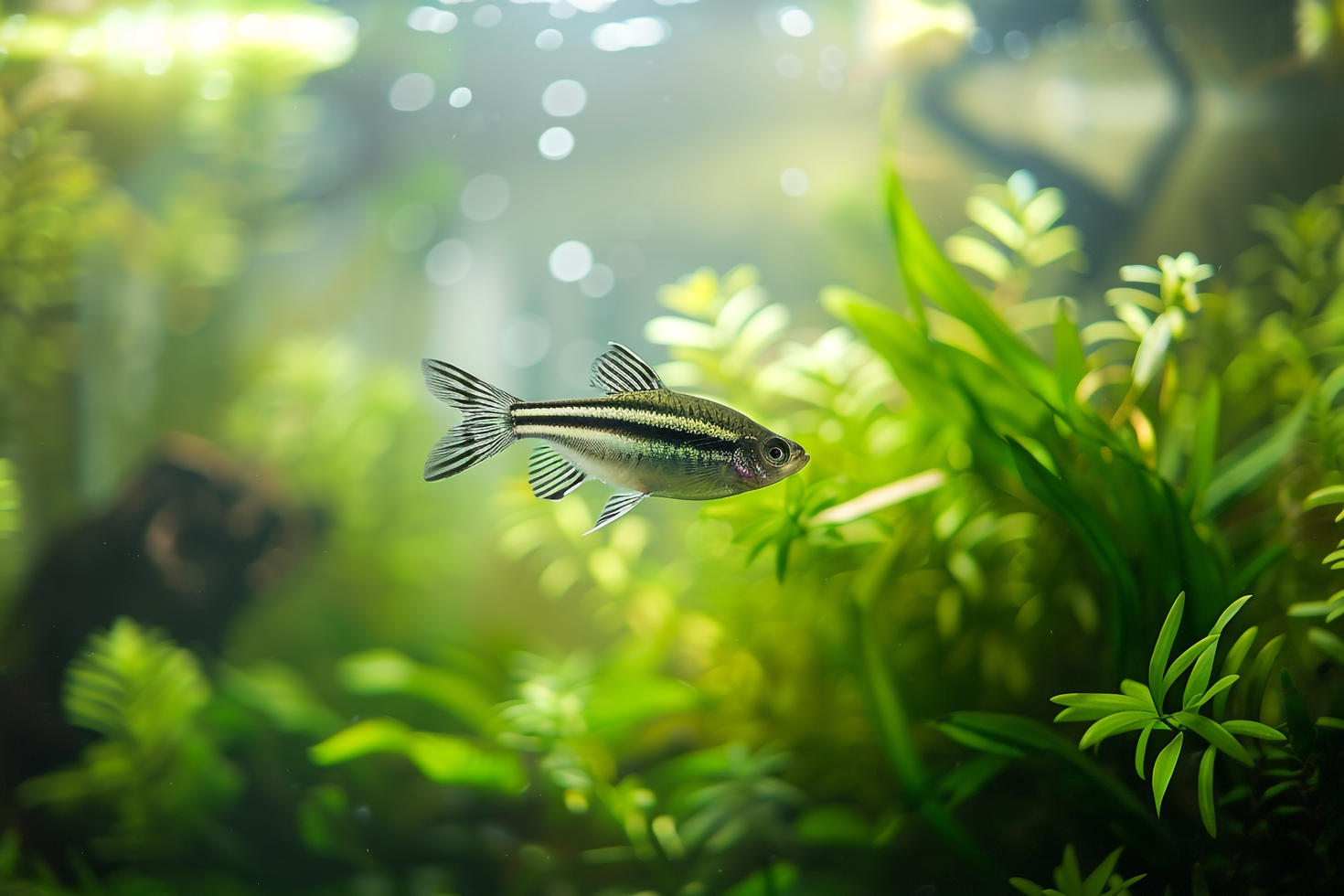
If you’ve ever watched a baby try to grab a toy, you know how awkward those first movements can be. Scientists at the University of Ottawa have taken a big step in identifying the neural changes behind motor control by observing zebrafish go from clumsy swimmers to graceful gliders.
ResearchLife Sciences#University of Ottawa#research#genomics#biology