Key points of this research result
- We have discovered CD80 (*3), a molecule that plays an important role in the immune system, which is highly expressed in B-cell diseases (*2) associated with the EBV (EBV) (*1), as a clue to a new treatment.
- We revealed that anti-CD80 antibody (*4) eliminates EBV-infected tumor cells through antibody-dependent cytotoxicity (ADCC) (*6) mediated by NK cells (*5).
- This antibody does not easily inhibit the immune system necessary for the body, and has the potential to become a new treatment for EBV-positive lymphoma (*7) and intractable diseases caused by EBV-infected cells (some CAEBV and EBV-HLH).
overview
A research group in the Department of Immunology at the Hiroshima University Graduate School of Medical Sciences has discovered CD80, a molecule that could serve as a new therapeutic target for Epstein-Barr virus (EBV)-related B-cell diseases.
Although EBV infection is often asymptomatic, it is associated with the development of cancers such as lymphoma, and can develop into serious diseases such as chronic active EBV disease (CAEBV), where the virus continues to multiply in the body for a long time and causes various symptoms, and EBV-related hemophagocytic lymphohistiocytosis (EBV-HLH), where the immune system becomes overactive due to viral infection. These diseases are difficult to treat, and the development of new treatment strategies is required.
In this study, we analyzed cell surface molecules specifically expressed in EBV-positive lymphoma cells and found that CD80 is a promising therapeutic target. Furthermore, as a result of evaluating the function of an antibody targeting CD80, it was revealed that tumor cells can be efficiently eliminated through antibody-dependent cellular cytotoxicity (ADCC). On the other hand, complement-dependent cytotoxicity (CDC) was not induced, and it was found that the attack method changes depending on the partner to which it binds.
Furthermore, T cell responses against EBV-infected cells are generally maintained even in the presence of anti-CD80 antibodies, and it is expected that this method can be applied to therapy while preserving immune function.
This research was published in the international academic journal “Synopsis” published by Springer Nature on May 26, 2026, London time.Scientific Reports” was published.
Published paper
Paper title: CD80 (B7-1) as a potential therapeutic target in Epstein–Barr virus‑associated B cell diseases
Author: Rin Kiri1,2, Mariko Miura1, Yumi Tamura1, Yohei Kono1, Yuya Sotama1, Nanami Soda1, Yusei Ota1, Kotomi Yamashita1, Fukushima Daisei1, Masataka Ishimura2, Shoichi Ohga2, Yasuda Tomoha style1,‡
1 Department of Immunology, Graduate School of Medical Sciences, Hiroshima University, 2 Department of Perinatal and Pediatric Medicine, Graduate School of Medicine, Kyushu University, ‡Corresponding author
Magazines published:Scientific Reports(Q1)
DOI number: https://doi.org/10.1038/s41598-026-55043-5
background
Epstein-Barr virus (EBV) is a virus that widely infects humans, and after infection, it hides in B cells and remains in the body for life. Normally, it is controlled by the immune system, but when immune abnormalities occur, it can lead to various diseases such as B-cell lymphoma, various cancers, and lymphoproliferative disorders.
In particular, diseases such as chronic active EB virus disease (CAEBV), in which the virus continues to actively multiply in the body for a long time, and EBV-related hemophagocytic lymphohistiocytosis (EBV-HLH), a serious disease in which the immune system becomes overactive due to viral infection, are accompanied by strong inflammation and immune abnormalities, and can lead to life-threatening conditions. In these diseases, it is difficult to control EBV-infected cells, and there are currently limited effective treatments other than hematopoietic stem cell transplantation.
Rituximab, an antibody drug that targets a molecule called CD20 on the surface of cancer cells, is used to treat B-cell lymphoma. However, there are some cases in which treatment with rituximab does not show sufficient efficacy, and the strong activation of the complement system induces an excessive systemic inflammatory response, making the search for new therapeutic targets an important issue.
Contents of research results
In this study, we first comprehensively analyzed the membrane proteins specifically expressed in EBV-positive B-cell lymphomas and found that CD80 was expressed at significantly higher levels than in normal B-cells and EBV-negative lymphomas. Furthermore, high expression of CD80 was also confirmed in lymphoblastoid cell lines (LCL) established by EBV infection, indicating that its expression is mainly localized to lymphoid tissues and antigen-presenting cells. These results suggested that CD80 may be a highly selective and promising therapeutic target (Figure 1).
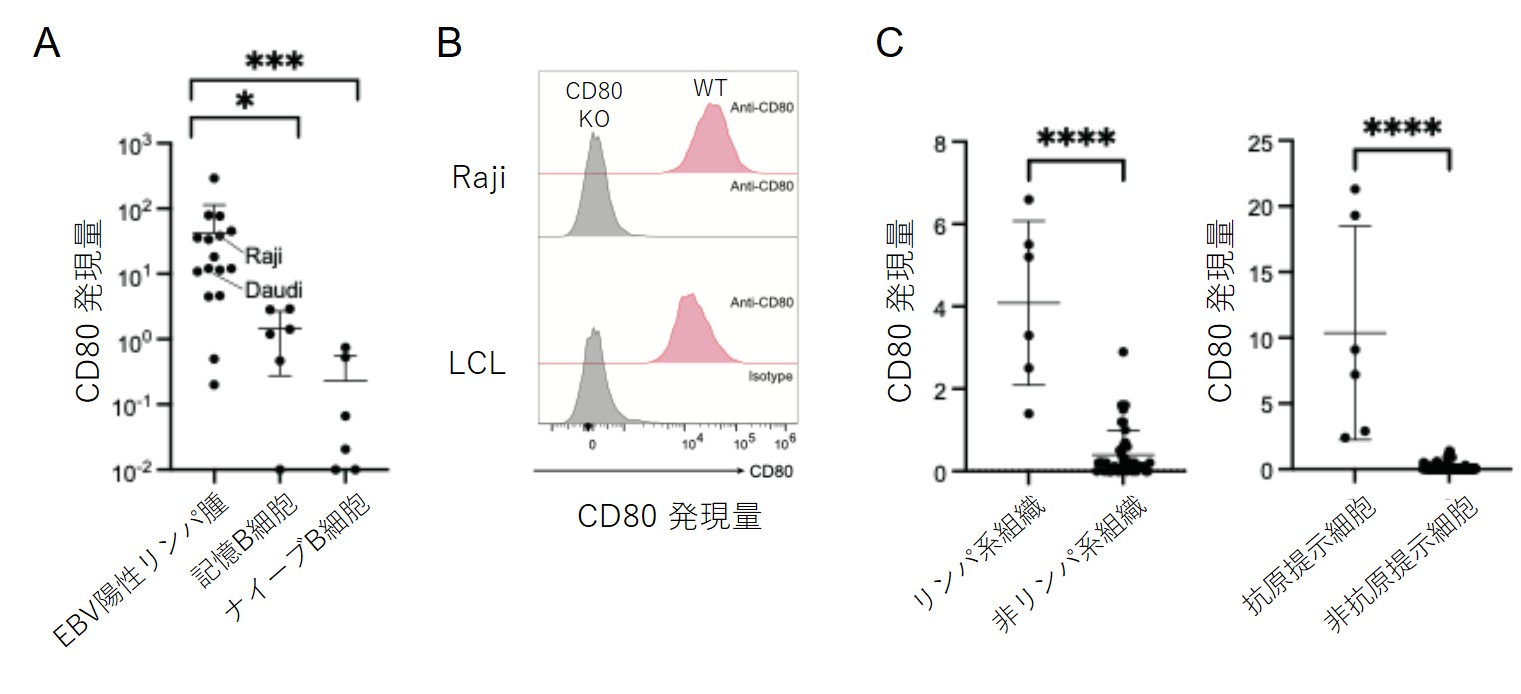
Figure 1. High CD80 expression on EBV-positive lymphoma cells and EBV-infected cells
(A) CD80 transcriptional expression levels in 16 EBV-positive cell line datasets and 12 normal B cell datasets.
(B) CD80 expression on the cell surface in an EBV-positive B lymphoma cell line (Raji cells) and a lymphoblastoid cell line (LCL) established from PBMCs from healthy individuals. It was confirmed that the signal disappeared in CD80-deficient (KO) cells.
(C) CD80 expression levels in normal tissues. Specific CD80 expression was observed in lymphoid tissues such as tonsils, lymph nodes, appendix, spleen, thymus, and bone marrow, as well as antigen-presenting cells such as Langerhans cells, monocytes, B cells, and macrophages.
Next, we created monoclonal antibodies against CD80 and confirmed that these antibodies specifically bind to CD80 molecules and CD80-expressing lymphoma cells (Figure 2).
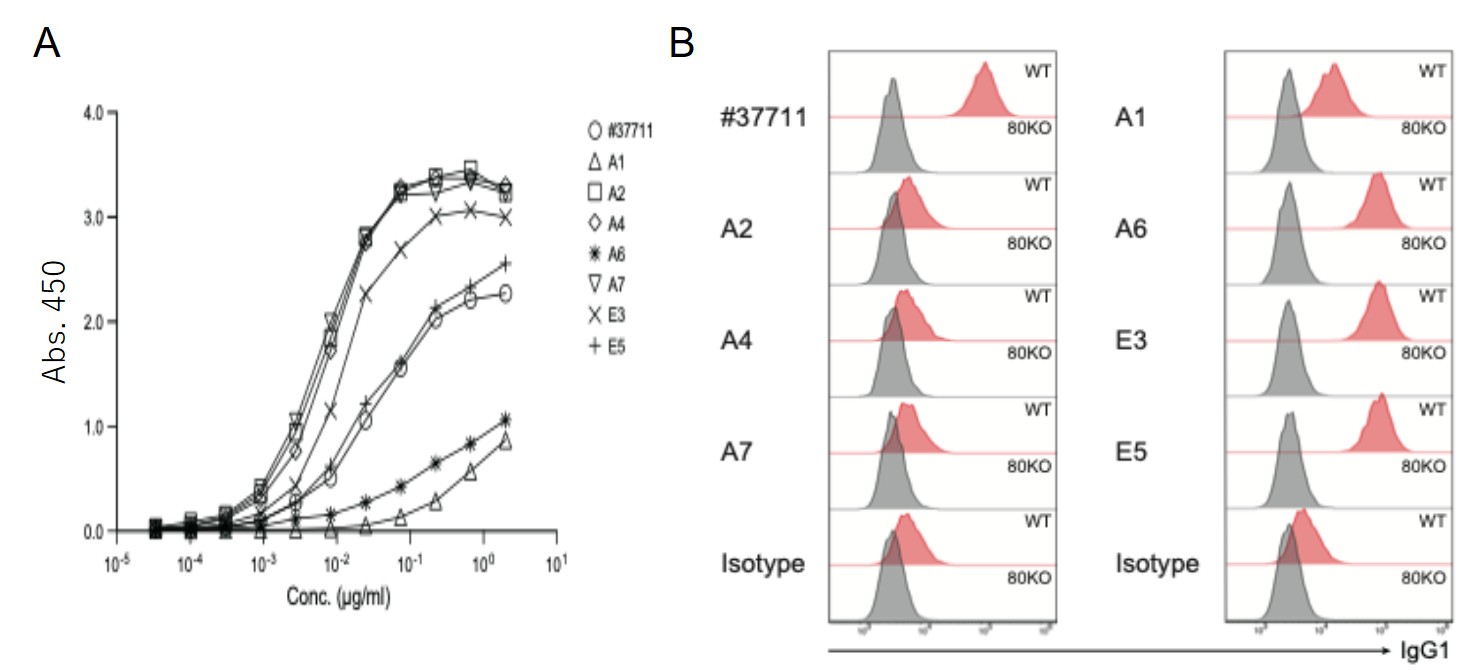
Figure 2. Establishment of anti-CD80 monoclonal antibody capable of binding to CD80 molecules on the surface of EBV-positive lymphoma cells
(A) Antigen binding ability of the newly established CD80-specific monoclonal antibody. The binding activity to CD80 was measured by ELISA using a plate coated with CD80-His recombinant protein. #37711: Existing anti-CD80 antibody.
(B) Evaluation of the ability of CD80-specific antibodies to bind to the EBV-positive lymphoma Raji cell surface. WT indicates wild-type Raji cells, and 80KO indicates CD80 gene knockout Raji cells.
Furthermore, it was confirmed that these CD80-specific antibodies strongly induce NK cell-mediated antibody-dependent cell cytotoxicity (ADCC) against EBV-positive lymphoma Raji cells and EBV-infected autologous LCL (Figure 3). Furthermore, ADCC activity by antibodies that recognize CD80 was consistently confirmed in analyzes using PBMCs derived from multiple donors.
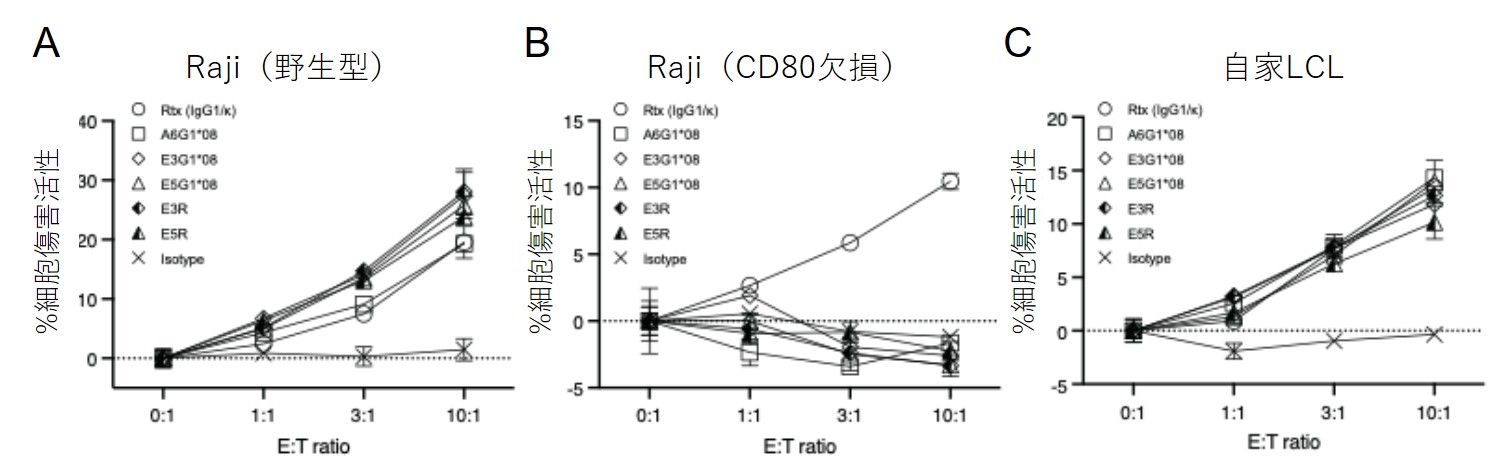
Figure 3. Antibody-dependent cytotoxicity (ADCC) activity against Raji cells and autologous LCL
(A-C) NK cell-dependent cytotoxic activity (ADCC) against EBV-positive lymphoma Raji cells was evaluated by the ratio of effector cells to target cells (E:T ratio). IGHG1*08-type chimeric antibodies (A6G1*08, E3G1*08, E5G1*08), rituximab-type chimeric antibodies (E3R, E5R), and IgG3 DLE-type chimeric antibodies (A6G3DLE, E3G3DLE, E5G3DLE). Wild-type Raji cells (A), CD80-deficient Raji cells (B), and autologous LCL cells (C) were used for the test. Isotype: human IgG1 (A, B), human IgG3 (C).
On the other hand, complement-dependent cytotoxicity (CDC) was hardly induced. Furthermore, experiments using an antibody in which the antigen recognition site of rituximab was replaced from CD20 to CD80 revealed that even if the antibody originally had CDC activity, the CDC activity disappeared when CD80 was targeted (Figure 4). These results suggest that the effector functions of antibodies may depend not only on the Fc region but also on the structure and properties of the target antigen.
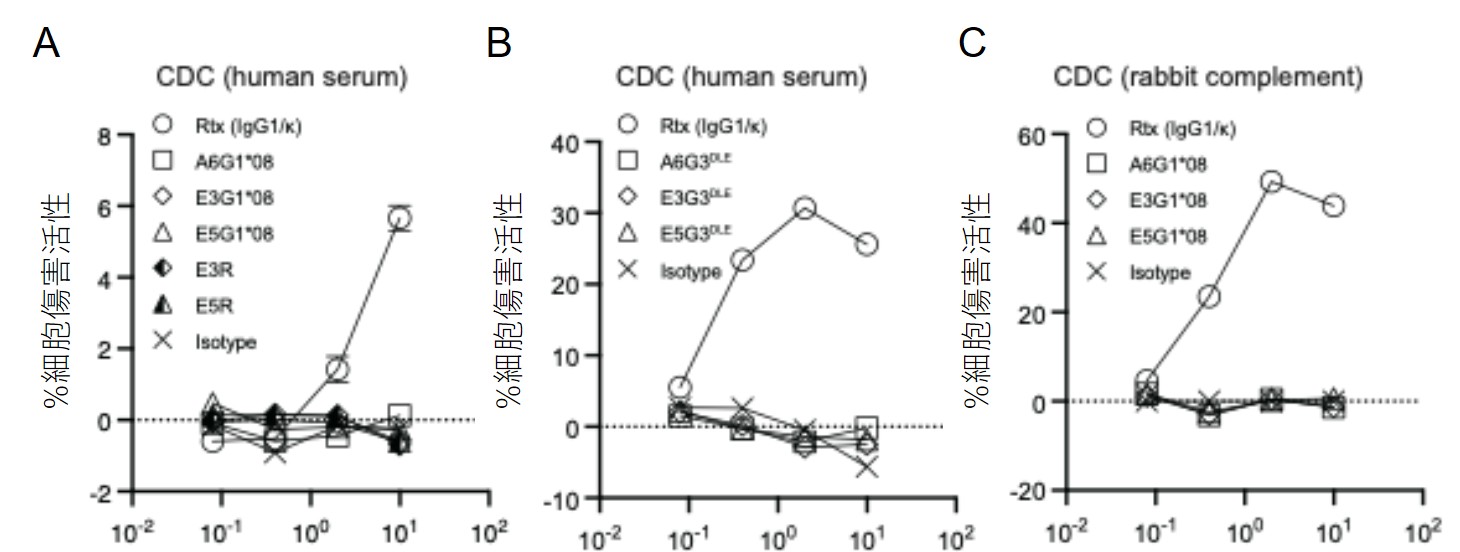
Figure 4. Complement-dependent cytotoxicity (CDC) activity against Raji cells
(A-B) CDC test on Raji cells using human serum.
(A) IGHG1*08-type chimeric antibodies (A6G1*08, E3G1*08, E5G1*08) and rituximab-type chimeric antibodies (E3R, E5R) were used at various concentrations. Rtx: rituximab; Isotype: human IgG1.
(B) IgG3 DLE type chimeric antibodies (A6G3DLE, E3G3DLE, E5G3DLE) were used at various concentrations. Isotype: human IgG3.
(C) CDC test on Raji cells using rabbit complement. IGHG1*08 type chimeric antibodies (A6G1*08, E3G1*08, E5G1*08) were used at various concentrations. Isotype: Human IgG1.
CD80 is an important costimulatory molecule that promotes T cell activation and proliferation by interacting with CD28 on T cells and PD-L1 on antigen presenting cells. Therefore, it was thought that antibodies targeting CD80, while eliminating tumor cells, might also inhibit the function of T cells, which play a role in tumor immunity. Therefore, we investigated whether anti-CD80 antibodies inhibit T cell responses to EBV-infected cells, and found that although the proliferation of CD8-positive T cells decreased slightly in the presence of anti-CD80 antibodies, the T cell proliferative response to EBV-infected cells was maintained (Figure 5). These results suggested that anti-CD80 antibodies could effectively eliminate tumor cells while maintaining anti-tumor immunity.
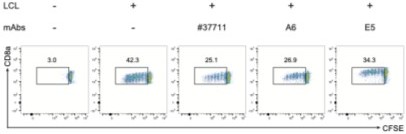
Figure 5. Anti-CD80 antibodies do not inhibit CD8-positive T cells that respond proliferatively to EBV-infected cells
CFSE-labeled CD8-positive T cells were co-cultured with EBV-infected autologous lymphoblastoid cell line (LCL) for 120 hours, and their proliferation behavior in the presence or absence of anti-CD80 antibody was evaluated. The percentage of CD8-positive T cells that divided and proliferated is shown in numbers.
This study is important in that it shows that the cytotoxicity mechanism caused by antibodies may strongly depend not only on the antibody constant region but also on the characteristics of the target antigen expressed on the cell surface. When targeting CD80, it is thought that interaction with complement components is restricted, making it difficult to induce CDC, but ADCC is maintained. Furthermore, since CD80 is mainly expressed in hematopoietic cells, its effects on normal organs are thought to be limited.
On the other hand, this study has some limitations. Detailed analyzes of antibody glycosylation and epitopes have not been performed, and patient-derived tumors andin vivoVerification of the model has not yet been performed. Furthermore, application to antibody-drug conjugates remains an important future challenge. By considering these points in the future, it is expected that research toward the clinical application of antibody therapy targeting CD80 will further progress.
Future developments
This study showed that antibody therapy targeting CD80 could be a new therapeutic strategy for EBV-related diseases. In particular, it has the potential to be applied as a new treatment for intractable diseases for which current treatment options are limited, such as lymphomas that express CD80 and for which existing treatments are not effective, CAEBV, and EBV-HLH.
From now on,
・Verification using patient-derived cells
・Efficacy and safety evaluation in animal models
・Development into antibody-drug conjugates (ADC), etc.
By proceeding with this, it is expected that research will advance toward clinical application.
Research funding and acknowledgments
This research was supported by the Japan Society for the Promotion of Science Grants-in-Aid for Scientific Research, the Sumitomo Mitsui Trust Bank ``New Coronavirus Vaccine and Therapeutic Drug Development Donation Account,'' READYFOR Crowdfunding, the Japan Agency for Medical Research and Development (AMED) New Coronavirus Infectious Disease Research and Development Project, and the Japan Society for the Promotion of Science ``Regional Core and Distinctive Research Universities Strengthening Project (J -PEAKS)'', the Japan Science and Technology Agency (JST) Co-Creation Platform Support Program (COI-NEXT), the JST Startup Ecosystem Co-Creation Program, the National Center for Geriatrics and Gerontology Research and Development Fund, and the Radiation Disaster and Medical Science Research Center Joint Usage and Research Project. Part of this research was conducted using shared equipment at the Hiroshima University Natural Science Research Support and Development Center and the Atomic Bomb Radiation Medical Research Institute. This research also received support from Hiroshima University for article publication fees.
Word explanation
*1 Epstein-Barr virus (EBV):
A type of herpesvirus that widely infects humans, it infects B cells latently and is involved in diseases such as lymphoma.
*2 B cell disease:
It is a disease that develops when abnormalities occur in B cells, which are involved in the immune system, and includes lymphoma.
*3 CD80:
A molecule expressed on the surface of immune cells that interacts with CD28 and CTLA-4 on T cells and PD-L1 on antigen-presenting cells, and is an important immunoregulatory molecule involved in T cell activation and suppression.
*4 Anti-CD80 antibody:
It is an artificially produced antibody that binds to a molecule called CD80 and is used to target and attack diseased cells.
*5 NK cells:
A major lymphocyte of innate immunity that immediately attacks abnormal cells.
*6 ADCC (antibody-dependent cell cytotoxicity):
A mechanism by which immune cells such as NK cells recognize and destroy target cells when antibodies bind to target cells.
*7 EBV-positive lymphoma:
A type of lymphoma (blood cancer) that is caused by cells infected with the EB virus.
- Press release material (1.1 MB)
- Publication journal (Scientific Reports)
- Hiroshima University Researcher Guidebook (Professor Tonami Yasuda)
Professor of Immunology, Graduate School of Medical Sciences, Honami Yasuda
Tel: 082-257-5175 Fax: 082-257-5179
E-mail: yasudat*hiroshima-u.ac.jp
(Please replace * with half-width @)