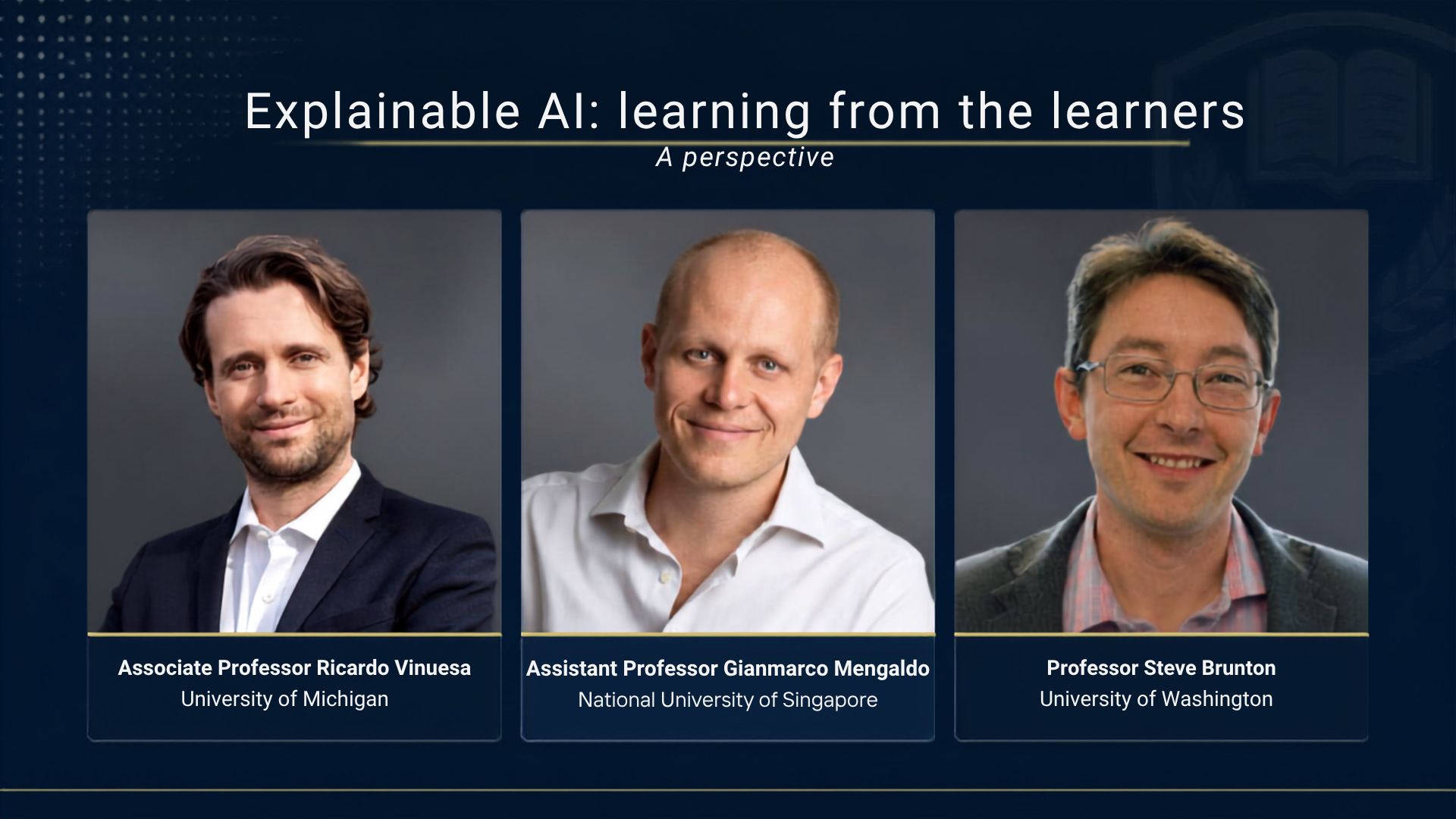
Artificial intelligence (AI) may have more to offer science than accurate predictions. The patterns it learns could point researchers towards new, testable explanations of how complex systems function. A new Perspective co-authored by Assistant Professor Gianmarco Mengaldo from the Department of Mechanical Engineering under the College of Design and Engineering at the National University of Singap
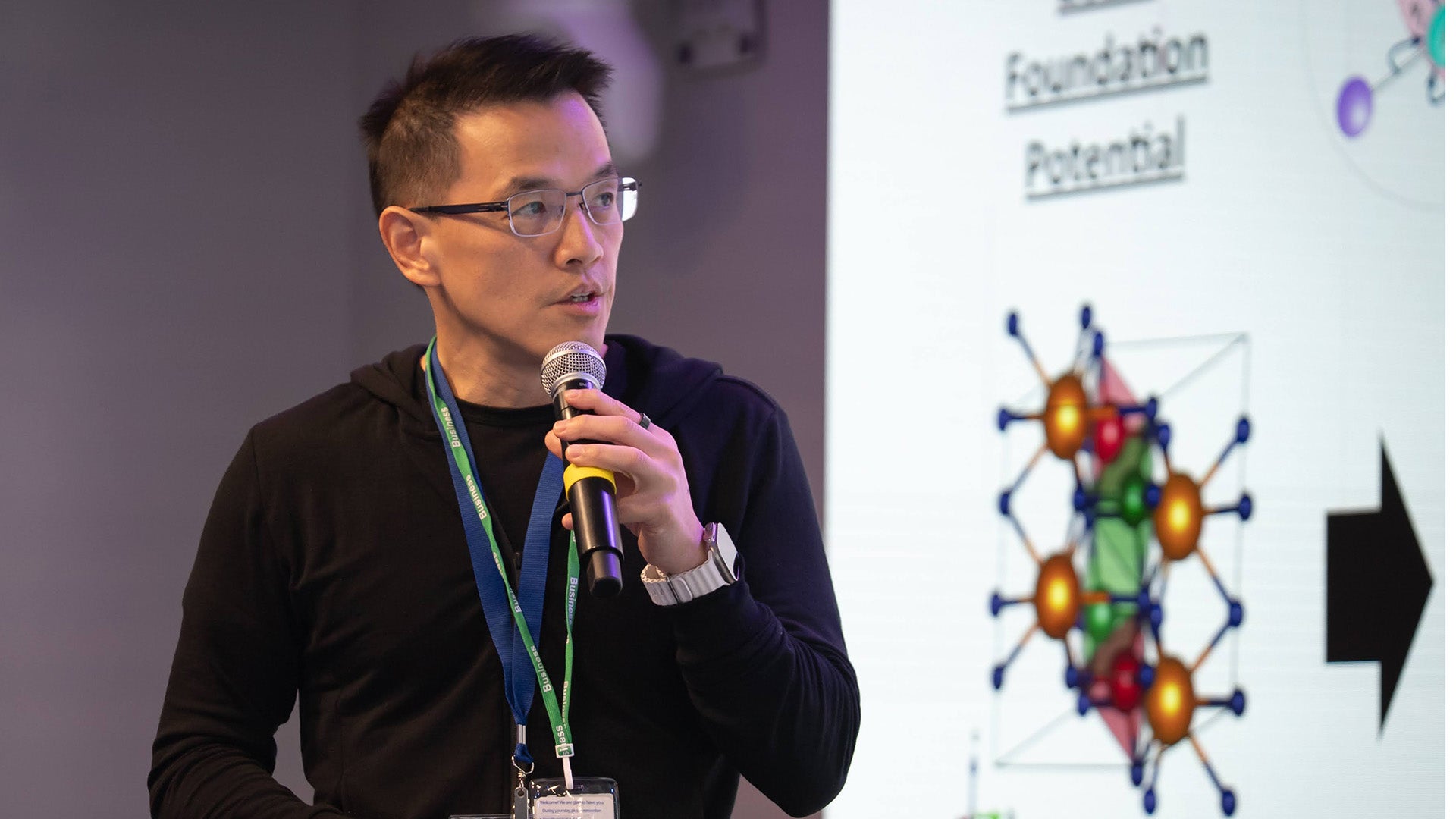
Prof Ong hopes the AI Foundry can compress discovery cycles for new materials from months or years to weeks. Professor Shyue Ping Ong wants AI to do more than predict whether a material might work. His vision is a discovery system that can propose new materials for a specific purpose, identify the most useful experiments to run, learn from every result and help scientists understand why a material
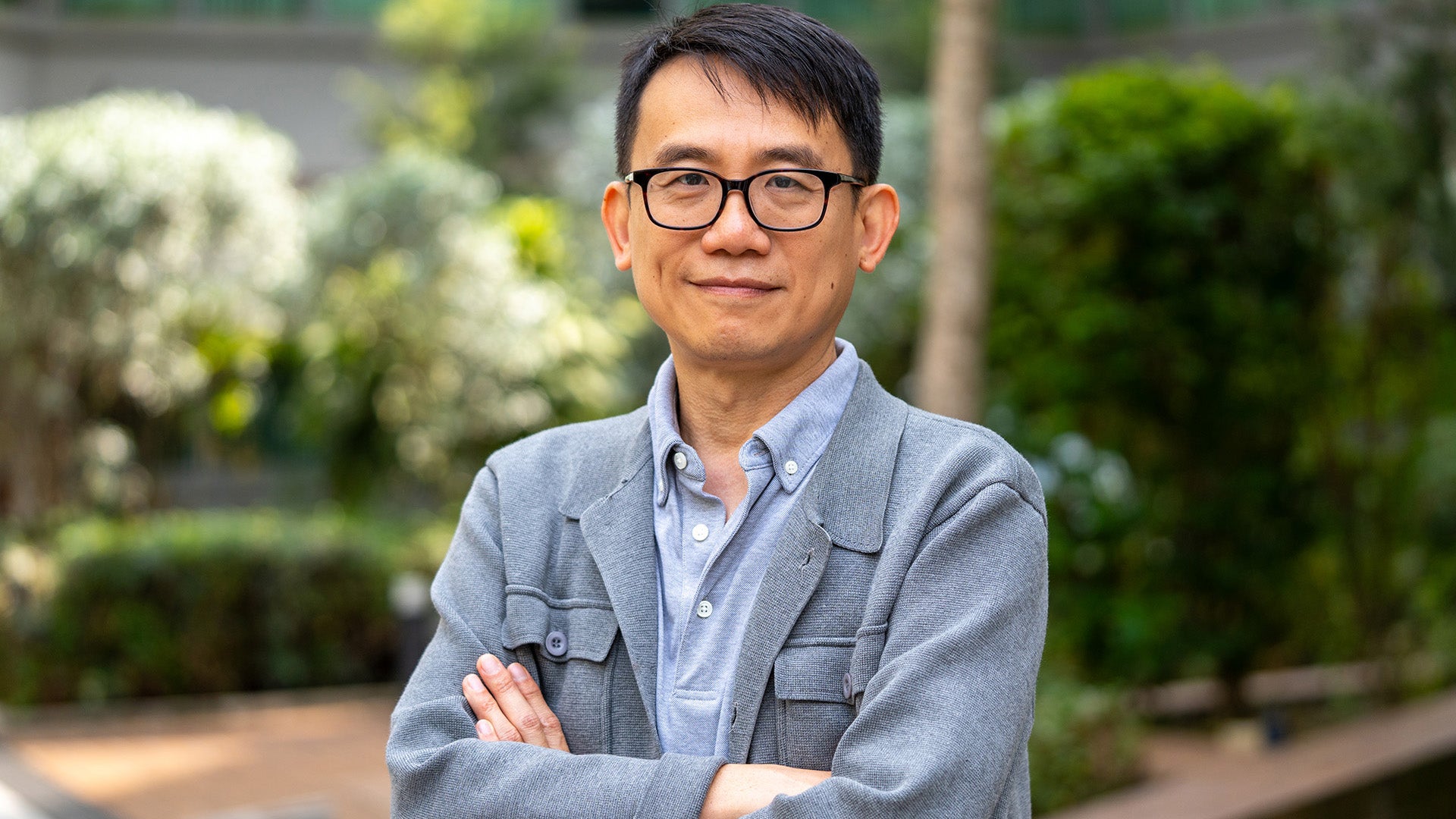
Prof Yang's research has driven new approaches to microscopy, produced technologies adopted by industry, and opened new possibilities for imaging and controlling light inside biological tissue. From diagnosing disease to understanding how cells behave, much of biomedical science depends on our ability to see biological structures in ever greater detail. Professor Yang Changhuei ( Department of Ele
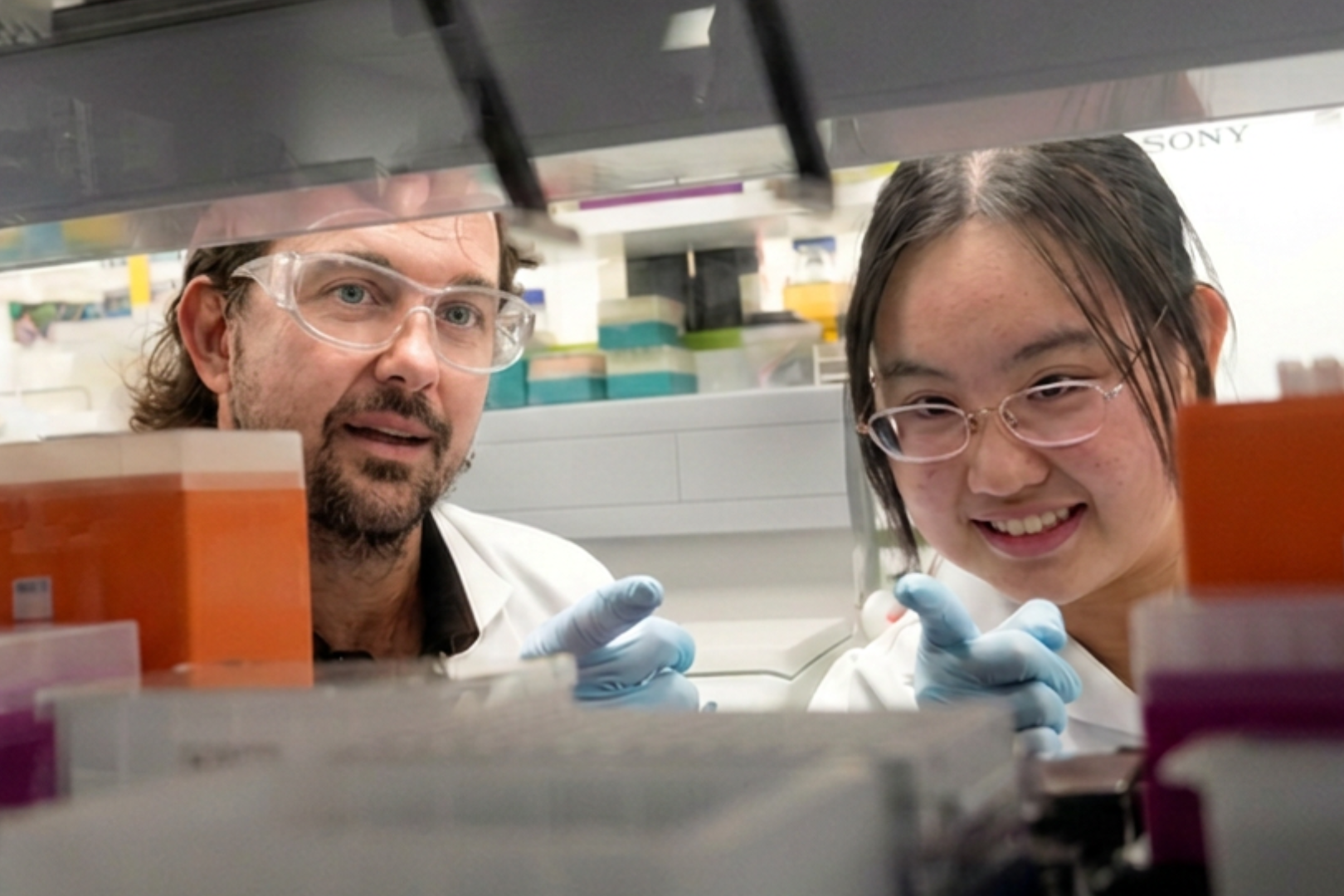
Asst Prof Andrew Holle (left) and PhD student Nicole Lee Jia Wen (right) in the laboratory. Cells in our bodies squeeze through dense tissue channels, thread past neighbouring cells and navigate every nook and cranny within the extracellular matrix — the mesh-like network that surrounds and supports cells. How well they do this can shape a wide range of physiological processes, from wound repair t
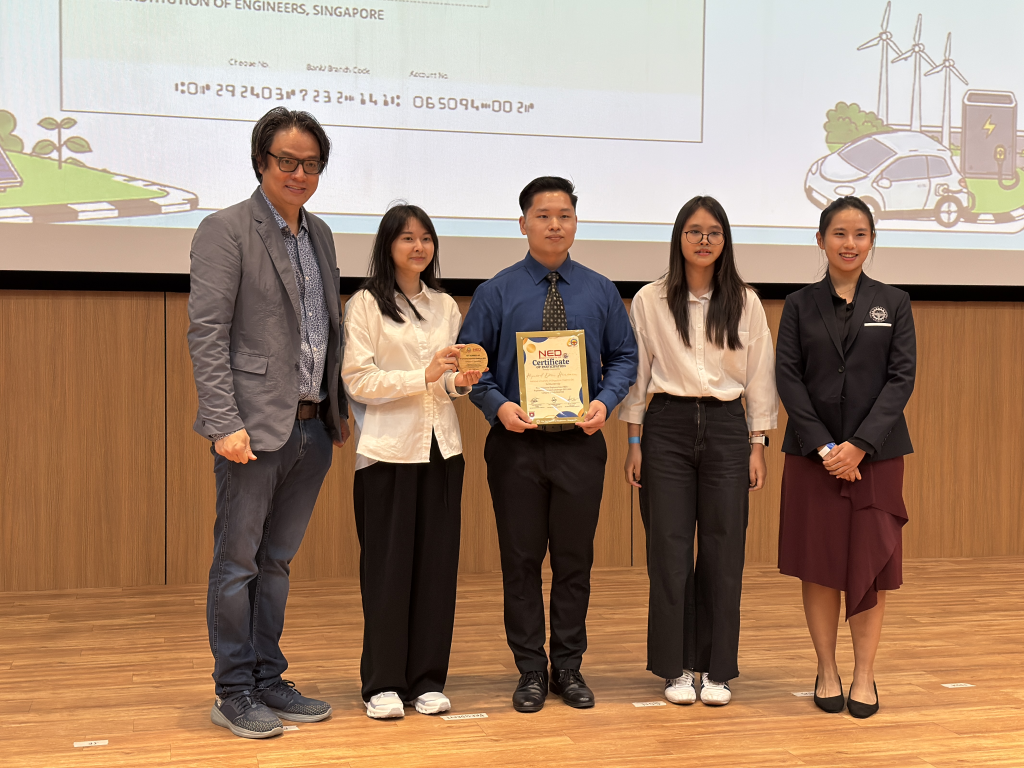
As part of National Engineers Day (NED) 2026, student innovators from CDE put their ideas to the test at the Engineering Innovation Challenge (EIC), a national platform that encourages students to apply engineering knowledge to real-world problems. Held on 14 August, NED brought together engineers, educators, students and industry professionals to celebrate the role of engineering in shaping Singa
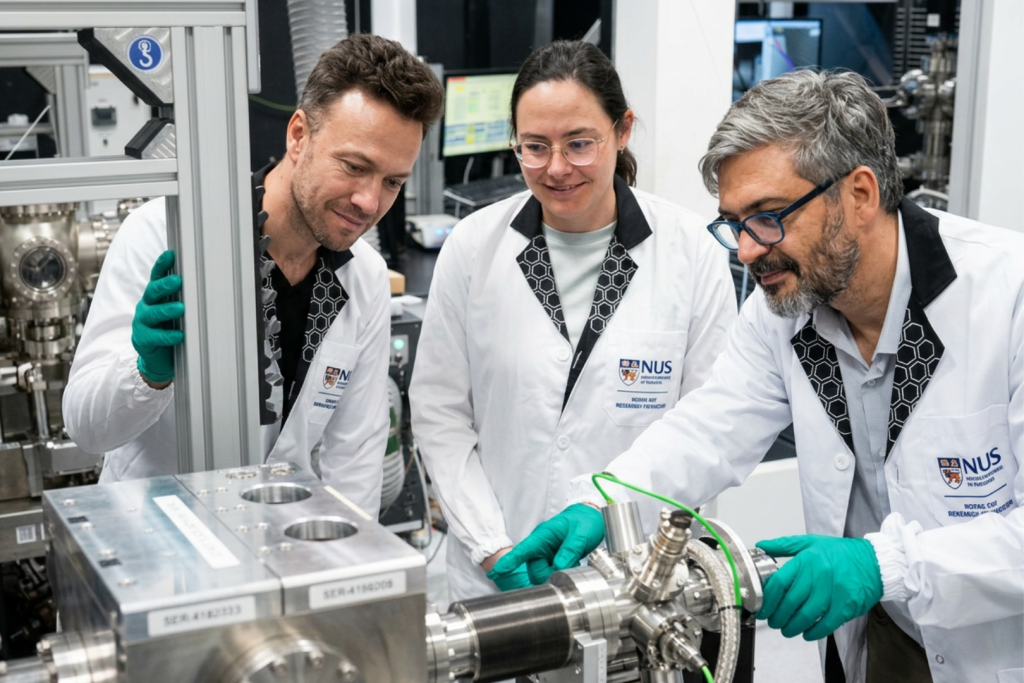
From left to right: Dr Artem Grebenko, Dr Alena Alekseeva, and Prof Barbaros Oezyilmaz, checking the positioning of the wafer within the UV laser-assisted CVD set-up used for the growth of ultra-low-k amorphous carbon. As transistors inside microchips continue to shrink, the metal wiring that connects them is becoming a growing obstacle to faster, more energy-efficient chips. Narrower wires have g
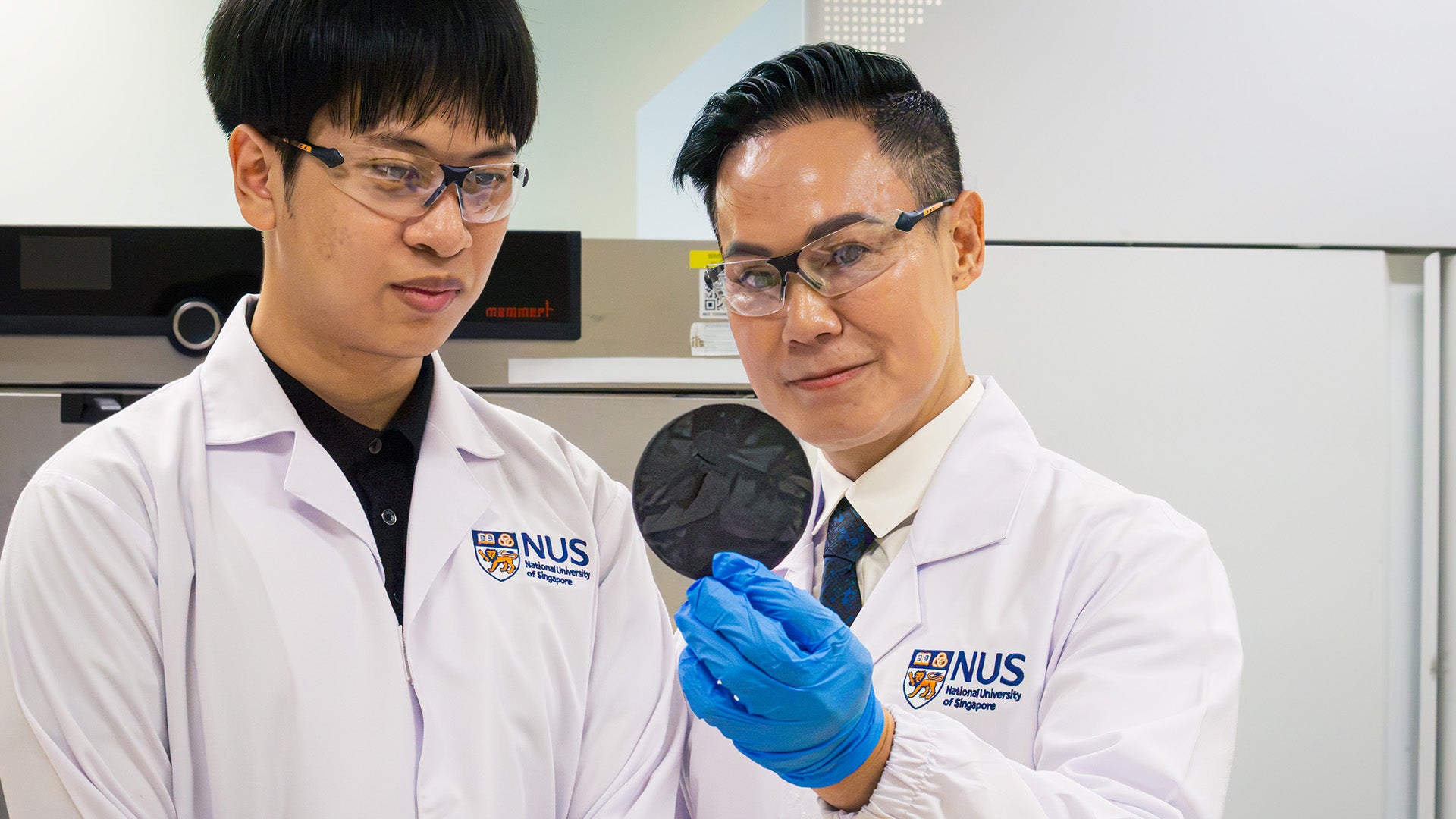
Mr Ngo Minh Quang Phan (left), first author of the study, and Assoc Prof Duong Hai Minh, who led the research, with a carbon fibre epoxy aerogel developed by the research team. Researchers from CDE have developed a method to turn waste from the tough, lightweight composites used in aircraft and other high-performance structures into aerogels that could be used for thermal insulation, sound absorpt
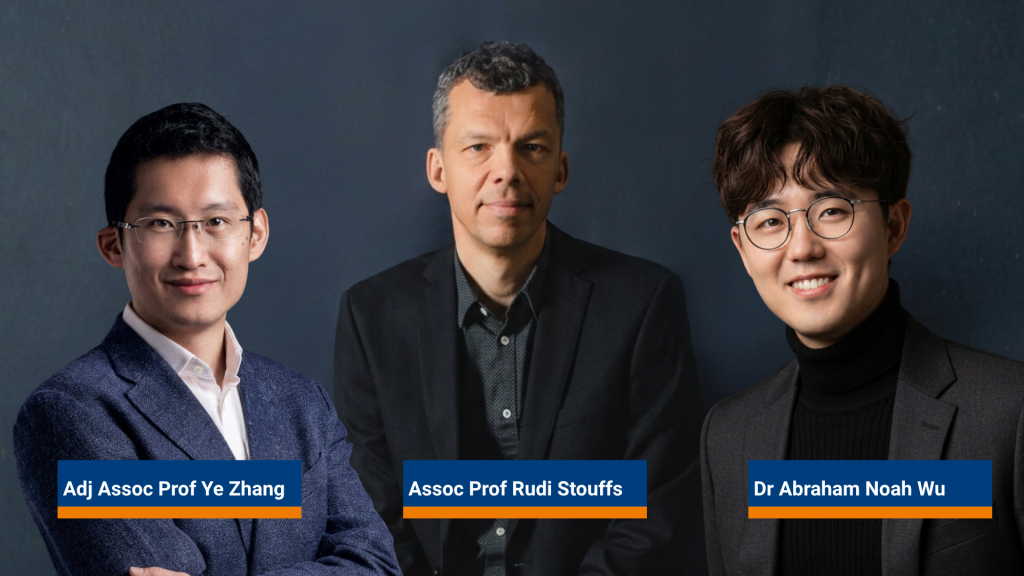
Researchers led by Assoc Prof Rudi Stouffs from the Department of Architecture, have developed a deep learning framework that completes missing and under-mapped flood hazard zones across the contiguous United States. Official flood maps shape disaster preparedness, insurance decisions and urban planning, but large parts of the United States remain unmapped or under-mapped. This means some communit
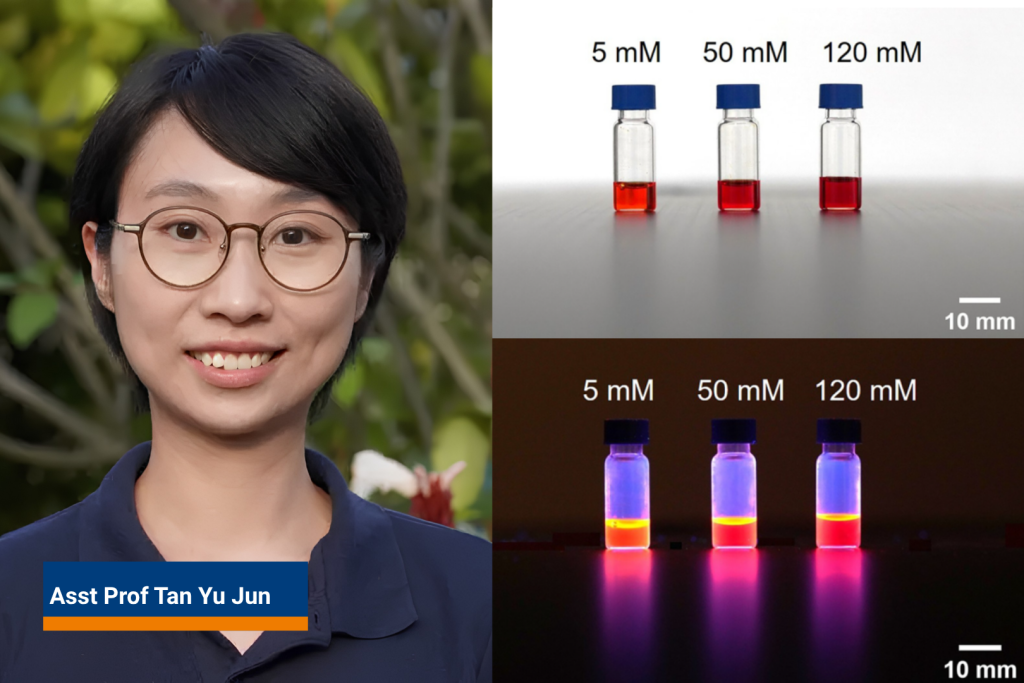
Asst Prof Tan Yu Jun, and her team's research on a new electrolyte paired with a redesigned electrode architecture triples the brightness of electrochemiluminescent devices. UBECL solutions are shown under ambient light (upper figure) and under UV irradiation (λ = 365 nm, lower figure). From a skin patch that changes colour to flag abnormal blood sugar, to a diver’s sleeve display that stays reada
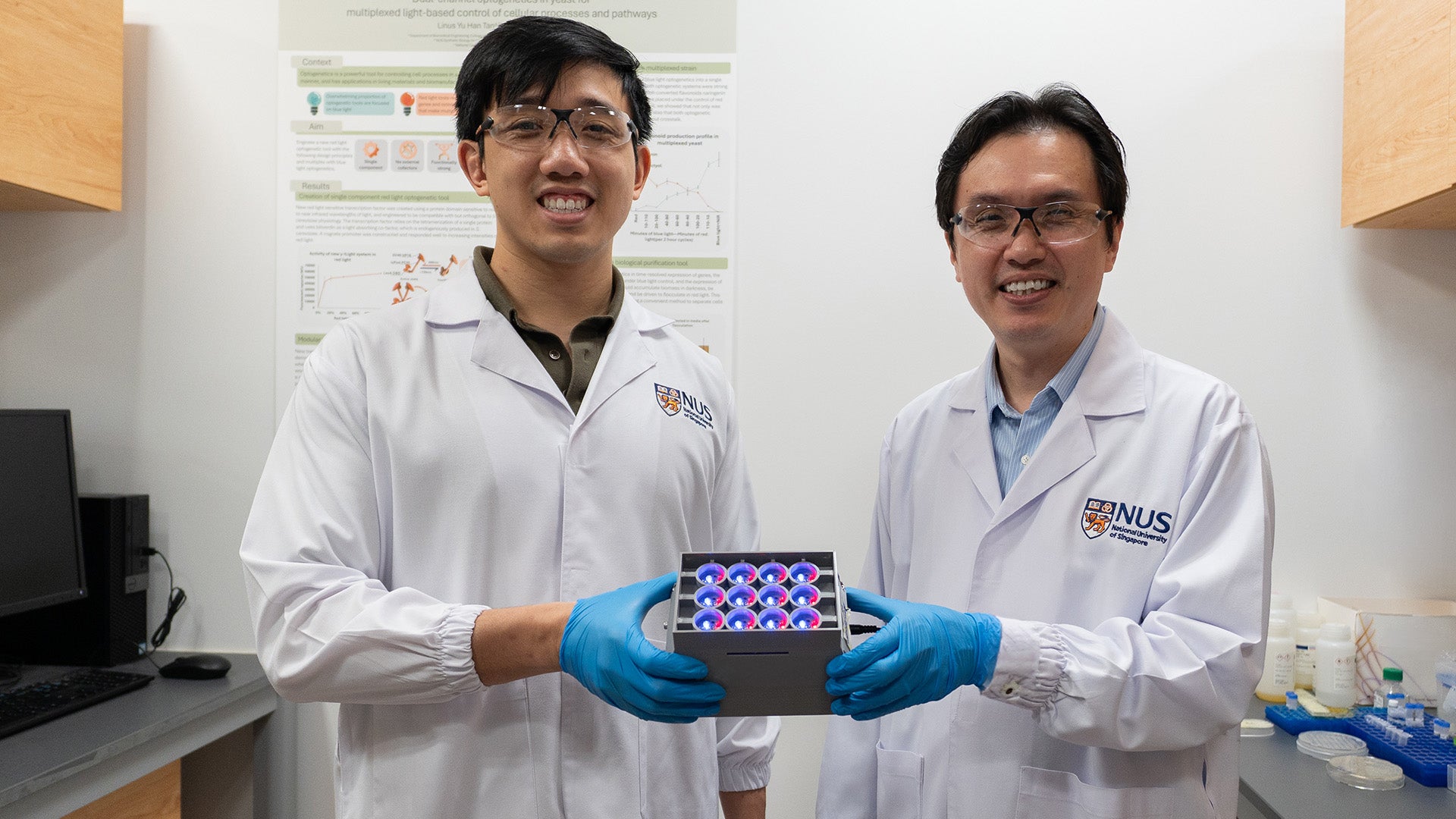
Associate Professor Poh Chueh Loo (right) and Linus Tan Yu Han (left) engineered baker’s yeast to sense and respond to different colours of light, enabling new ways to control cellular behaviour with red and blue light. Baker’s yeast is one of biotechnology’s most important microorganisms. It has long been used to leaven bread and ferment beer. More recently, advances in synthetic biology have ena
Prof Heng Chye Kiang (7th from the right), Dr Xue Xuan, first author of the paper (8th from right), and Prof TC Chang, fourth author of the paper (9th from right) at a presentation of their research. Researchers from the National University of Singapore (NUS) College of Design and Engineering (CDE), led by Professor Heng Chye Kiang ( Department of Architecture ), have developed a computational fra
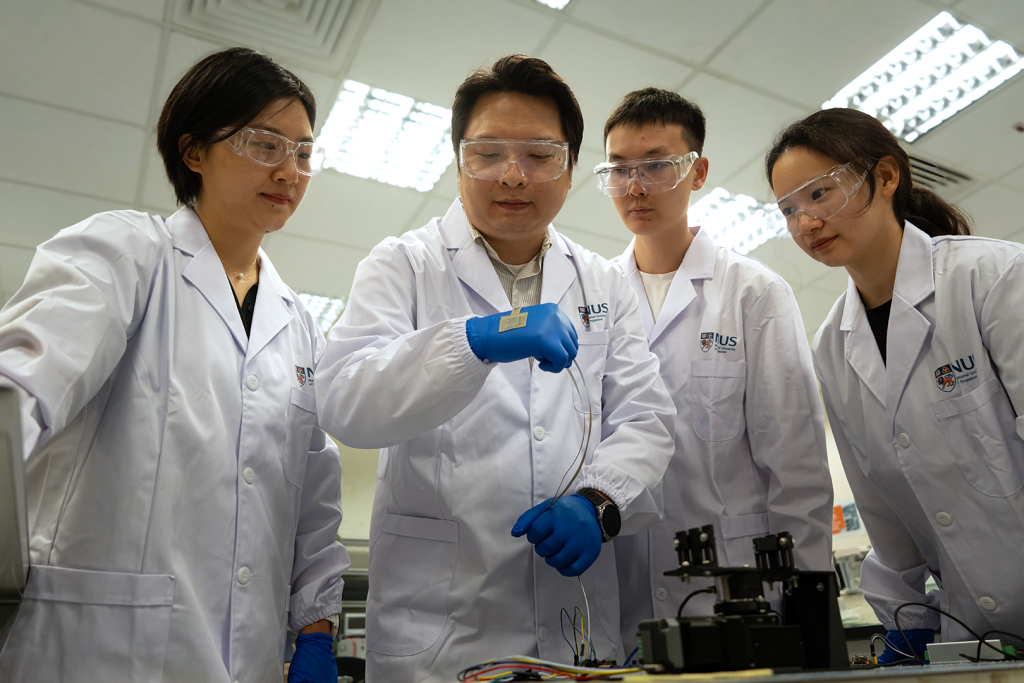
Asst Prof Zhai Wei, Research Fellow Dr Dang Chao, PhD candidates Qi Haobo and Jin Yidan (from left to right) test the performance of soft skin sensors based on the reported substrate. Soft sensors convert movement, temperature and moisture into electrical signals. Repeated bending and friction can cause their metal conductors to peel from the underlying polymer, while physical damage, such as cuts