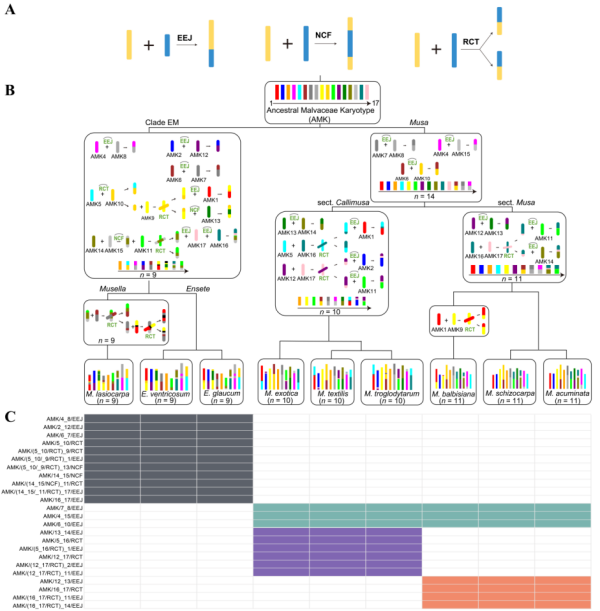
Modern main banana varieties are highly dependent on vegetative reproduction and have problems such as narrow genetic base and low genetic diversity. There are about 80 species in the Musa family. Different groups show diversity in chromosome base numbers (such as n =11, 10 and 9) and bud color and other traits. They are an ideal group for studying the evolution of plant chromosome structures and the differentiation of floral organ traits. However, there has been a long lack of direct evidence at the genomic and cytogenetic level regarding the evolutionary formation mechanism of these different chromosome base numbers and the intrinsic correlation between chromosome structural variation and flower bud color differentiation.
Life Sciences#Chinese Academy of Sciences#科研进展#CAS#genomics#biology
Understanding how domestication reshapes brain structure and function remains a fundamental question in evolutionary biology. The hippocampus is a key brain region involved in memory and stress regulation, and it has been thought to undergo "simplification" during domestication. However, the cellular mechanisms underlying these changes remain poorly understood. In a study published in PNAS on Sept
Life SciencesEvolution#Chinese Academy of Sciences#Research News#Evolution#genomics#biology
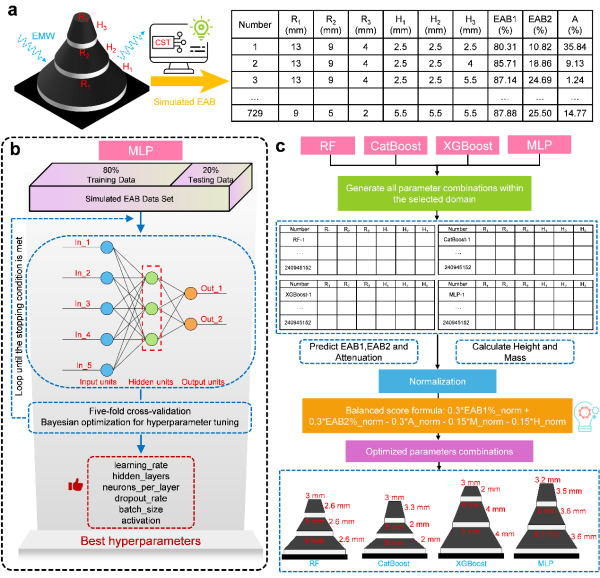
Recently, the Hefei Institute of Physical Sciences, Chinese Academy of Sciences, has made progress in research on multifunctional electromagnetic wave absorbing superstructures. The team proposed a machine learning-assisted "material-structure-function" collaborative design strategy, using fused deposition modeling 3D printing technology to integrate the polyamide 6/carbon fiber composite (PACF) absorbing unit, low-loss pure polyamide 6 (N-PA) spacer layer and laser-induced PACF (LI-PACF) functional backplane to build a superstructure with multi-level resonant gradient impedance, achieving broadband and wide-angle microwave absorption from 2 to 40 GHz, with both structural load-bearing and electrothermal de-icing capabilities.
Dr. Teun Munnik has been appointed Professor of Plant Cell Biology at the University of Amsterdam. Munnik is affiliated with the Swammerdam Institute for Life Sciences (SILS) at the Faculty of Science. The appointment came into effect on 1 January 2026. As professor, Munnik will further strengthen research and education in molecular cell biology within the Swammerdam Institute for Life Sciences.
Life SciencesEnvironment & Climate#University of Amsterdam#genomics#biology#climate#decarbonization
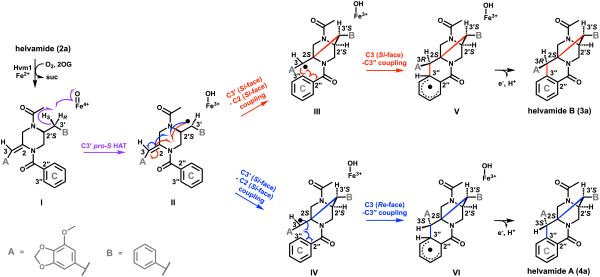
Natural products are an important source of modern therapeutic drugs. Their unique skeleton structure, abundant functional groups and multiple chiral centers form the chemical basis for a wide range of biological activities. In the later biosynthesis of such active natural products, iron(II)/2-oxoglutarate-dependent (Fe/2OG) enzymes can precisely introduce pharmacophore groups through a variety of reactions. Among them, the carbon-carbon bonding reaction catalyzed by this enzyme family can build a molecular skeleton with complex structure and significant biological activity. However, the related reaction process is complicated, and its mechanism of action is still unclear so far. In-depth analysis of the catalytic mechanism of this type of enzyme is of great significance for natural product biosynthesis research, new drug development and rational transformation of biocatalysts.
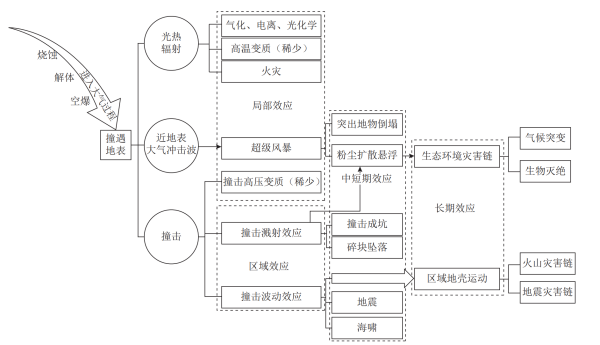
Asteroid impact is a natural disaster with low probability but complex disaster chain. The impact is accompanied by extreme dynamic effects such as ultra-high temperature, ultra-high pressure, ultra-high speed, etc., which will produce a large amount of sputtering dust. Sputtered dust is ejected into the atmosphere at high speed, and some dust enters the stratosphere and spreads, which may cause global environmental effects. Conducting research on the entire process from impact cratering to sputtering dust is of great significance to the study of near-Earth asteroid defense and Earth evolution. At present, due to technical and cost constraints, it is difficult to simulate real working conditions in indoor ultra-high-speed impact tests, and numerical simulation has become the main research method. However, most existing research focuses on a single process and lacks a systematic analysis method covering the complete chain of sputter dust formation - dust tropospheric movement - dust stratospheric diffusion.
Research#Chinese Academy of Sciences#科研进展#CAS
Research NewsUniversity of Minnesota Medical School
The human body is a marvel of remake and renewal. We regularly replace some of our estimated 37 trillion cells – about 300 billion or 1 percent of our cells each day - with healthy substitutes. We remove damaged or aging, senescent cells and cellular debris from our organs and tissues every second of the day. How important is it that cellular waste be properly removed?
Medical ResearchLife SciencesEnvironment & Climate#University of Minnesota Medical School#UMN Medical School#Immunology#medical research#clinical research#genomics#biology#climate
The pigments that give beets their red color may have helped a major group of flowering plants repeatedly adapt to dry environments, setting the stage for the evolution of traits that allowed plants to adapt to some of the harshest environments on Earth, according to a University of Michigan study.
Life Sciences#University of Michigan#Environment#News Releases#biology#Ecology#Michigan News#genomics
An international team co-led by the University of Cambridge has mapped every neuron in the male Drosophila fly’s brain and nerve cord, to produce a wiring map of the 166,700 neurons and the millions of connections between them.
Life Sciences#University of Cambridge#Jacqueline Garget#Neuroscience#animal behaviour#genomics#biology
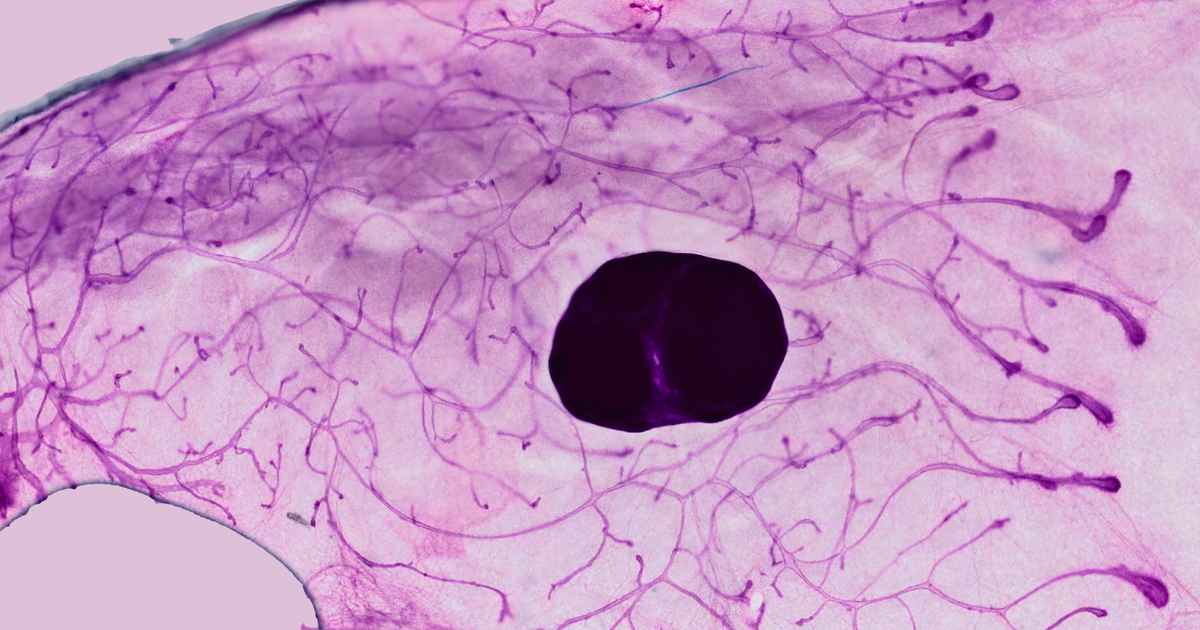
Researchers at the Swammerdam Institute for Life Sciences (SILS) of the Faculty of Science have uncovered how mammary-gland cells decide when to activate Wnt4, a gene with a central role in mammary-gland development. Their findings reveal how distant stretches of non-coding DNA work together in three dimensions to control gene activity.
Medical ResearchLife Sciences#University of Amsterdam#medical research#clinical research#genomics#biology
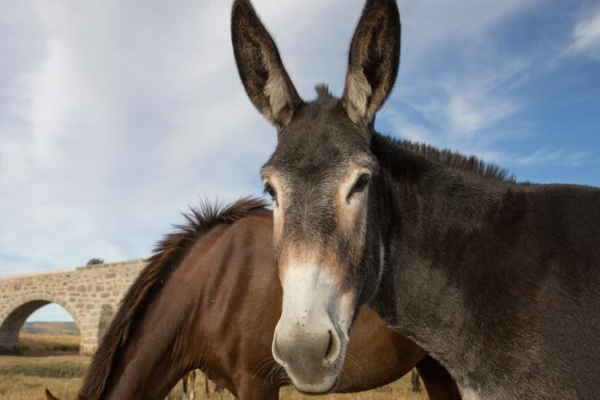
A mule has helped researchers build the most complete reference genomes to date for horses and donkeys, giving scientists access to complex regions of DNA that earlier versions could not fully capture.
Medical ResearchLife Sciences#University of Kentucky#medical research#clinical research#genomics#biology
In the past two decades, research on black hole thermodynamics has revealed the similarity between black holes and fluid systems—the existence of a small black hole-large black hole first-order phase transition in charged Anti-de Sitter (AdS) black holes. However, a key question remains unresolved - what thermodynamic behavior does a black hole exhibit in the "supercritical" region above the critical point? For a long time, people have known little about this, and the existing supercritical phase transition lines are not universal.
Standard DNA barcodes are widely used in fields such as biodiversity protection and traceability due to their advantages of strong universal primer adaptability and low sequencing costs. For closely related species, complex taxa with frequent hybridization and recent radiation evolution, standard DNA barcodes cannot meet the needs of accurate identification due to limited sequence variation and insufficient resolution. Although the strategy of shallow genome sequencing to obtain the complete plastid genome (super barcoding) has improved the identification rate of some difficult taxa, the uniparental inheritance characteristics of the plastid genome make it limited in the analysis of introgressed taxa.
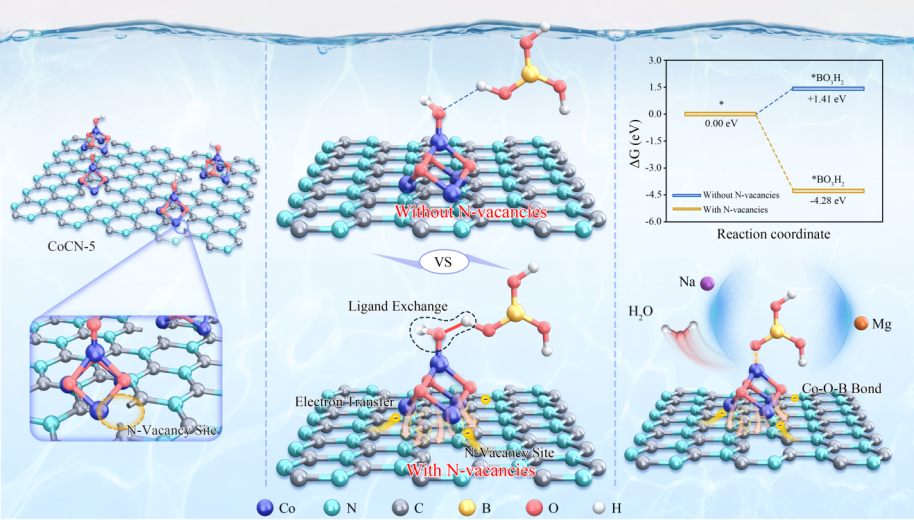
Boron plays an important role in glass and ceramic manufacturing, agricultural production and other fields. Although the salt lakes in Qinghai and Tibet are rich in liquid boron ore, the high-salt environment and the reactive inertness of boric acid molecules make efficient and selective extraction of boron challenging.
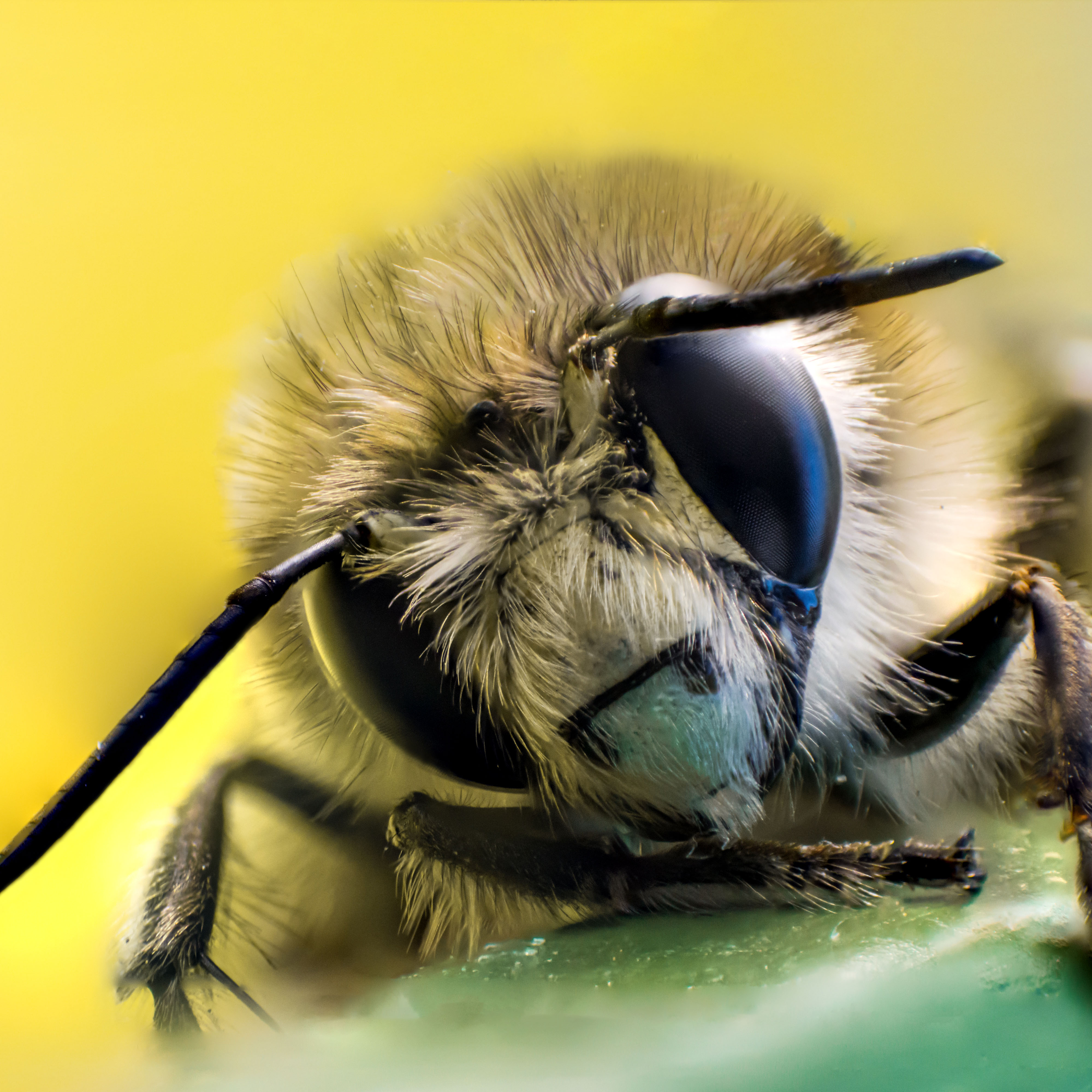
Honey bees have long been the model species for studying insect vision. However, new research shows that several smaller bee species might actually have sharper eyesight.
Researchers at UC San Diego have demonstrated that one of biology’s most essential enzymes can accurately read and transcribe an expanded genetic alphabet containing eight DNA letters instead of the four used by all known life.
ResearchMedical ResearchLife Sciences#University of California San Diego#UC San Diego#UCSD Today#medical research#clinical research#genomics#biology
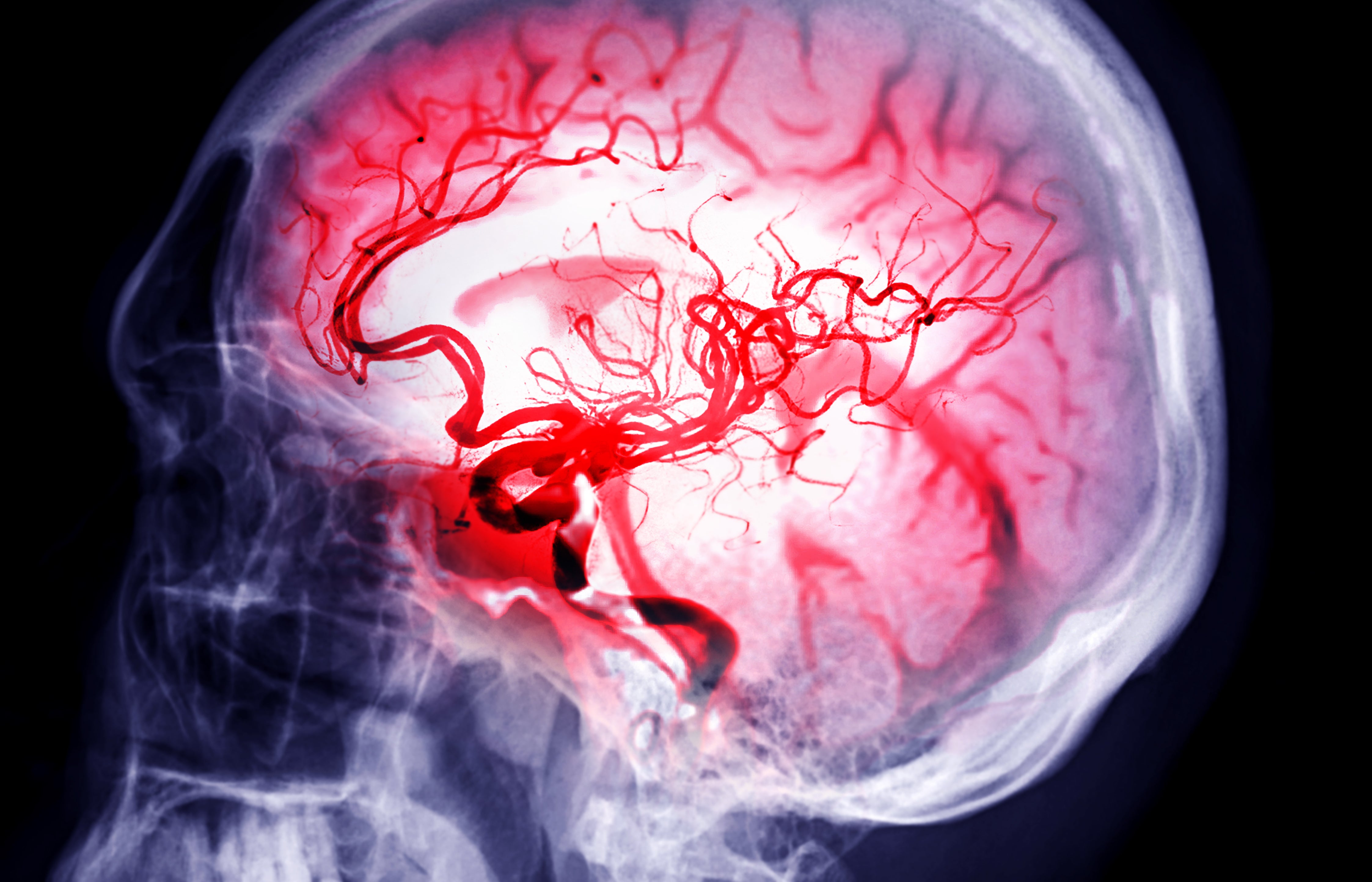
As it tries to defend itself from stroke, the brain can paradoxically trigger the formation of tiny new clots in minor blood vessels, damaging tissue even after the original culprit has been removed, new research shows. The findings help explain why nearly half of treated stroke patients don’t recover — and identify potential new treatments.
Medical ResearchLife Sciences#University of Colorado Boulder#CU Boulder#CU Boulder Today#medical research#clinical research#genomics#biology
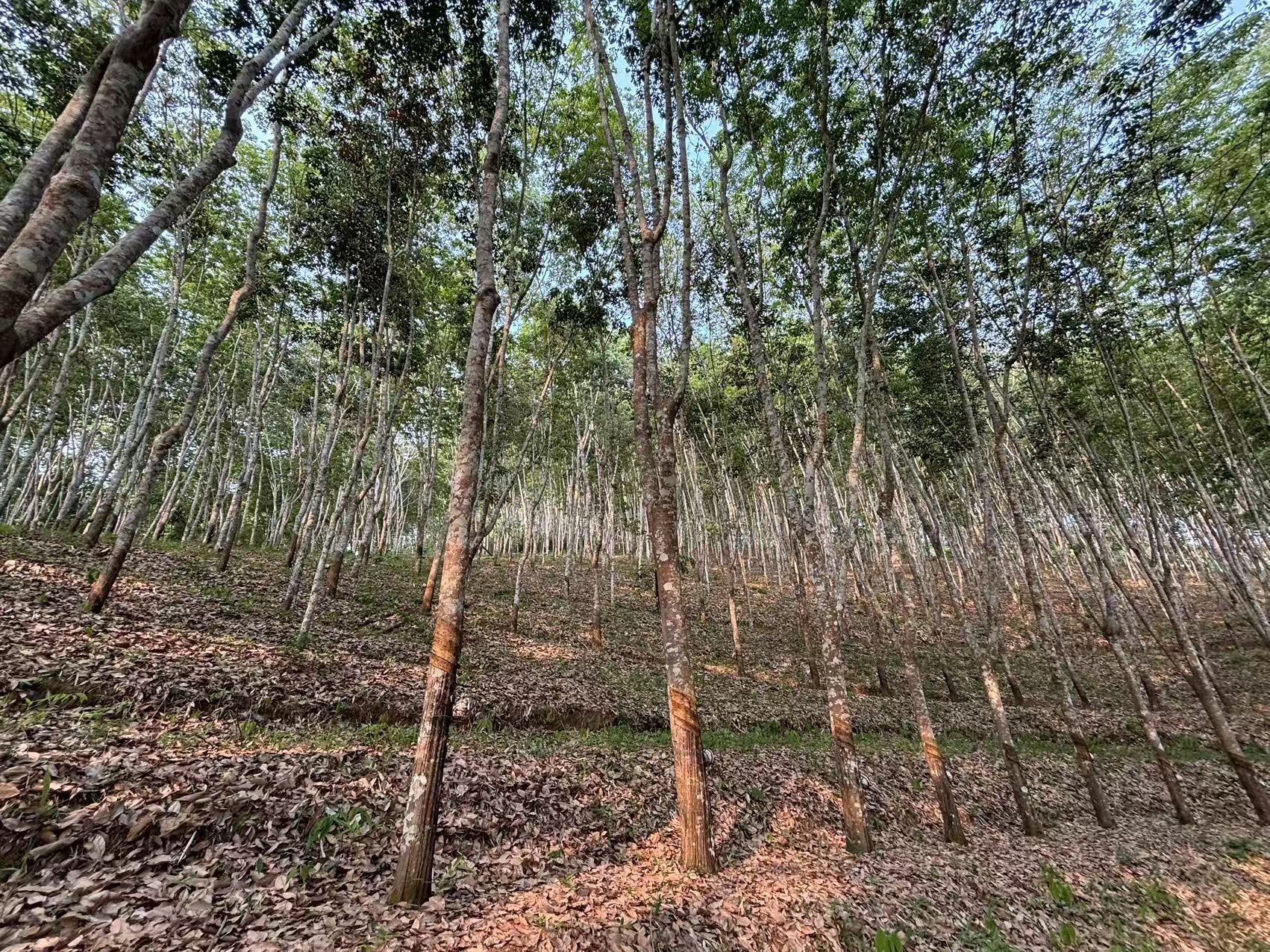
Soil organic carbon dynamics are a key indicator for assessing the success of ecosystem restoration. According to a new study by researchers from the Xishuangbanna Tropical Botanical Garden (XTBG) of the Chinese Academy of Sciences, soil microorganisms play a critical role in regulating carbon storage in tropical ecosystems undergoing recovery. The study, published in Catena on August 27, showed t
Life SciencesEnvironment & ClimateCarbon Neutrality#Chinese Academy of Sciences#Research News#Carbon Neutrality#genomics#biology#climate#decarbonization