The human body is a marvel of remake and renewal. We regularly replace some of our estimated 37 trillion cells – about 300 billion or 1 percent of our cells each day - with healthy substitutes. We remove damaged or aging, senescent cells and cellular debris from our organs and tissues every second of the day. How important is it that cellular waste be properly removed?
Medical ResearchLife SciencesEnvironment & Climate#University of Minnesota Medical School#UMN Medical School#Immunology#medical research#clinical research#genomics#biology#climate
A mule has helped researchers build the most complete reference genomes to date for horses and donkeys, giving scientists access to complex regions of DNA that earlier versions could not fully capture.
Medical ResearchLife Sciences#University of Kentucky#medical research#clinical research#genomics#biology
Researchers at UC San Diego have demonstrated that one of biology’s most essential enzymes can accurately read and transcribe an expanded genetic alphabet containing eight DNA letters instead of the four used by all known life.
ResearchMedical ResearchLife Sciences#University of California San Diego#UC San Diego#UCSD Today#medical research#clinical research#genomics#biology
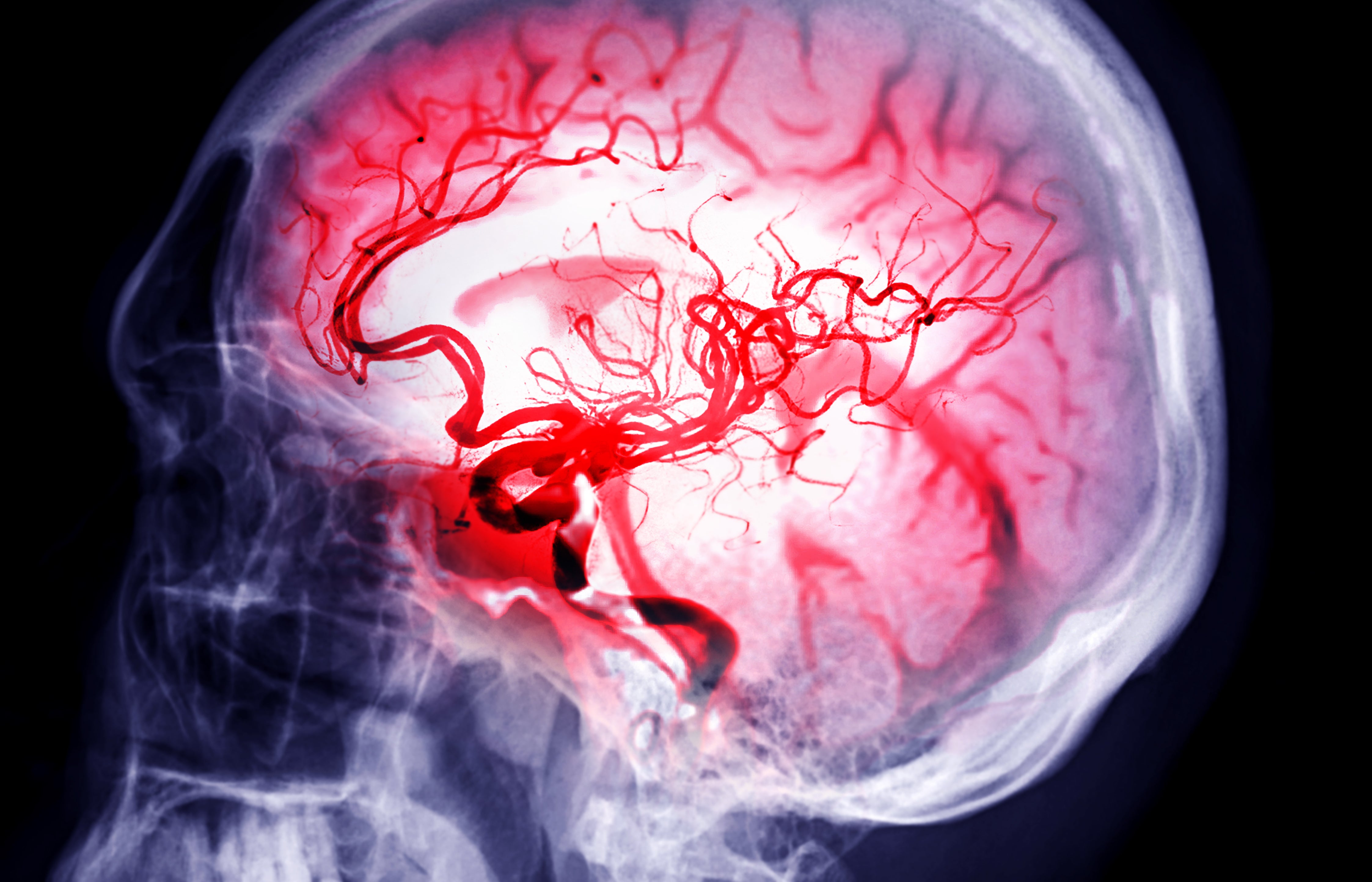
As it tries to defend itself from stroke, the brain can paradoxically trigger the formation of tiny new clots in minor blood vessels, damaging tissue even after the original culprit has been removed, new research shows. The findings help explain why nearly half of treated stroke patients don’t recover — and identify potential new treatments.
Medical ResearchLife Sciences#University of Colorado Boulder#CU Boulder#CU Boulder Today#medical research#clinical research#genomics#biology
Dr. Teun Munnik has been appointed Professor of Plant Cell Biology at the University of Amsterdam. Munnik is affiliated with the Swammerdam Institute for Life Sciences (SILS) at the Faculty of Science. The appointment came into effect on 1 January 2026. As professor, Munnik will further strengthen research and education in molecular cell biology within the Swammerdam Institute for Life Sciences.
Life SciencesEnvironment & Climate#University of Amsterdam#genomics#biology#climate#decarbonization
The Center for Immunology is proud to congratulate Cara-lin Lonetree and Grant Hickok, both MICaB graduate students in the laboratory of Dr. Ingunn Stromnes, on receiving prestigious Ruth L. Kirschstein National Research Service Awards for Individual Predoctoral Fellows (F31) from the National Cancer Institute (NCI).
Fusion EnergyMedical ResearchResearch#University of Minnesota Medical School#UMN Medical School#Immunology#fusion#plasma physics#medical research#clinical research
The Academy’s Fellowship is made up of distinguished individuals from academia, the public, private and third sectors. Fellows are selected following a robust and independent peer-review process in recognition of the significant impact of their work in helping address some of the toughest challenges facing society. Professor Lucy Griffiths is Professor of Epidemiology at Swansea University Medical
Medical ResearchEnvironment & ClimateResearch#Swansea University#Swansea Press Office#medical research#clinical research#climate#decarbonization
Immune cells that normally protect the body from damage by attacking foreign or infected cells are found in the brains of patients with Alzheimer’s disease and related disorders at much higher levels than in healthy brains. The cells appear to contribute to neurodegeneration, but where they were coming from, and how they were primed to accumulate in the brain, was not known. Researchers at Washing
Medical ResearchAlzheimer's#Washington University in St. Louis#Newsroom#medical research#clinical research
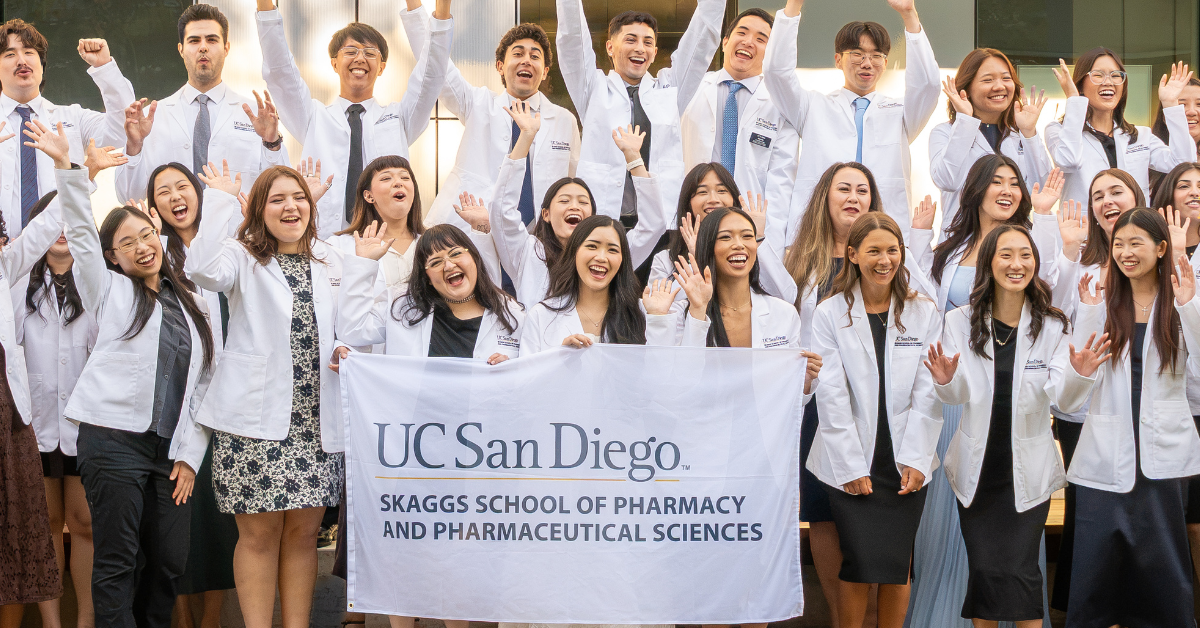
More than 70 students were inducted into the pharmacy profession at UC San Diego Skaggs School of Pharmacy and Pharmaceutical Sciences’ 2026 White Coat ceremony.
ResearchMedical Research#University of California San Diego#UC San Diego#UCSD Today#medical research#clinical research
The pigments that give beets their red color may have helped a major group of flowering plants repeatedly adapt to dry environments, setting the stage for the evolution of traits that allowed plants to adapt to some of the harshest environments on Earth, according to a University of Michigan study.
Life Sciences#University of Michigan#Environment#News Releases#biology#Ecology#Michigan News#genomics
Now, scientists have discovered that certain immune cells depend on these very molecules to activate and destroy cancer cells, and that tumours exploit this dependency by releasing natural antioxidants to shut down the immune attack.
Medical Research#University of Cambridge#Craig Brierley#Cancer#medical research#clinical research
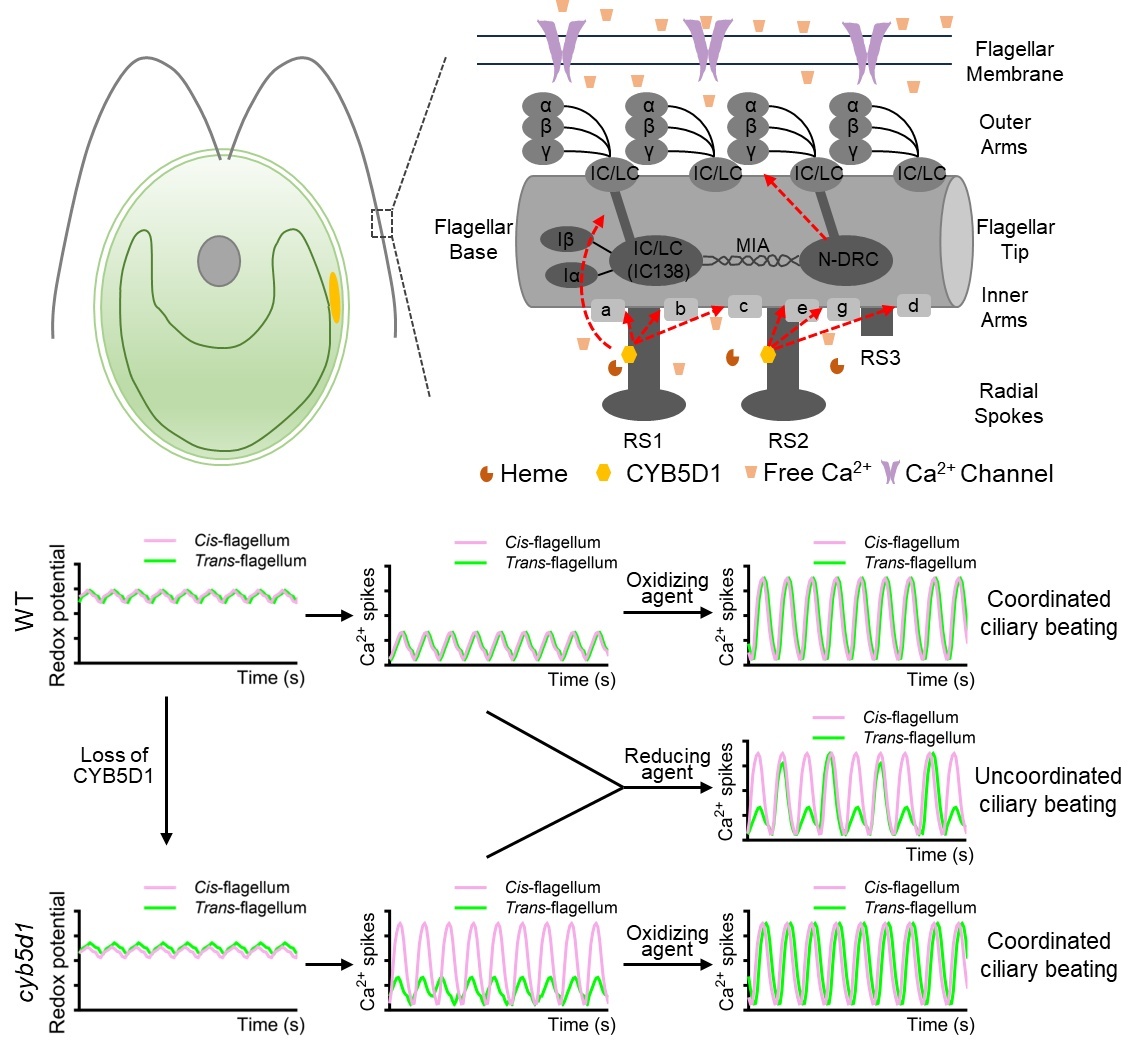
Cilia and flagella are antenna‑like organelles that project from the cell surface and are widely distributed from unicellular eukaryotes to mammals. Motile cilia must beat in a coordinated manner to generate productive fluid flow and drive cell motility, which is essential for processes such as sperm propulsion, mucociliary clearance in the airways, and cerebrospinal fluid circulation. Now, a rese
Medical Research#Chinese Academy of Sciences#Research News#medical research#clinical research
An international team co-led by the University of Cambridge has mapped every neuron in the male Drosophila fly’s brain and nerve cord, to produce a wiring map of the 166,700 neurons and the millions of connections between them.
Life Sciences#University of Cambridge#Jacqueline Garget#Neuroscience#animal behaviour#genomics#biology
Immunotherapy has radically transformed the treatment of cancer in recent years. However, it does not work equally well for every patient. Researchers at the Vrije Universiteit Brussel explain that a relatively little-studied biological process may play a key role in this: the ageing of immune cells, also known as T-cell senescence. Their literature review was published on 3 September in the leadi
Medical ResearchResearch#Vrije Universiteit Brussel#VUB Today#medical research#clinical research
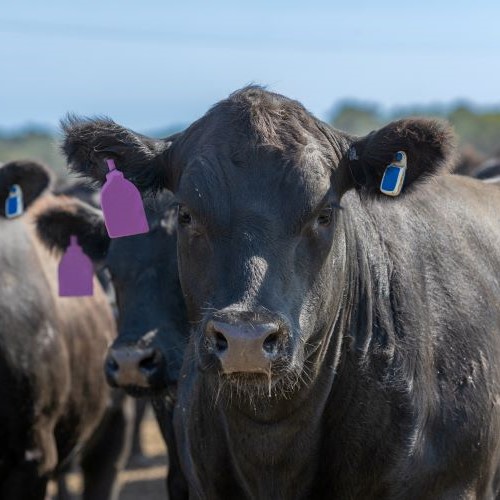
New research involving more than one million Australian feedlot cattle has found that the strongest predictors of death from bovine respiratory disease (BRD) are established before animals even enter the feedlot, highlighting the importance of preventive measures on source properties.
ResearchMedical Research#Adelaide University#Adelaide#medical research#clinical research