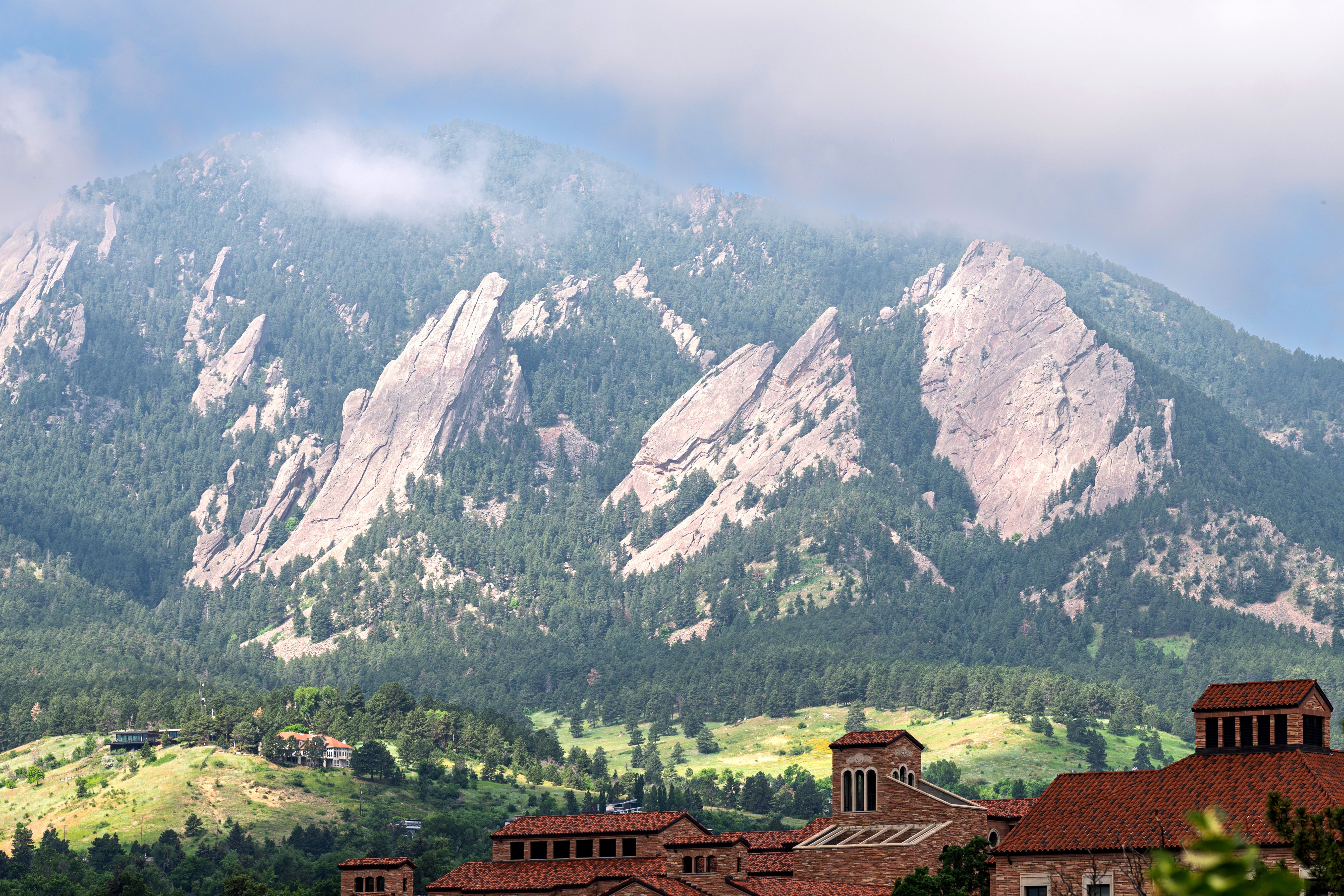
Lon Abbott, who studies how mountains form, explains how Boulder’s iconic Flatirons got their shape and why they’re so special even though they’re not one of a kind.
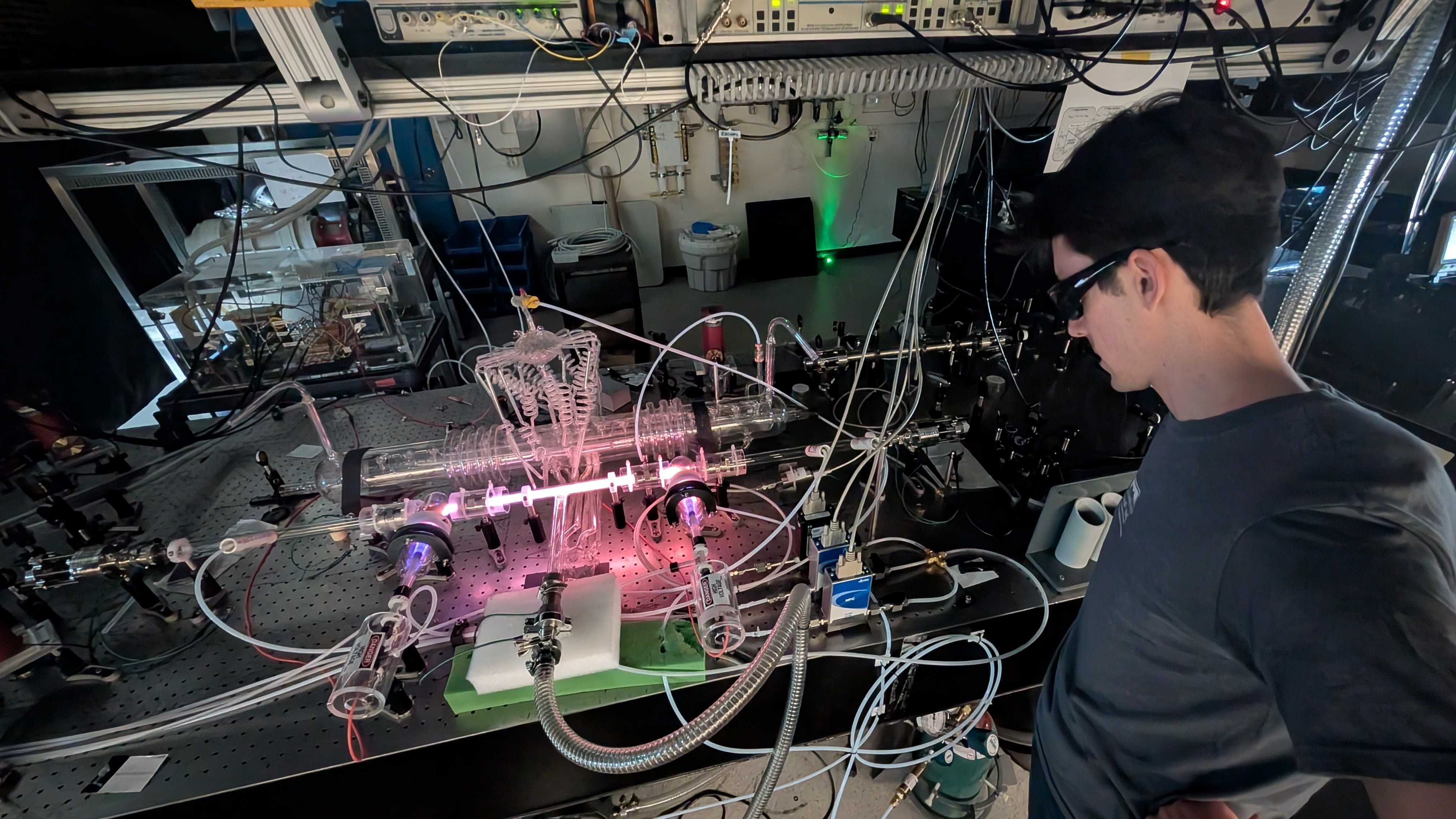
Funding from the National Science Foundation will expand the quantum workforce and advance research projects including more accurate atomic clocks and sensors for early detection of disease.
CU Boulder researchers are exploring how microscopic vibrations engineered beneath an aircraft's surface could delay turbulence and improve fuel efficiency in passenger jets.
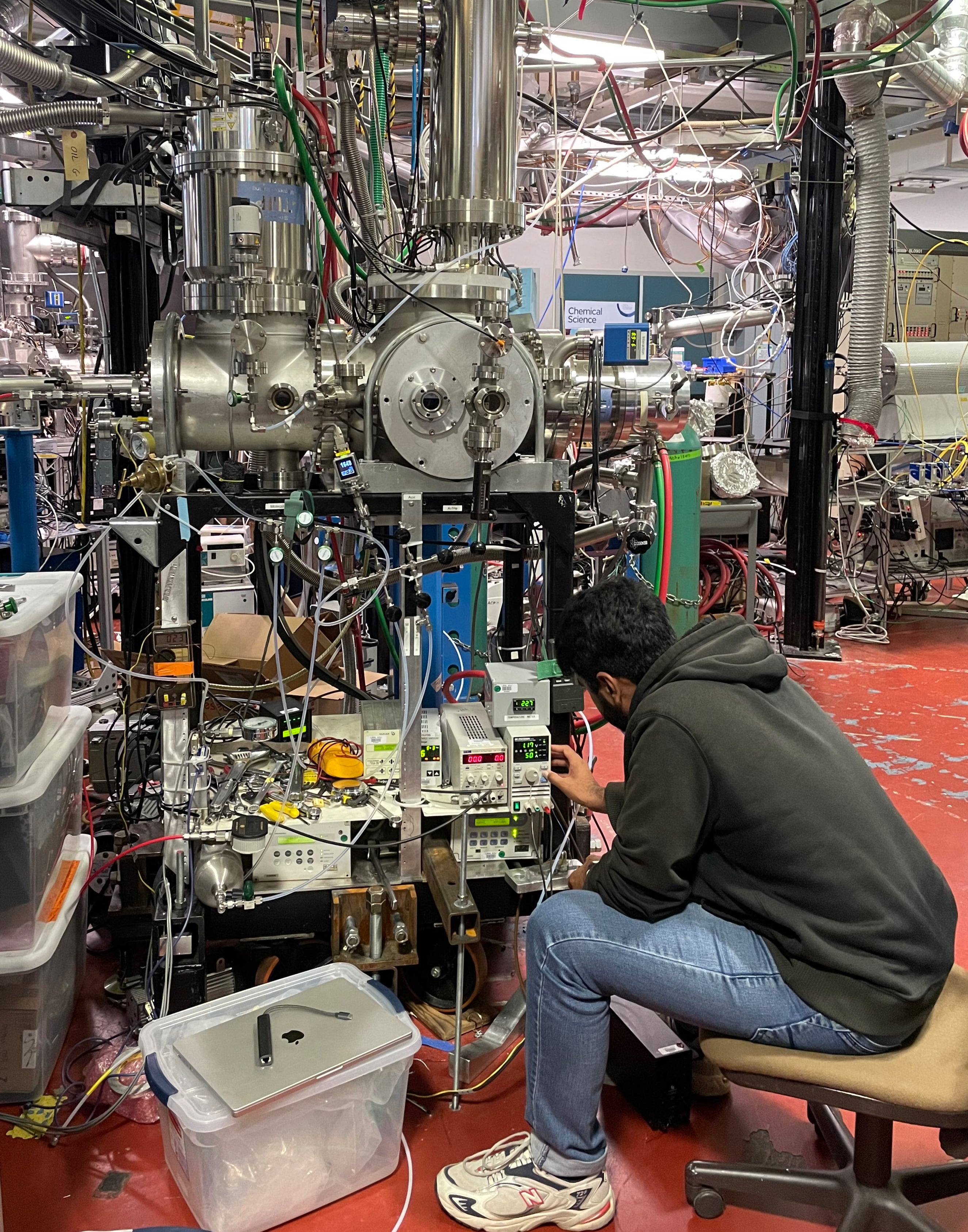
Doctoral student Jas Shahanand is developing ways to study the hidden chemical reactions inside wildfires, laying the groundwork for more accurate emissions models, improved climate predictions and cleaner fuels.
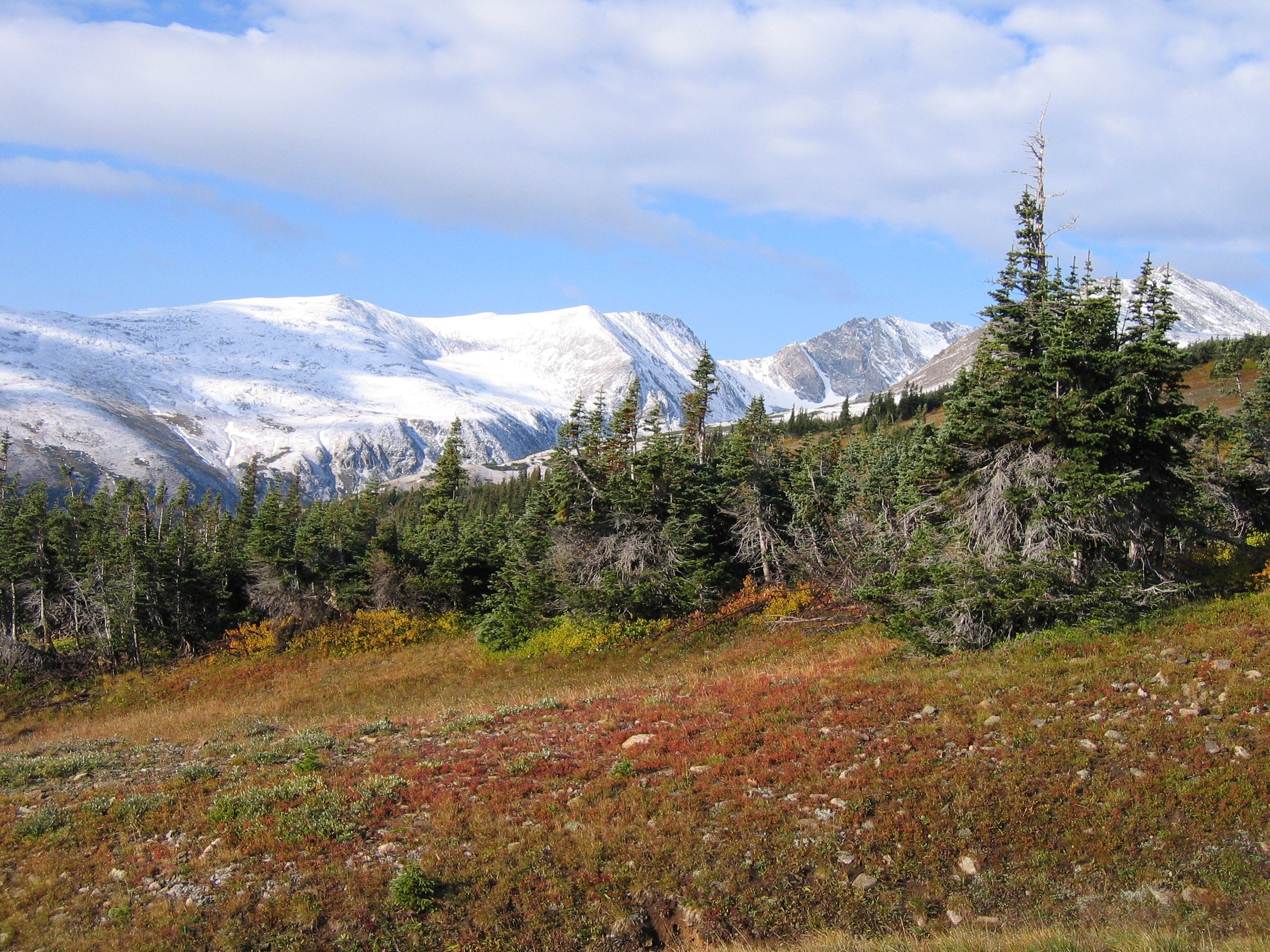
A CU Boulder study finds that the symbiotic relationship between alpine plants and underground fungi stays robust to earlier snowmelt driven by warming temperatures.
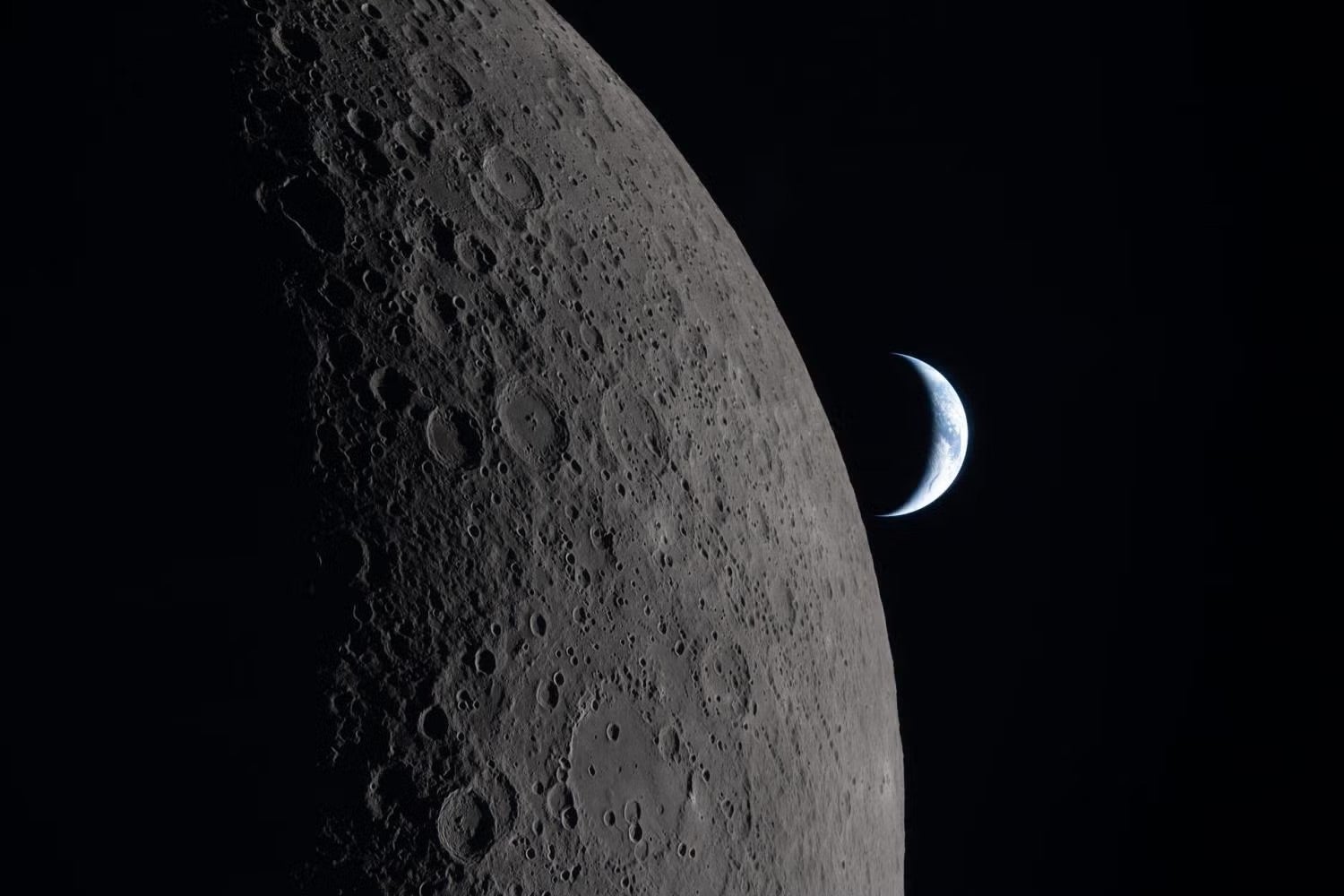
As NASA prepares to land astronauts on the moon for the first time in more than half a century, CU Boulder's Laboratory for Atmospheric and Space Physics is contributing to the Artemis program's success.
Researchers in CU Boulder's Department of Ecology and Evolutionary Biology are taking a closer look at the drought-recovery efforts of these beloved blooms.
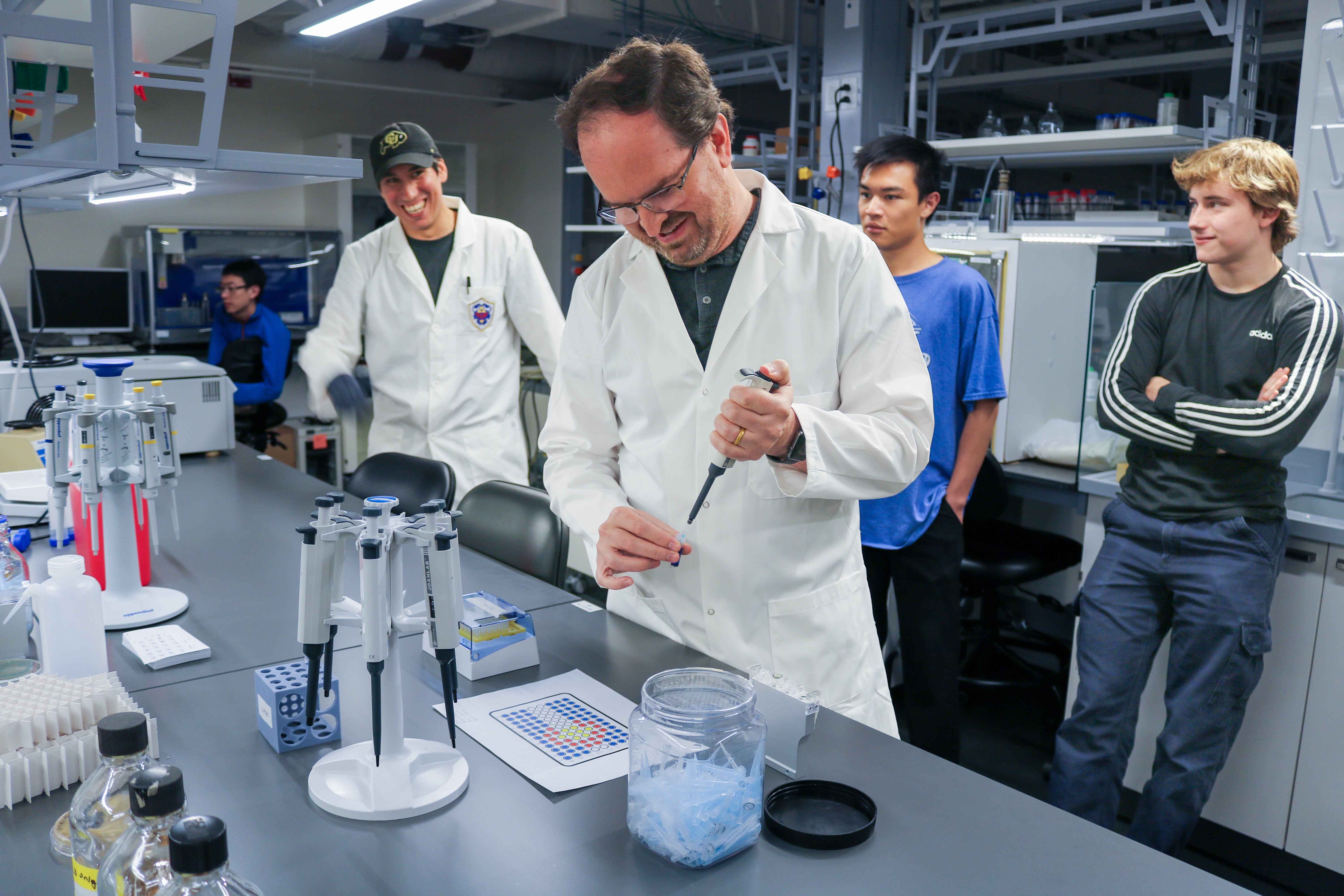
Professor Chris Myers is developing data standards that could make synthetic biology more predictable and help AI become a more effective research tool.
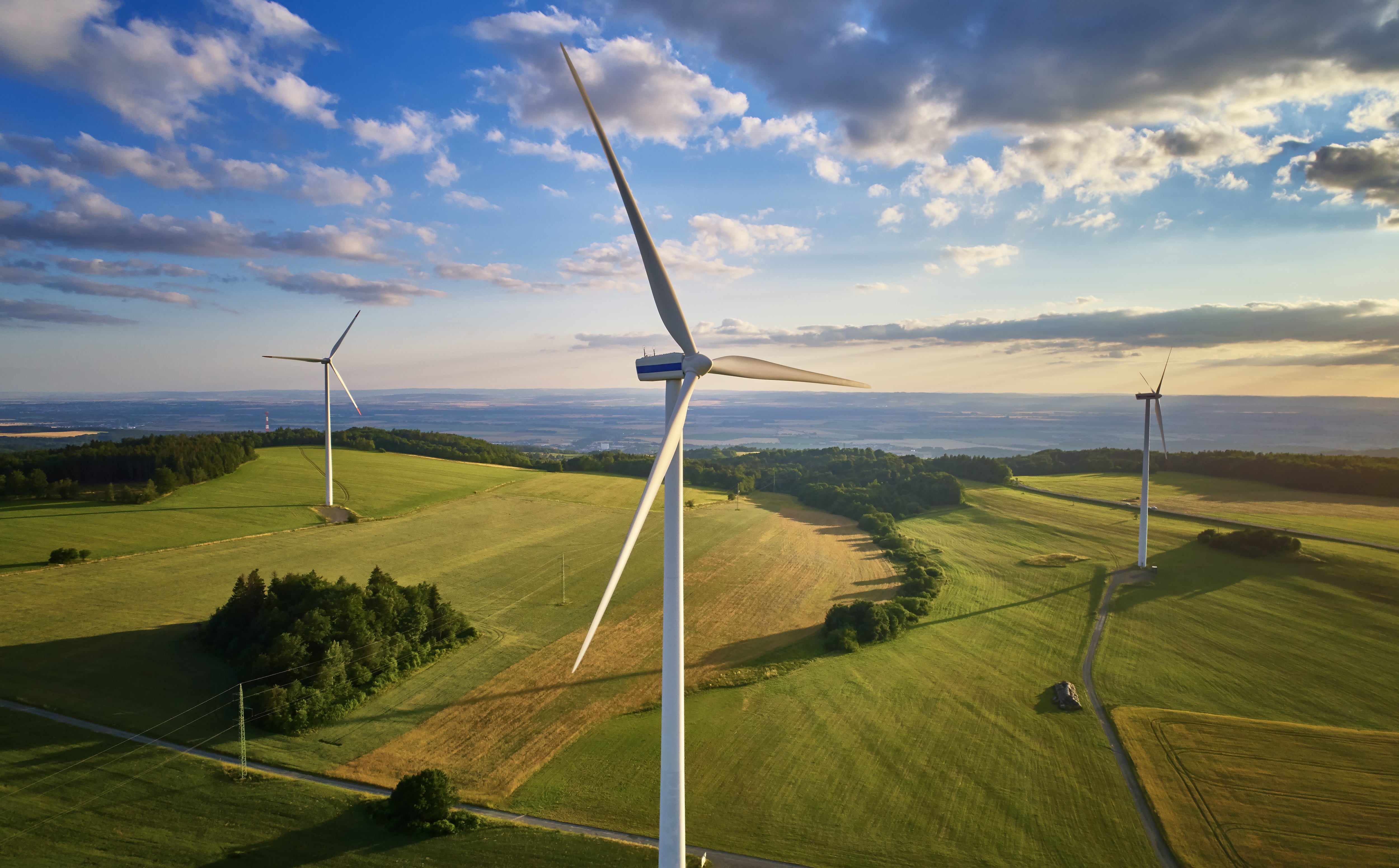
Solar panels in California and wind turbines in Indiana both produce clean, non-polluting electricity, but one of them consistently delivers greater benefits to the environment, according to new research from RASEI.
Congress is considering dueling proposals this summer. One would make daylight saving time permanent; another would make standard time permanent. Which is better? Or should we just keep changing our clocks? A sleep expert weighs in.
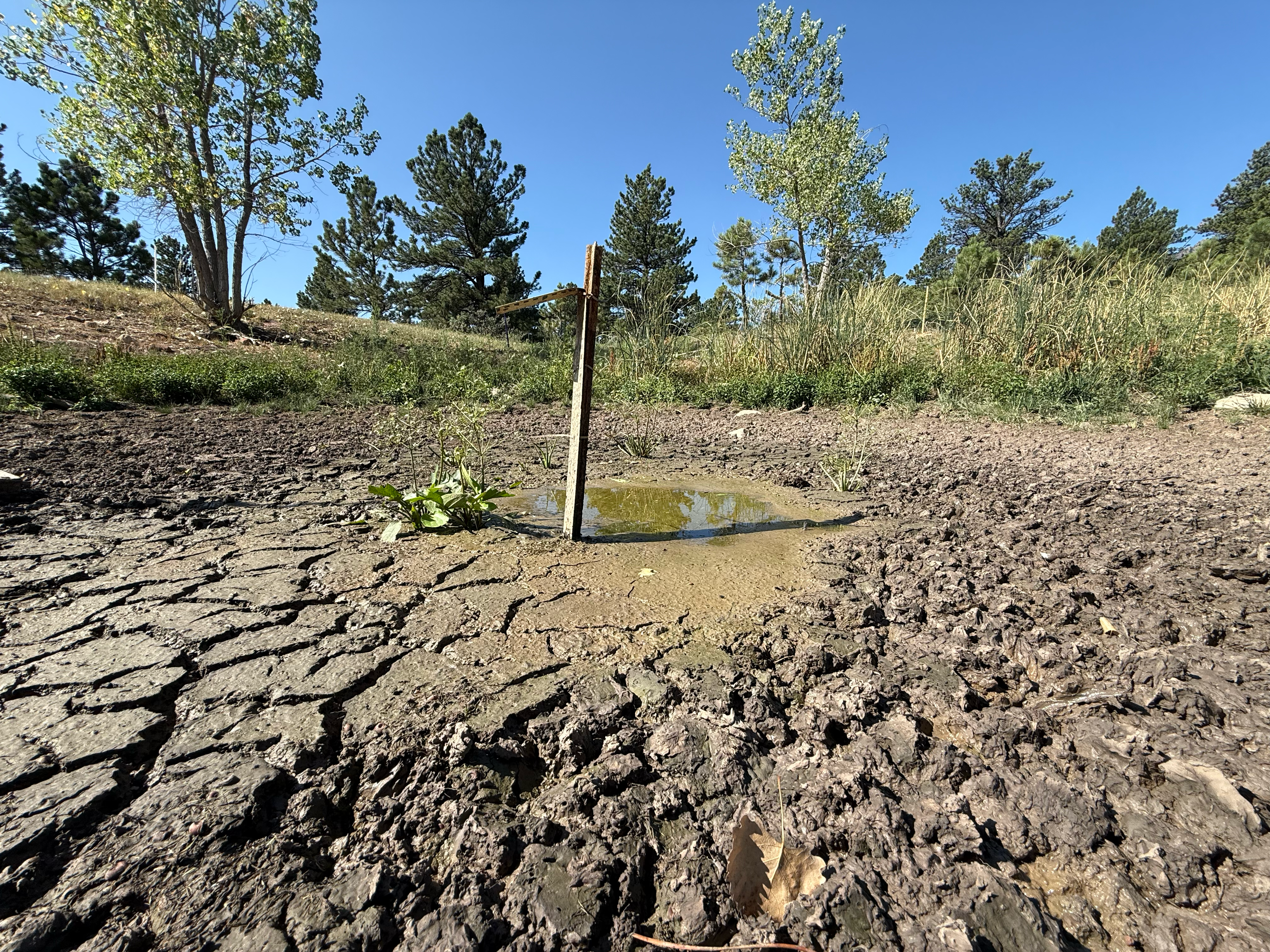
A woeful winter and searing spring have thrust a spotlight on climate journalism. The Water Desk, an initiative of CU Boulder's College of Communication, Media, Design and Information, helps reporters throughout the West cover complex water issues.