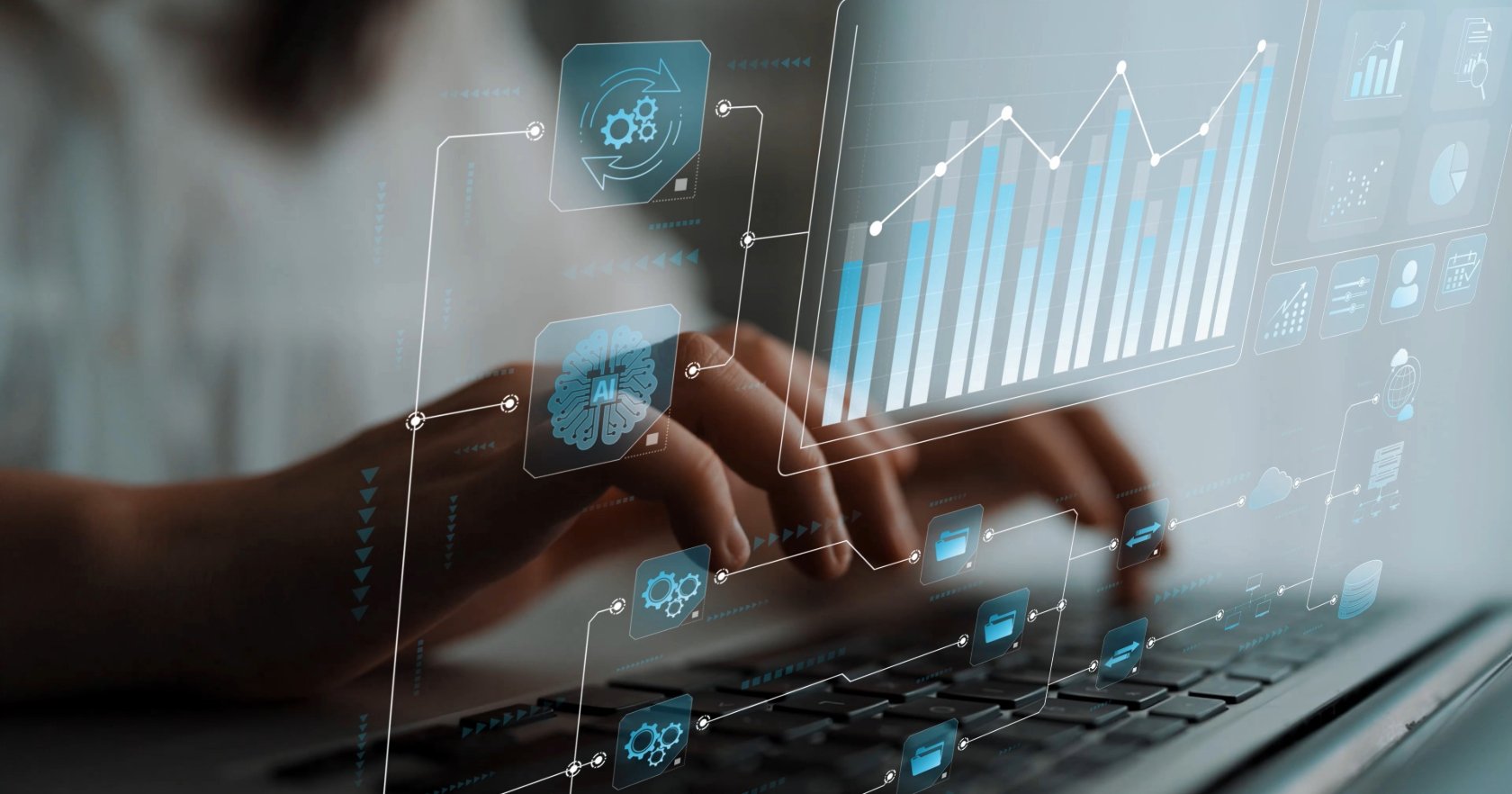
In the realm of materials science, there is a plethora of datasets and tools at our disposal - the issue is how to effectively make use of these resources in harmony. Researchers at the Advanced Institute for Materials Research (WPI-AIMR), Tohoku University, have identified major bottlenecks holding back artificial-intelligence-driven polymer innovation and created a system that integrates multipl
There is an elegant mathematical equation behind so many different natural phenomena. From the fractal pattern of a romanesco cauliflower sitting on a grocery store shelf to defining the flow of rivers - they all have underlying mathematical properties. The way heat propagates through one object to another also has a mathematical basis that is strikingly complex. Simulating how heat propagates thr
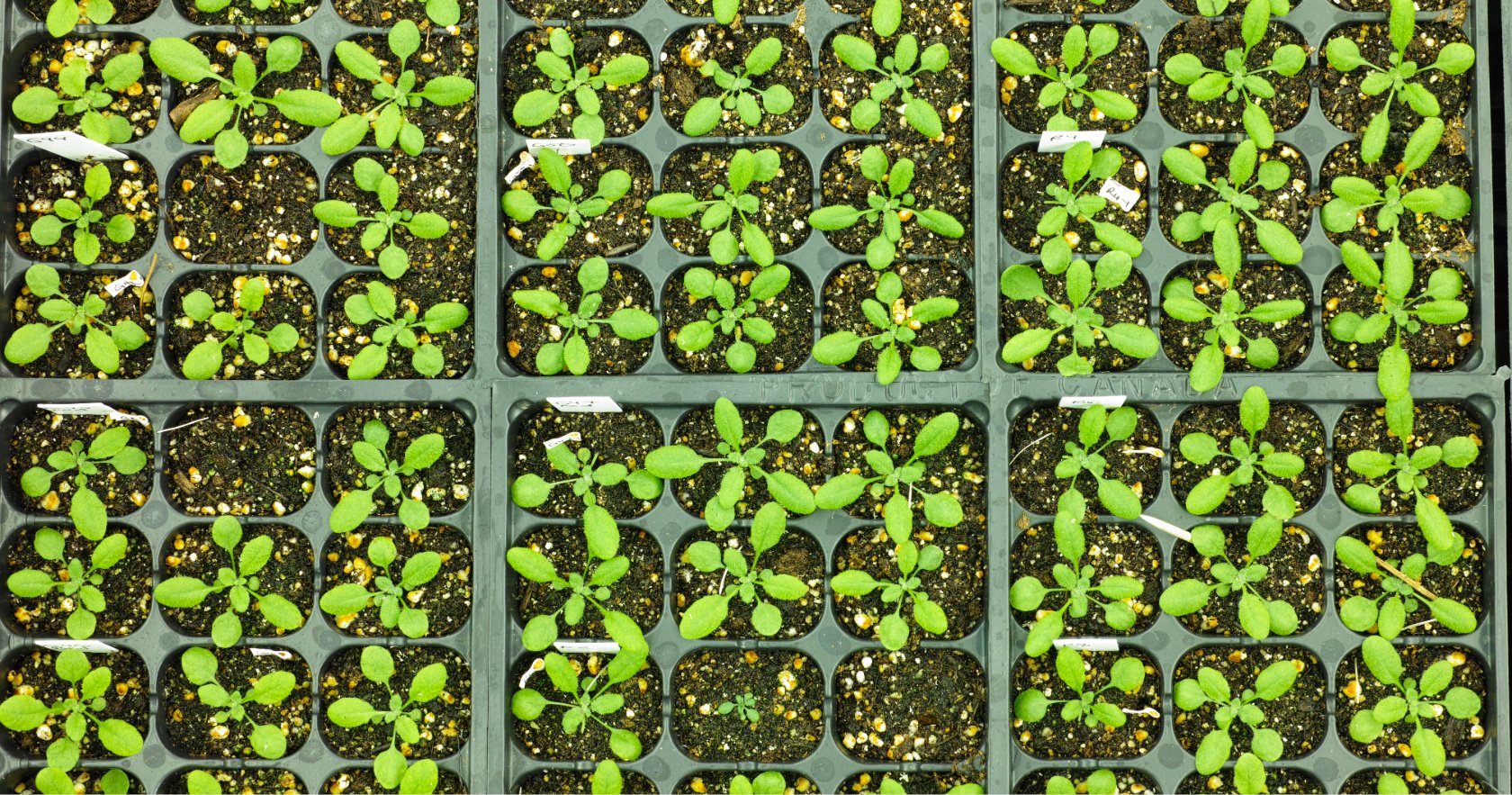
Potassium (K) is one of the three essential nutrients for plants. It plays a critical role in a wide range of processes, including cell growth, photosynthesis, and regulation of water balance. Plants take up K from the soil and circulate it throughout their bodies via molecules called K + channels. The function of one such K + channel (called AKT5) in the model plant Arabidopsis thaliana has remai
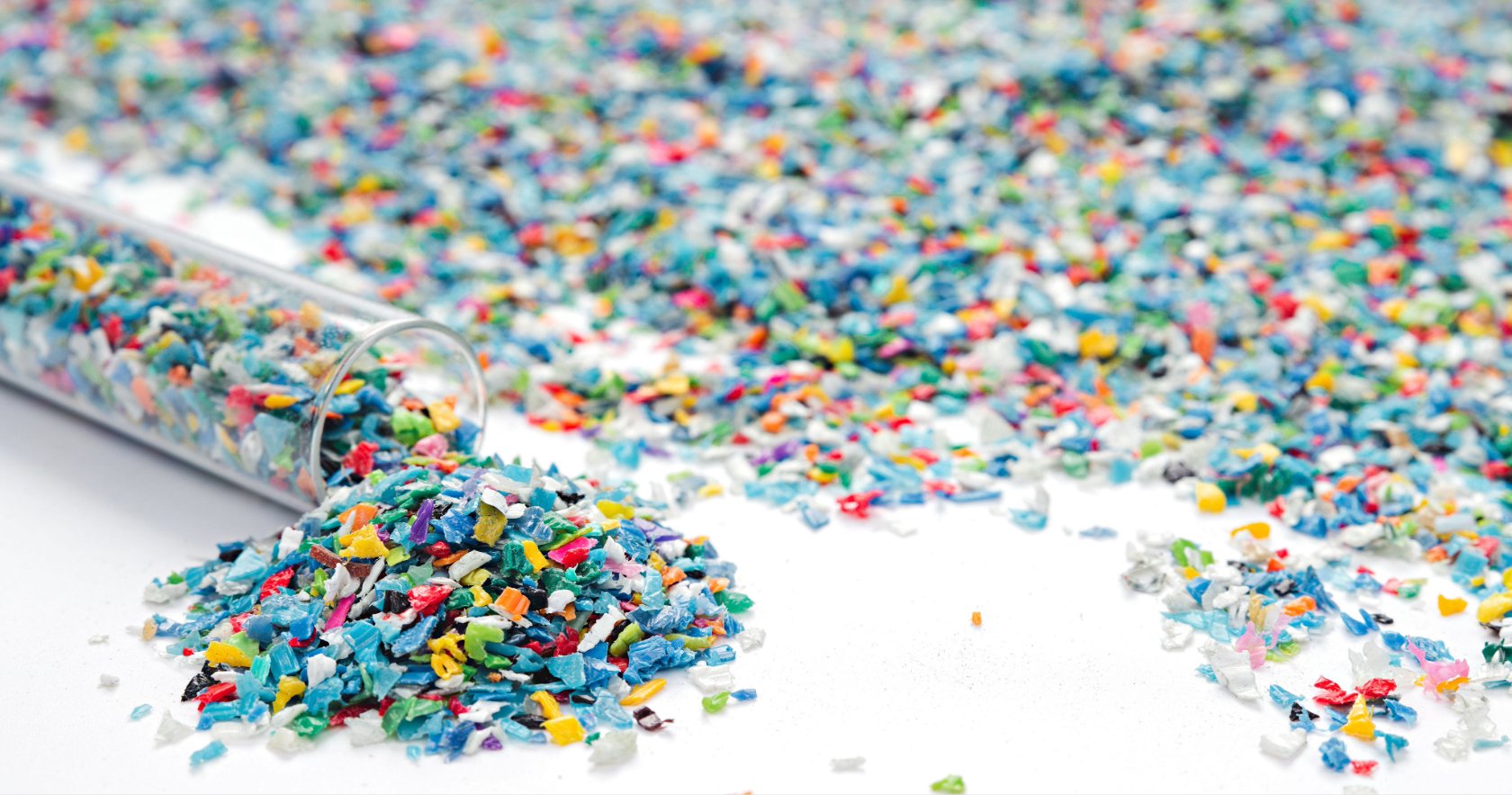
Plastic waste is one of the world's fastest-growing environmental problems. According to the Organisation for Economic Co-operation and Development's Global Plastics Outlook: Policy Scenarios to 2060 report, global plastic use is projected to nearly triple from 460 million metric tons in 2019 to 1.2 billion metric tons by 2060, if current trends continue. Our current approaches are struggling to k
"Micromixer" might just sound like a fancy name for a tiny blender, but mixing liquids at the microliter scale is no simple task. Micromixers are essential components of microfluidic devices that are widely used across the pharmaceutical, life sciences, chemistry, and materials engineering industries, where they rapidly and evenly combine tiny amounts of reagents. Three-dimensional (3D) microchann
Graphene is an exceptionally useful material for creating batteries, catalysts, and electronic devices. Yet producing graphene typically requires temperatures as high as 900°C, limiting energy efficiency and making structural control difficult. To make graphene production more practical, a recent study has overcome this long-standing temperature barrier. In a study published in the Journal of the
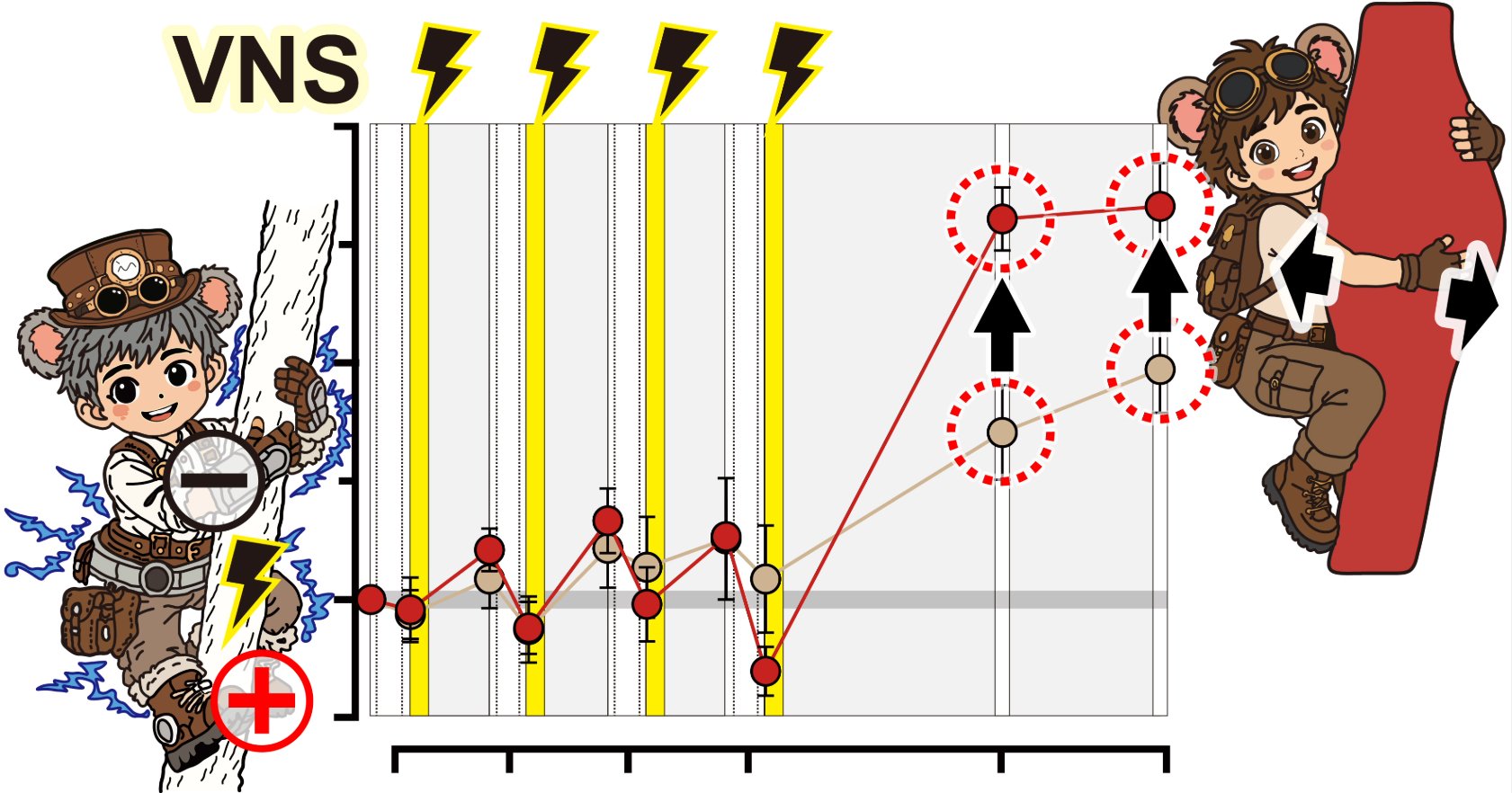
Do you ever feel like sometimes you can master a new dance step almost immediately, while other times you struggle to nail it despite repeated practice? This might be due to skill or effort, but also to something less obvious: whether the brain is in a state that allows learning to take hold. The brain does not learn in isolation from the rest of the body. Signals from internal organs continuously
Stem cells possess the unique ability to self-renew and transform into different types of cells. For example, rare hematopoietic stem cells found in bone marrow can become any type of blood cell. Throughout life, they can produce new blood cells to replace those lost because of infection, bleeding, or chemotherapy. However, as people and animals age, hematopoietic stem cells become less effective.
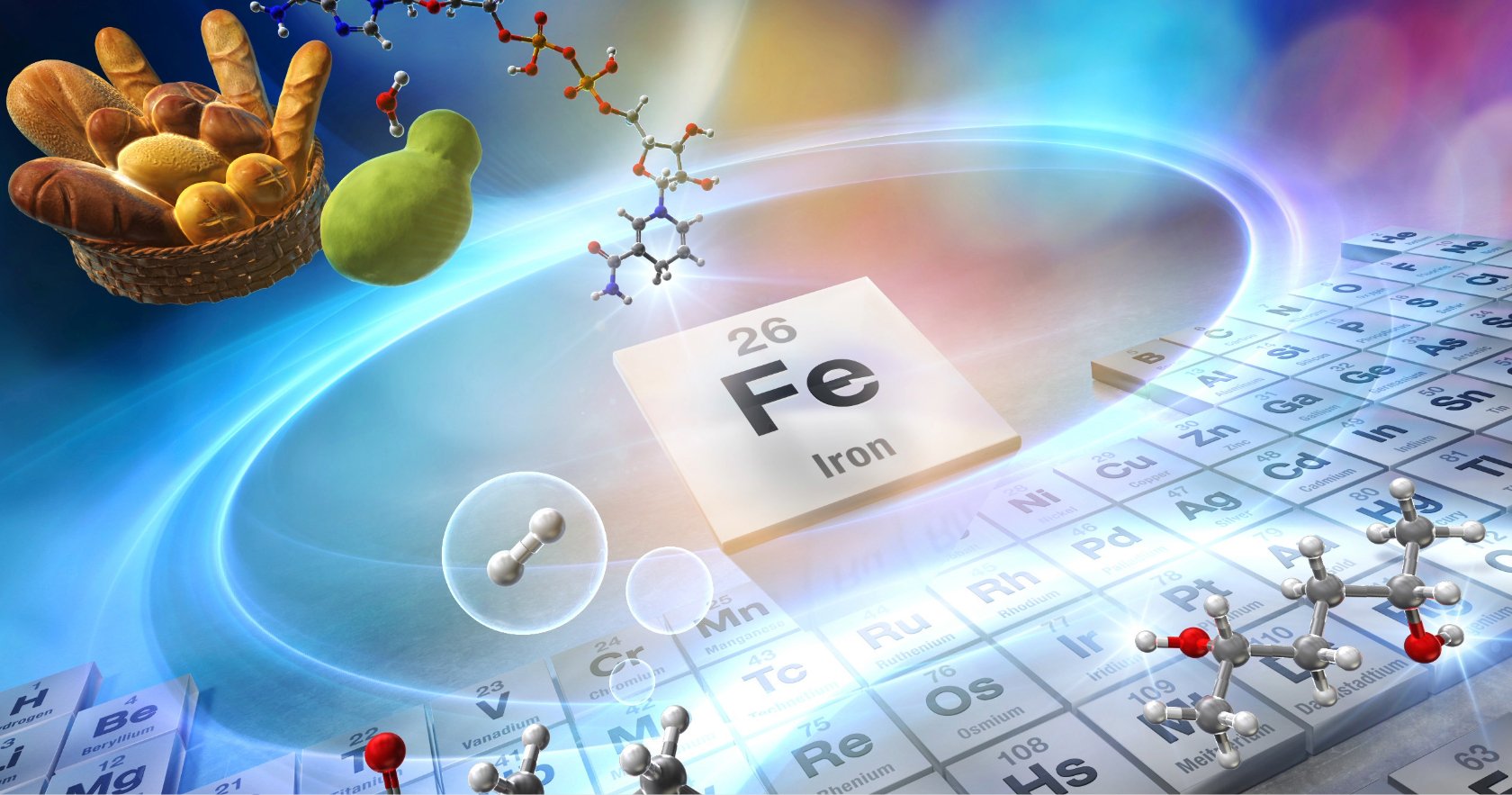
Hydrogen gas (H₂) is widely regarded as a promising clean energy source. By weight, it stores nearly three times more energy than gasoline, and its use does not directly release carbon dioxide (CO₂). Yet most H₂ is still produced from fossil fuels through CO₂-intensive processes. Storing and transporting this energy-rich gas are also costly and technically challenging. Therefore, developing sustai
Developing safer solid-state batteries requires replacing flammable organic liquid electrolytes with solid-state electrolytes (SSEs) that can conduct ions well, remain stable, and have suitable mechanical properties. As interest in SSEs has grown, so has the volume of research in the field. However, the reported data remain scattered across the literature and vary widely in format and completeness
Triple-negative breast cancer (TNBC) is one of the most aggressive and treatment-resistant subtypes of breast cancer, accounting for 15-20% of all cases. Unlike other breast cancers, TNBC lacks targetable receptors, leaving patients dependent largely on chemotherapy, with limited treatment options. Even immunotherapy - an approach that has transformed cancer treatment - benefits fewer than 20% of
Nearly 15 years after the Great East Japan Earthquake, many survivors are still living with the psychological effects of the disaster. A new study from Tohoku University has found that changes in trauma symptoms during the first two years after a disaster are a much better predictor of long-term mental health than a single assessment taken shortly after the event. Details of the findings were publ