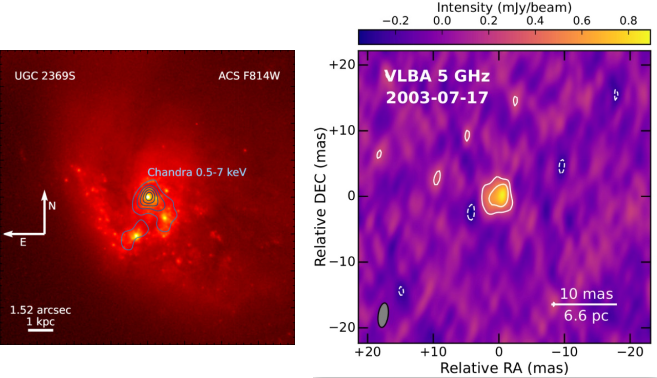
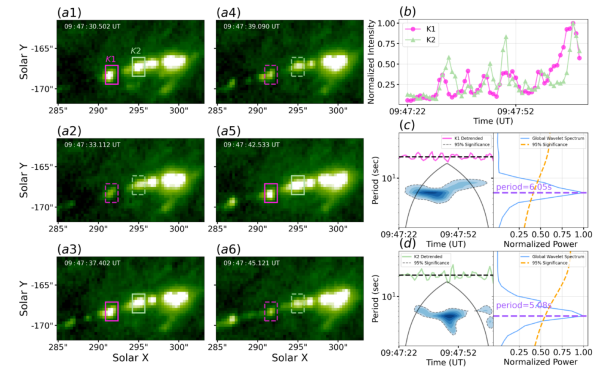
Galaxy mergers are an important process in the evolution of the universe, often causing supermassive black holes in the centers of galaxies to approach each other. Triple galaxy merger events are relatively rare in the universe and provide a unique sample for studying the co-evolution of galaxies and black holes.
Space & Astronomy#Chinese Academy of Sciences#科研进展#CAS#astronomy#astrophysics
Standard DNA barcodes are widely used in fields such as biodiversity protection and traceability due to their advantages of strong universal primer adaptability and low sequencing costs. For closely related species, complex taxa with frequent hybridization and recent radiation evolution, standard DNA barcodes cannot meet the needs of accurate identification due to limited sequence variation and insufficient resolution. Although the strategy of shallow genome sequencing to obtain the complete plastid genome (super barcoding) has improved the identification rate of some difficult taxa, the uniparental inheritance characteristics of the plastid genome make it limited in the analysis of introgressed taxa.
Boron plays an important role in glass and ceramic manufacturing, agricultural production and other fields. Although the salt lakes in Qinghai and Tibet are rich in liquid boron ore, the high-salt environment and the reactive inertness of boric acid molecules make efficient and selective extraction of boron challenging.
The start of the fall semester was marked by new places and faces.
Space & AstronomyMedical ResearchResearch#University of Wisconsin-Madison#Campus news#College of Letters & Science#learning#recent sightings#Student life#astronomy#astrophysics
Harmful algal blooms are an important environmental problem facing aquatic ecosystems, and nutrient levels are considered to be the core factor driving algal blooms. Research in recent years has found that serious algal bloom events may not occur in high-nutrient lakes, indicating that their formation is affected by complex environmental regulation and ecological feedback mechanisms.
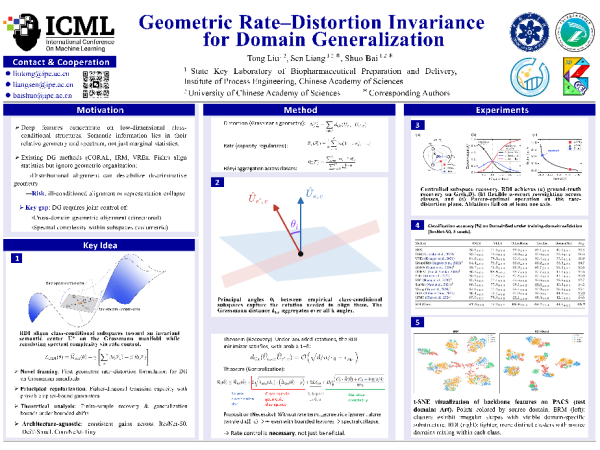
Deep learning models have excellent performance when the distribution of training data and test data are consistent. However, in practical applications such as brain-computer interfaces and medical imaging, they will be affected by factors such as individual differences in subjects, electrode/sensor drift, changes in acquisition equipment and clinical environment, and the data distribution will shift, resulting in a significant decline in model performance. In recent years, academic circles have developed a series of domain generalization algorithms using distribution alignment, adversarial training, and invariant risk minimization. However, most mainstream methods focus on matching edge distributions or gradient statistics between different domains, which can easily lead to alignment instability or even collapse under limited samples, restricting the cross-domain discrimination ability of deep learning models in real target domains.
Active galactic nuclei (AGN), powered by accreting supermassive black holes, and X-ray binaries (XRBs), powered by accreting neutron stars or stellar-mass black holes, are two representative classes of compact accreting systems. Relativistic collimated jets are among the most spectacular phenomena in these systems. Understanding how these powerful outflows are launched, accelerated, and collimated
Space & AstronomyAstronomy#Chinese Academy of Sciences#Research News#astronomy#astrophysics
Research NewsLawrence Berkeley National Laboratory
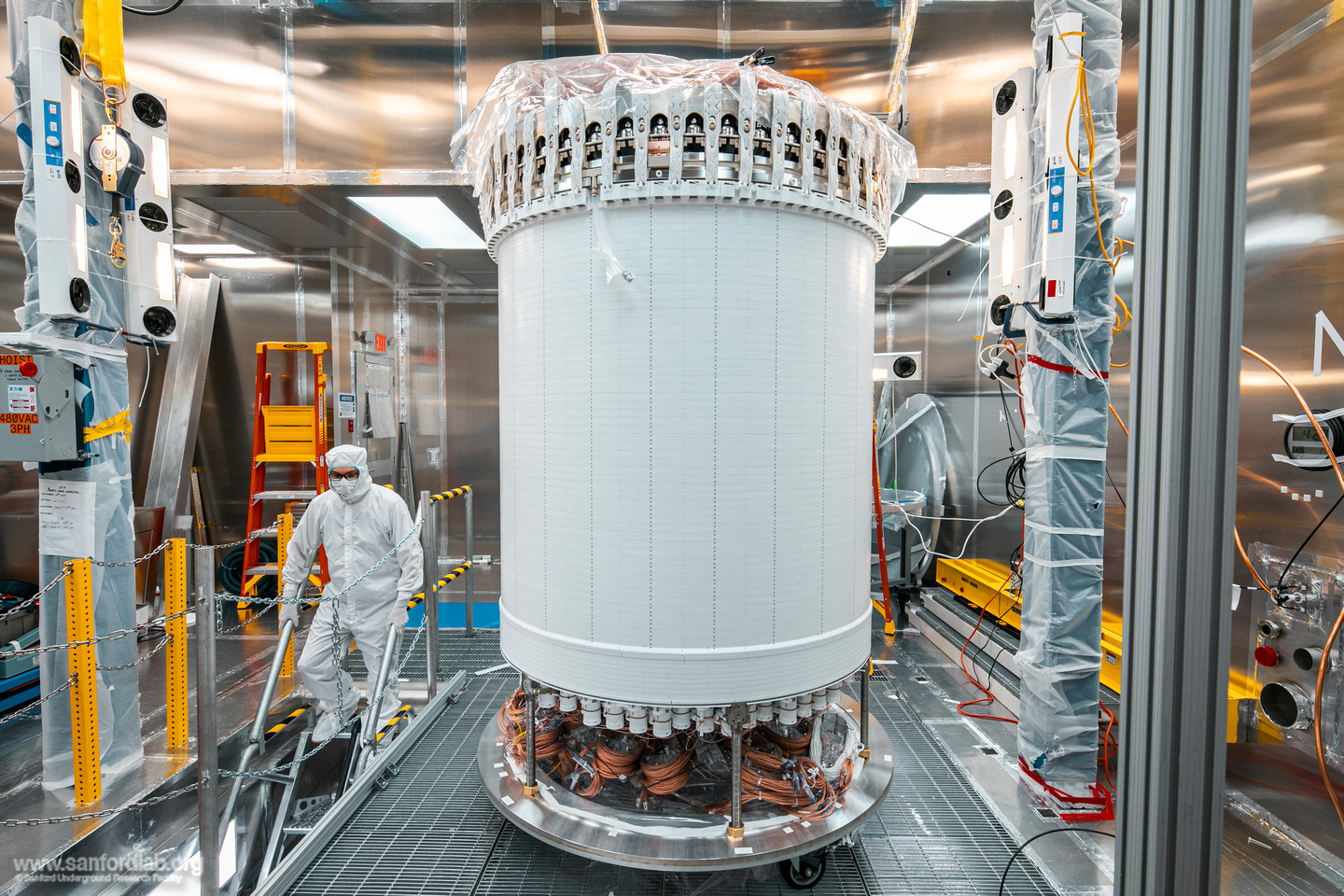
Key Takeaways Dark matter is the mysterious substance that accounts for the vast majority of matter in our universe. LUX-ZEPLIN (LZ) is a world-leading dark…
Physical SciencesPhysicsSpace & Astronomy#Lawrence Berkeley National Laboratory#Physical Sciences#Physics#astronomy#astrophysics#Particle Physics#High Energy Physics#genomics
University’s role as academic powerhouse on display as faculty and staff hold launch party
Research NewsSpace & Astronomy#Ohio State University#Campus#staff#Share on: X#More Ohio State News#View all headlines - More Ohio State News#astronomy#astrophysics
Where is Roman? Roman is making its three-month journey from Earth to Sun-Earth Lagrange Point 2, or L2. Along the way, Roman is undergoing a process called commissioning, where systems are turned on, adjusted, calibrated, and prepared for science operations. Commissioning is the time for scientists and engineers to make sure that Roman is performing […]
Space & AstronomyEnvironment & ClimateRoman Space Telescope#NASA#jmbrill#Science Mission#Roman Space Telescope#Stories#Nancy Grace Roman Space Telescope#astronomy#astrophysics
The universe has been having fewer and fewer stellar "babies". Over the past 4.5 billion years, the rate of star birth has crashed to less than half of what it once was. But here's the twist: the most essential "fuel" for making stars has barely decreased. This finding comes from an international team led by researchers from the Chinese Academy of Sciences (CAS), in collaboration with the Dark Ene
Space & AstronomyTelescopesSatellites#Chinese Academy of Sciences#Research News#Telescopes#Satellites#astronomy#astrophysics
Researchers use atomic data to measure distinct cosmic elements
Research NewsSpace & AstronomyEnvironment & Climate#Ohio State University#Science#astronomy#Share on: X#More Ohio State News#View all headlines - More Ohio State News#astrophysics#climate
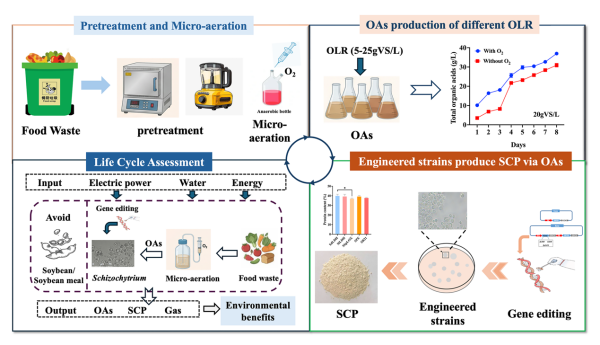
As residents' daily living standards continue to improve, the demand for high-quality protein in farming and other fields has increased significantly, and the supply is insufficient. At the same time, urban food waste production is large, and traditional disposal processes have high carbon emissions, low resource conversion efficiency, and high energy consumption. The protein supply gap and the problem of food waste disposal are superimposed, and there is an urgent need to build efficient and coordinated resource solutions.
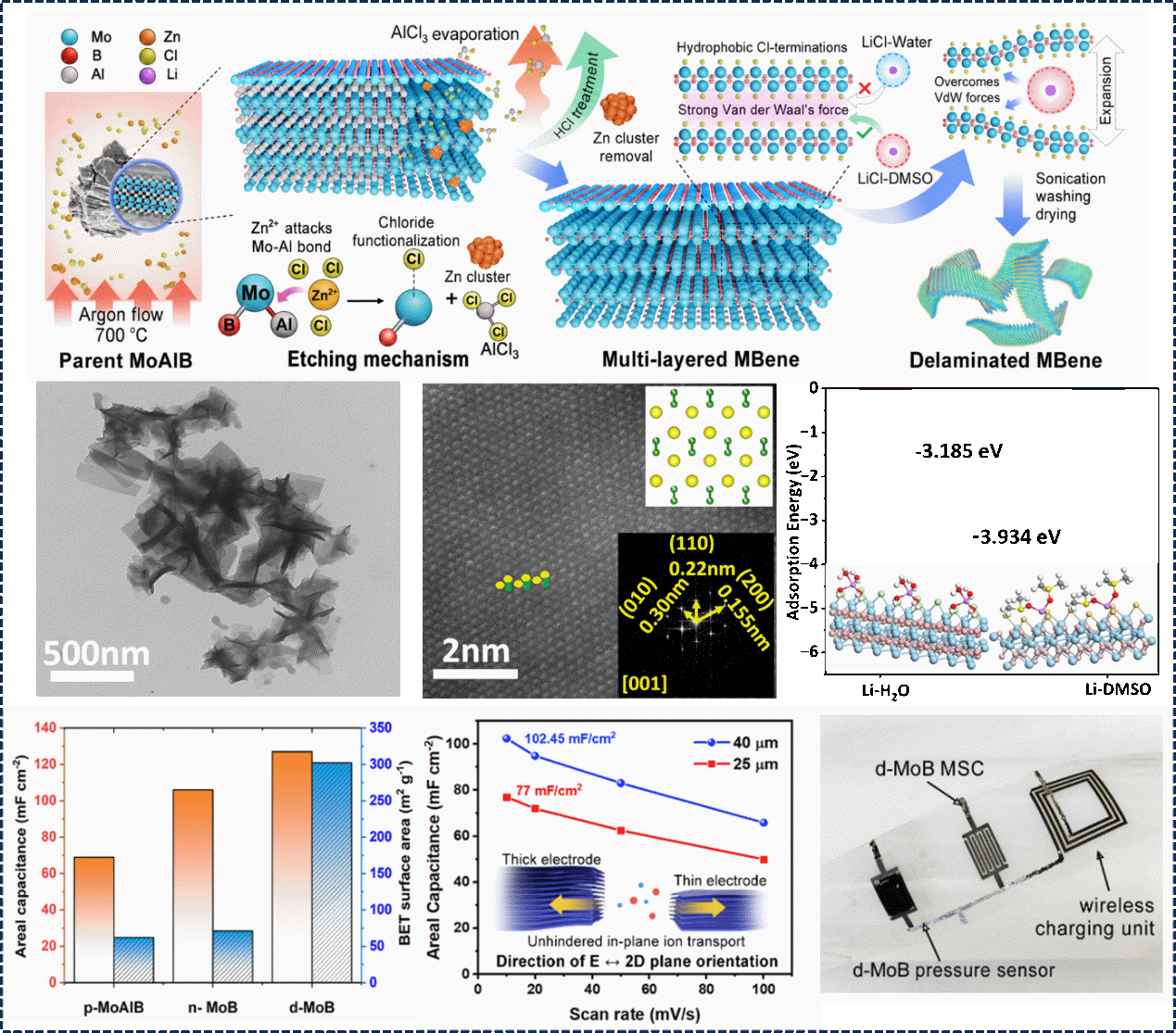
Two-dimensional transition metal borides have broad application prospects in the field of electrochemical energy storage due to their unique electronic structure, high conductivity and rich surface chemical properties. Molybdenum boride (MoB) can be obtained by selectively etching away the aluminum (Al) layer in layered molybdenum aluminum boron (MoAlB). However, this method often faces problems such as incomplete removal of Al and re-stacking of MoB layers after etching, making it difficult to fully peel off the two-dimensional nanosheets. This will reduce the available surface area of the material and prevent electrolyte ions from entering the interlayer active sites, thus restricting the performance of MoB in high-rate energy storage devices.
Research#Chinese Academy of Sciences#科研进展#CAS
Research NewsUniversity of Minnesota Medical School
An interdisciplinary Medical School team is studying whether renal denervation can offer a new option for patients whose high blood pressure remains uncontrolled on medication.
Space & AstronomyMedical ResearchResearch#University of Minnesota Medical School#UMN Medical School#Faculty#Patient Care#research#astronomy#astrophysics#medical research
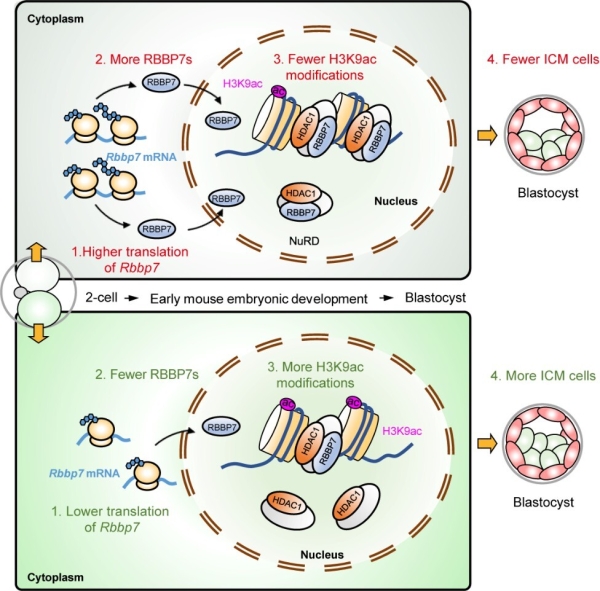
The first cell fate decision of a fertilized mammalian egg is a core scientific issue in developmental biology and is also relevant to embryo quality assessment in assisted reproduction. Although previous studies have revealed that the two-cell stage non-coding RNA LincGET mediates fate bias, the key protein factors that regulate this process have not yet been identified.
Recently, the National Space Science Center of the Chinese Academy of Sciences has conducted research on the problem of determining the surface geometric parameters of the coronal magnetic field source. It analyzed the forward and inverse problems of the potential field source surface model (PFSS) from the perspective of free boundary problems and shape optimization, and combined with the near-solar in-situ observations of the PSP satellite to construct a source surface radius optimization algorithm. This study used ACE satellite observations for independent verification to reveal the overall trend of optimal source surface radius changes with solar activity and the trade-off relationship between different observation indicators.
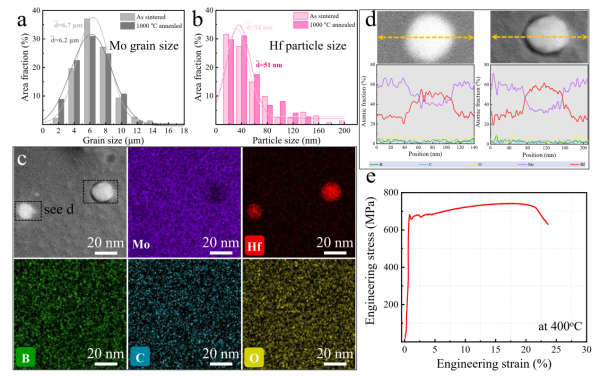
Recently, the Hefei Institute of Physical Sciences, Chinese Academy of Sciences, has made progress in the research of high-performance molybdenum alloys. By designing a solid-state reaction, the research team used HfB 2 to react with impurity oxygen in molybdenum powder to form high-density, highly thermally stable and evenly distributed nano-Hf particles inside the molybdenum grains. This solved the problem of traditional dispersed particles being prone to agglomeration and coarsening, and achieved a synergistic improvement in the strength, plasticity and high-temperature stability of molybdenum alloys.