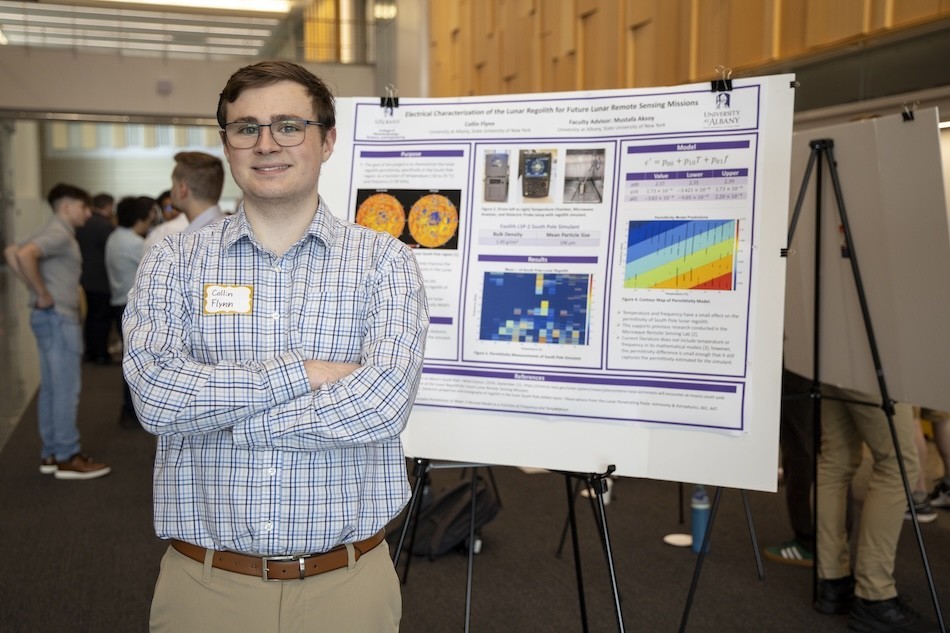
UAlbany sophomore Collin Flynn spent his summer studying the electrical properties of moon soil in support of ongoing efforts to get humans back to the moon, thanks to a 10-week research opportunity provided through the College of Nanotechnology, Science, and Engineering's Summer Undergraduate Research Program.
ResearchEnvironment & ClimateTechnology & Innovation#University at Albany#research#climate#decarbonization#advanced materials#innovation
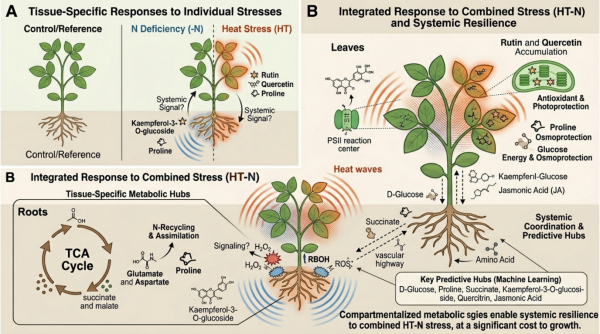
A new study has recently revealed how soybean roots and leaves employ distinct metabolic strategies under nitrogen deficiency and high-temperature stress, which may help guide the development of soybean varieties with enhanced heat tolerance and improved nitrogen-use efficiency. Led by Associate Prof . Mohsin Tanveer from the Xinjiang Institute of Ecology and Geography (XIEG) of the Chinese Academ
Environment & ClimateClimate#Chinese Academy of Sciences#Research News#climate#decarbonization
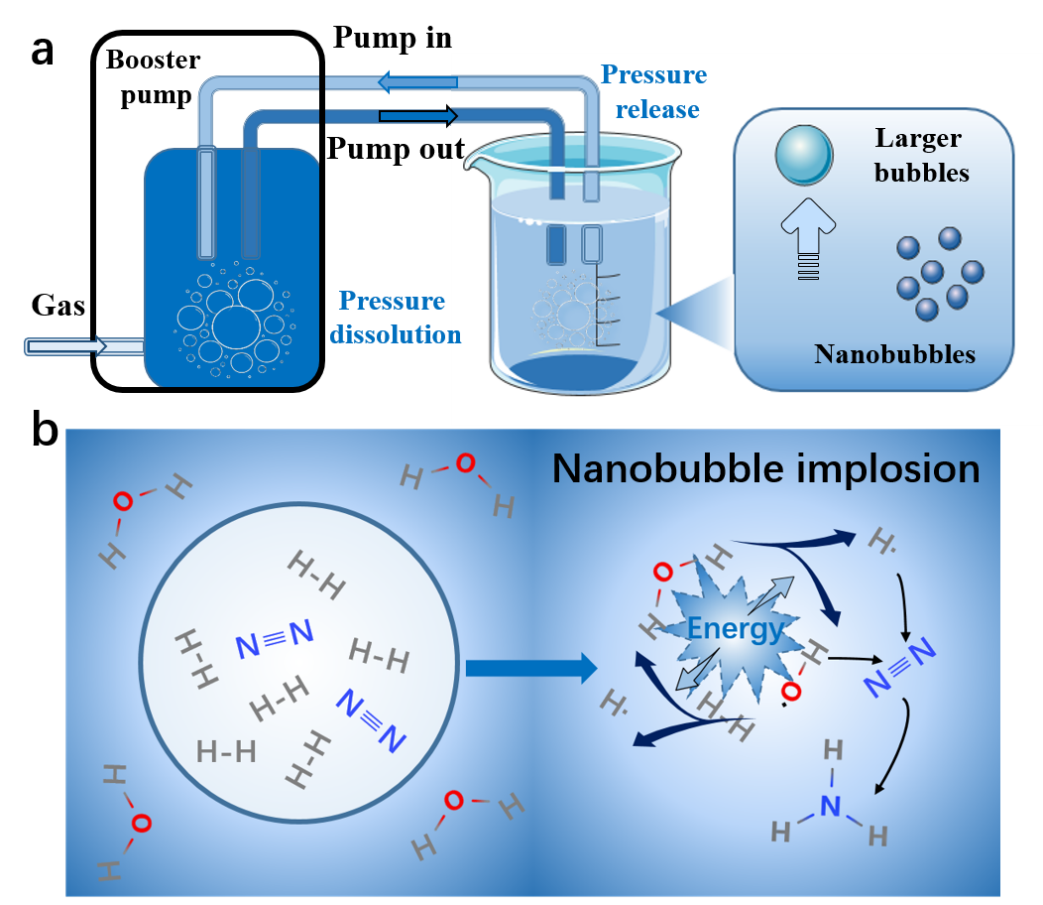
Ammonia is a cornerstone of global agriculture and a promising carrier for renewable energy storage. Yet nearly all of it is still produced via the Haber‑Bosch process, which operates above 400 °C and 200 atm, consumes about two percent of global energy, and emits large amounts of carbon dioxide. That is why finding a greener route under mild conditions has become a major challenge in chemistry an
Environment & ClimateNanotechnologyChemical Engineering#Chinese Academy of Sciences#Research News#Nanotechnology#Chemical Engineering#climate#decarbonization