Thirteen percent of U.S. children aged 3–17 have a diagnosed mental or behavioral health condition, and American youth suicide rates far exceed those of peer countries. But the popular story — a sudden, smartphone-driven collapse — doesn't fit five decades of data. This series examines where the crisis comes from, which interventions demonstrably help, and what we still need to learn.
ResearchMedical Research#Yale University#research#Yale#Yale News#medical research#clinical research
Visual artists can consult a digital color wheel to test relationships between different shades. Audio engineers can alter soundwave frequencies to create complex tones and harmonies. But no digital tools exist that can predict how people will perceive the blend of scents wafting from a steaming cup of coffee or a freshly baked apple pie.
Research#Yale University#research#Yale#Yale News
Research NewsUniversity of Minnesota Medical School
A University of Minnesota-led multi-institutional research team has discovered a highly potent small molecule that blocks Ebola virus entry by stabilizing the virus's entry protein and provides strong protection when given orally in a preclinical model.
Medical ResearchLife SciencesResearch#University of Minnesota Medical School#UMN Medical School#research#medical research#clinical research#genomics#biology
President and Vice-Chancelor Marie-Eve Sylvestre is among five University of Ottawa researchers elected as fellows of the Royal Society of Canada (RSC) or members of its College of New Scholars, Artists and Scientists, one of Canada’s highest academic honours.
As more individuals with cerebral palsy live well into adulthood, medical professionals are taking a closer look at the unique long-term healthcare needs of this patient population. While adults with cerebral palsy require the same routine health maintenance as anyone else, a large, national study conducted at Yale showed that women living with cerebral palsy received significantly less preventati
ResearchMedical Research#Yale University#research#Yale#Yale News#medical research#clinical research
Being able to speak a mother tongue when living in Diaspora allows the strengthening of social bonds among immigrant communities as well as the maintenance of strong cultural identities. But what happens to the language when the younger generations do not speak it? How do they connect with their parents and communities? A new article by SIS Professor Claudine Kuradusenge-McLeod explores the impact
Research#American University#Research News#Research · September 4#research
In addition to being professor at UTHealth Houston School of Public Health, Jack Tsai, PhD, is the founding editor-in-chief of an international, peer-reviewed journal publishing the latest mental health research, whic has earned an impact factor score of 9.1 this year.
As you walk onto the stage to perform a piano solo, you hear the echo of your shoes on the stage floor. You shield your eyes from the bright lights and take your seat at the grand piano.
Research#University of Michigan#Arts / Culture#Health#News Releases#Science & Technology#music#smtd#virtual reality
Smartwatches can provide useful health information, but many of those numbers are algorithmic estimates rather than direct measurements of the body, and some outputs are more accurate than others, a new University of Michigan study found.
Research#University of Michigan#Health#News Releases#Science & Technology#Data#sensor#Michigan News
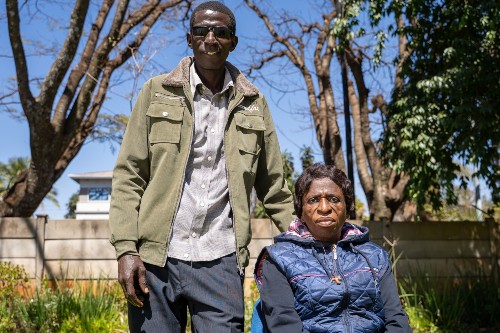
Life expectancy is rising more rapidly in Africa than in any other continent globally. A new University of Bristol-led study, published in The Lancet Regional Health - Africa, has shown that the age at which people are diagnosed with tuberculosis in Zimbabwe increased by approximately 12 years over a 24-year period. The findings highlight the need to adapt tuberculosis services to an ageing population.
ResearchMedical Research#University of Bristol#Health#International#research#Faculty of Health and Life Sciences#Bristol Medical School#Institutes#Elizabeth Blackwell
An international study of more than a million people has substantially advanced our understanding of how genetic differences contribute to our personalities. The findings, published in Nature, could help scientists understand why certain personality traits are linked to differences in health, wellbeing and life outcomes.
ResearchPress ReleasesMedical Research#University of Bristol#research#Faculty of Health and Life Sciences#Bristol Medical School#MRC Integrative Epidemiology Unit#Press Release#Bristol#medical research