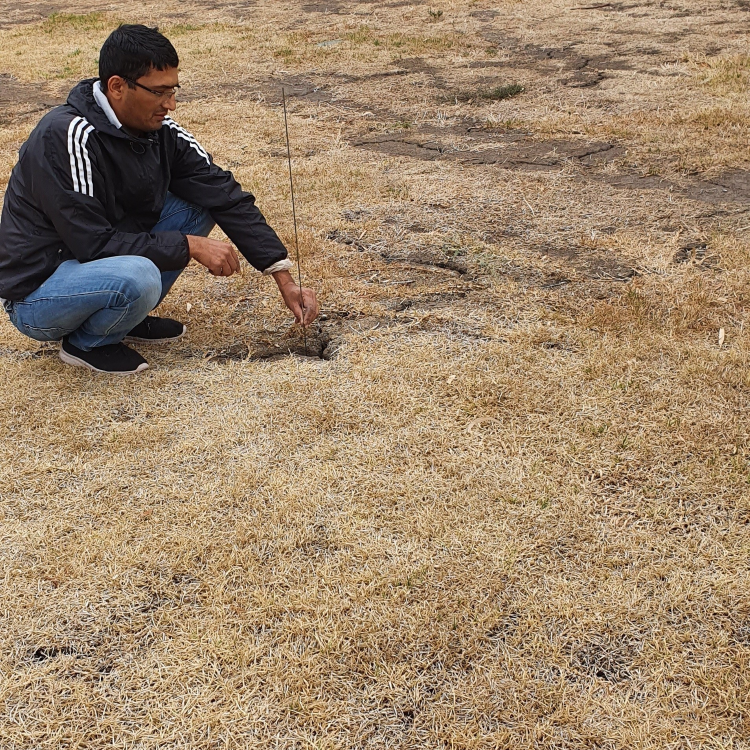
Drier climates are exacerbating an expensive problem for millions of Australians whose homes sit on expansive soils prone to shrinkage cracks, which have already cost insurance companies and individuals billions of dollars in damage bills. A new study by Adelaide University, using computer modelling and field observations, shows that homes are more vulnerable to damage than previously thought, and climate change is expected to worsen the problem in coming years. With 20-30% of Australian surface
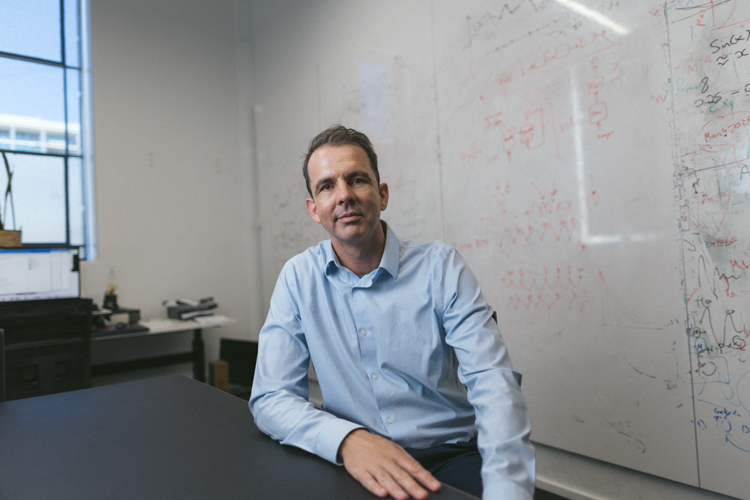
An international search will begin for the new Director of Adelaide University's Australian Institute for Machine Learning, as Professor Simon Lucey steps down from 7 September.
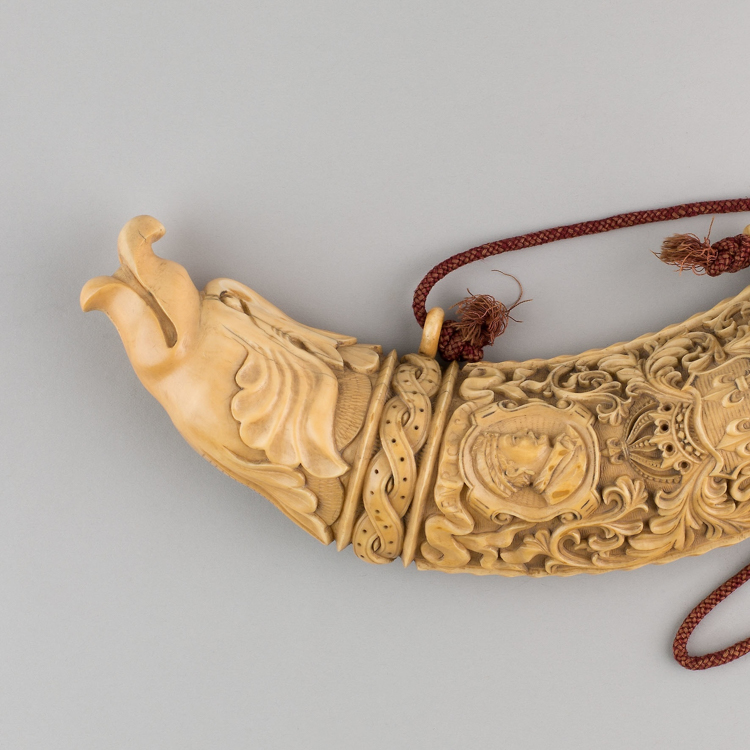
While most Australians assume the ivory trade ended decades ago, Adelaide University research has found an active collectors' market exists online, with most listings showing no proof the items are legal.
Nearly two-thirds of Australian children surveyed in a recent study have received at least one form of grooming-related communication from a stranger online in the past year, while almost one-third reported receiving direct requests for sexual information or interactions.
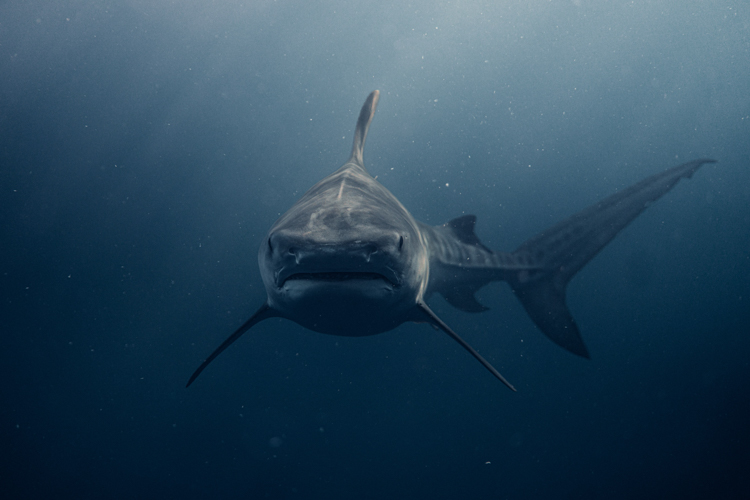
New research from Adelaide University has found people who have more realistic understanding of shark behaviour, have a more positive view towards their conservation.
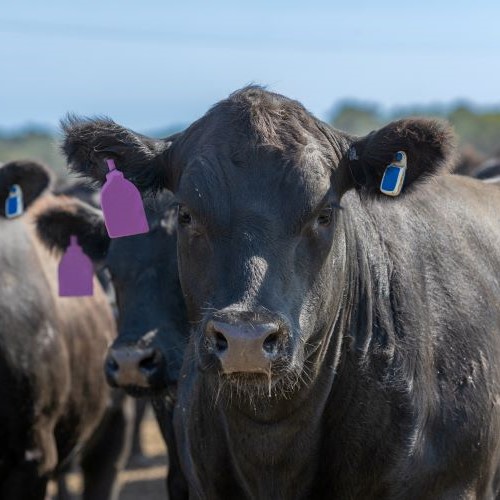
New research involving more than one million Australian feedlot cattle has found that the strongest predictors of death from bovine respiratory disease (BRD) are established before animals even enter the feedlot, highlighting the importance of preventive measures on source properties.
ResearchMedical Research#Adelaide University#Adelaide#medical research#clinical research
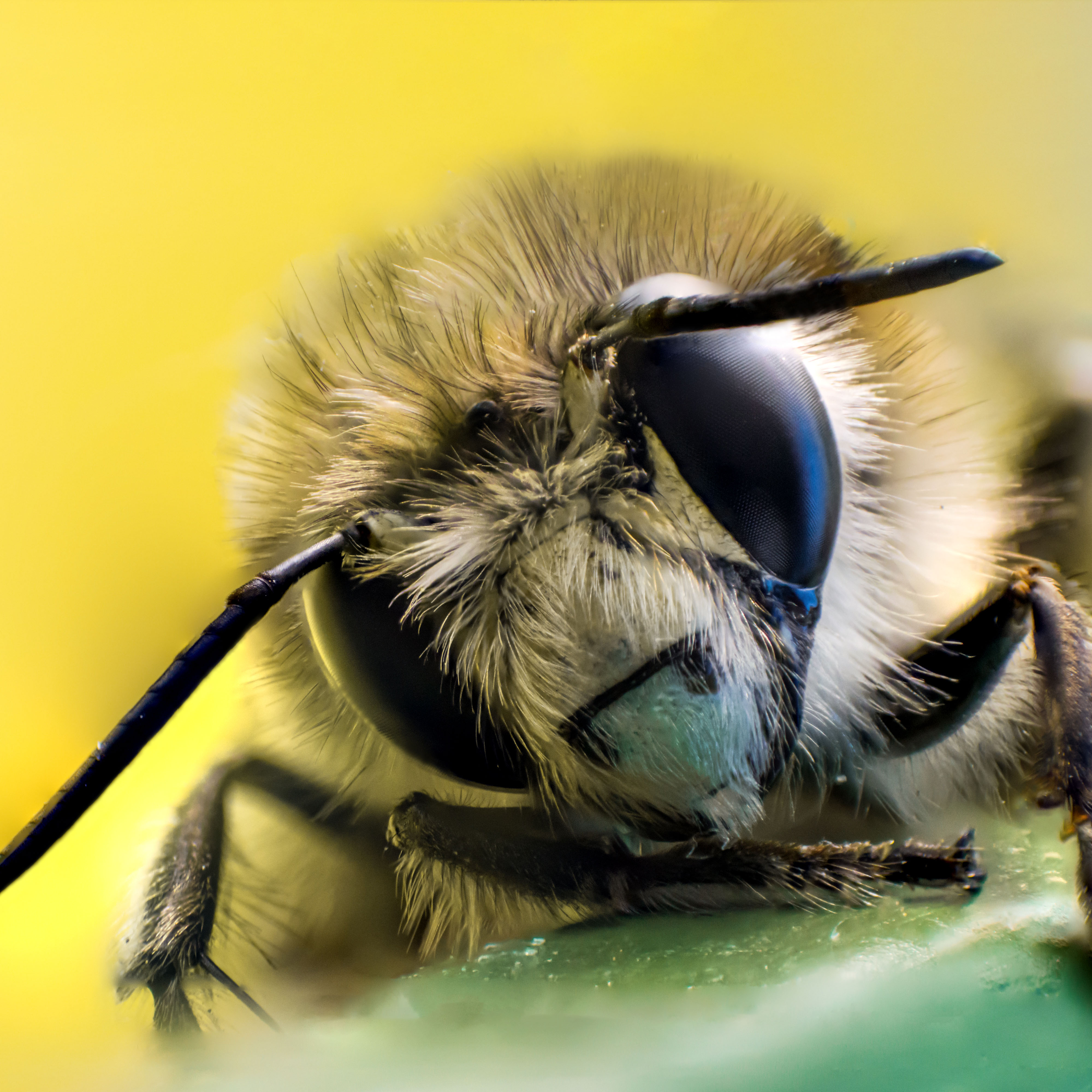
Honey bees have long been the model species for studying insect vision. However, new research shows that several smaller bee species might actually have sharper eyesight.
The fossil dates from around 560 million years ago, during the Ediacaran Period, when complex forms of life first appeared on Earth. The fossil, known as Charnia , looks more like a fern than anything we would recognise as an animal today.
Research#University of Cambridge#Sarah Collins#Fossils#Evolution#Ediacaran#Palaeontology#Animals
The StartBlue Ocean Enterprise Accelerator program led by Scripps Institution of Oceanography and the Rady School of Management at UC San Diego is welcoming its newest cohort of innovators ready to take their ocean-related ideas to the next level.
ResearchParticle PhysicsEnvironment & Climate#University of California San Diego#UC San Diego#UCSD Today#Particle Physics#High Energy Physics#climate#decarbonization
The university ranks No. 6 among U.S. public universities in undergraduate founders, jumping nine spots in overall undergraduate ranking from last year.
Research#University of Wisconsin-Madison#Campus news#Entrepreneurship#provost#rankings#chancellor.wisc.edu#provost.wisc.edu
The woolly dog pelt will be on loan from the Smithsonian Institution to the Museum of Anthropology (MOA) from September 2026 to August 2027.
Society & CultureResearch#University of British Columbia#UBC News#Media Releases#Society & Culture#Faculty of Arts#Jordan Wilson#Museum of Anthropology#Nurture a strong and vibrant UBC community
SEP 08, 2026 | Russ Nelson (L – R) Dr. John Bennewitz works with graduate student Noah Hudson in the Johnson Research Center. Michael Mercier | UAH The fuels of tomorrow could burn faster, cleaner and more efficiently, thanks to research at The University of Alabama in Huntsville (UAH), a part of The University of Alabama System. Dr. John Bennewitz, an assistant professor in the Department of Mechanical and Aerospace Engineering at UAH, has received a $599,927 National Science Foundation (NSF) F
Research#University of Alabama in Huntsville#Newsroom#Argonne National Laboratory