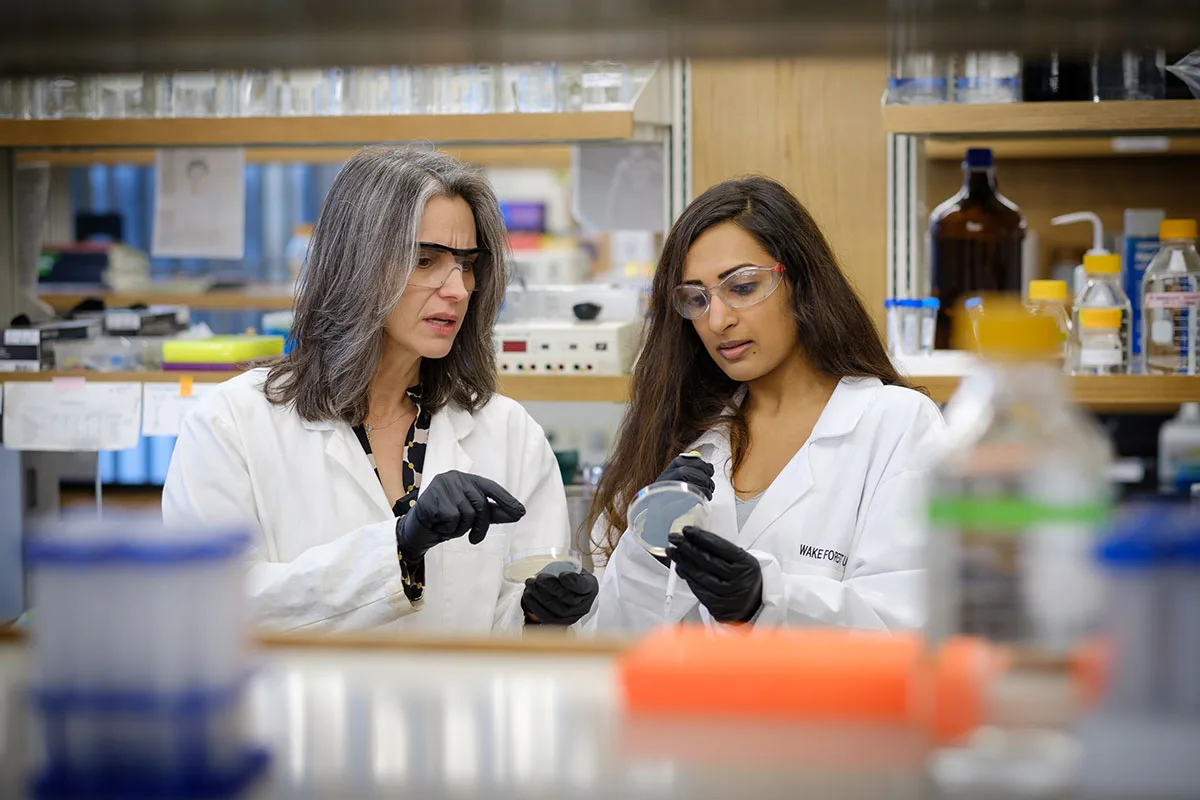
In her new leadership role, Chiappinelli will build cancer research programs while continuing her work on how ancient viral DNA can trigger anti-tumor immune responses.
Medical ResearchLife Sciences#George Washington University#Research News#SMHS#medical research#clinical research#genomics#biology
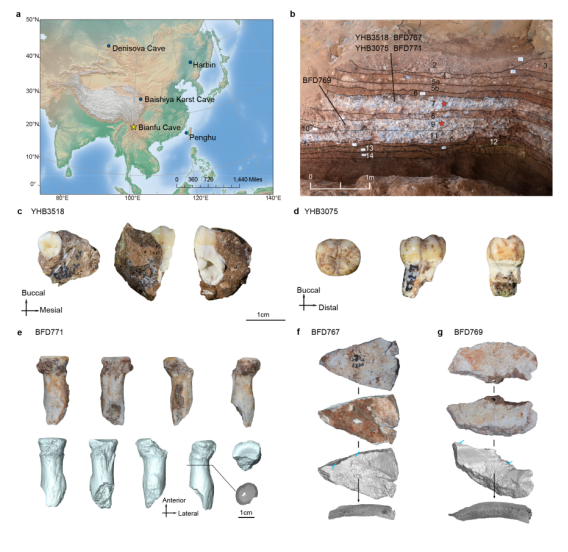
Scientists recently discovered various Denisovan remains in Southwest China dating back to the late Middle Pleistocene, including the first Denisovan radius—one of two long bones in the forearm. Denisovans are a genetically identified archaic hominin group believed to have been widely distributed across Asia. However, due to the limited number of fossil remains, especially postcranial bones—those
Life SciencesEnvironment & ClimatePaleontology#Chinese Academy of Sciences#Research News#paleontology#genomics#biology#climate#decarbonization
Research NewsUniversity of Minnesota Medical School
A University of Minnesota-led multi-institutional research team has discovered a highly potent small molecule that blocks Ebola virus entry by stabilizing the virus's entry protein and provides strong protection when given orally in a preclinical model.
Medical ResearchLife SciencesResearch#University of Minnesota Medical School#UMN Medical School#research#medical research#clinical research#genomics#biology
Understanding how domestication reshapes brain structure and function remains a fundamental question in evolutionary biology. The hippocampus is a key brain region involved in memory and stress regulation, and it has been thought to undergo "simplification" during domestication. However, the cellular mechanisms underlying these changes remain poorly understood. In a study published in PNAS on Sept
Life SciencesEvolution#Chinese Academy of Sciences#Research News#Evolution#genomics#biology
The human body is a marvel of remake and renewal. We regularly replace some of our estimated 37 trillion cells – about 300 billion or 1 percent of our cells each day - with healthy substitutes. We remove damaged or aging, senescent cells and cellular debris from our organs and tissues every second of the day. How important is it that cellular waste be properly removed?
Medical ResearchLife SciencesEnvironment & Climate#University of Minnesota Medical School#UMN Medical School#Immunology#medical research#clinical research#genomics#biology#climate
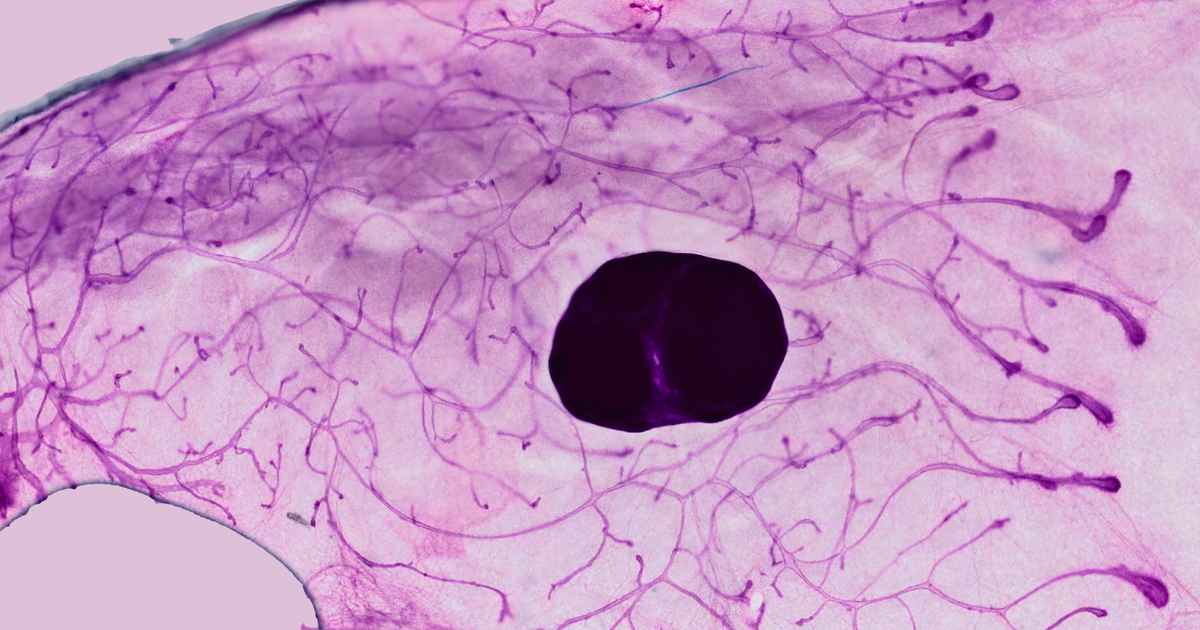
Researchers at the Swammerdam Institute for Life Sciences (SILS) of the Faculty of Science have uncovered how mammary-gland cells decide when to activate Wnt4, a gene with a central role in mammary-gland development. Their findings reveal how distant stretches of non-coding DNA work together in three dimensions to control gene activity.
Medical ResearchLife Sciences#University of Amsterdam#medical research#clinical research#genomics#biology