Converting carbon dioxide ( CO 2 ) into glucose, myo-inositol, sucrose, starch and other valuable products has been considered an achievable process mainly through plant photosynthesis. Combining photocatalysts with carbon-fixing microorganisms faces challenges, including incompatible reaction environments, light-induced microbial damage and inefficient connections between upstream carbon fixation
Environment & ClimateCarbon Neutrality#Chinese Academy of Sciences#Research News#Carbon Neutrality#climate#decarbonization
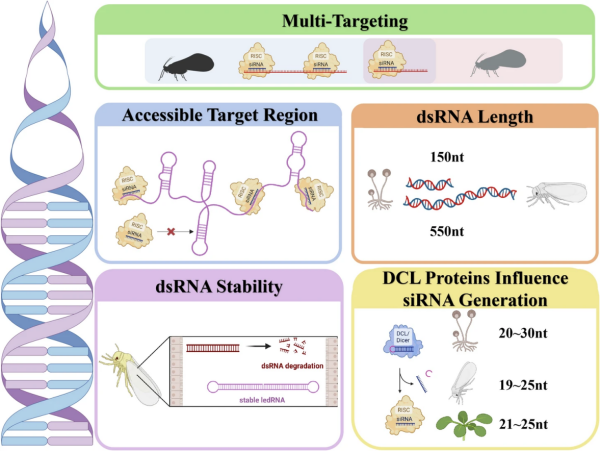
A research team has recently published a systematic reference framework for advancing Spray-Induced Gene Silencing (SIGS) from proof-of-concept toward industrialization. Led by Prof. ZHANG Tao from the Xinjiang Institute of Ecology and Geography (XIEG) of the Chinese Academy of Sciences (CAS), in collaboration with researchers from the Institute of Germplasm Resources and Biotechnology under the T
Life SciencesEnvironment & ClimateBioengineering#Chinese Academy of Sciences#Research News#Bioengineering#genomics#biology#climate#decarbonization
Methane emissions from cattle and sheep contribute to global greenhouse gas emissions and reflect a loss of dietary energy that could otherwise support animal growth and productivity, which is a major challenge for sustainable livestock production. M ost existing approaches to reduce methane emissions focus primarily on suppressing methanogenesis. In a study published in The Innovation , a researc
Life SciencesEnvironment & ClimateSustainable Development#Chinese Academy of Sciences#Research News#Sustainable Development#Pollutants#genomics#biology#climate#decarbonization
Dr. Teun Munnik has been appointed Professor of Plant Cell Biology at the University of Amsterdam. Munnik is affiliated with the Swammerdam Institute for Life Sciences (SILS) at the Faculty of Science. The appointment came into effect on 1 January 2026. As professor, Munnik will further strengthen research and education in molecular cell biology within the Swammerdam Institute for Life Sciences.
Life SciencesEnvironment & Climate#University of Amsterdam#genomics#biology#climate#decarbonization
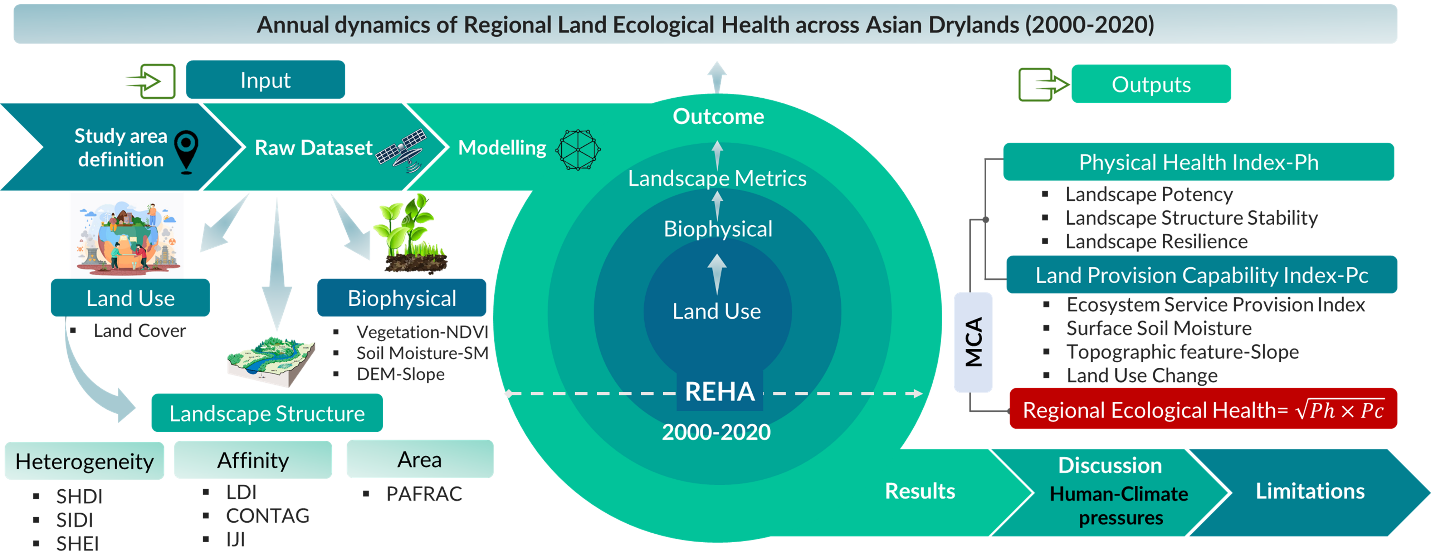
A research team from the Xinjiang Institute of Ecology and Geography (XIEG) of the Chinese Academy of Sciences (CAS) has proposed a new ecosystem health framework to track long-term, consistent ecological changes across Asian drylands. Based on the framework, the team found that ecosystem health across Asian drylands declined steadily until 2012, then partially recovered after 2014. Central Asia c
Environment & ClimateClimateConservation#Chinese Academy of Sciences#Research News#climate#Conservation#decarbonization
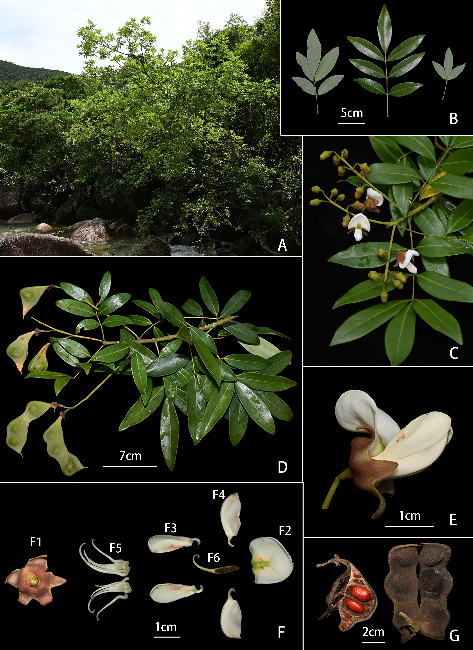
"Red berries grow in southern land, how many spring branches hold?" The red beans described by WANG Wei (701–761) in his poem have evoked the longing of the Chinese people for thousands of years. Today, right in the "southern land" mentioned in the poem—the Guangdong-Hong Kong-Macao Greater Bay Area—a research team has unveiled the identity of two new species of this very genus. Recently, a team l
Environment & Climate#Chinese Academy of Sciences#Research News#climate#decarbonization
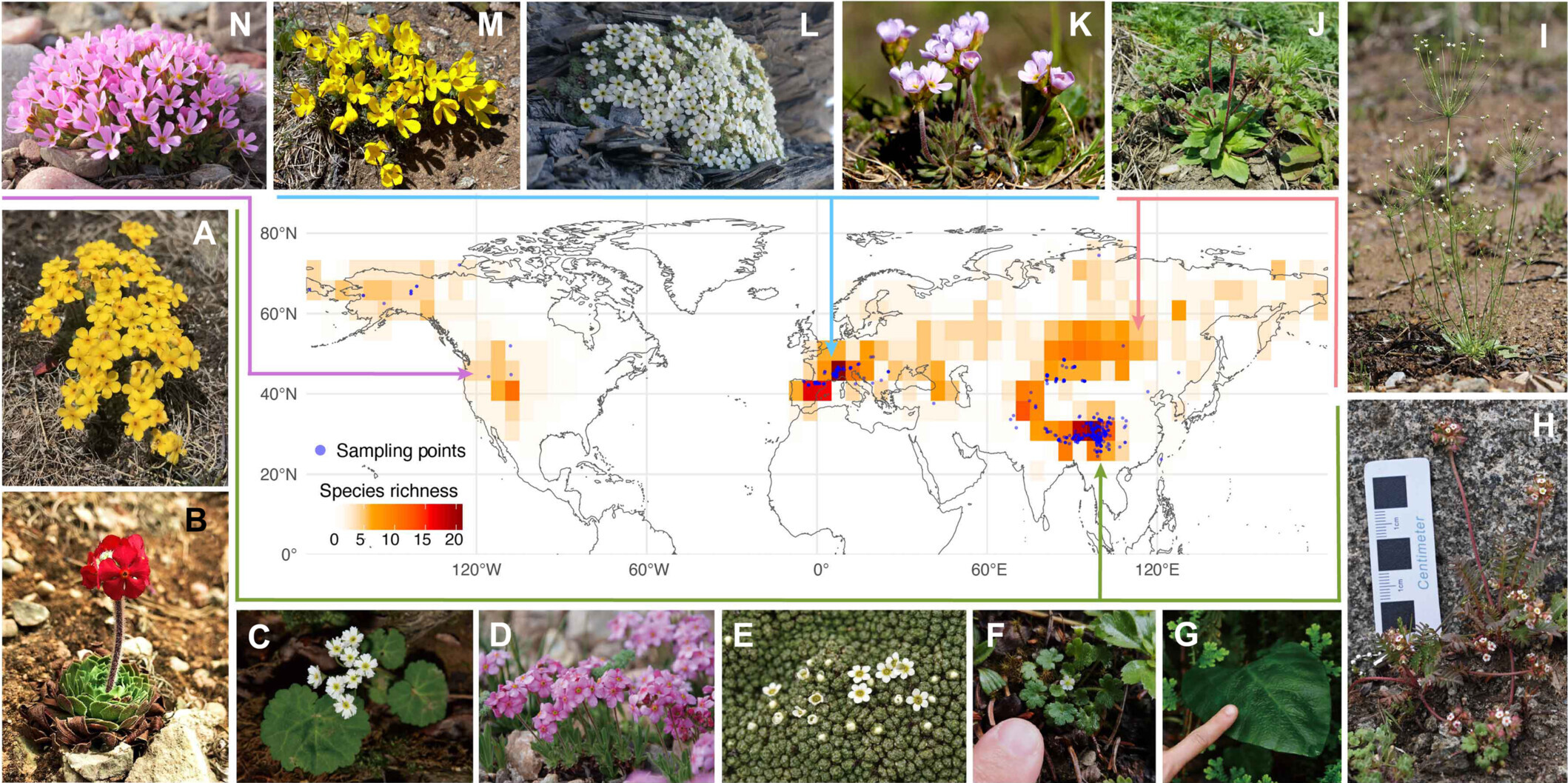
The genus Androsace is widely distributed across the temperate regions of the Northern Hemisphere, with notable diversity in the Alps and the Hengduan–Himalaya regions. Previous phylogenetic studies have advanced the understanding of Androsace 's evolutionary history, but its biogeographic origins and diversification history remain unresolved due to limited species sampling and low statistical sup
Environment & ClimateBiodiversity#Chinese Academy of Sciences#Research News#biodiversity#climate#decarbonization
The Department of Energy’s (DOE) Oak Ridge National Laboratory (ORNL) earned a new lab record with 22 R&D 100 Awards in 2026 for technologies that advance energy, manufacturing, computing, biotechnology and other fields. ORNL led 18 of the winning technologies and contributed to four additional award-winning projects led by partner institutions.
Fusion EnergyLife SciencesEnvironment & Climate#Oak Ridge National Laboratory#fusion#plasma physics#genomics#biology#climate#decarbonization#grid
Ruminant livestock production, a major anthropogenic source of methane (CH 4 ) emissions, has become a central focus in global climate mitigation and sustainable agricultural development. In a study published in The ISME Journal , a team of researchers led by Prof. WANG Min from the Institute of Subtropical Agriculture of the Chinese Academy of Sciences revealed the mechanism by which 1,3-propaned
Environment & ClimatePollutantsSustainable Development#Chinese Academy of Sciences#Research News#Pollutants#Sustainable Development#climate#decarbonization
In a study published in Journal of Geophysical Research: Biogeosciences , a team l ed by Prof. WANG Yufei from the Institute of Botany of the Chinese Academy of Sciences, along with the collaborator from Austria, revealed that the global grassland coverage will likely increase at the end of this century. Researchers created a data set containing 16,372 records with both characteristic variables, i
Environment & ClimateSustainable Development#Chinese Academy of Sciences#Research News#Sustainable Development#climate#decarbonization
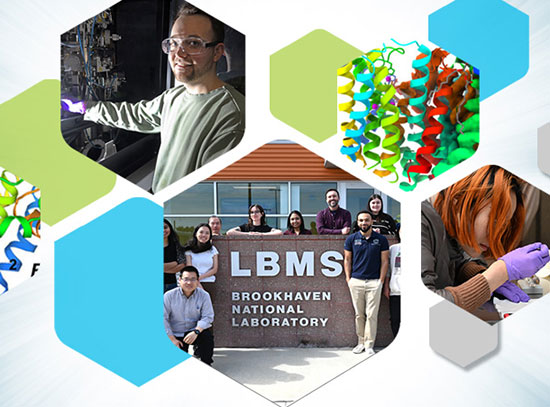
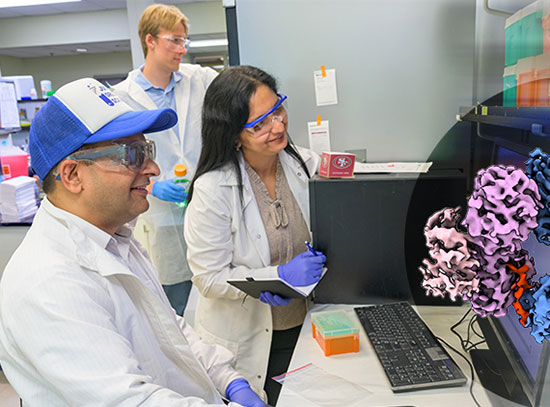
LBMS marks five years as a leading cryo-EM facility, advancing biological discovery through cutting-edge imaging and collaboration.
Medical ResearchLife SciencesEnvironment & Climate#Brookhaven National Laboratory#medical research#clinical research#genomics#biology#climate#decarbonization
Researchers uncover a critical molecular switch that helps bacteria survive environmental stress and antibiotic exposure.
Medical ResearchLife SciencesEnvironment & Climate#Brookhaven National Laboratory#medical research#clinical research#genomics#biology#climate#decarbonization
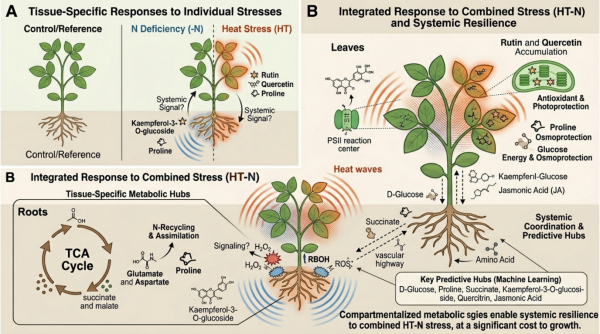
A new study has recently revealed how soybean roots and leaves employ distinct metabolic strategies under nitrogen deficiency and high-temperature stress, which may help guide the development of soybean varieties with enhanced heat tolerance and improved nitrogen-use efficiency. Led by Associate Prof . Mohsin Tanveer from the Xinjiang Institute of Ecology and Geography (XIEG) of the Chinese Academ
Environment & ClimateClimate#Chinese Academy of Sciences#Research News#climate#decarbonization