Parking congestion, vacant properties and climate change: there is no shortage of societal problems. People often look to the government for solutions. But the government could do with some help and could make greater use of so-called ‘prize-backed competitions’, argues Louise Verboeket. In her PhD thesis, she investigated how government organisations can best use this tool from a legal perspective.
Environment & Climate#University of Amsterdam#climate#decarbonization
Kidney disease is silent in its early stages, progressing without symptoms until the disease is advanced. Researchers in the McKelvey School of Engineering at Washington University in St. Louis, in collaboration with researchers at WashU Medicine and at Texas A&M University, have been developing a minimally invasive method to improve diagnosis in earlier stages. New research from the lab of Srikan
Medical ResearchEnvironment & ClimateTechnology & Innovation#Washington University in St. Louis#Newsroom#medical research#clinical research#climate#decarbonization#advanced materials#innovation
The San Diego Supercomputer Center will serve as the testing ground for a new $8.48 million project that could transform how AI data centers receive and manage electricity while helping prevent them from overwhelming California's power grid.
ResearchEnvironment & ClimateEnergy Infrastructure#University of California San Diego#UC San Diego#UCSD Today#climate#decarbonization#grid#energy security
New research from UTHealth Houston found firefighters experience measurable biological changes in their blood and urine within 24 hours of fighting a fire–changes that may help identify early cancer risk, the leading cause of death among firefighters.
by Kara Baskin August 24, 2026 Visual Arts , Climate & Sustainability , School of the Museum of Fine Arts , School of Arts and Sciences , Graduate School of Arts and Sciences Share At SMFA at Tufts, five raised garden beds along Museum Way produce something more unusual than tomatoes or zucchini: They’re growing art supplies. The fiber and dye garden brims with plants that, come fall, are harvested as pigments, inks, paper, and textiles. These include orange cosmos, Hopi black dye sunflowers, sa
UB-led research reveals that a tiny chemical difference between RNA and DNA helps explain why RNA more readily organizes into droplets when temperatures rise.
ResearchEnvironment & Climate#University at Buffalo#UBNow#research#climate#decarbonization
Doctoral student Jas Shahanand is developing ways to study the hidden chemical reactions inside wildfires, laying the groundwork for more accurate emissions models, improved climate predictions and cleaner fuels.
Environment & Climate#University of Colorado Boulder#CU Boulder#CU Boulder Today#climate#decarbonization
Environment & ClimateWashington University in St. Louis
Machine learning doesn’t replace human intelligence, but it can outlast human endurance, which makes it a very helpful tool for chemistry and material discovery. Scientists know the machine learning models can make predictions based on the vast reams of data it is trained on, but can it take it a step further and massively scale up testing out those predictions? “We already see that AI is powerful
Environment & ClimateTechnology & InnovationData & Computer Science#Washington University in St. Louis#Newsroom#climate#decarbonization#advanced materials#innovation
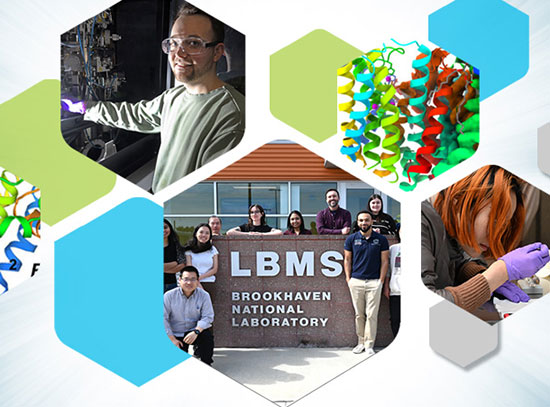
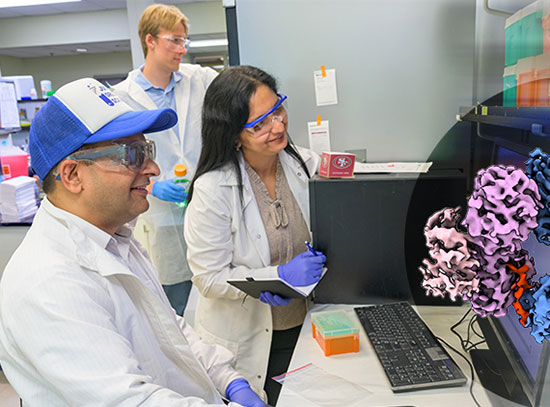
LBMS marks five years as a leading cryo-EM facility, advancing biological discovery through cutting-edge imaging and collaboration.
Medical ResearchLife SciencesEnvironment & Climate#Brookhaven National Laboratory#medical research#clinical research#genomics#biology#climate#decarbonization
Researchers uncover a critical molecular switch that helps bacteria survive environmental stress and antibiotic exposure.
Medical ResearchLife SciencesEnvironment & Climate#Brookhaven National Laboratory#medical research#clinical research#genomics#biology#climate#decarbonization
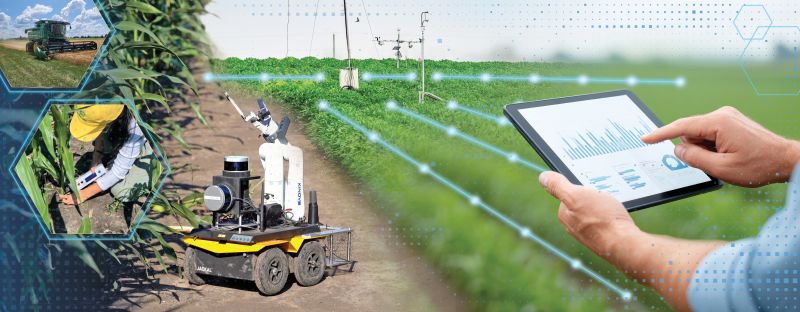
Precision agriculture is revolutionizing the way farmers grow crops, lowering costs, maximizing yields, optimizing the use of irrigation water, addressing farming labor challenges and securing the supply of safe, high-quality food.
Medical ResearchEnvironment & Climate#U.S. National Science Foundation#Science Matters#medical research#clinical research#climate#decarbonization
Environment & ClimateUniversity of California, Riverside
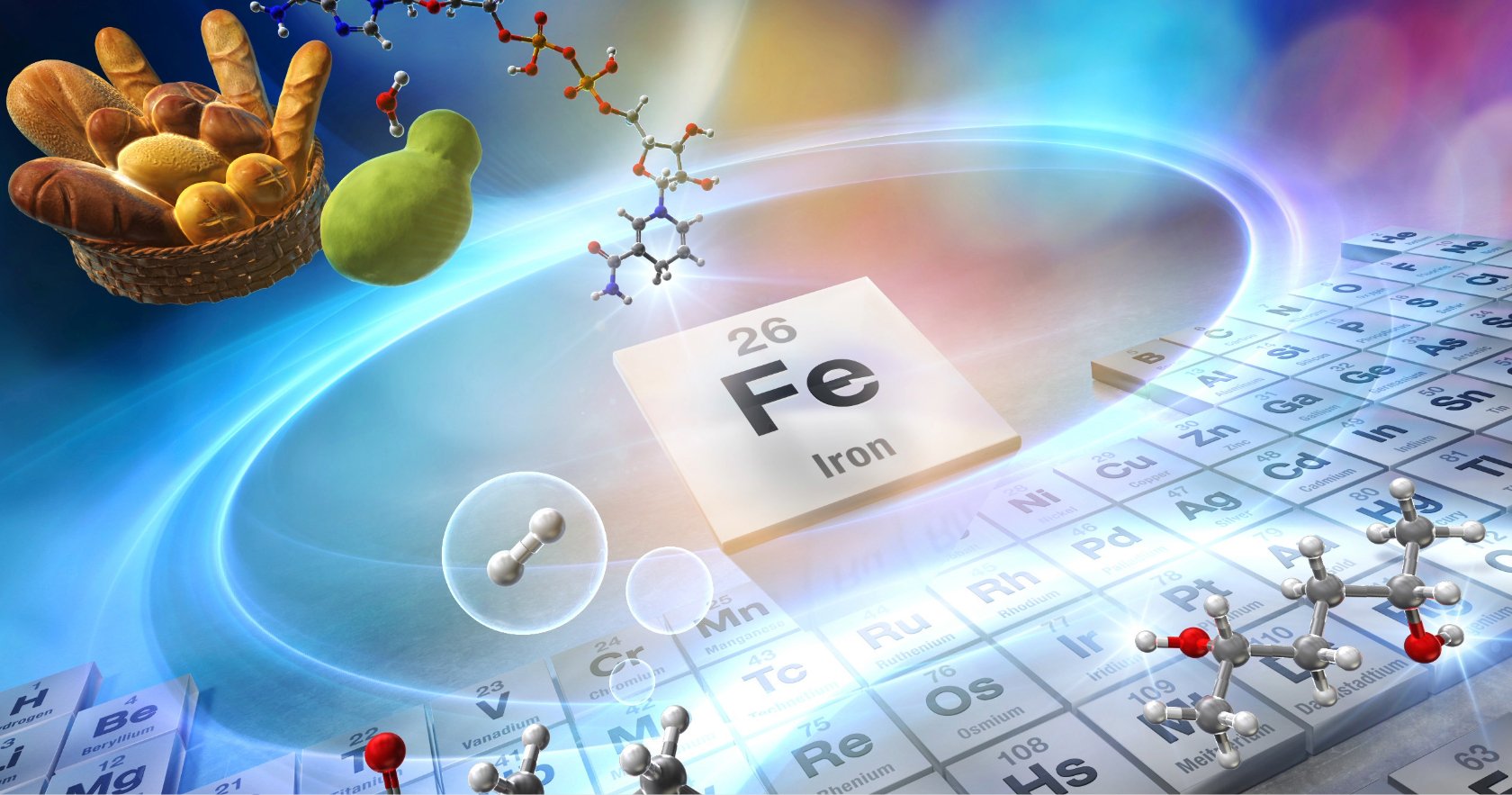
Hydrogen gas (H₂) is widely regarded as a promising clean energy source. By weight, it stores nearly three times more energy than gasoline, and its use does not directly release carbon dioxide (CO₂). Yet most H₂ is still produced from fossil fuels through CO₂-intensive processes. Storing and transporting this energy-rich gas are also costly and technically challenging. Therefore, developing sustai
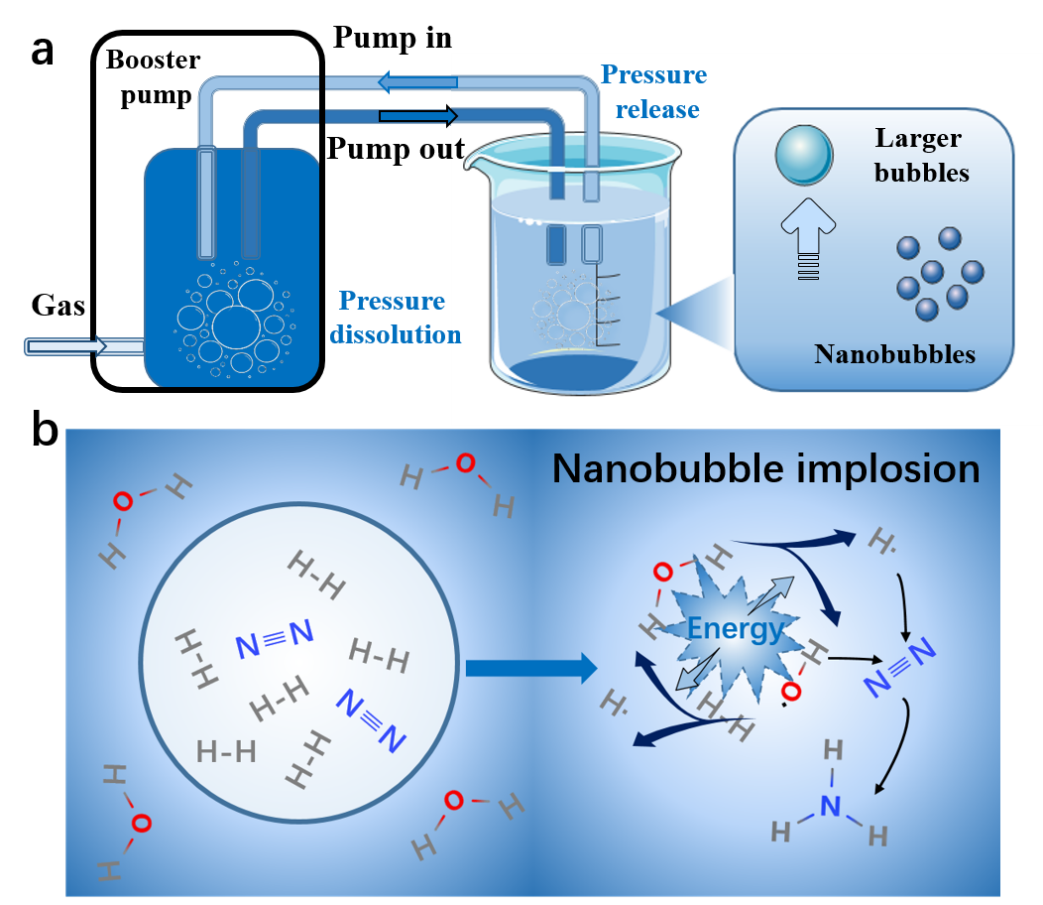
Ammonia is a cornerstone of global agriculture and a promising carrier for renewable energy storage. Yet nearly all of it is still produced via the Haber‑Bosch process, which operates above 400 °C and 200 atm, consumes about two percent of global energy, and emits large amounts of carbon dioxide. That is why finding a greener route under mild conditions has become a major challenge in chemistry an
Environment & ClimateNanotechnologyChemical Engineering#Chinese Academy of Sciences#Research News#Nanotechnology#Chemical Engineering#climate#decarbonization
NASA Artemis III Chief Training Officer Debbie O’Connell discusses how the crew is preparing for one of NASA’s most challenging missions yet. Episode 434
Environment & Climate#NASA#Podcast#Houston We Have A Podcast#climate#decarbonization
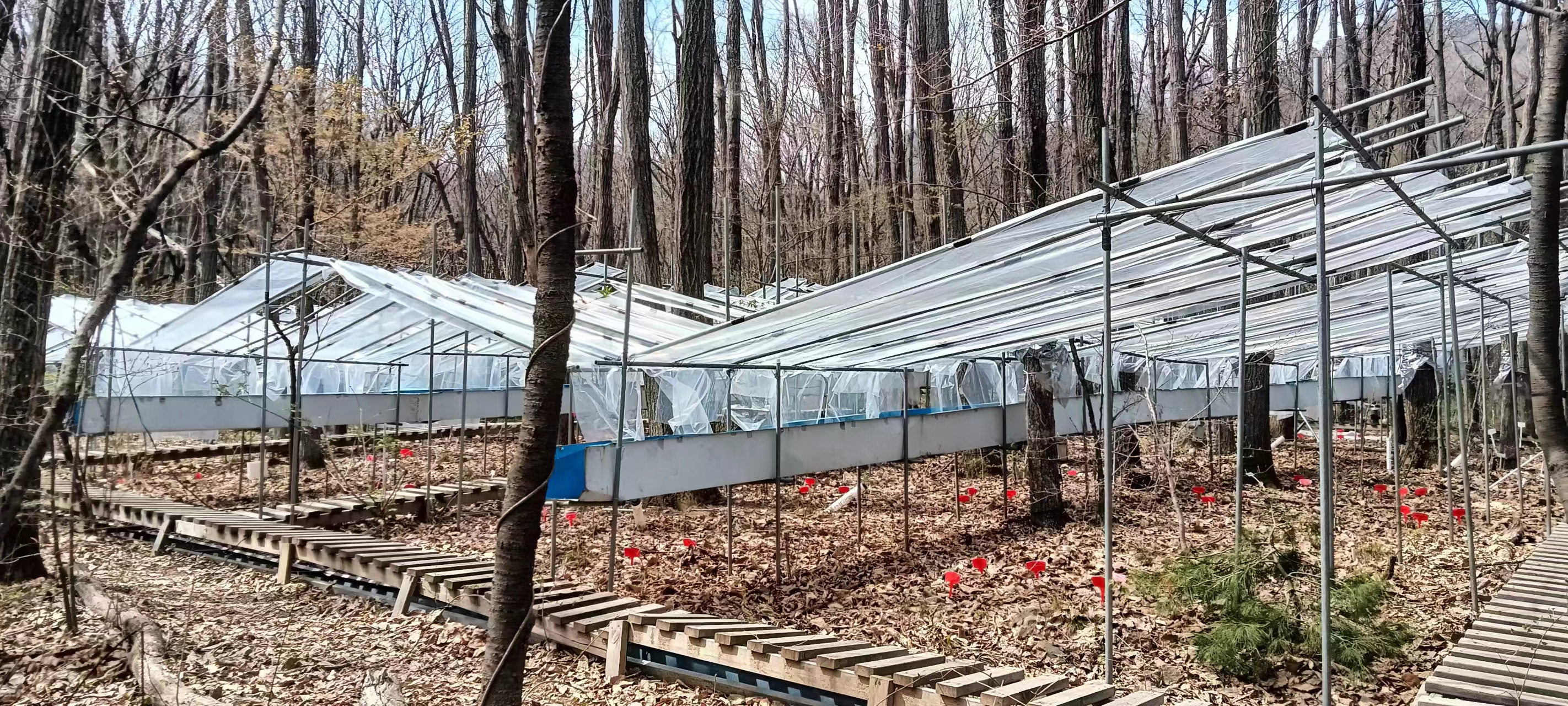
Forests support much of the world's biodiversity and play a vital role in regulating Earth's climate, but they are increasingly exposed to drought. To understand the potential consequences of drought, a key question is whether trees can acclimate to prolonged water stress by altering their physiology. Many p revious attempts to answer this question have relied on evidence from potted plants or nat
Environment & ClimateClimate#Chinese Academy of Sciences#Research News#climate#decarbonization