The human body is a marvel of remake and renewal. We regularly replace some of our estimated 37 trillion cells – about 300 billion or 1 percent of our cells each day - with healthy substitutes. We remove damaged or aging, senescent cells and cellular debris from our organs and tissues every second of the day. How important is it that cellular waste be properly removed?
Medical ResearchLife SciencesEnvironment & Climate#University of Minnesota Medical School#UMN Medical School#Immunology#medical research#clinical research#genomics#biology#climate
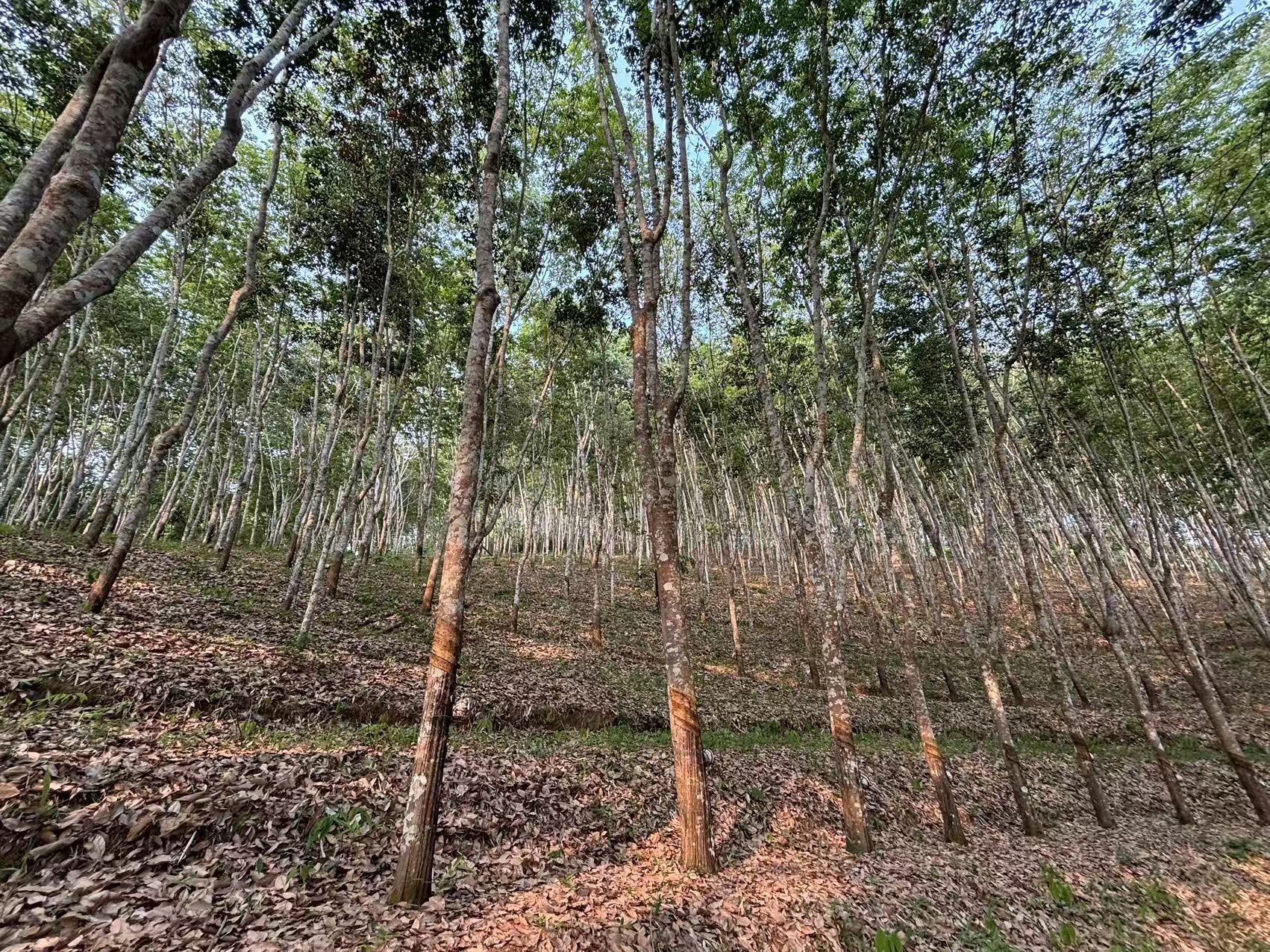
Soil organic carbon dynamics are a key indicator for assessing the success of ecosystem restoration. According to a new study by researchers from the Xishuangbanna Tropical Botanical Garden (XTBG) of the Chinese Academy of Sciences, soil microorganisms play a critical role in regulating carbon storage in tropical ecosystems undergoing recovery. The study, published in Catena on August 27, showed t
Life SciencesEnvironment & ClimateCarbon Neutrality#Chinese Academy of Sciences#Research News#Carbon Neutrality#genomics#biology#climate#decarbonization
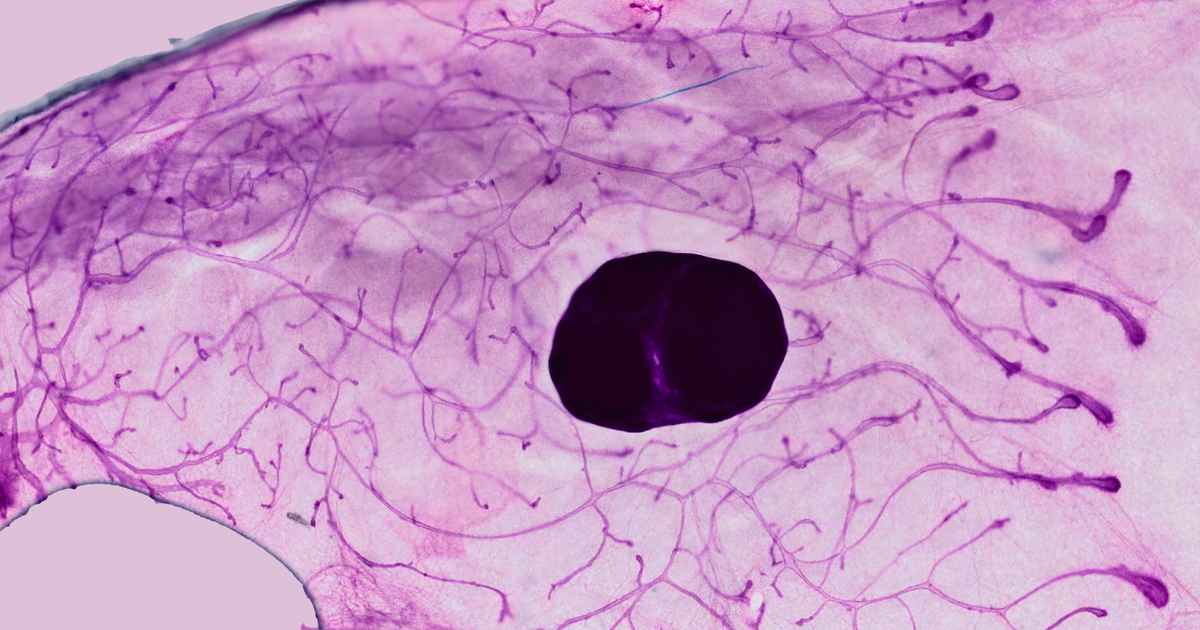
Researchers at the Swammerdam Institute for Life Sciences (SILS) of the Faculty of Science have uncovered how mammary-gland cells decide when to activate Wnt4, a gene with a central role in mammary-gland development. Their findings reveal how distant stretches of non-coding DNA work together in three dimensions to control gene activity.
Medical ResearchLife Sciences#University of Amsterdam#medical research#clinical research#genomics#biology
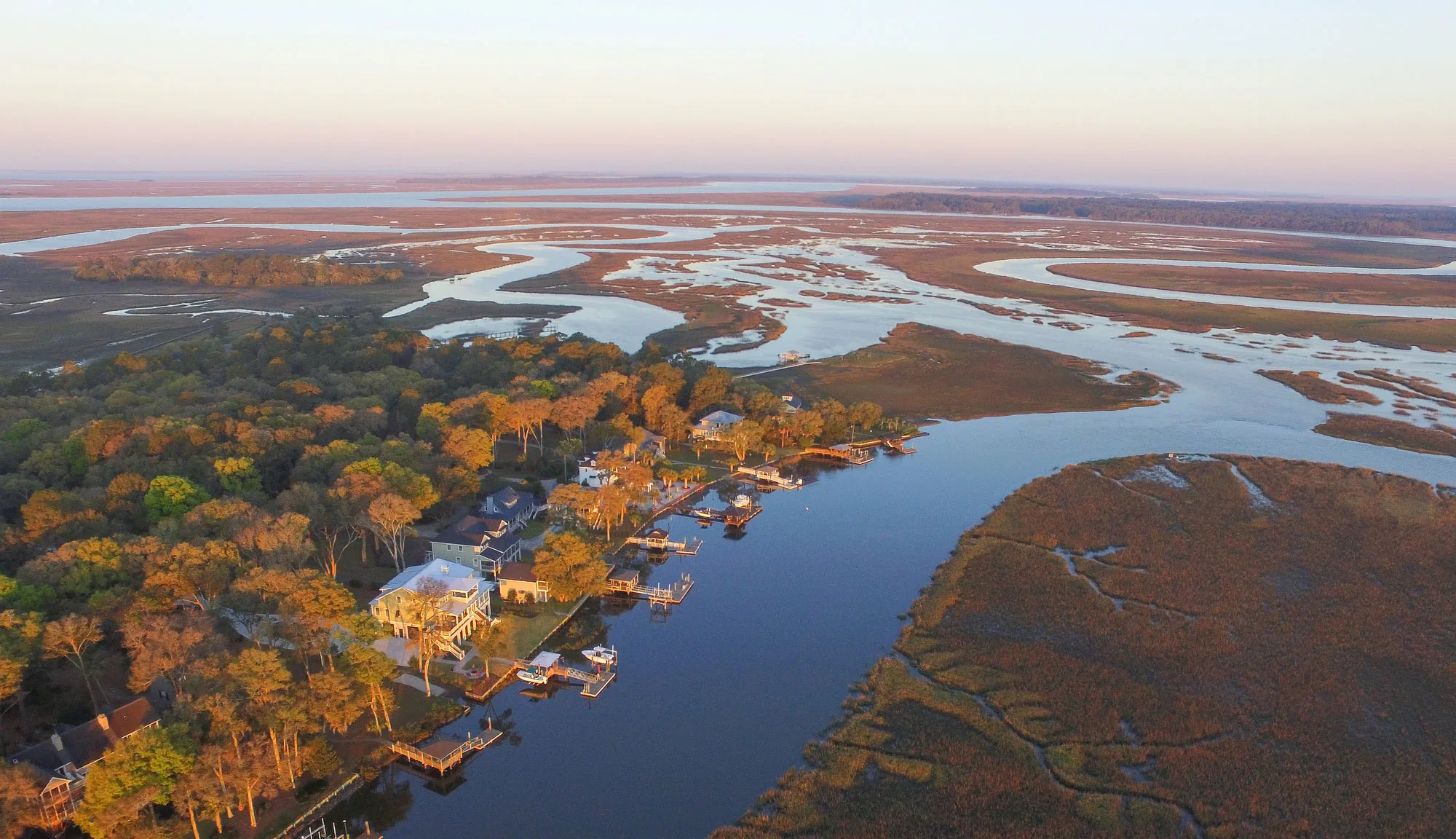
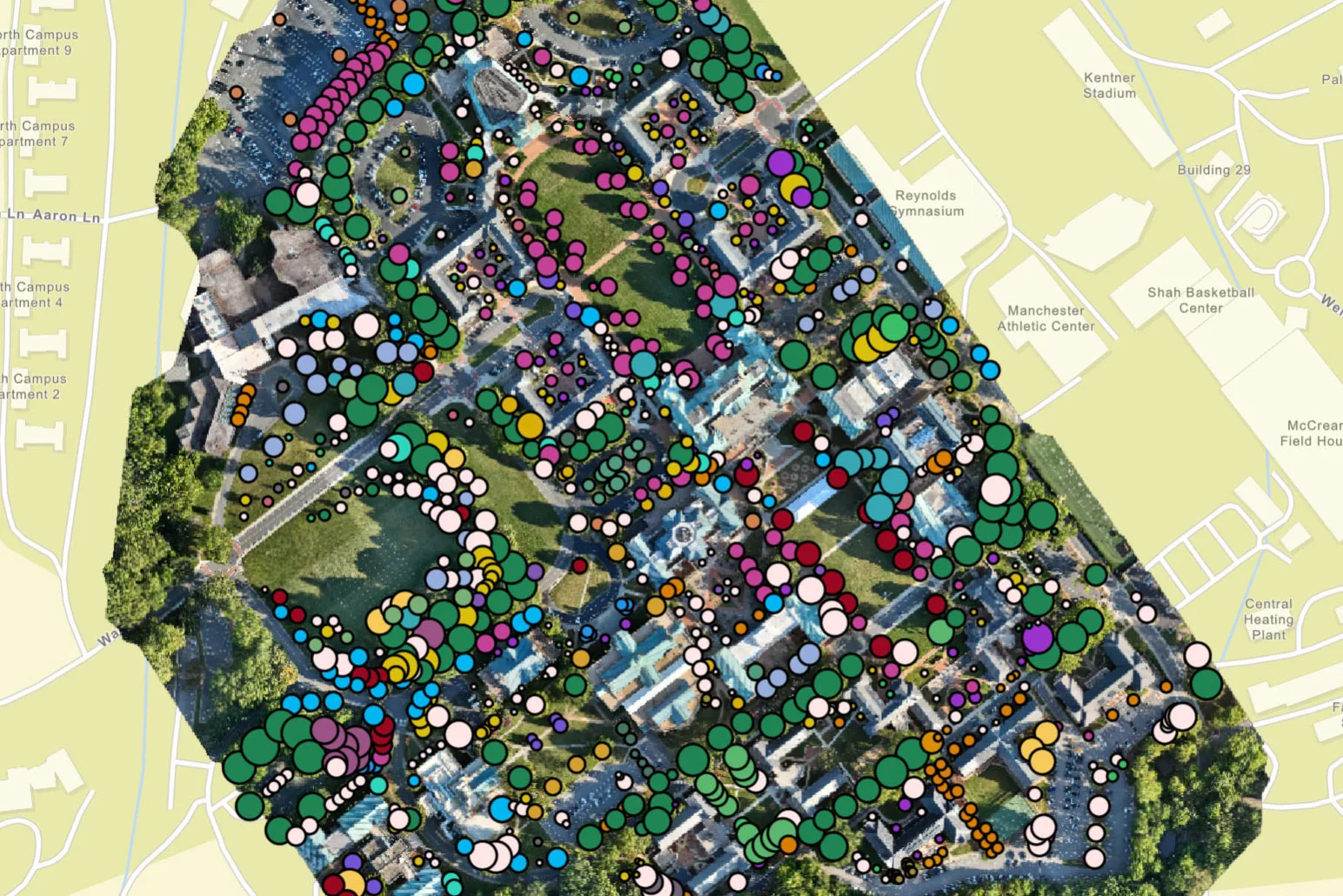
With help from a $1 million federal grant, Iowa State University is developing the Watershed Innovation Farm – a demonstration site for showcasing nature-based water-quality measures such as saturated buffers, bioreactors and wetlands.
Community EngagementInnovative SolutionsKnowledge & Discovery#Iowa State University#genomics#biology#climate#decarbonization
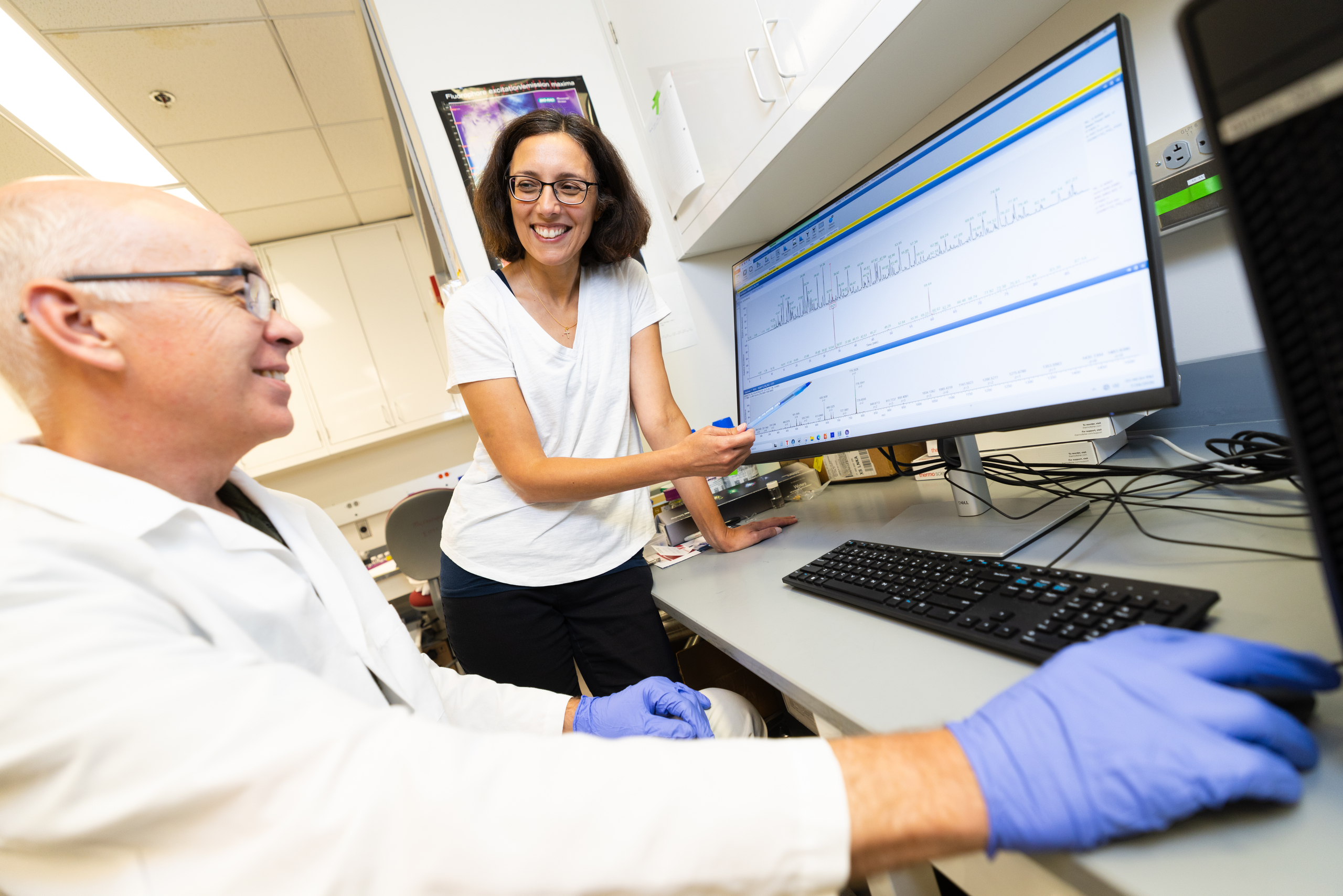
Researchers at the University of Nebraska–Lincoln and other institutions now have access to one of the most advanced platforms available for high-throughput proteomics thanks to a new state-of-the-art mass spectrometry instrument installed in the Nebraska Center for Biotechnology’s Proteomics and Metabolomics Facility.
News & InformationNews for ResearchersEnvironment & Climate#University of Nebraska–Lincoln#Center for Biotechnology#Core Facilities#News for Researchers#Research News#News & Information#climate#decarbonization
The Academy’s Fellowship is made up of distinguished individuals from academia, the public, private and third sectors. Fellows are selected following a robust and independent peer-review process in recognition of the significant impact of their work in helping address some of the toughest challenges facing society. Professor Lucy Griffiths is Professor of Epidemiology at Swansea University Medical
Medical ResearchEnvironment & ClimateResearch#Swansea University#Swansea Press Office#medical research#clinical research#climate#decarbonization
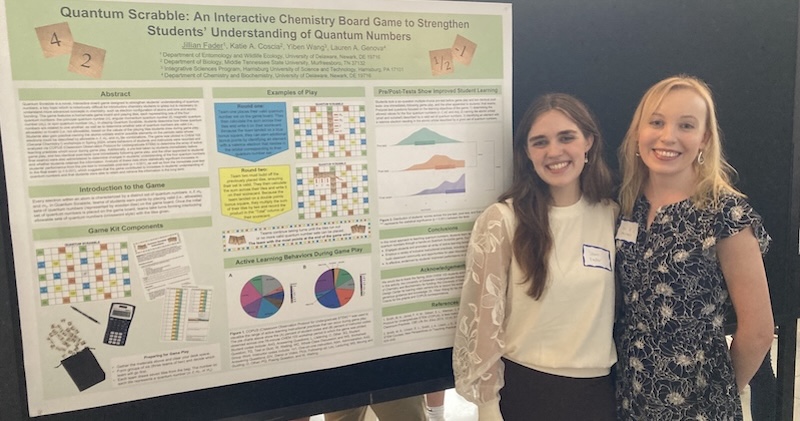
Growing up in Carlsbad, Elise Nishimura developed an early appreciation for the environment. Now a junior Environmental Systems major and UC San Diego softball player, she combines her academic and athletic passions through EcoAthletes, using her voice to inspire climate action.
ResearchEnvironment & Climate#University of California San Diego#UC San Diego#UCSD Today#climate#decarbonization
The pigments that give beets their red color may have helped a major group of flowering plants repeatedly adapt to dry environments, setting the stage for the evolution of traits that allowed plants to adapt to some of the harshest environments on Earth, according to a University of Michigan study.
Life Sciences#University of Michigan#Environment#News Releases#biology#Ecology#Michigan News#genomics
A CU Boulder mountain geographer explains how rising temperatures are destabilizing mountains and increasing the risk of landslides, glacial floods and other potentially catastrophic hazards around the world.
An international team co-led by the University of Cambridge has mapped every neuron in the male Drosophila fly’s brain and nerve cord, to produce a wiring map of the 166,700 neurons and the millions of connections between them.
Life Sciences#University of Cambridge#Jacqueline Garget#Neuroscience#animal behaviour#genomics#biology
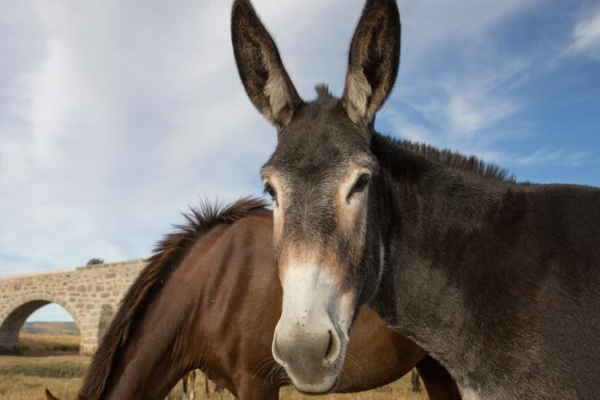
A mule has helped researchers build the most complete reference genomes to date for horses and donkeys, giving scientists access to complex regions of DNA that earlier versions could not fully capture.
Medical ResearchLife Sciences#University of Kentucky#medical research#clinical research#genomics#biology
Over the weekend, parts of the interview aired on TV stations across 104 markets and countries, including New York City, Atlanta, Washington, D.C., Australia, South Korea and Vietnam.
ResearchEnvironment & Climate#University at Albany#research#climate#decarbonization
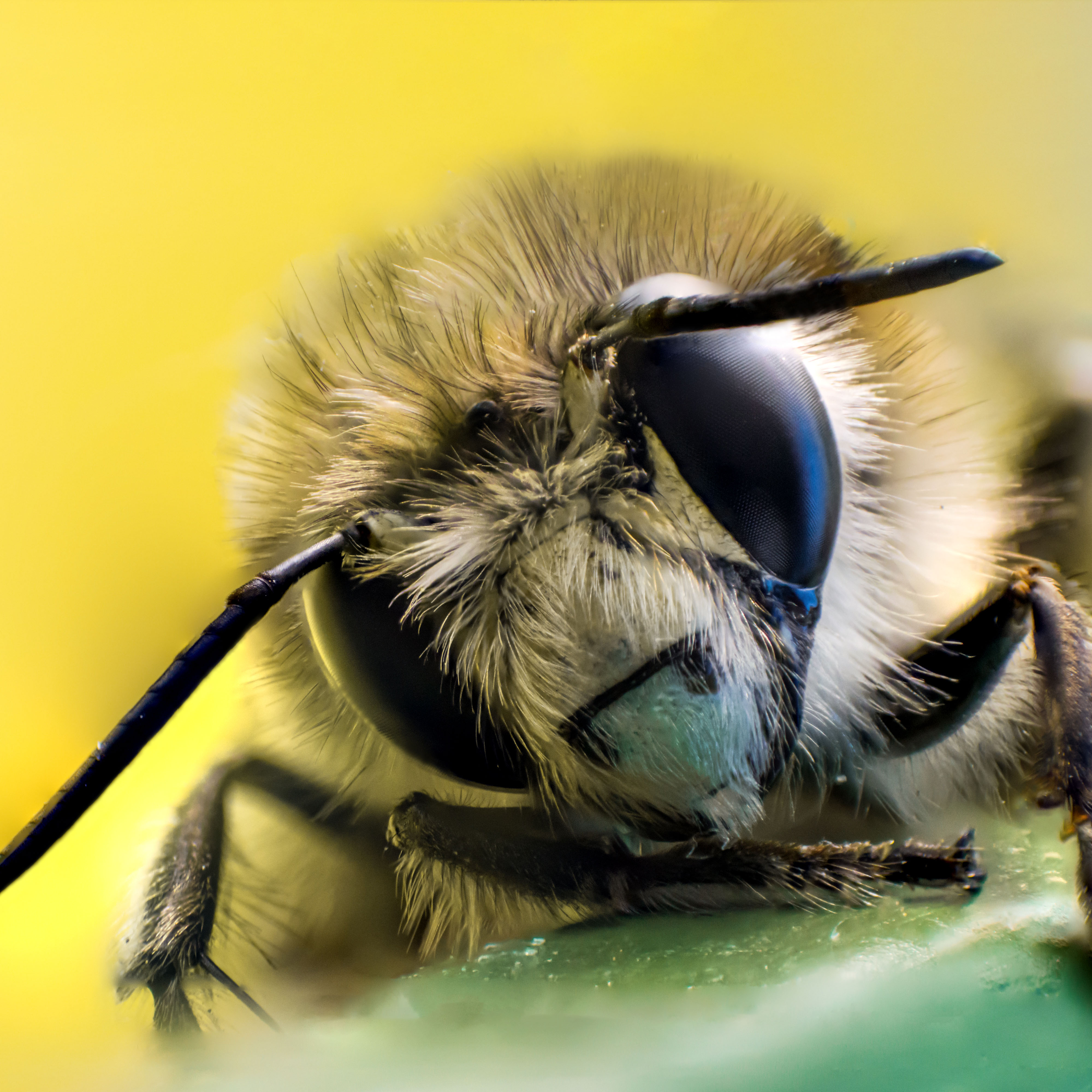
Honey bees have long been the model species for studying insect vision. However, new research shows that several smaller bee species might actually have sharper eyesight.
Researchers at UC San Diego have demonstrated that one of biology’s most essential enzymes can accurately read and transcribe an expanded genetic alphabet containing eight DNA letters instead of the four used by all known life.
ResearchMedical ResearchLife Sciences#University of California San Diego#UC San Diego#UCSD Today#medical research#clinical research#genomics#biology
The federal government just unveiled an aggressive plan to help conserve the mighty Colorado. Will it work? And if not, what will? Water policy veteran Doug Kenney offers insight.
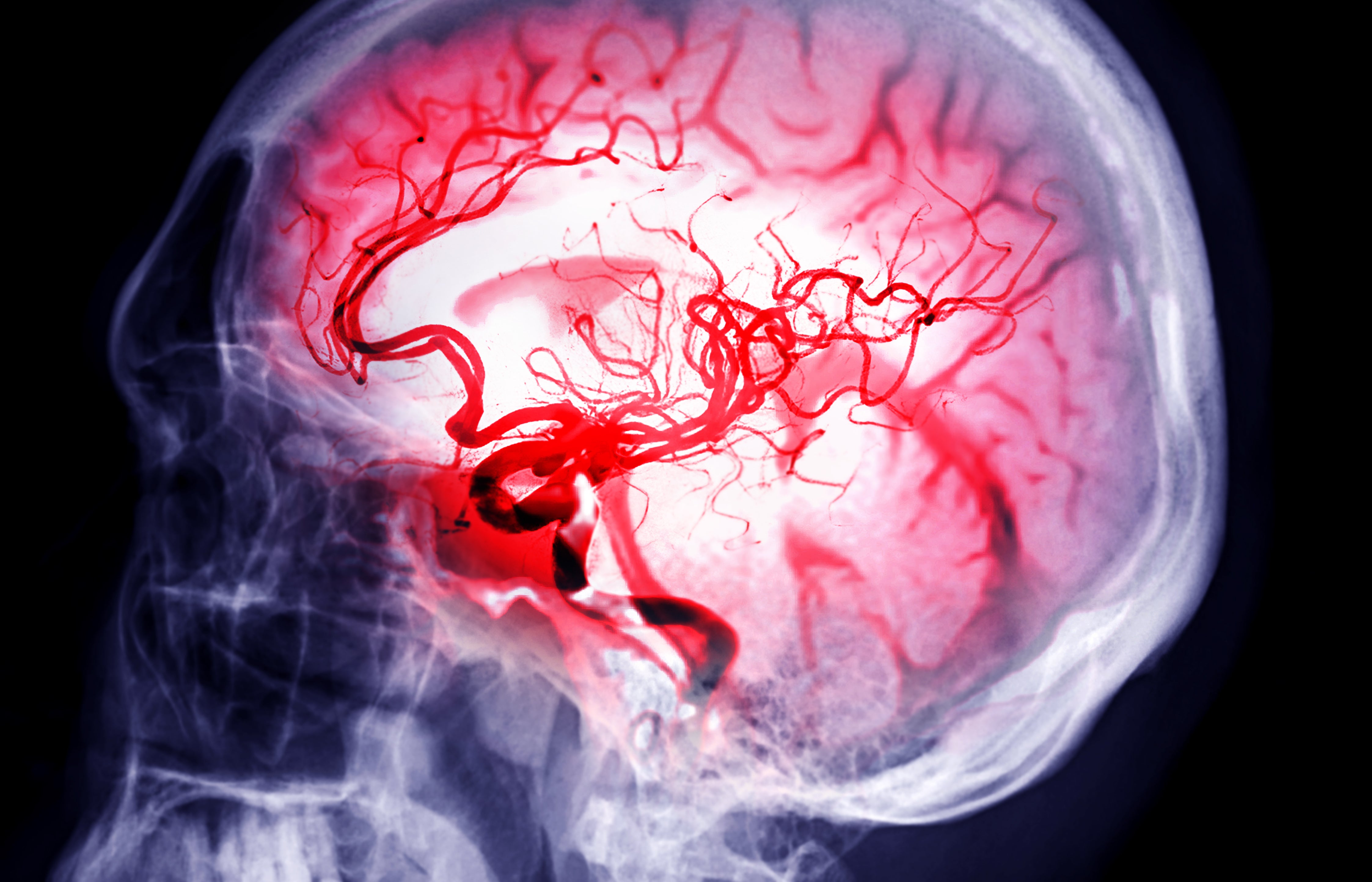
As it tries to defend itself from stroke, the brain can paradoxically trigger the formation of tiny new clots in minor blood vessels, damaging tissue even after the original culprit has been removed, new research shows. The findings help explain why nearly half of treated stroke patients don’t recover — and identify potential new treatments.
Medical ResearchLife Sciences#University of Colorado Boulder#CU Boulder#CU Boulder Today#medical research#clinical research#genomics#biology
As climate change drives more frequent and prolonged heat waves, CU Boulder and CU Anschutz researchers are working with formerly incarcerated people to understand conditions inside prisons and develop ways to reduce health risks.
Environment & Climate#University of Colorado Boulder#CU Boulder#CU Boulder Today#climate#decarbonization





_800x420.jpg)