In a study published in Nature on August 19, a team led by Profs. ZENG Changgan and CHENG Guanghui from the University of Science and Technology of China of the Chinese Academy of Sciences, along with Prof. JIANG Qingdong from Shanghai Jiao Tong University, Prof. Frank Wilczek from Massachusetts Institute of Technology, and other collaborators, for the first time, have achieved the enhancement of
Technology & InnovationQuantum#Chinese Academy of Sciences#Research News#Quantum#advanced materials#innovation
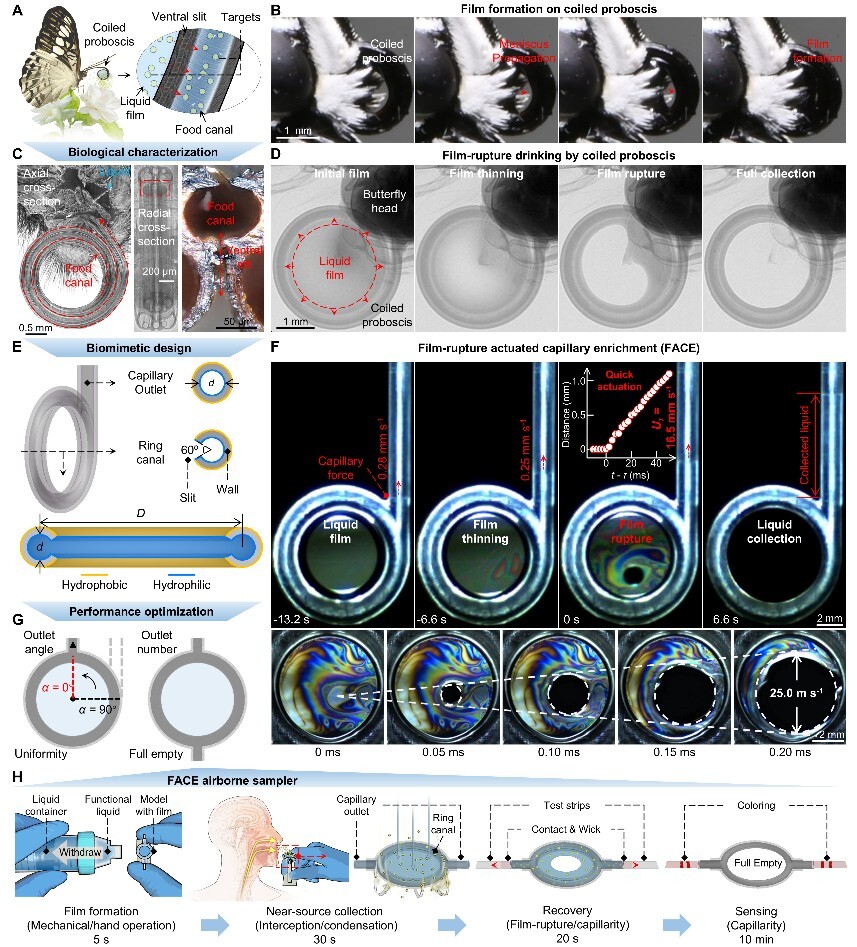
Respiratory infectious diseases and air pollution remain persistent global health challenges. Yet the tools used to monitor airborne threats are often expensive, power-hungry, and difficult to deploy outside laboratories. Now, researchers at the Technical Institute of Physics and Chemistry (TIPC) of the Chinese Academy of Sciences (CAS) have turned to an unlikely teacher for a solution: a butterfl
Medical ResearchEnvironment & ClimateTechnology & Innovation#Chinese Academy of Sciences#Research News#medical research#clinical research#climate#decarbonization#advanced materials#innovation
Technology & InnovationQueen Mary University of London
Scientists could have a new way to explore the hidden behaviour of matter, thanks to research involving Queen Mary University of London that uses a quantum computer to carry out a new form of computational spectroscopy. Spectroscopy is an important scientific technique used to understand the properties of matter. By analysing how materials and molecules respond to energy or light, researchers can
Technology & Innovation#Queen Mary University of London#QMUL Latest News#Science And Engineering#advanced materials#innovation
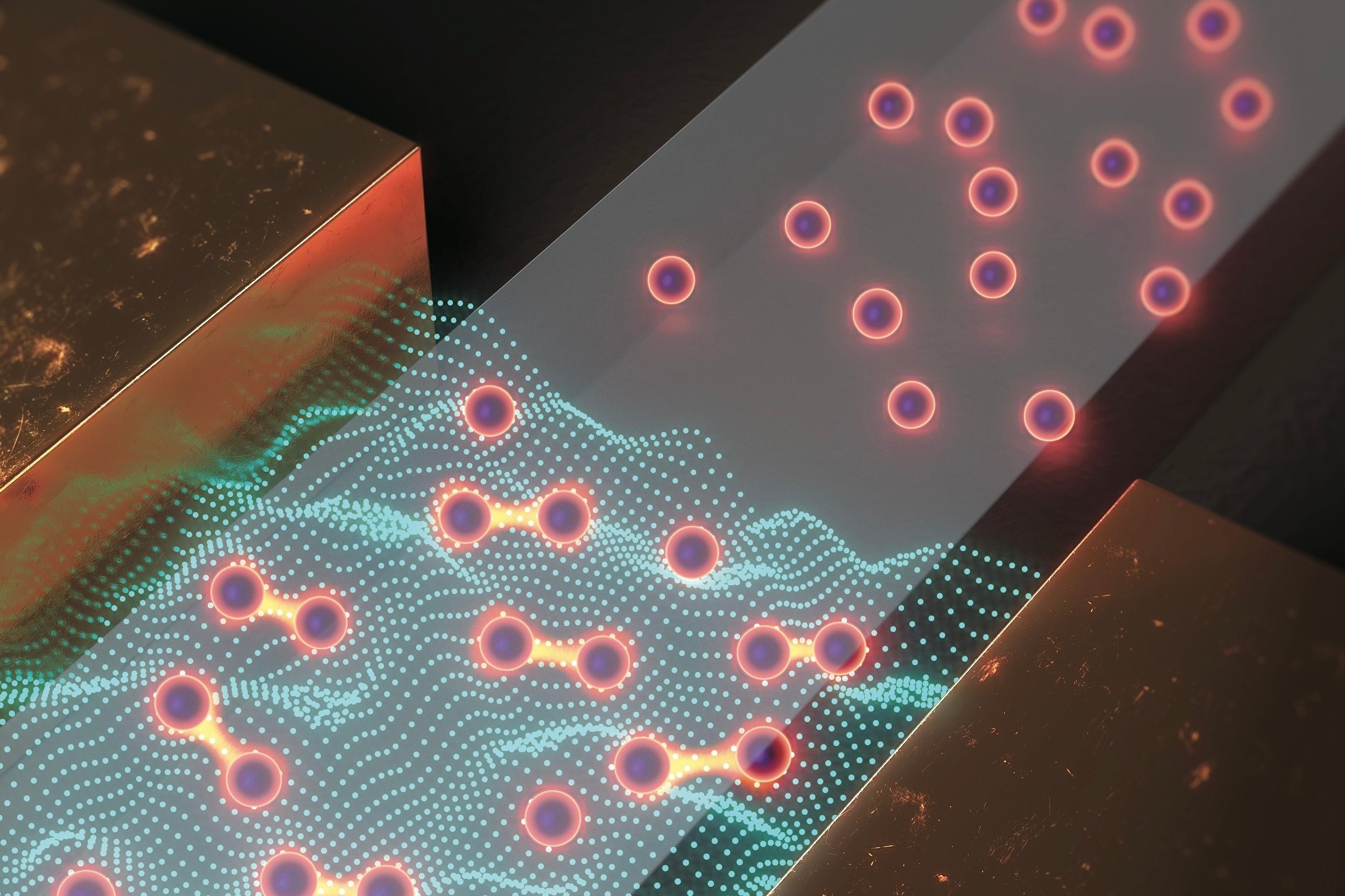
A quantum particle that crosses a ‘duality defect’ – a boundary between order and disorder – is never reflected. It always passes through, but it comes out changed: not a particle, but a spread-out, thread-like excitation that researchers compare to a wisp of fog.
Technology & Innovation#University of Cambridge#Sarah Collins#Quantum#magnetism#Quantum physics#advanced materials#innovation
Developing safer solid-state batteries requires replacing flammable organic liquid electrolytes with solid-state electrolytes (SSEs) that can conduct ions well, remain stable, and have suitable mechanical properties. As interest in SSEs has grown, so has the volume of research in the field. However, the reported data remain scattered across the literature and vary widely in format and completeness
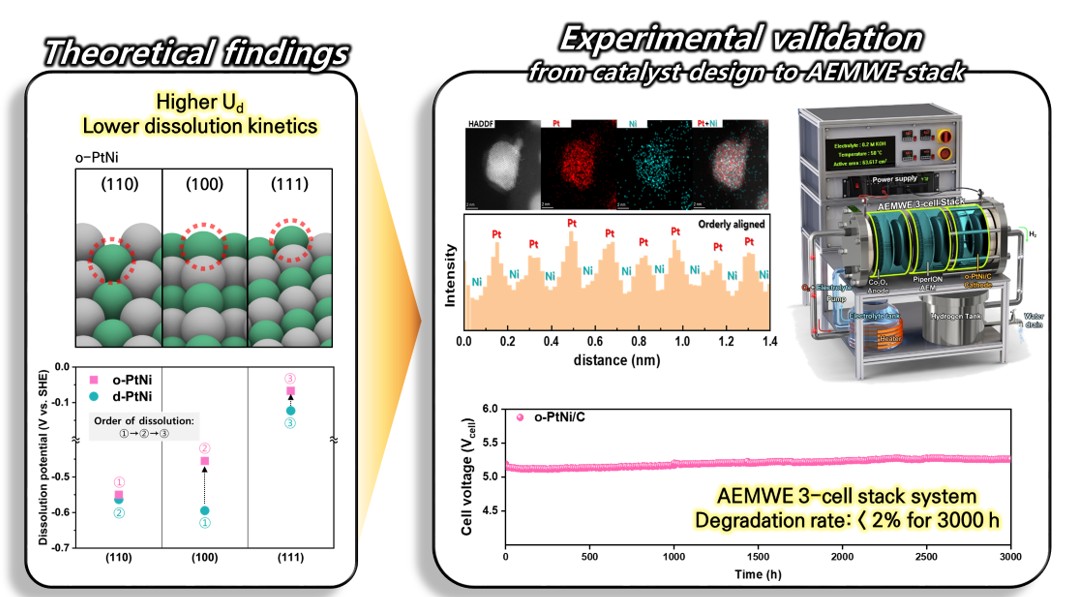
- KIMS Develops Highly Durable Platinum–Nickel Catalyst for Water Electrolysis # Atomic-Structure Control Suppresses Nickel Dissolution, Enabling a Highly Durable Water Electrolysis Catalyst to Operate for 3,000 Hours # Extended Catalyst Lifetime Expected to Reduce Green Hydrogen Production Costs and Support the Commercialization of Water Electrolysis Systems CHANGWON, South Korea — Korea Institut
Technology & Innovation#National Research Council of Science & Technology#GRIs News#Korea Institute of Materials Science (KIMS)#KIMS#advanced materials#innovation#Korea Institute of Materials Science
Technology & InnovationLawrence Livermore National Laboratory
At the bottom of the ocean, optical fibers transmit telecommunications and internet data across the world. Waveguides make that feat possible by channeling and amplifying the light — and therefore the data within — over enormous distances. And the technology goes beyond undersea cables. Waveguiding optics are among the most important advances in photonics since the invention of the laser. They are fundamental to the structure of glass fiber lasers, which are used for high-power national security applications like counter-drone laser systems and missile defense. Now, researchers at
Technology & Innovation#Lawrence Livermore National Laboratory#Advanced Materials and Manufacturing#Defense#Engineering#Lasers and Optical S&T#Top Story#advanced materials#innovation
.png)