A research team led by Professor YAO Le from the Nanjing Institute of Geology and Paleontology of the Chinese Academy of Sciences (NIGPAS), in collaboration with researchers from institutions in China and abroad, has reconstructed the process and mechanism of a major warming event that occurred about 300 million years ago during the Earth's penultimate icehouse, known as the Late Paleozoic Ice Age
Environment & ClimateEvolutionClimate#Chinese Academy of Sciences#Research News#Evolution#climate#decarbonization
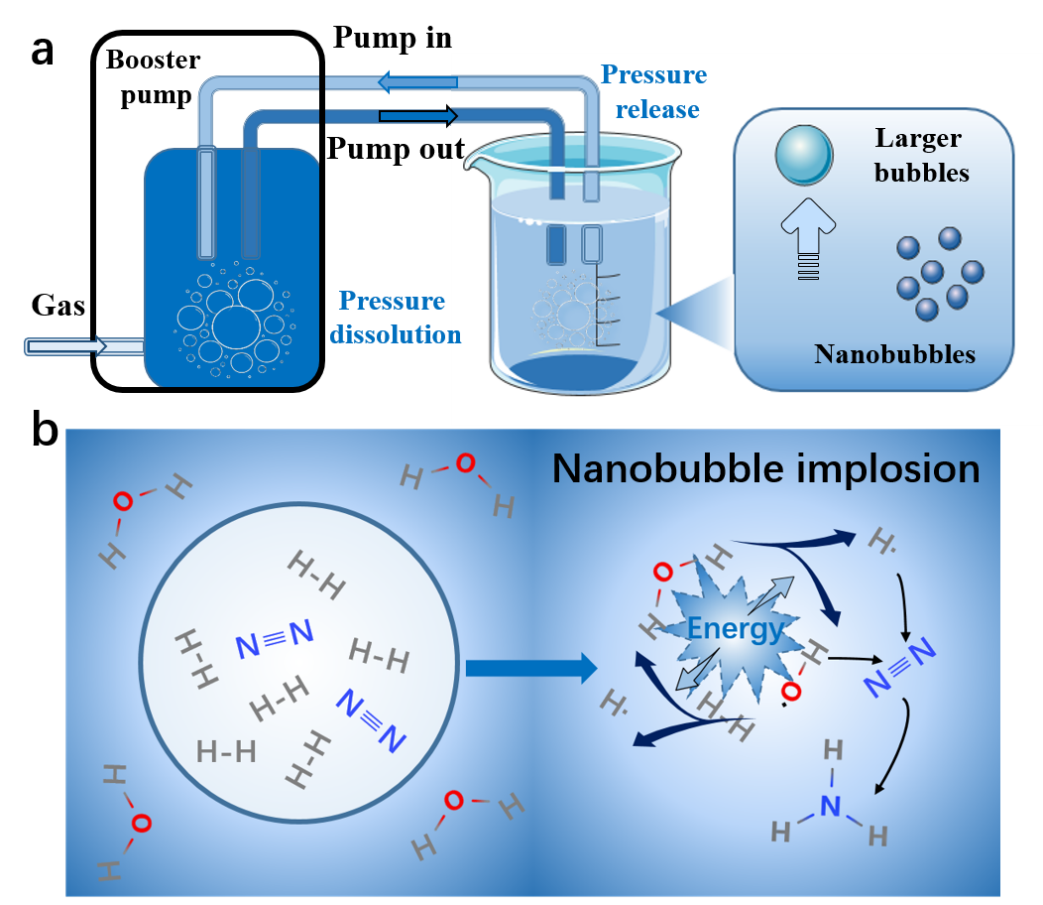
Ammonia is a cornerstone of global agriculture and a promising carrier for renewable energy storage. Yet nearly all of it is still produced via the Haber‑Bosch process, which operates above 400 °C and 200 atm, consumes about two percent of global energy, and emits large amounts of carbon dioxide. That is why finding a greener route under mild conditions has become a major challenge in chemistry an
Environment & ClimateNanotechnologyChemical Engineering#Chinese Academy of Sciences#Research News#Nanotechnology#Chemical Engineering#climate#decarbonization
Understanding the uplift history of the Tibetan Plateau is key to grasping the geodynamic processes that formed the "Roof of the World," as well as its far-reaching impacts on regional and global climate and the evolution of Asian biodiversity. The Gangdese Mountains, which run along the southern margin of the Lhasa terrane, are central to this story and among the many topographic features of the
Environment & ClimateQinghai-Tibet Plateau#Chinese Academy of Sciences#Research News#Qinghai-Tibet Plateau#climate#decarbonization
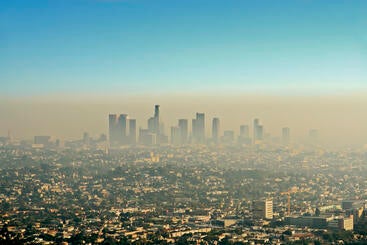
Atmospheric aerosols absorb and scatter solar radiation, influencing atmospheric radiative processes and environmental changes. Accurate measurements of these optical properties are essential for understanding aerosol effects on climate and air quality. However, conventional instruments often rely on separate sampling lines and measurement cells, which may introduce particle losses and differences
Environment & ClimatePollutants#Chinese Academy of Sciences#Research News#Pollutants#climate#decarbonization
Urbanization is accelerating globally, blurring rural-urban boundaries and creating transition zones where rural and urban processes converge. Rural-urban transition zones cover a small proportion of Earth's surface, but they accommodate about one‑quarter of the global population and contribute to climate regulation and ecosystem services. They are facing intensifying environmental pressures, infr
Environment & ClimateSustainable Development#Chinese Academy of Sciences#Research News#Sustainable Development#climate#decarbonization
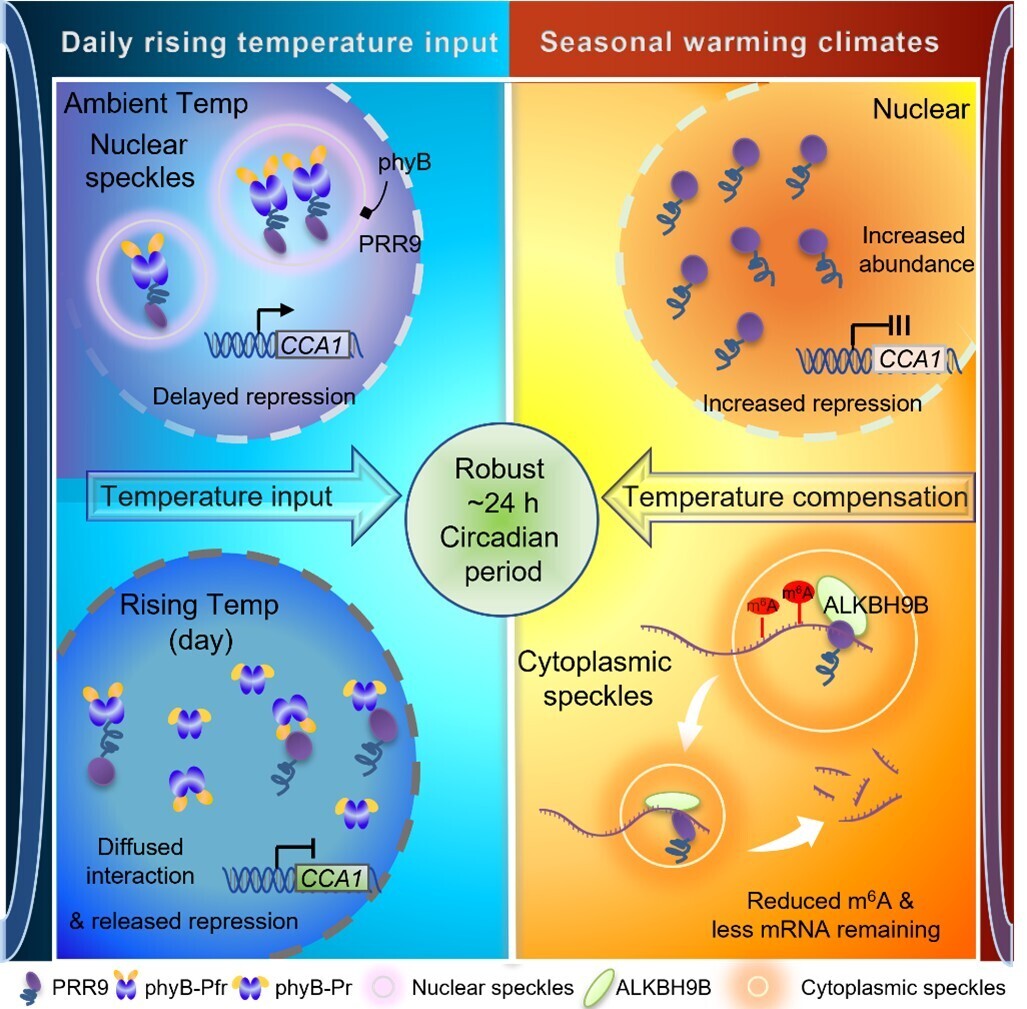
The greenhouse effect leads to a gradual increase in global temperatures. How plants sense temperature change and still maintain robust circadian rhythms with an approximately 24 h period is largely unclear. In a study published in Developmental Cell , a research team led by Prof. WANG Lei from the Institute of Botany of the Chinese Academy of Sciences revealed that a key protein inside plants, cl
Environment & ClimateEvolutionProteins#Chinese Academy of Sciences#Research News#Evolution#Proteins#climate#decarbonization
Large earthquakes can dramatically reshape mountain landscapes by triggering thousands of landslides and rapidly accelerating erosion. However, the reasons why some mountain regions experience intense, long-lasting erosion after large earthquakes while others show only limited responses remain poorly understood. A new study published in Geology reveals that topography is the key factor controlling
Environment & Climate#Chinese Academy of Sciences#Research News#climate#decarbonization
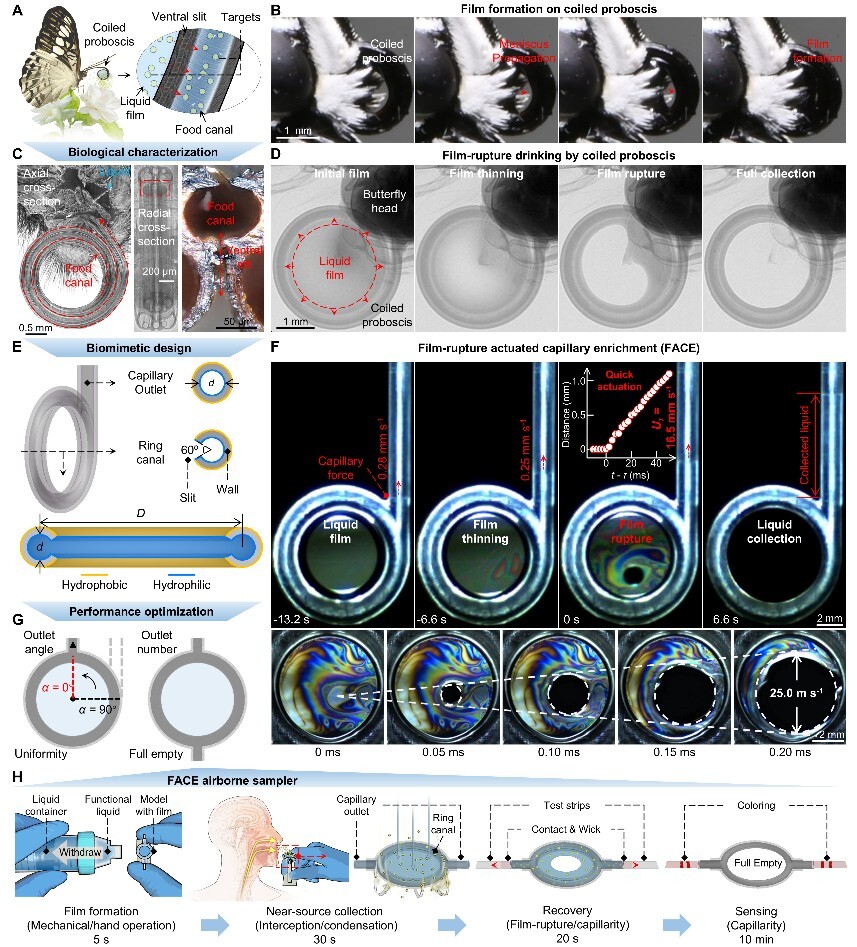
Respiratory infectious diseases and air pollution remain persistent global health challenges. Yet the tools used to monitor airborne threats are often expensive, power-hungry, and difficult to deploy outside laboratories. Now, researchers at the Technical Institute of Physics and Chemistry (TIPC) of the Chinese Academy of Sciences (CAS) have turned to an unlikely teacher for a solution: a butterfl
Medical ResearchEnvironment & ClimateTechnology & Innovation#Chinese Academy of Sciences#Research News#medical research#clinical research#climate#decarbonization#advanced materials#innovation
Environment & ClimateWashington University in St. Louis
Machine learning doesn’t replace human intelligence, but it can outlast human endurance, which makes it a very helpful tool for chemistry and material discovery. Scientists know the machine learning models can make predictions based on the vast reams of data it is trained on, but can it take it a step further and massively scale up testing out those predictions? “We already see that AI is powerful
Environment & ClimateTechnology & InnovationData & Computer Science#Washington University in St. Louis#Newsroom#climate#decarbonization#advanced materials#innovation
Environment & ClimateUniversity of California, Riverside
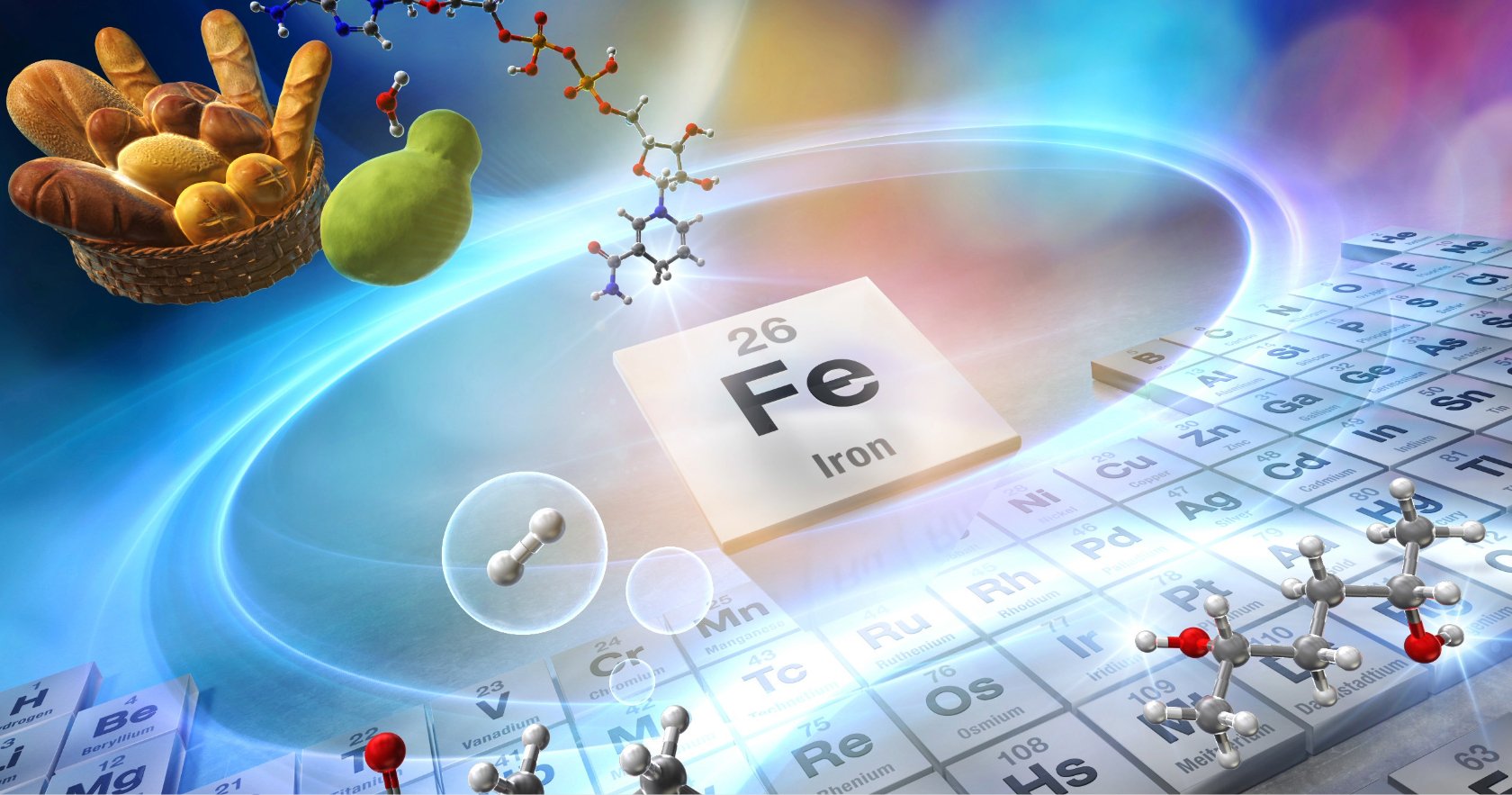
Hydrogen gas (H₂) is widely regarded as a promising clean energy source. By weight, it stores nearly three times more energy than gasoline, and its use does not directly release carbon dioxide (CO₂). Yet most H₂ is still produced from fossil fuels through CO₂-intensive processes. Storing and transporting this energy-rich gas are also costly and technically challenging. Therefore, developing sustai
Thanks to significant philanthropic and foundation support over the last year, students across American University’s College of Arts and Sciences are turning what they learn into real-world impact.
Space & AstronomyEnvironment & ClimateResearch#American University#Research News#Research · August 20#research#astronomy#astrophysics#climate#decarbonization
Environment & ClimateNational Research Council of Science & Technology
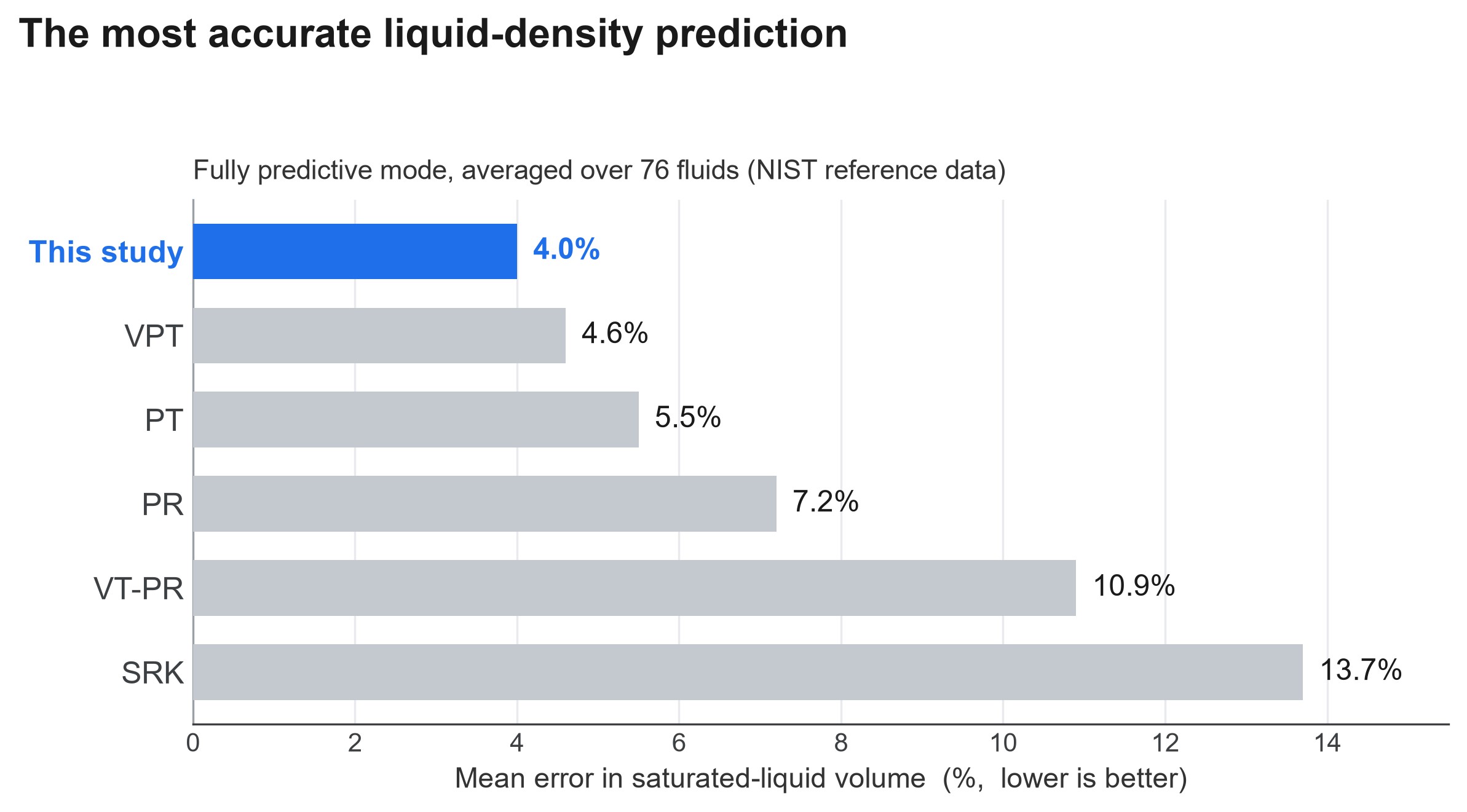
- Tetrode’s 1913 Idea Provides a Physical Basis for Cubic Equations of State - Korea Institute of Civil Engineering and Building Technology (KICT, President Park, Sun-Kyu) has developed a new cubic equation of state (EOS) that provides a physical justification for a mathematical structure that the chemical and petroleum industries have relied on for more than half a century without a first-princip
Environment & ClimateEnergy Policy#National Research Council of Science & Technology#GRIs News#Korea Institute of Civil Engineering and Building Technology (KICT)#KICT#climate#decarbonization#energy policy
Vulkanen roken. Onder een vulkaan bevindt zich een enorme kamer vol vloeibaar magma. Een reeks aardbevingen betekent dat een uitbarsting op komst is. En als een ‘supervulkaan’ als Yellowstone ontwaakt, staat ons een wereldwijde catastrofe te wachten. Het zijn beelden en ideeën die regelmatig opduiken in nieuwsberichten, documentaires en op sociale media. Maar wetenschappelijk zitten ze vaak veel i
Environment & ClimateResearch#Vrije Universiteit Brussel#VUB Today#Wetenschap en onderzoek#climate#decarbonization
Environment & ClimateUniversity of British Columbia
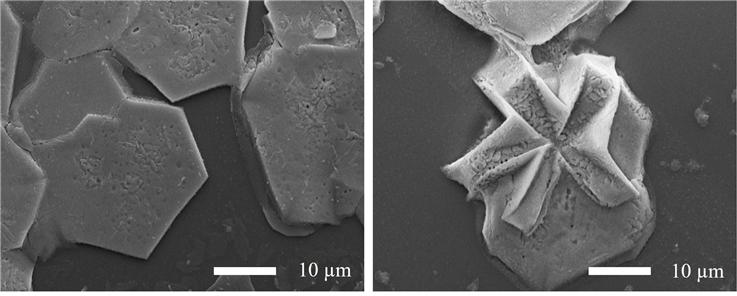
- KIMS, Pusan National University, Incheon National University, and Macquarie University Develop an Ultrasensitive Ammonia Gas Sensor Based on Eco-Friendly Perovskite Materials # Lead-free antimony-based perovskite enables highly sensitive ammonia detection down to 1 ppm # Newly identified sensing mechanism reveals reversible ammonia intercalation and enhanced electrical conductivity, offering pot
Environment & ClimateEnergy InfrastructureTechnology & Innovation#National Research Council of Science & Technology#GRIs News#Korea Institute of Materials Science (KIMS)#KIMS#climate#decarbonization#grid#energy security
With support from Lilly Endowment Inc., Wake Forest University’s Educating Character Initiative (ECI) has awarded $20.5 million in Institutional Impact Grants to 44 projects directly impacting 49 colleges and universities. Each institution will undertake a long-term initiative to advance character education for undergraduates.
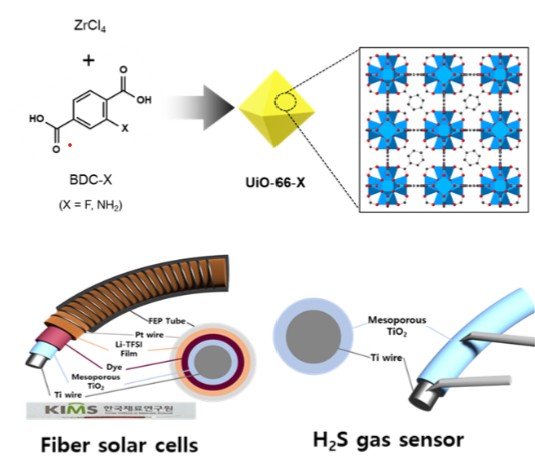
- KIMS and Pusan National University Develop Next-Generation Multifunctional Fiber-Based Electronic Device # A Single Fiber Simultaneously Generates Electricity and Detects Hydrogen Sulfide Gas # Self-Powered Safety Sensor Shows Promise for Smart Clothing, Industrial Safety Monitoring, and Next-Generation IoT Sensors CHANGWON, South Korea — Korea Institute of Materials Science (KIMS), led by Presi
Environment & ClimateTechnology & Innovation#National Research Council of Science & Technology#GRIs News#Korea Institute of Materials Science (KIMS)#KIMS#climate#decarbonization#advanced materials#innovation
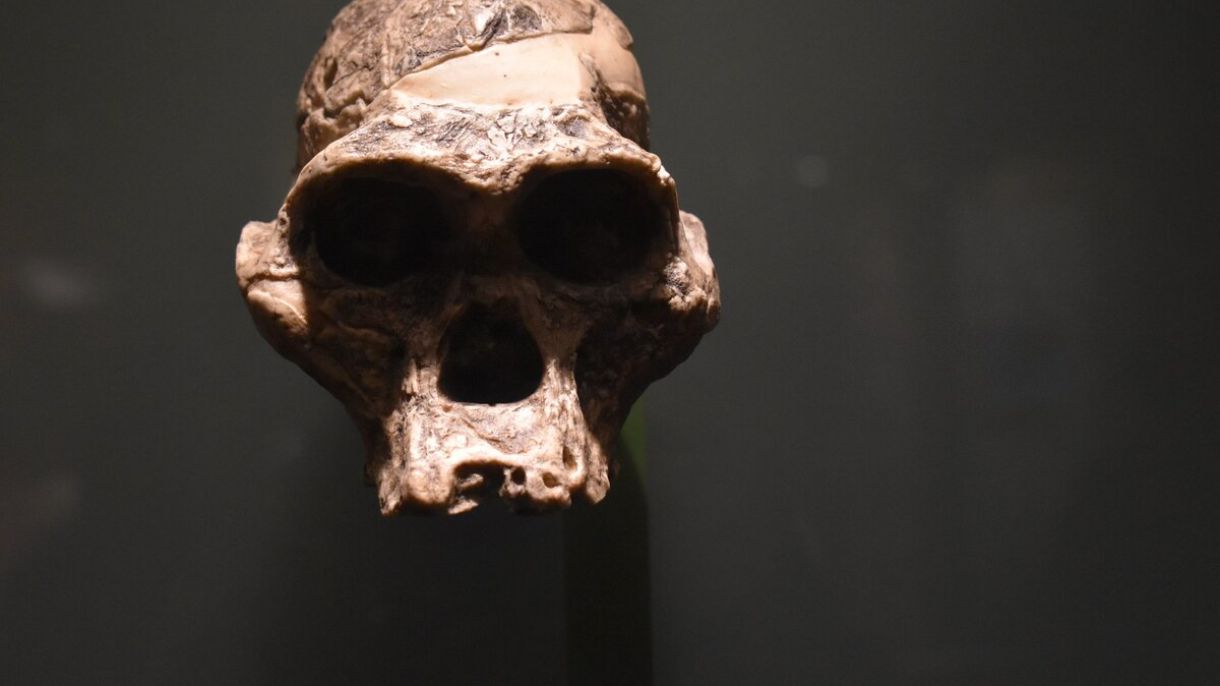
Macho is sedert september actief aan de Vrije Universiteit Brussel, waar ze het researchteam van AMGC (Archaeology, Environmental Changes & Geo-Chemistry Research) komt versterken. “Dat is een fantastische kans”, zegt Macho, “aangezien het onderzoek van PLIODIS perfect aansluit bij de doelstellingen van AMGC en hoogstwaarschijnlijk nieuwe synergiën zal creëren rondom de analytische laboratoria.” H
- KIST Develops AI Ocean Prediction Model That Simulates Atmosphere-Ocean Interactions - Generates 200 days' worth of global ocean forecasts in just a few seconds using a single GPU With the development of this year's Super El Niño, extreme weather events are occurring frequently around the world, such as the heatwave in Western Europe in June that saw temperatures exceed 40°C. As climate change i
Environment & Climate#National Research Council of Science & Technology#GRIs News#Korea Institute of Science and Technology (KIST)#KIST#climate#decarbonization#Korea Institute of Science and Technology
Environment & ClimateNational University of Singapore
Prof Heng Chye Kiang (7th from the right), Dr Xue Xuan, first author of the paper (8th from right), and Prof TC Chang, fourth author of the paper (9th from right) at a presentation of their research. Researchers from the National University of Singapore (NUS) College of Design and Engineering (CDE), led by Professor Heng Chye Kiang ( Department of Architecture ), have developed a computational fra
Environment & Climate#National University of Singapore#CDE Research News#Cde News#Research Impact#climate#decarbonization
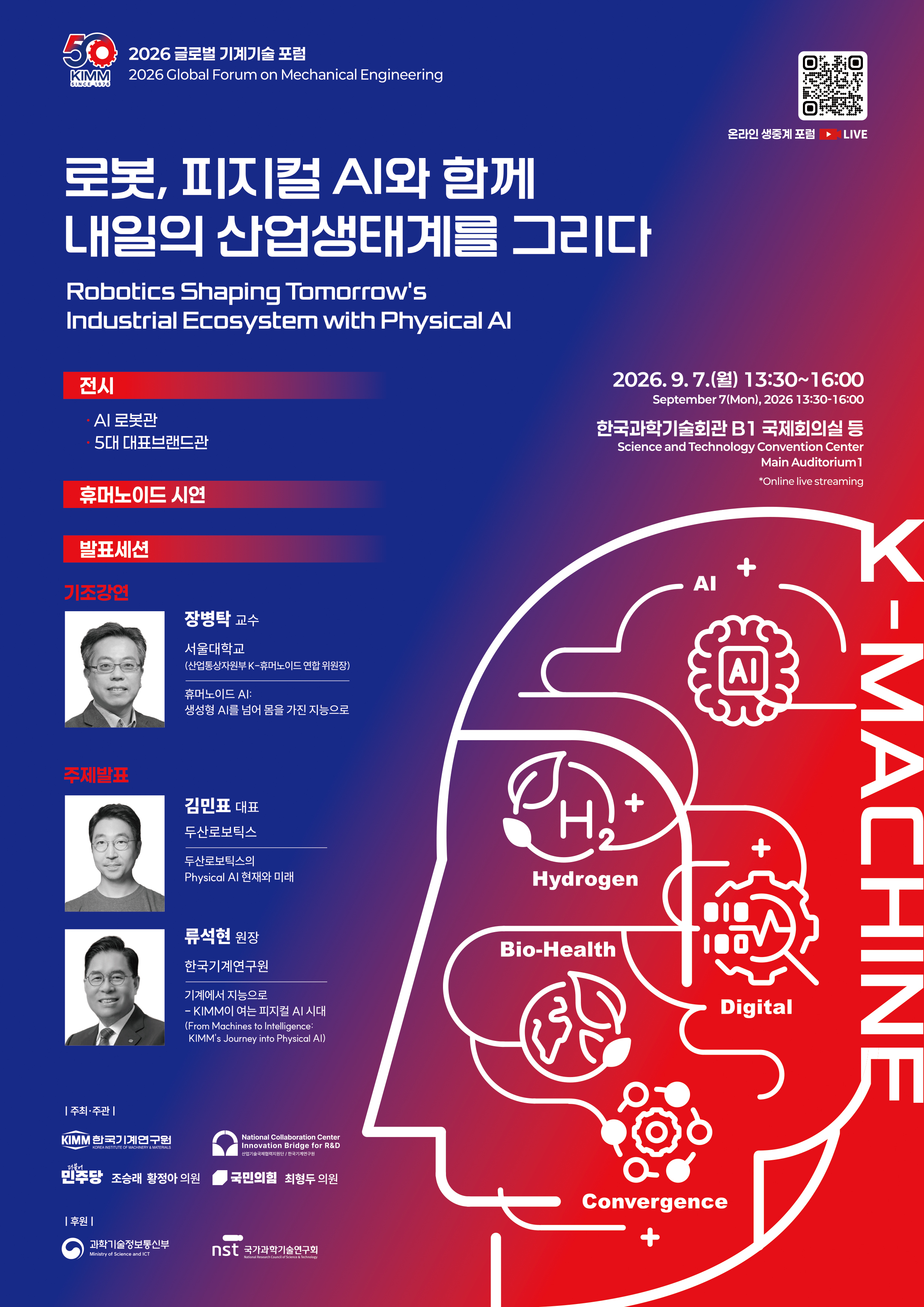
- Forum to spotlight the future of Physical AI and humanoid robotics at Science and Technology Convention Center on September 7 - - Live demonstration of Korean humanoid robot “KAIROS,” featuring presentations by Professor Byoung-Tak Zhang of Seoul National University and CEO Min-Pyo Kim of Doosan Robotics - - Exhibition to showcase AI robots and KIMM’s five flagship research brands, with the foru
Environment & Climate#National Research Council of Science & Technology#GRIs News#Korea Institute of Machinery and Materials (KIMM)#KIMM#climate#decarbonization#Korea Institute of Machinery and Materials