Americans are deeply divided. At least that's what we've been told for years. But how divided are we really? A new review suggests the answer may depend on how researchers ask the question.
Research#University of Michigan#Law & Politics#News Releases#division#elections#Politics#Michigan News
As you walk onto the stage to perform a piano solo, you hear the echo of your shoes on the stage floor. You shield your eyes from the bright lights and take your seat at the grand piano.
Research#University of Michigan#Arts / Culture#Health#News Releases#Science & Technology#music#smtd#virtual reality
Smartwatches can provide useful health information, but many of those numbers are algorithmic estimates rather than direct measurements of the body, and some outputs are more accurate than others, a new University of Michigan study found.
Research#University of Michigan#Health#News Releases#Science & Technology#Data#sensor#Michigan News
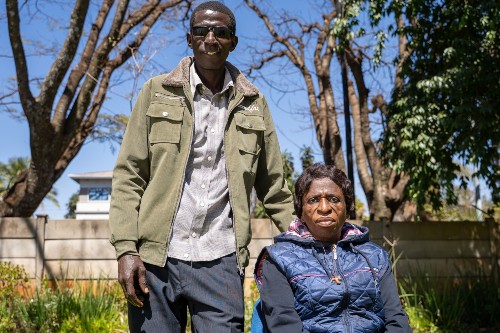
Life expectancy is rising more rapidly in Africa than in any other continent globally. A new University of Bristol-led study, published in The Lancet Regional Health - Africa, has shown that the age at which people are diagnosed with tuberculosis in Zimbabwe increased by approximately 12 years over a 24-year period. The findings highlight the need to adapt tuberculosis services to an ageing population.
ResearchMedical Research#University of Bristol#Health#International#research#Faculty of Health and Life Sciences#Bristol Medical School#Institutes#Elizabeth Blackwell
An international study of more than a million people has substantially advanced our understanding of how genetic differences contribute to our personalities. The findings, published in Nature, could help scientists understand why certain personality traits are linked to differences in health, wellbeing and life outcomes.
ResearchPress ReleasesMedical Research#University of Bristol#research#Faculty of Health and Life Sciences#Bristol Medical School#MRC Integrative Epidemiology Unit#Press Release#Bristol#medical research
Over the weekend, parts of the interview aired on TV stations across 104 markets and countries, including New York City, Atlanta, Washington, D.C., Australia, South Korea and Vietnam.
ResearchEnvironment & Climate#University at Albany#research#climate#decarbonization
A student-designed bird-friendly window mural will soon transform the elevated walkway connecting Weiser Hall and the North University Building, part of a broader effort to reduce bird collisions and support biodiversity at the University of Michigan.
Research#University of Michigan#Arts / Culture#News Releases#sustainability#Michigan News
Children might feel relieved when their teacher spares them from punishment and allows them to go to recess despite sneaking in a cell phone or running in the hallway.
Research#University of Michigan#Education & Society#News Releases#kids#Psychology#Michigan News
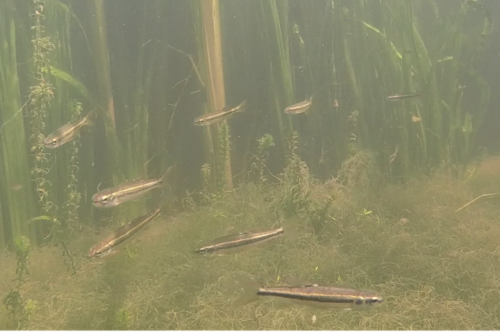
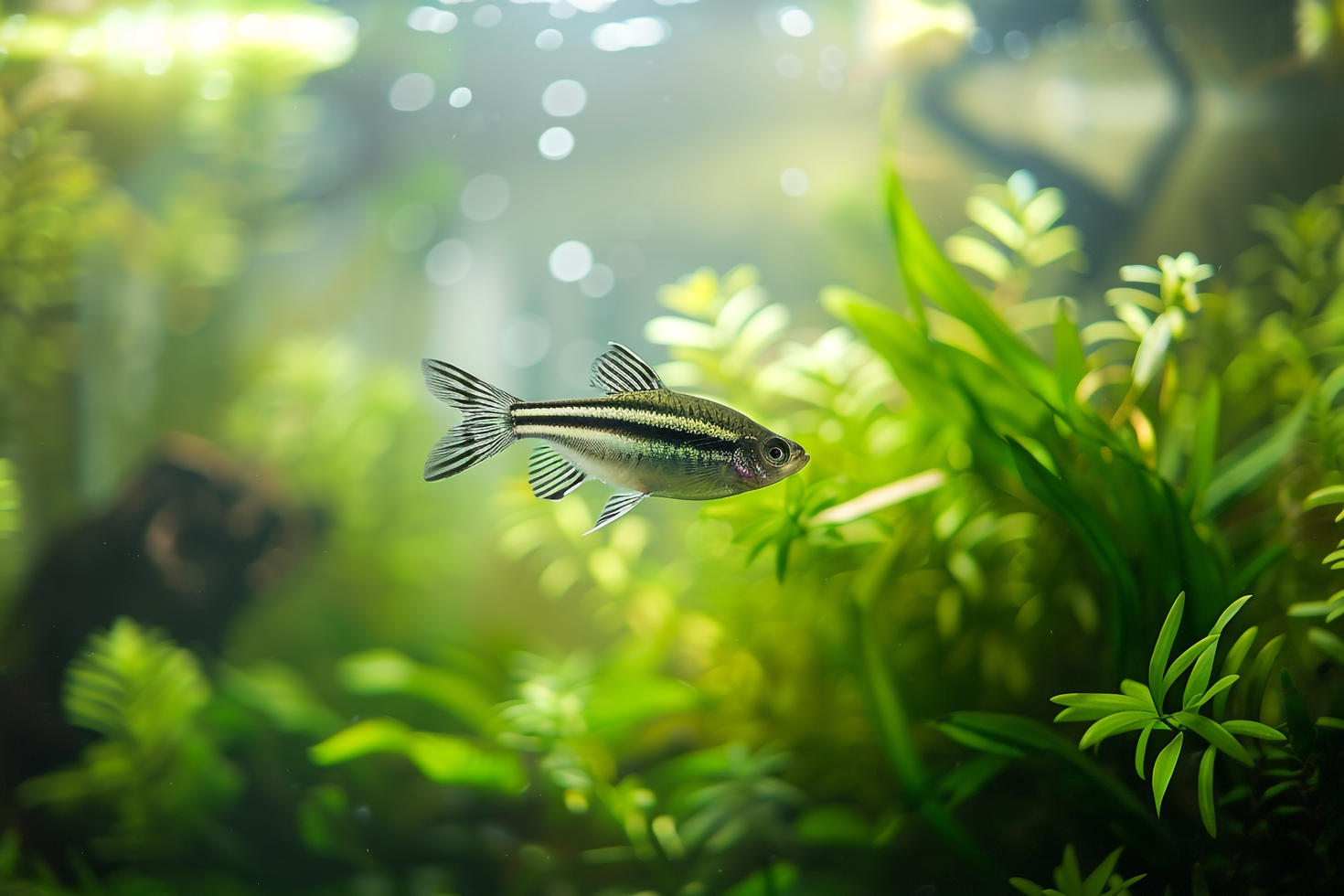
Stickleback fish can change their social behaviour to help them find food in cloudy water a new study by the University of Bristol and published in Proceedings of the Royal Society B today [Wednesday 2 September 2026] has found.
ResearchPress Releases#University of Bristol#research#Faculty of Health and Life Sciences#School of Biological Sciences#Press Release#Bristol
As the nation marks its 250th anniversary, America’s rising generation is grappling with a profound sense of estrangement from traditional national pride. Rather than embracing uncritical flag-waving, young Americans view the present state of the union with deep skepticism—even while carving out enduring grounds for optimism rooted in community action, mutual care, and inclusive democratic values.
Research#American University#Research News#Research · September 2#research
Nelson Bay orthoreovirus (NBV) was initially discovered in a bat sample but has since been isolated from patients with acute respiratory tract diseases. Accumulating reports of NBV isolation from patients with respiratory tract viral infections suggest that NBV is able to transmit and cause disease in humans. However, the underlying molecular mechanisms remain unclear. We previously established a
Welcome to Yale Afternoons with Alison! In this series, Alison Cole ’99 , executive director of the YAA, meets with university leaders to learn more about their priorities and how the alumni community can support them. All conversations occur at Rose Alumni House, the home of the alumni association and a hub for activity on campus. Bring your favorite beverage and enjoy the conversation.
ResearchParticle PhysicsEnvironment & Climate#Yale University#research#Yale#Yale News#Particle Physics#High Energy Physics#climate#decarbonization
From incorporating natural resources into GDP to building sustainable cities to strengthening drivers of carbon removal, Yale School of the Environment faculty and alumni will be discussing how long-term climate goals can translate into scalable, deployable solutions at Yale @ Climate Week NYC .
Global scientists have encountered an intriguing particle interaction in their search for dark matter, which might help pave the way for answering one of the biggest unresolved questions about our universe.
ResearchSpace & Astronomy#University of Bristol#Alumni#Announcements#International#Postgraduate#Public engagement#Publications#research
If you’ve ever watched a baby try to grab a toy, you know how awkward those first movements can be. Scientists at the University of Ottawa have taken a big step in identifying the neural changes behind motor control by observing zebrafish go from clumsy swimmers to graceful gliders.
ResearchLife Sciences#University of Ottawa#research#genomics#biology
Across 69 million images of historical documents lies a vast record of Canada’s history, from immigration and public policy to scientific discovery and family histories. Now, a University of Ottawa–led project is making those stories easier to find.
How protective is air conditioning in preventing deaths amid soaring temperatures and record heat levels? Yale researchers found that AC usage cut the amount of annual heat-related deaths by half in the U.S., saving more than 5,000 lives a year. However, while AC is a highly effective heat-adaption tool, protective effects level off once usage passes a certain point. On days of extreme heat, risk
ResearchFusion EnergyMedical Research#Yale University#research#Yale#Yale News#fusion#plasma physics#medical research#clinical research