The StartBlue Ocean Enterprise Accelerator program led by Scripps Institution of Oceanography and the Rady School of Management at UC San Diego is welcoming its newest cohort of innovators ready to take their ocean-related ideas to the next level.
ResearchParticle PhysicsEnvironment & Climate#University of California San Diego#UC San Diego#UCSD Today#Particle Physics#High Energy Physics#climate#decarbonization
The Academy’s Fellowship is made up of distinguished individuals from academia, the public, private and third sectors. Fellows are selected following a robust and independent peer-review process in recognition of the significant impact of their work in helping address some of the toughest challenges facing society. Professor Lucy Griffiths is Professor of Epidemiology at Swansea University Medical
Medical ResearchEnvironment & ClimateResearch#Swansea University#Swansea Press Office#medical research#clinical research#climate#decarbonization
Growing up in Carlsbad, Elise Nishimura developed an early appreciation for the environment. Now a junior Environmental Systems major and UC San Diego softball player, she combines her academic and athletic passions through EcoAthletes, using her voice to inspire climate action.
ResearchEnvironment & Climate#University of California San Diego#UC San Diego#UCSD Today#climate#decarbonization
Over the weekend, parts of the interview aired on TV stations across 104 markets and countries, including New York City, Atlanta, Washington, D.C., Australia, South Korea and Vietnam.
ResearchEnvironment & Climate#University at Albany#research#climate#decarbonization
An international search will begin for the new Director of Adelaide University's Australian Institute for Machine Learning, as Professor Simon Lucey steps down from 7 September.
Research#Adelaide University#Adelaide
Environment & ClimateUniversity of British Columbia
Extreme heatwaves disrupt life in soil. Soil bacteria that produce and resist antibiotics switch into survival mode, temporarily reducing the number of resistance genes. At the same time, heat and drought are causing significant damage to soils and ecosystems, especially in cold, wet regions such as the Netherlands. This is evident from a large-scale European study by soil ecologist Franciska de Vries (University of Amsterdam) and colleagues.
Medical ResearchEnvironment & Climate#University of Amsterdam#medical research#clinical research#climate#decarbonization
While most Australians assume the ivory trade ended decades ago, Adelaide University research has found an active collectors' market exists online, with most listings showing no proof the items are legal.
Nearly two-thirds of Australian children surveyed in a recent study have received at least one form of grooming-related communication from a stranger online in the past year, while almost one-third reported receiving direct requests for sexual information or interactions.
Judges are often accused of sitting in an ivory tower. Wrongly accused, says Nienke Doornbos, associate professor of Sociology of Law at the University of Amsterdam. She researched courtroom culture in civil cases, focusing on the role of judges. ‘It is important for the acceptance of the judiciary that people feel heard.’
Environment & Climate#University of Amsterdam#climate#decarbonization
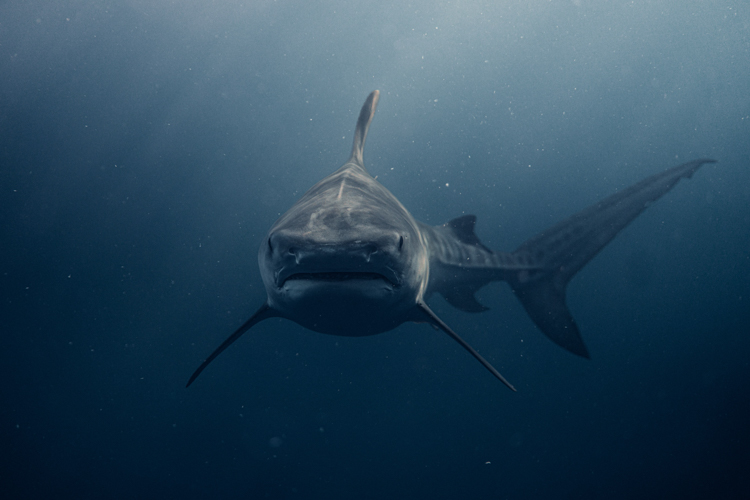
New research from Adelaide University has found people who have more realistic understanding of shark behaviour, have a more positive view towards their conservation.
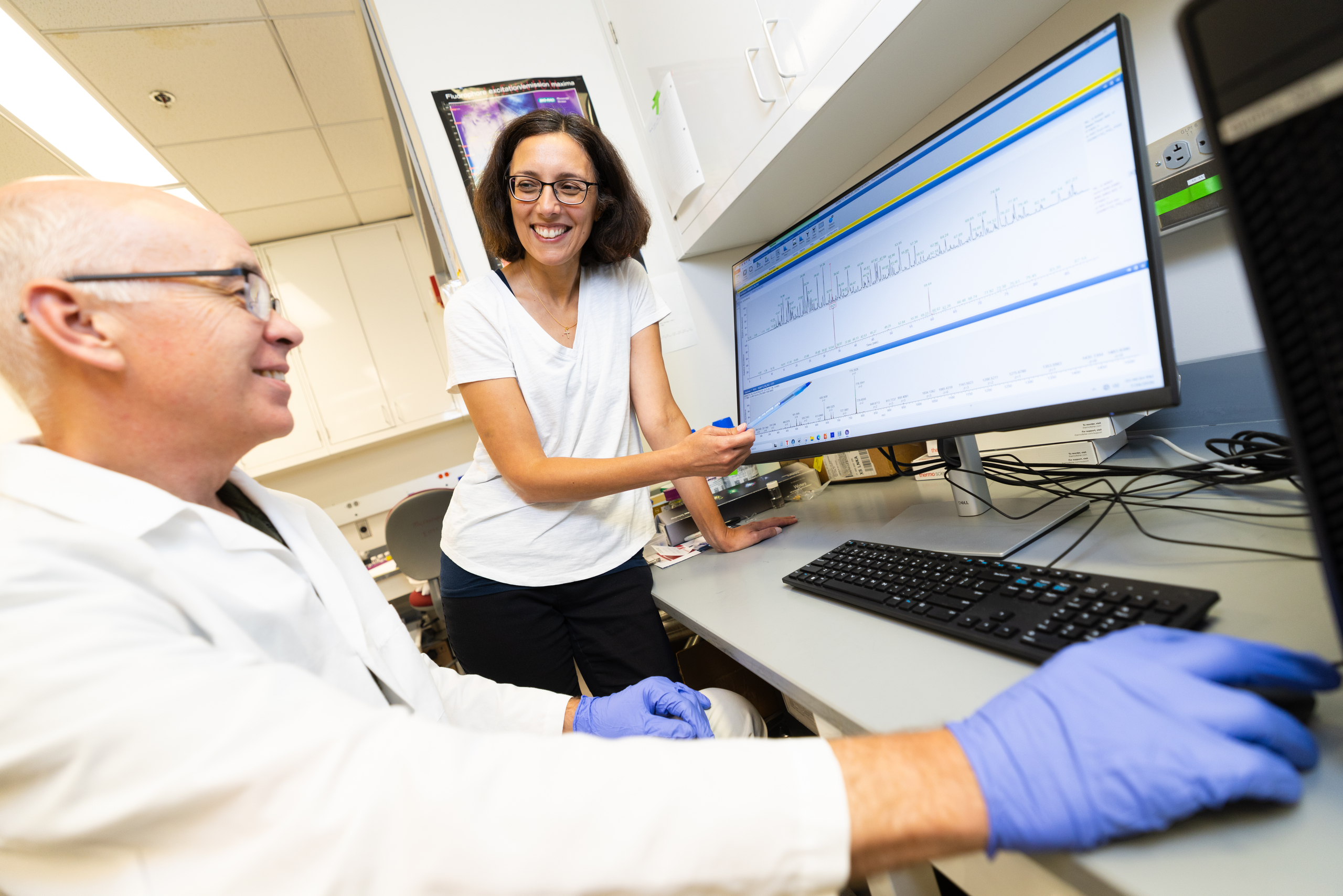
Researchers at the University of Nebraska–Lincoln and other institutions now have access to one of the most advanced platforms available for high-throughput proteomics thanks to a new state-of-the-art mass spectrometry instrument installed in the Nebraska Center for Biotechnology’s Proteomics and Metabolomics Facility.
News & InformationNews for ResearchersEnvironment & Climate#University of Nebraska–Lincoln#Center for Biotechnology#Core Facilities#News for Researchers#Research News#News & Information#climate#decarbonization
Dr. Teun Munnik has been appointed Professor of Plant Cell Biology at the University of Amsterdam. Munnik is affiliated with the Swammerdam Institute for Life Sciences (SILS) at the Faculty of Science. The appointment came into effect on 1 January 2026. As professor, Munnik will further strengthen research and education in molecular cell biology within the Swammerdam Institute for Life Sciences.
Life SciencesEnvironment & Climate#University of Amsterdam#genomics#biology#climate#decarbonization
A CU Boulder mountain geographer explains how rising temperatures are destabilizing mountains and increasing the risk of landslides, glacial floods and other potentially catastrophic hazards around the world.
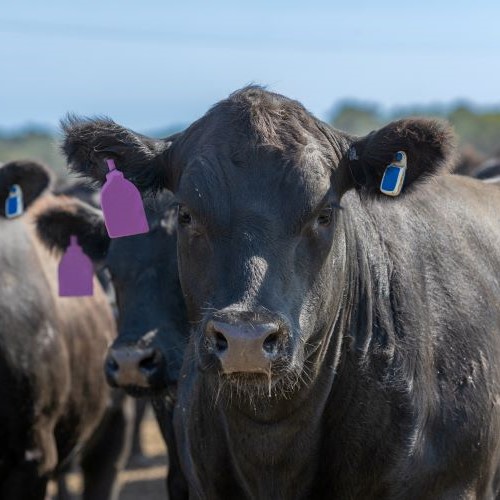
New research involving more than one million Australian feedlot cattle has found that the strongest predictors of death from bovine respiratory disease (BRD) are established before animals even enter the feedlot, highlighting the importance of preventive measures on source properties.
ResearchMedical Research#Adelaide University#Adelaide#medical research#clinical research
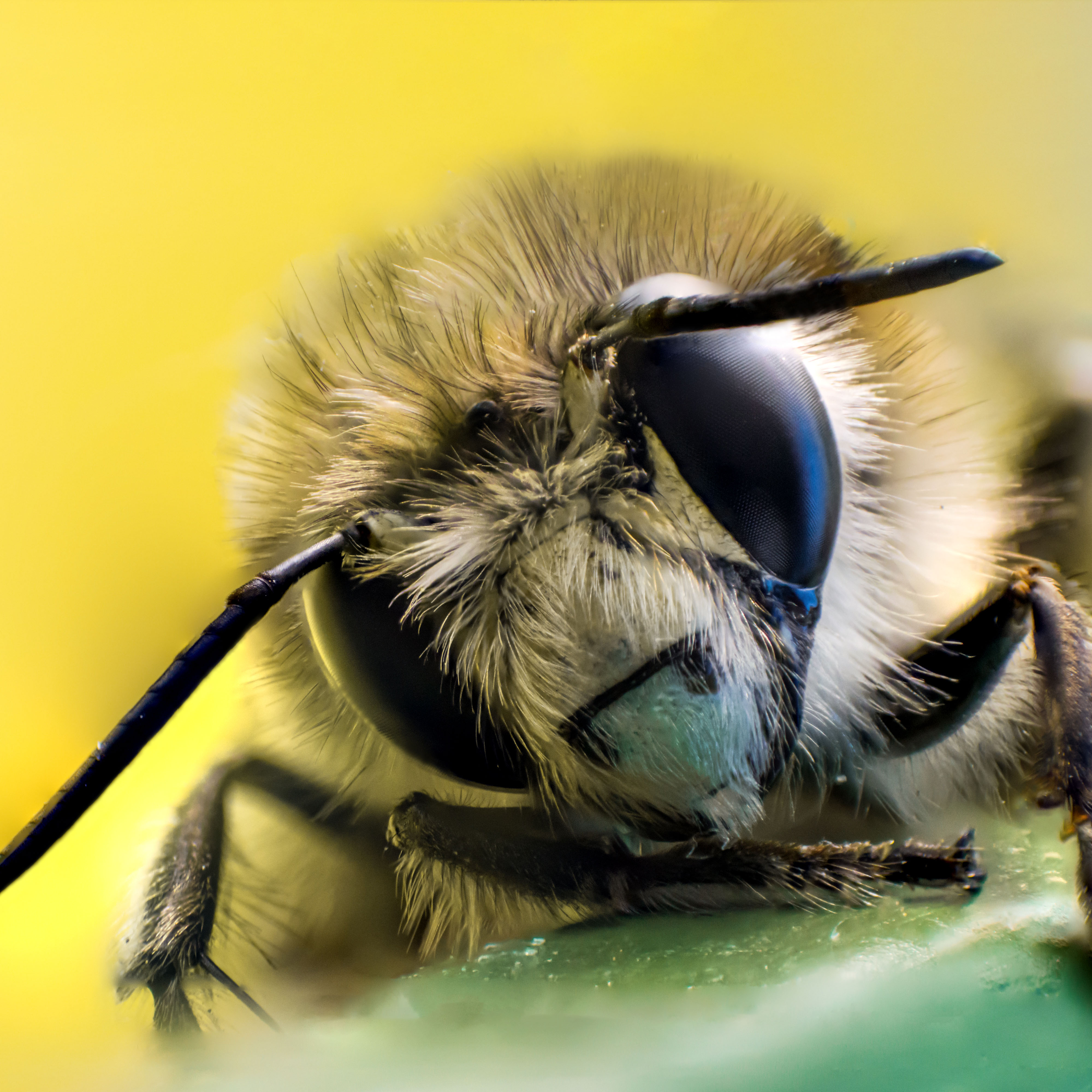
Honey bees have long been the model species for studying insect vision. However, new research shows that several smaller bee species might actually have sharper eyesight.
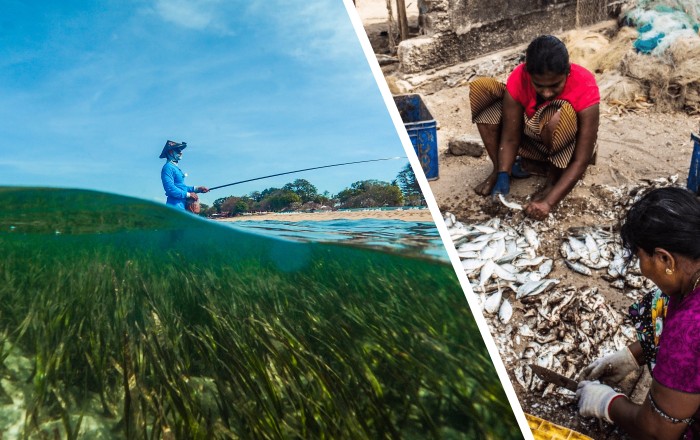
The research found that at least 18 million people living in poverty fish in seagrass meadows across the Indo-Pacific. Of these, around 6.5 million are entirely dependent on the habitat for both food and fishing-related income. The study also revealed that households living in extreme poverty were significantly more likely to rely on seagrass meadows for all their fishing activities. Seagrass-depe
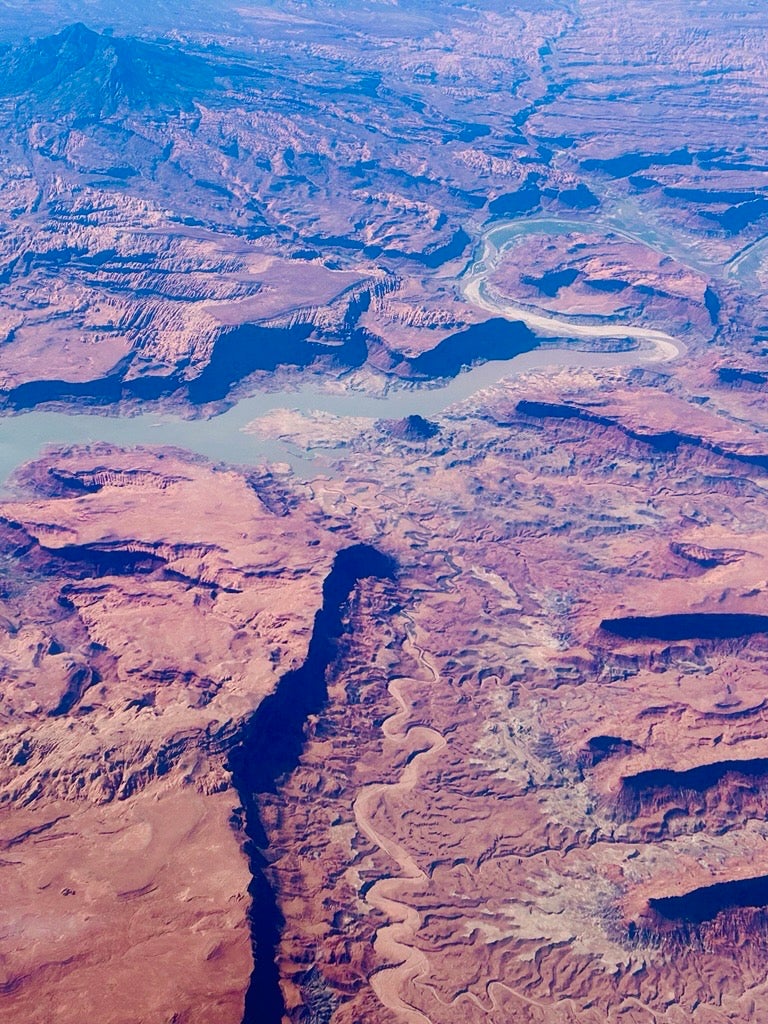
The federal government just unveiled an aggressive plan to help conserve the mighty Colorado. Will it work? And if not, what will? Water policy veteran Doug Kenney offers insight.
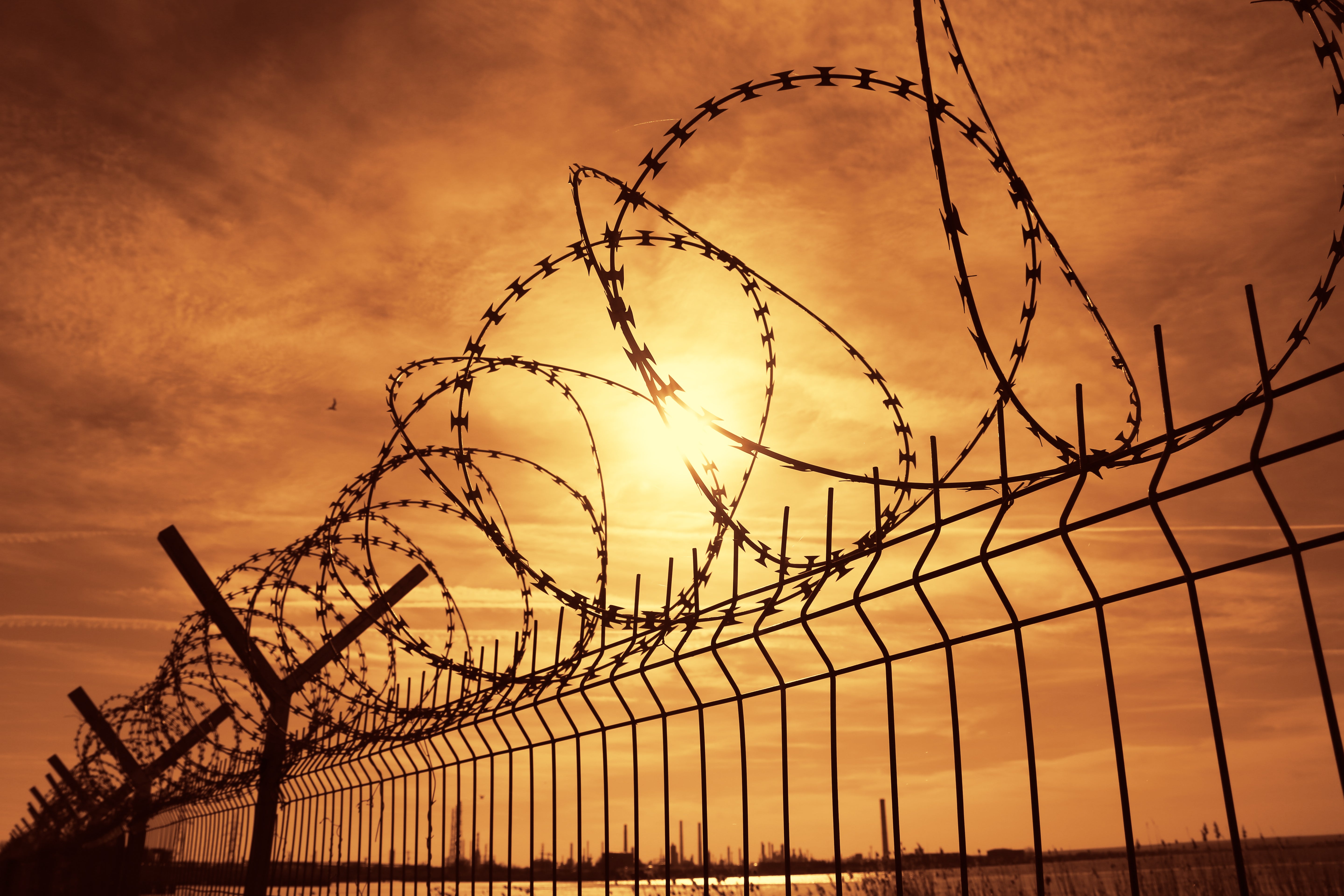
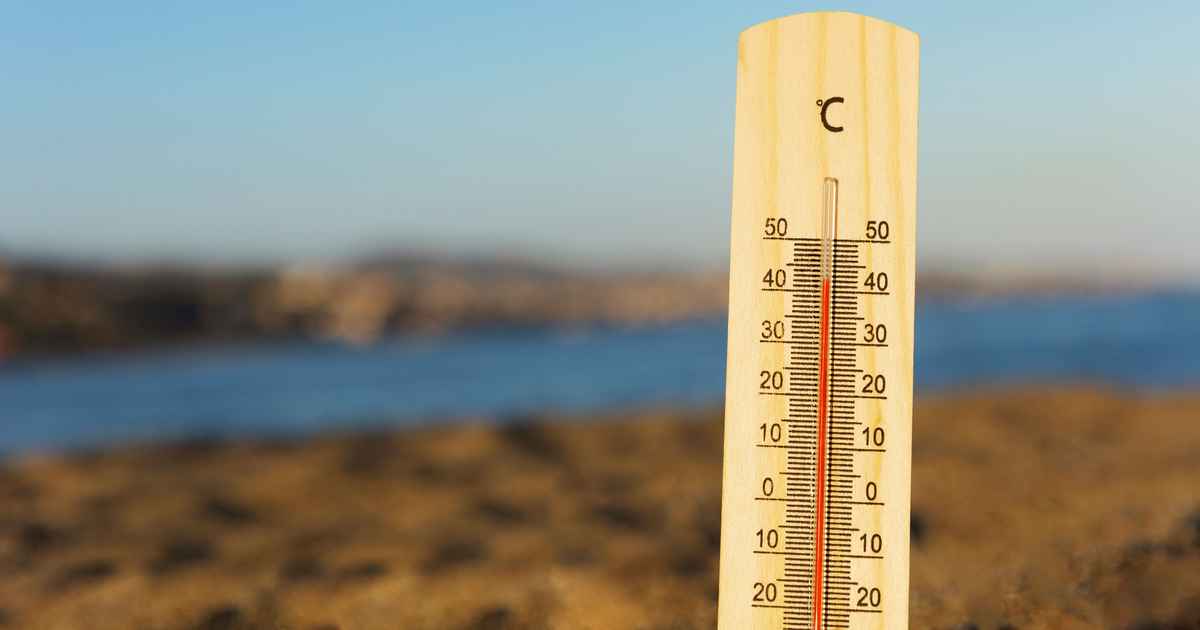
As climate change drives more frequent and prolonged heat waves, CU Boulder and CU Anschutz researchers are working with formerly incarcerated people to understand conditions inside prisons and develop ways to reduce health risks.
Environment & Climate#University of Colorado Boulder#CU Boulder#CU Boulder Today#climate#decarbonization







_800x420.jpg)