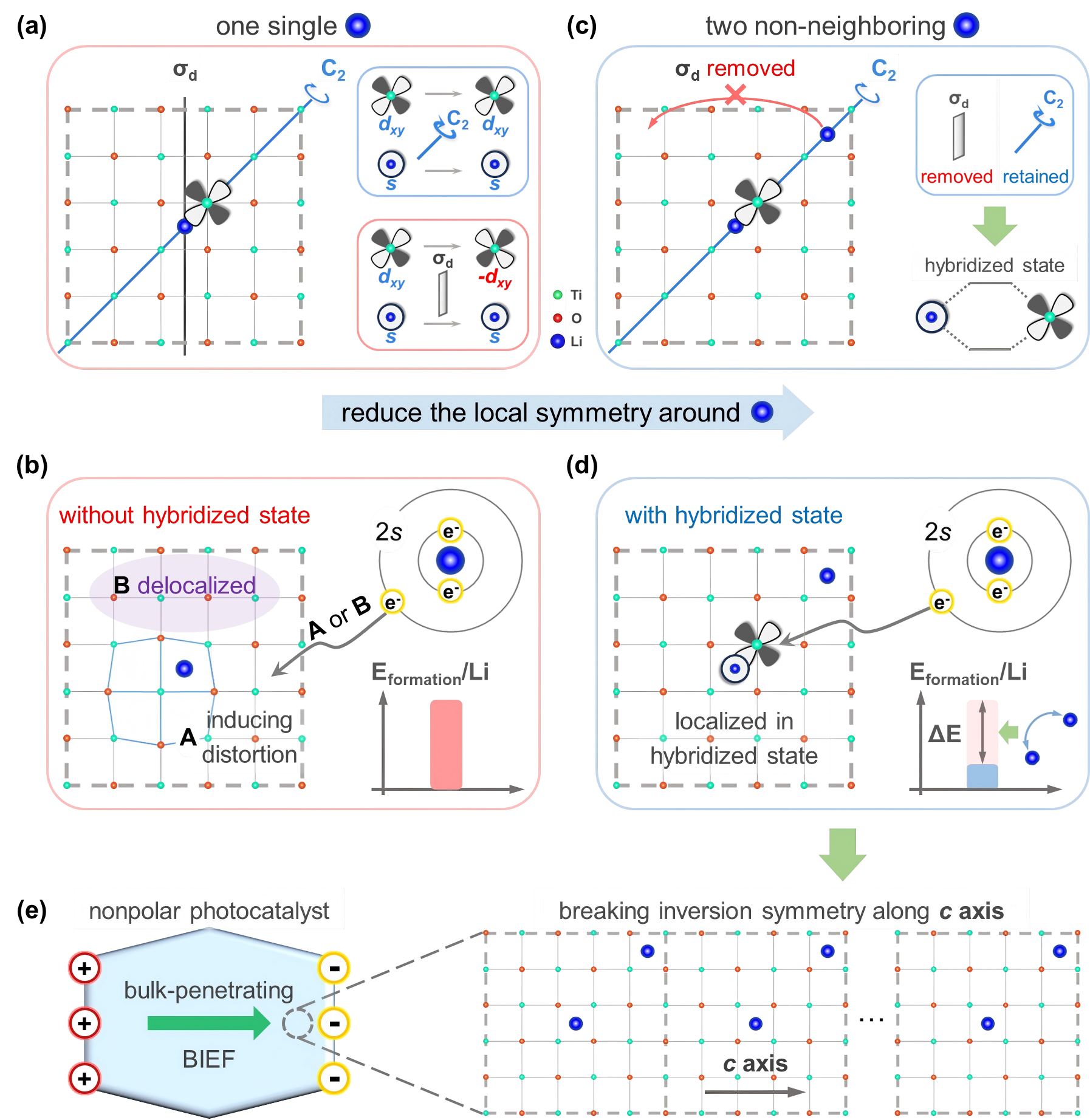
A research team from the Institute of Metal Research (IMR) of the Chinese Academy of Sciences, together with collaborators, has revealed a new mechanism by which spatially ordered heteroatoms induce bulk polarization in nonpolar semiconductor photocatalysts, offering a promising pathway to overcoming the long-standing challenge of efficient charge separation for solar water splitting. Their findin
CatalysisChemical Engineering#Chinese Academy of Sciences#Research News#Catalysis#Chemical Engineering#Green Energy
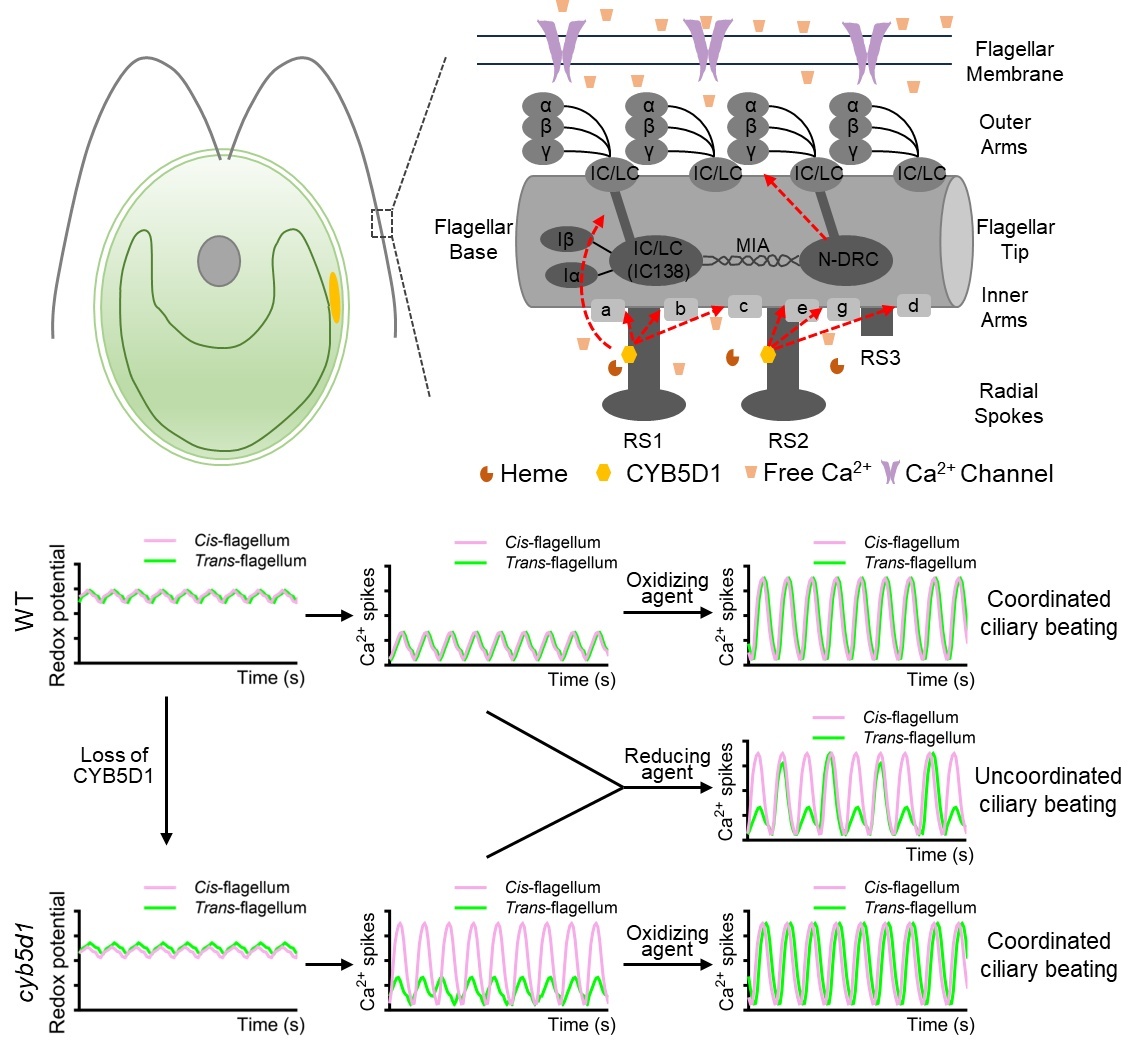
Cilia and flagella are antenna‑like organelles that project from the cell surface and are widely distributed from unicellular eukaryotes to mammals. Motile cilia must beat in a coordinated manner to generate productive fluid flow and drive cell motility, which is essential for processes such as sperm propulsion, mucociliary clearance in the airways, and cerebrospinal fluid circulation. Now, a rese
Medical Research#Chinese Academy of Sciences#Research News#medical research#clinical research
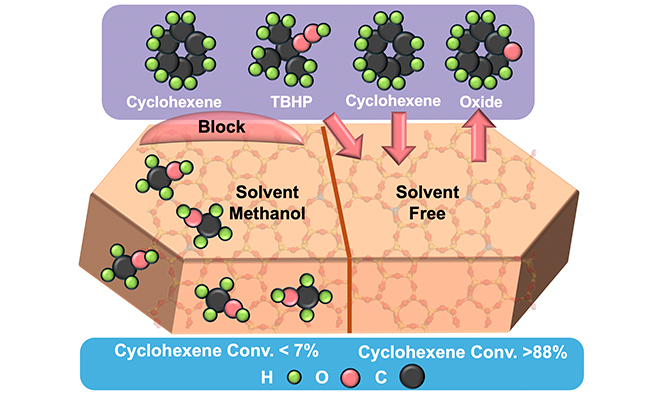
Solvent molecules can act as gatekeepers inside zeolite catalysts, limiting the space available for larger reactants to reach internal active sites. A recent study has shown that simply regulating where these solvent molecules reside can significantly enhance catalytic performance—without changing the catalyst's intrinsic micropore structure. The study, led by Assoc. Prof. XING Jiacheng, Prof. XU
Catalysis#Chinese Academy of Sciences#Research News#Catalysis