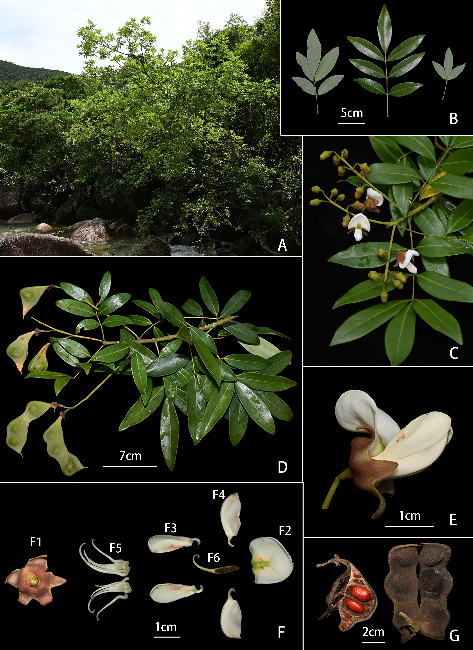
"Red berries grow in southern land, how many spring branches hold?" The red beans described by WANG Wei (701–761) in his poem have evoked the longing of the Chinese people for thousands of years. Today, right in the "southern land" mentioned in the poem—the Guangdong-Hong Kong-Macao Greater Bay Area—a research team has unveiled the identity of two new species of this very genus. Recently, a team l
Environment & Climate#Chinese Academy of Sciences#Research News#climate#decarbonization
Converting carbon dioxide ( CO 2 ) into glucose, myo-inositol, sucrose, starch and other valuable products has been considered an achievable process mainly through plant photosynthesis. Combining photocatalysts with carbon-fixing microorganisms faces challenges, including incompatible reaction environments, light-induced microbial damage and inefficient connections between upstream carbon fixation
Environment & ClimateCarbon Neutrality#Chinese Academy of Sciences#Research News#Carbon Neutrality#climate#decarbonization
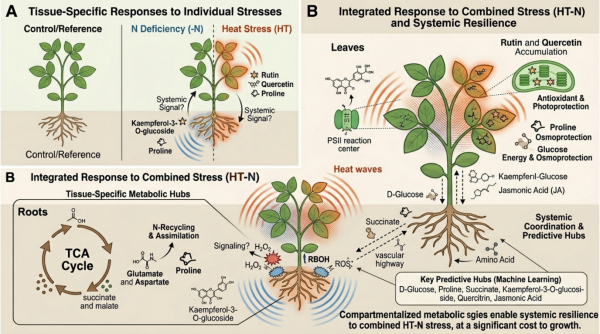
A new study has recently revealed how soybean roots and leaves employ distinct metabolic strategies under nitrogen deficiency and high-temperature stress, which may help guide the development of soybean varieties with enhanced heat tolerance and improved nitrogen-use efficiency. Led by Associate Prof . Mohsin Tanveer from the Xinjiang Institute of Ecology and Geography (XIEG) of the Chinese Academ
Environment & ClimateClimate#Chinese Academy of Sciences#Research News#climate#decarbonization
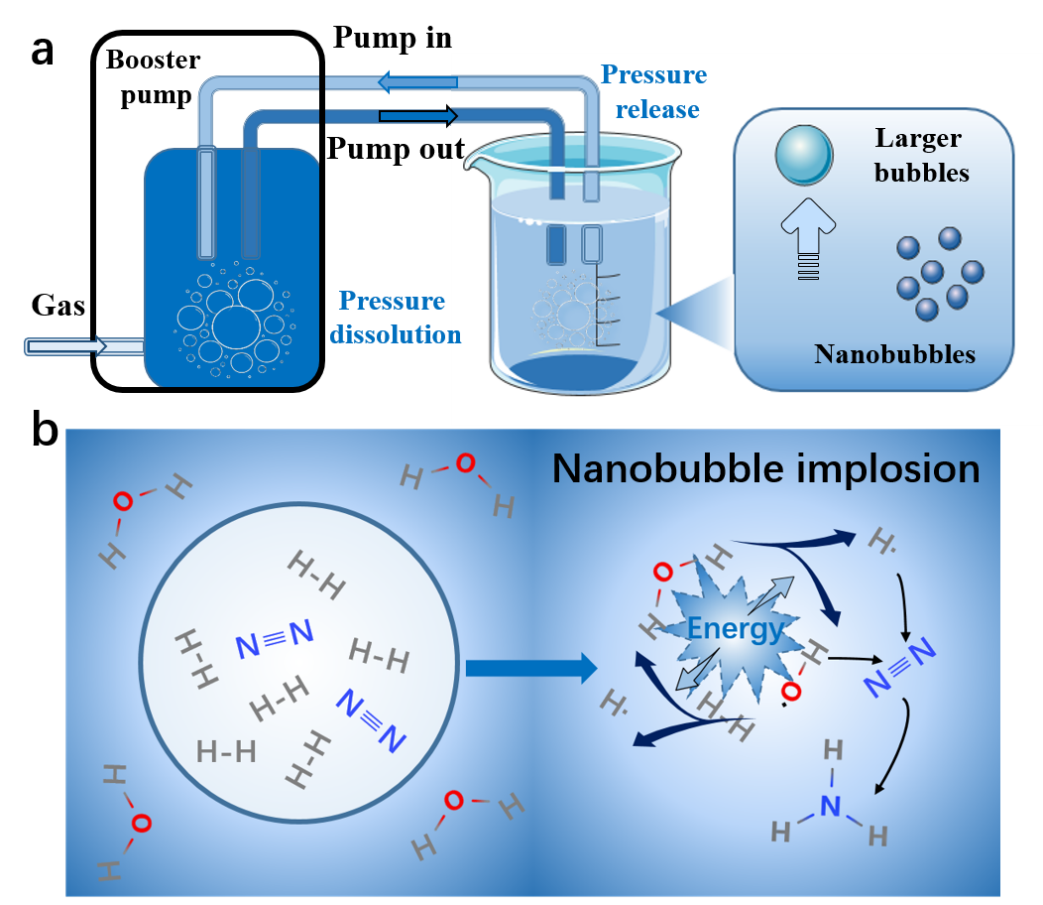
Ammonia is a cornerstone of global agriculture and a promising carrier for renewable energy storage. Yet nearly all of it is still produced via the Haber‑Bosch process, which operates above 400 °C and 200 atm, consumes about two percent of global energy, and emits large amounts of carbon dioxide. That is why finding a greener route under mild conditions has become a major challenge in chemistry an
Environment & ClimateNanotechnologyChemical Engineering#Chinese Academy of Sciences#Research News#Nanotechnology#Chemical Engineering#climate#decarbonization
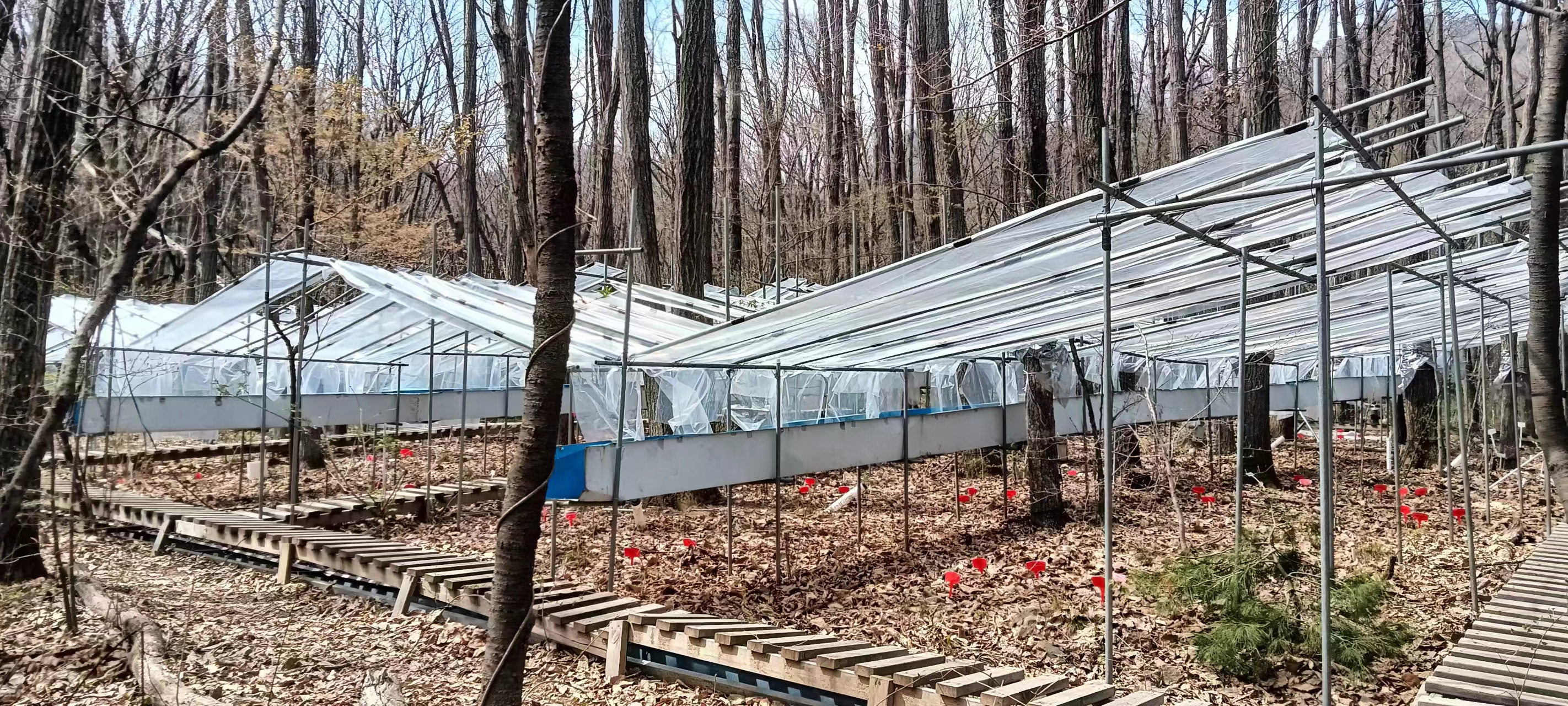
Forests support much of the world's biodiversity and play a vital role in regulating Earth's climate, but they are increasingly exposed to drought. To understand the potential consequences of drought, a key question is whether trees can acclimate to prolonged water stress by altering their physiology. Many p revious attempts to answer this question have relied on evidence from potted plants or nat
Environment & ClimateClimate#Chinese Academy of Sciences#Research News#climate#decarbonization
Understanding the uplift history of the Tibetan Plateau is key to grasping the geodynamic processes that formed the "Roof of the World," as well as its far-reaching impacts on regional and global climate and the evolution of Asian biodiversity. The Gangdese Mountains, which run along the southern margin of the Lhasa terrane, are central to this story and among the many topographic features of the
Environment & ClimateQinghai-Tibet Plateau#Chinese Academy of Sciences#Research News#Qinghai-Tibet Plateau#climate#decarbonization
Atmospheric aerosols absorb and scatter solar radiation, influencing atmospheric radiative processes and environmental changes. Accurate measurements of these optical properties are essential for understanding aerosol effects on climate and air quality. However, conventional instruments often rely on separate sampling lines and measurement cells, which may introduce particle losses and differences
Environment & ClimatePollutants#Chinese Academy of Sciences#Research News#Pollutants#climate#decarbonization
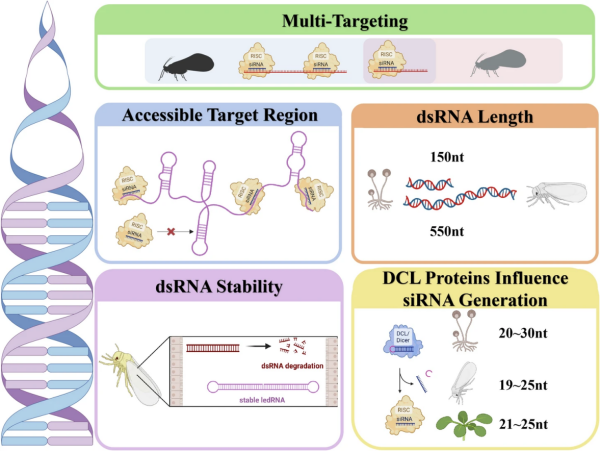
A research team has recently published a systematic reference framework for advancing Spray-Induced Gene Silencing (SIGS) from proof-of-concept toward industrialization. Led by Prof. ZHANG Tao from the Xinjiang Institute of Ecology and Geography (XIEG) of the Chinese Academy of Sciences (CAS), in collaboration with researchers from the Institute of Germplasm Resources and Biotechnology under the T
Life SciencesEnvironment & ClimateBioengineering#Chinese Academy of Sciences#Research News#Bioengineering#genomics#biology#climate#decarbonization
Methane emissions from cattle and sheep contribute to global greenhouse gas emissions and reflect a loss of dietary energy that could otherwise support animal growth and productivity, which is a major challenge for sustainable livestock production. M ost existing approaches to reduce methane emissions focus primarily on suppressing methanogenesis. In a study published in The Innovation , a researc
Life SciencesEnvironment & ClimateSustainable Development#Chinese Academy of Sciences#Research News#Sustainable Development#Pollutants#genomics#biology#climate#decarbonization
The National Science Foundation renewed its funding for the AI-powered Earth system modeling center LEAP , aimed at improving Earth system projections through…
Plastic waste is one of the world's fastest-growing environmental problems. According to the Organisation for Economic Co-operation and Development's Global Plastics Outlook: Policy Scenarios to 2060 report, global plastic use is projected to nearly triple from 460 million metric tons in 2019 to 1.2 billion metric tons by 2060, if current trends continue. Our current approaches are struggling to k
The University of Maryland’s Robert H. Smith School of Business will launch an accelerated one‑year, Full‑Time MBA program beginning in summer 2027, alongside Smith’s existing two‑year MBA, as a faster, high‑ROI pathway for early‑career professionals seeking career acceleration, AI fluency and real‑world leadership experience.
Environment & ClimateBusiness#University of Maryland Robert H. Smith School of Business#Rosellina Ferraro#Prabhudev Konana#Full-Time MBA#[email protected]#climate#decarbonization
"Micromixer" might just sound like a fancy name for a tiny blender, but mixing liquids at the microliter scale is no simple task. Micromixers are essential components of microfluidic devices that are widely used across the pharmaceutical, life sciences, chemistry, and materials engineering industries, where they rapidly and evenly combine tiny amounts of reagents. Three-dimensional (3D) microchann
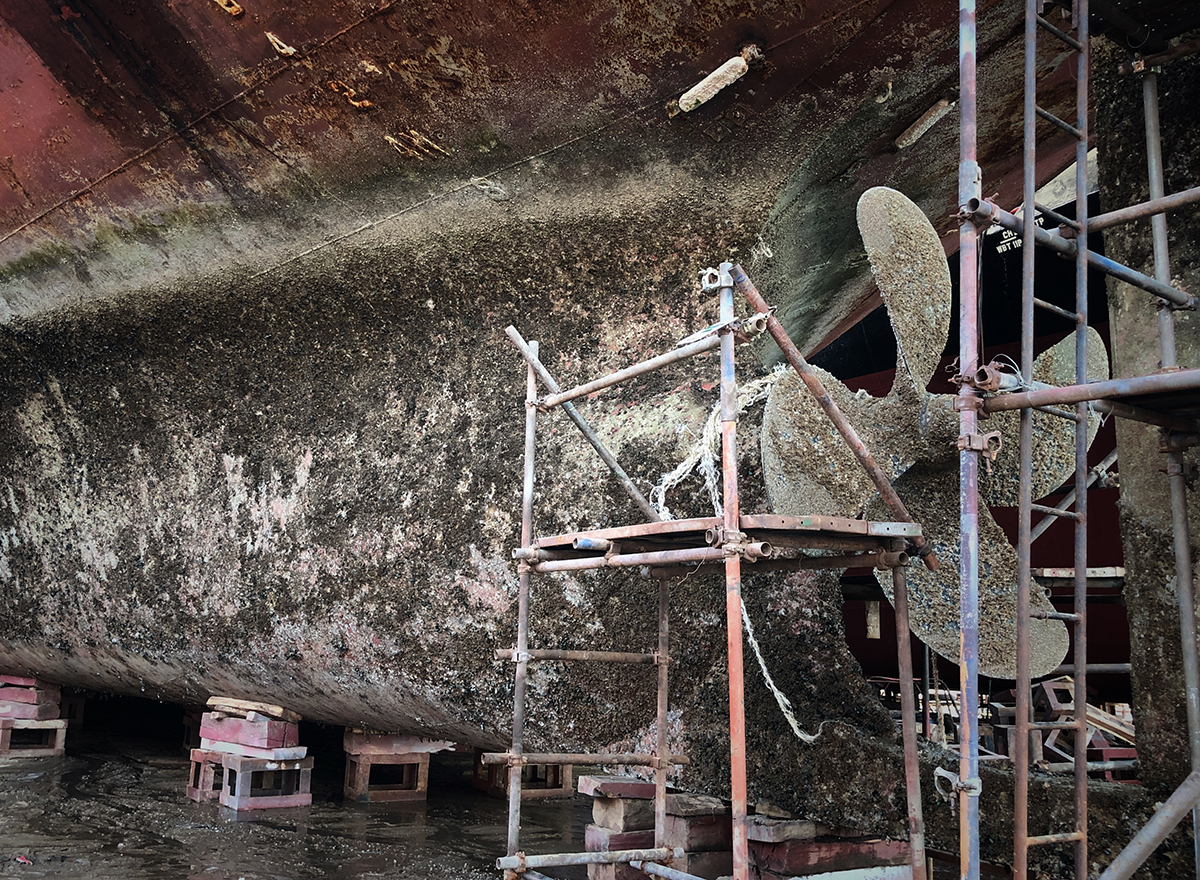
Imagine swimming in open water and feeling slime brush against your leg. Most people might shake it off without a second thought. But what if the surface of a boat could do the same? Researchers from Washington University in St. Louis’ McKelvey School of Engineering are about to find out, thanks to a $750,000 grant from the U.S. Department of Defense to develop materials that incorporate soft robo
Environment & ClimateTechnology & InnovationEngineering#Washington University in St. Louis#Newsroom#climate#decarbonization#advanced materials#innovation
The U.S. has officially declared a drought disaster for parts of Puerto Rico, where more than 180,000 residents have been rationing water since Aug. 7 due to draught and infrastructure problems. University of Michigan experts are available to discuss a variety of issues related to this crisis.
Environment & Climate#University of Michigan#Advisories#News Releases#puerto rico#Water#Michigan News#climate#decarbonization
Environment & ClimateUniversity of Maryland Robert H. Smith School of Business
The University of Maryland’s Robert H. Smith School of Business has named John Stewart as Director and Executive-in-Residence for the Smith Enterprise Risk Consortium (SERC), the school’s applied risk‑management hub connecting academic expertise with industry practice.
Environment & ClimateBusiness#University of Maryland Robert H. Smith School of Business#John Stewart#Prabhudev Konana#William Longbrake#Smith Enterprise Risk Consortium#[email protected]#climate#decarbonization
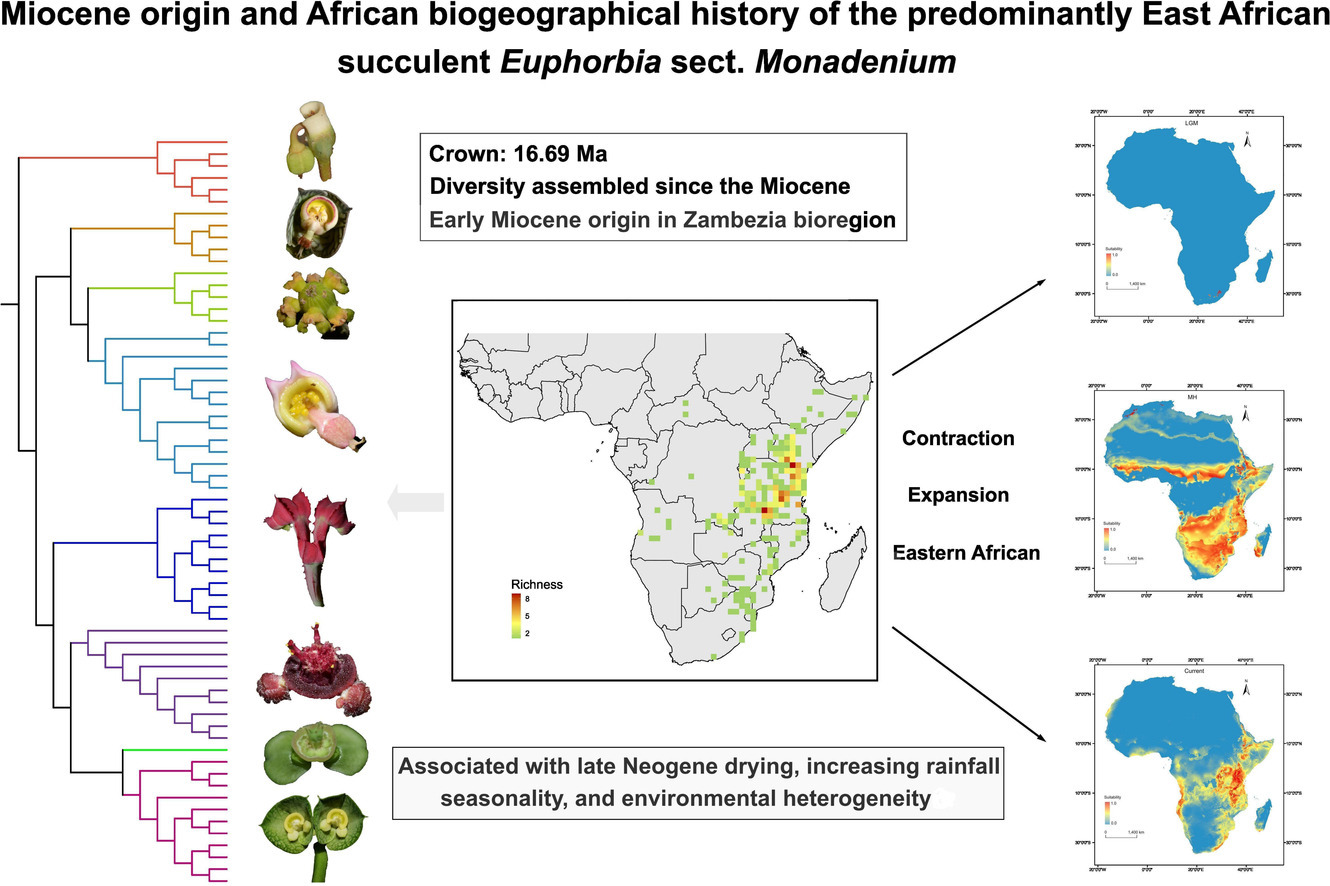
The Euphorbia section Monadenium comprises approximately 90 species that are restricted to tropical Africa, with the greatest diversity found in East Africa. Members of this section range from geophytes and perennial herbs to succulent shrubs and small trees, many of which are endemic to arid or seasonally dry habitats. However, their evolutionary and biogeographical history remains poorly underst
Biodiversity#Chinese Academy of Sciences#Research News#biodiversity
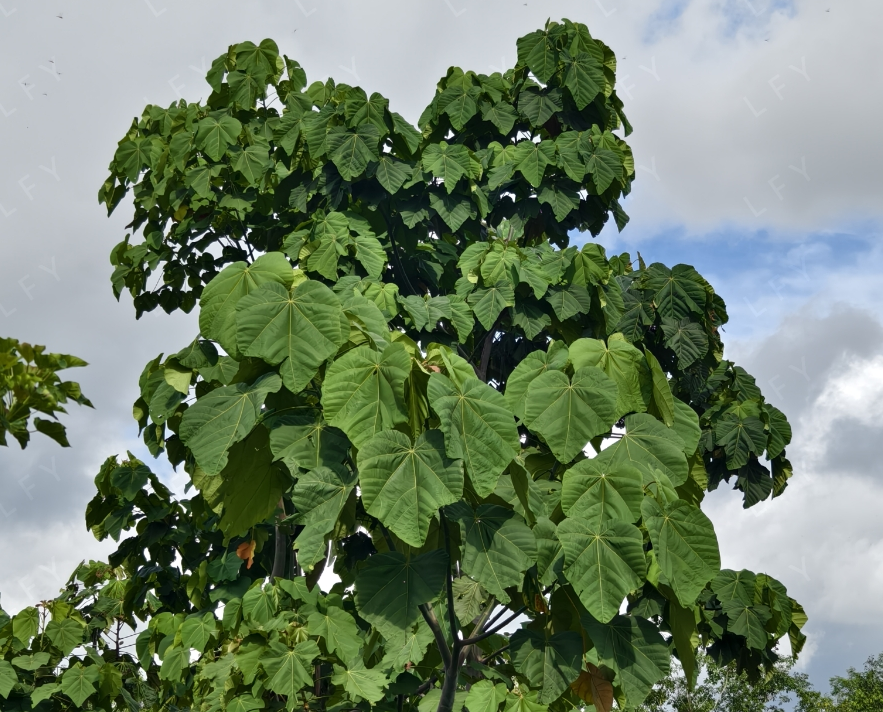
Balsa wood is one of the world's fastest-growing and most commercially valuable tropical timber species. Renowned as the lightest commercial timber, it has experienced soaring global demand. However, traditional propagation techniques, such as tissue culture and cuttings, have proven difficult due to the species' abundant leaf hairs and mucilage secretion. This makes controlled hybridization the m
Biodiversity#Chinese Academy of Sciences#Research News#biodiversity
Graphene is an exceptionally useful material for creating batteries, catalysts, and electronic devices. Yet producing graphene typically requires temperatures as high as 900°C, limiting energy efficiency and making structural control difficult. To make graphene production more practical, a recent study has overcome this long-standing temperature barrier. In a study published in the Journal of the
The four projects, funded by the Leverhulme Trust and Wellcome , span all areas of the University and cover topics ranging from healthcare and artificial intelligence to waste management, pollution and sustainable technology. Funded by the Leverhulme Trust, the first of these DTPS will train the next generation of researchers to tackle the global waste crisis through interdisciplinary research and
Medical ResearchEnvironment & ClimateTechnology & Innovation#Queen Mary University of London#QMUL Latest News#Humanities And Social Sciences#medical research#clinical research#climate#decarbonization#advanced materials
Environment & ClimateWashington University in St. Louis
Machine learning doesn’t replace human intelligence, but it can outlast human endurance, which makes it a very helpful tool for chemistry and material discovery. Scientists know the machine learning models can make predictions based on the vast reams of data it is trained on, but can it take it a step further and massively scale up testing out those predictions? “We already see that AI is powerful
Environment & ClimateTechnology & InnovationData & Computer Science#Washington University in St. Louis#Newsroom#climate#decarbonization#advanced materials#innovation
Environment & ClimateUniversity of California, Riverside
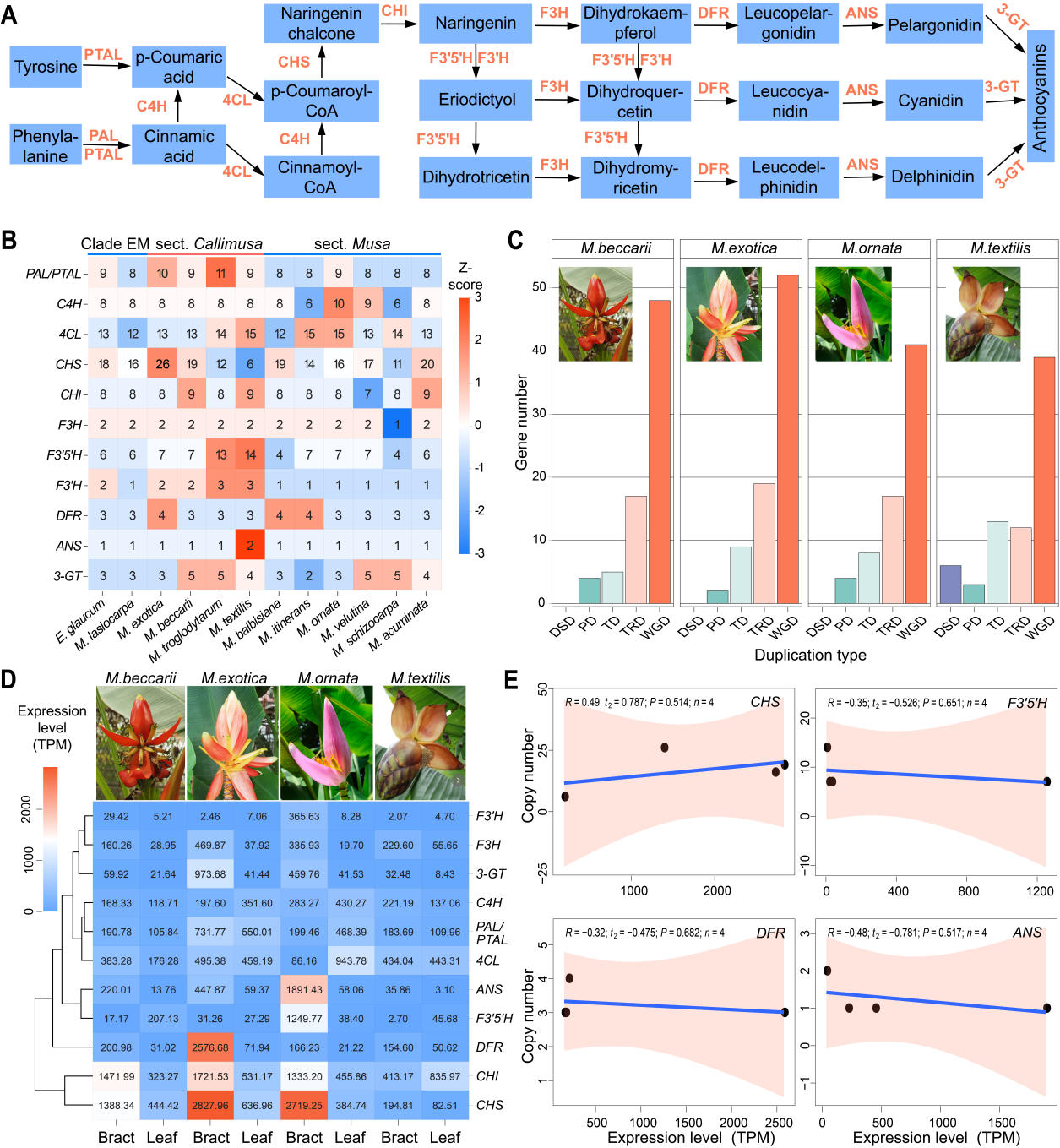
Scientists have recently reconstructed the ancestral karyotype of the banana family, revealing how chromosome numbers decreased stepwise from 17 to 9 - 11 over evolutionary time. The study was led by scientists from the South China Botanical Garden (SCBG) of the Chinese Academy of Sciences (CAS), in collaboration with researchers from Sichuan University and other institutions . The findings were p
Fusion EnergyLife SciencesBiodiversity#Chinese Academy of Sciences#Research News#biodiversity#paleontology#fusion#plasma physics#genomics#biology