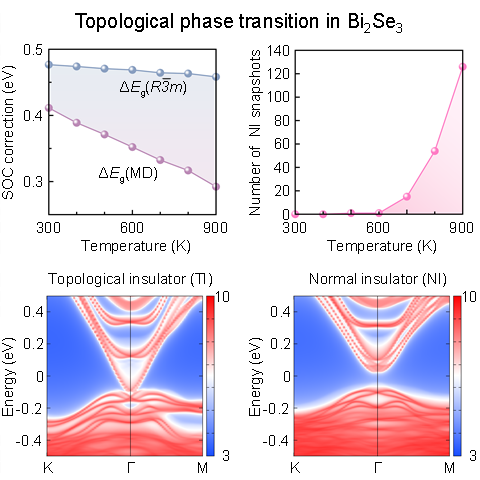
Spin-orbit coupling (SOC), an interaction between an electron ' s spin and its motion, plays a key role in creating topological insulators—unusual materials that are insulating in their interior but can conduct electricity along their surfaces. Now, a new study published in Newton finds that increas ing temperature weakens SOC in the topological insulator Bi 2 Se 3 , driving a transition to a norm
Technology & InnovationQuantum#Chinese Academy of Sciences#Research News#Quantum#advanced materials#innovation
The BESIII Collaboration, led by the Institute of High Energy Physics of the Chinese Academy of Sciences, has achieved the world's most precise measurement of the electric dipole moment (EDM) of the Lambda (Λ) hyperon using quantum-entangled Λ–anti-Λ pairs produced in J/ψ decays. The result improves the experimental sensitivity by about three orders of magnitude compared with the previous measurem
Space & AstronomyTechnology & InnovationParticle Physics#Chinese Academy of Sciences#Research News#Particle Physics#astronomy#astrophysics#advanced materials#innovation#Fermilab
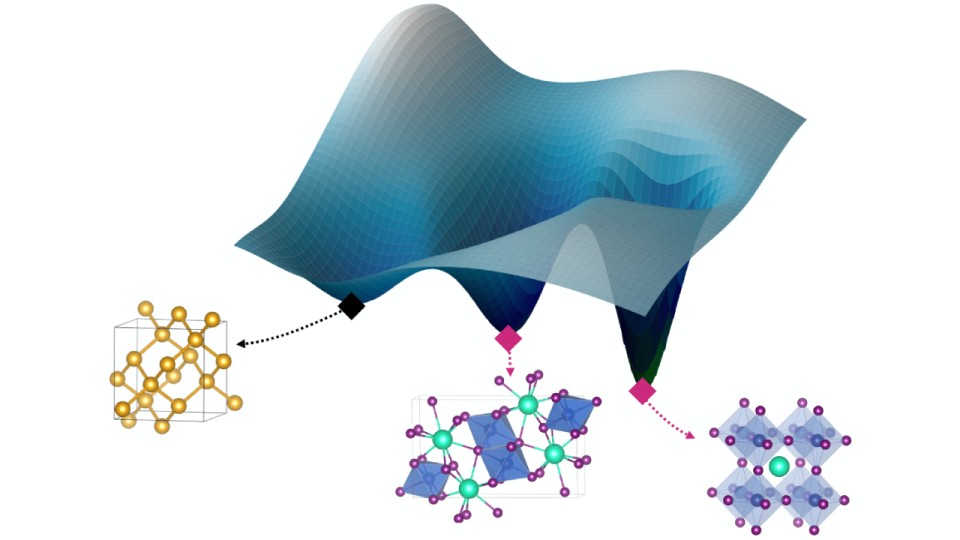
Michele Simoncelli’s group introduces a new benchmark to evaluate how well machine learning models for atomic interactions translate quantum characteristics into macroscopic physical properties.
Michele Simoncelli’s group introduces a new benchmark to evaluate how well machine learning models for atomic interactions translate quantum characteristics into macroscopic physical properties.
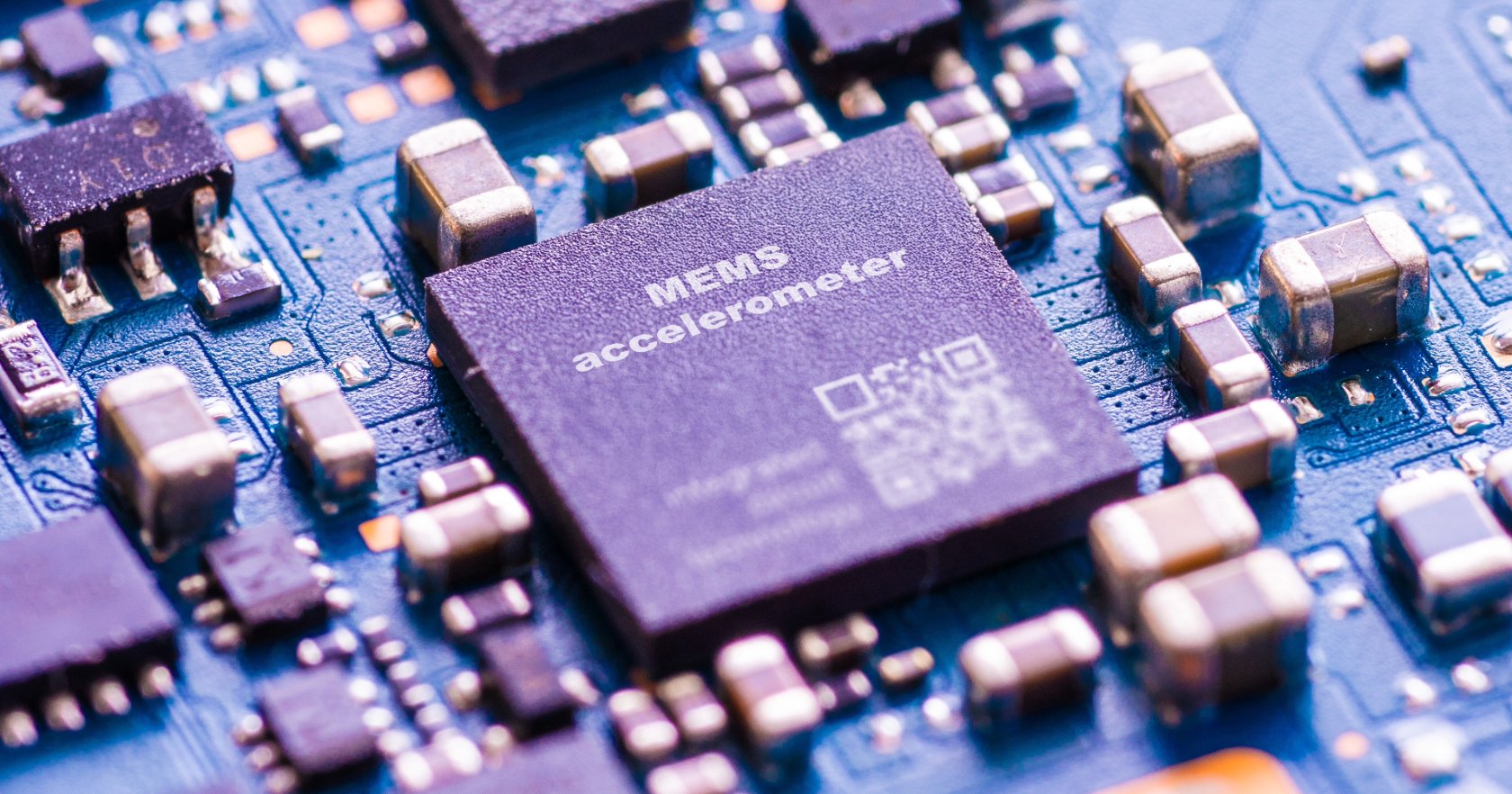
Micro-electromechanical systems (MEMS) are tiny devices used in technologies such as microphones, accelerometers, and biosensors. MEMS are highly useful, but prone to physical stress that affects their performance, stability, and reliability. Tracking this interference is important, but attaching a separate sensor to such a miniscule structure is no easy task. Researchers at Tohoku University deve
Topological quantum materials combine unusual electronic states with properties such as magnetism or superconductivity, offering possibilities for future electronics and quantum technologies. Researchers at Tohoku University have now shown that changing the number of layers in a crystal can provide a systematic way to design topological magnets. The strategy builds on homologous series, families o
Seldon Warner, a combat veteran and deep‑tech strategist from Miles City, Montana, has been selected as one of Poets & Quants’ “ 2026 MBAs to Watch ,” representing the University of Maryland’s Robert H. Smith School of Business.
Technology & InnovationBusiness#University of Maryland Robert H. Smith School of Business#Poets & Quants#Full-Time MBA#Military and Veteran Affairs#[email protected]#advanced materials#innovation
In the realm of materials science, there is a plethora of datasets and tools at our disposal - the issue is how to effectively make use of these resources in harmony. Researchers at the Advanced Institute for Materials Research (WPI-AIMR), Tohoku University, have identified major bottlenecks holding back artificial-intelligence-driven polymer innovation and created a system that integrates multipl
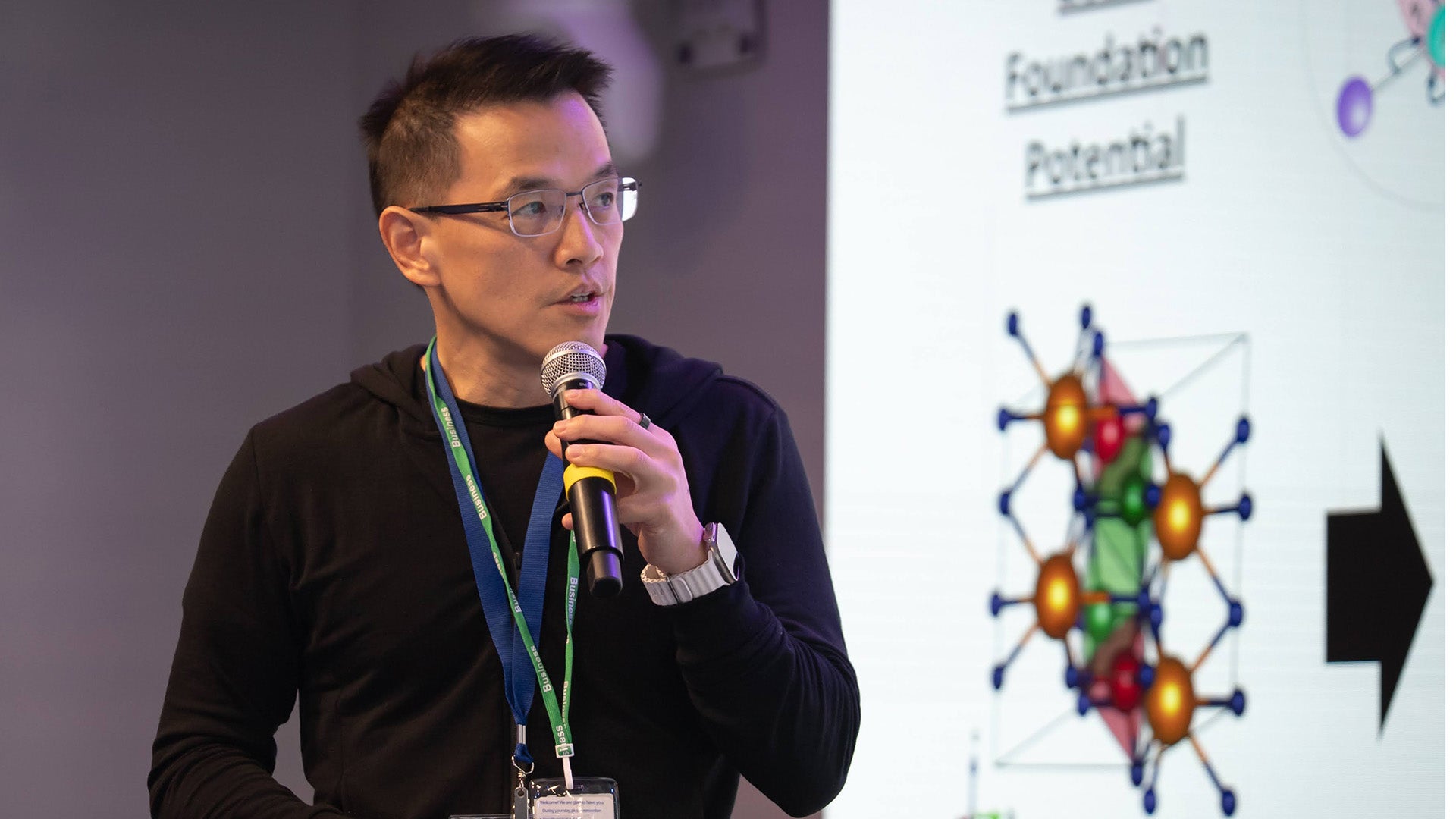
Prof Ong hopes the AI Foundry can compress discovery cycles for new materials from months or years to weeks. Professor Shyue Ping Ong wants AI to do more than predict whether a material might work. His vision is a discovery system that can propose new materials for a specific purpose, identify the most useful experiments to run, learn from every result and help scientists understand why a material
Fusion EnergyTechnology & Innovation#National University of Singapore#CDE Research News#Cde News#Research Impact#fusion#plasma physics#advanced materials#innovation
Technology & InnovationQueen Mary University of London
Scientists could have a new way to explore the hidden behaviour of matter, thanks to research involving Queen Mary University of London that uses a quantum computer to carry out a new form of computational spectroscopy. Spectroscopy is an important scientific technique used to understand the properties of matter. By analysing how materials and molecules respond to energy or light, researchers can
Technology & Innovation#Queen Mary University of London#QMUL Latest News#Science And Engineering#advanced materials#innovation
Developing safer solid-state batteries requires replacing flammable organic liquid electrolytes with solid-state electrolytes (SSEs) that can conduct ions well, remain stable, and have suitable mechanical properties. As interest in SSEs has grown, so has the volume of research in the field. However, the reported data remain scattered across the literature and vary widely in format and completeness





.png)