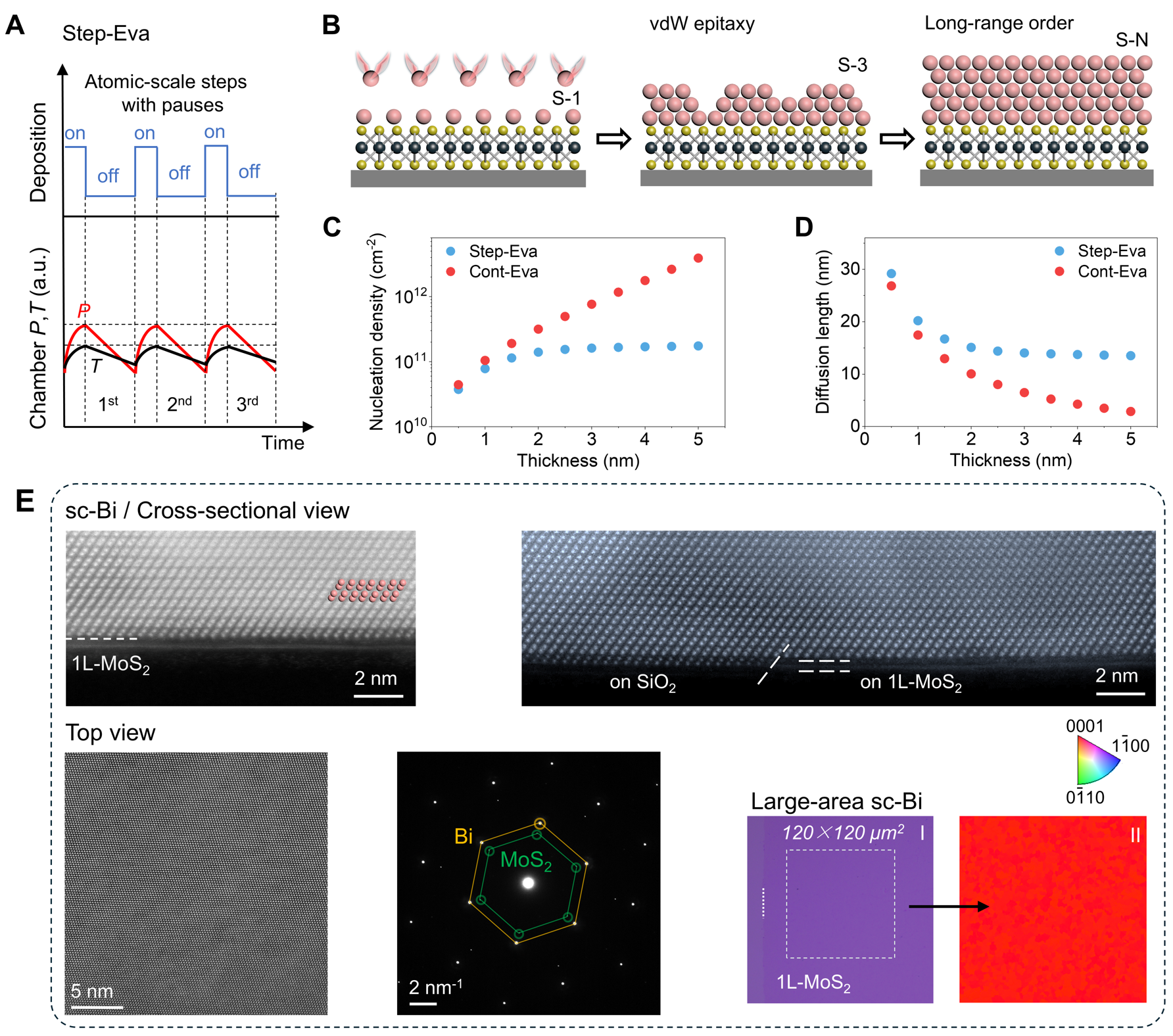
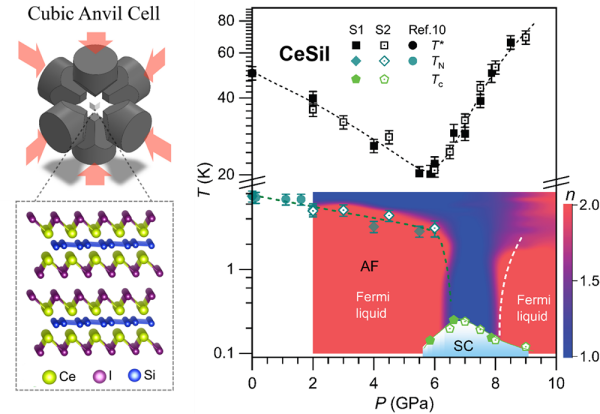
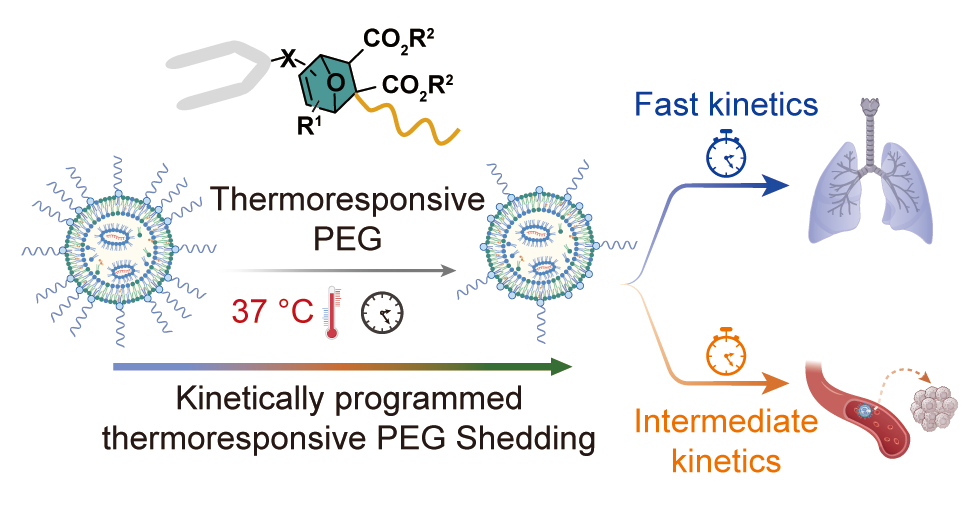
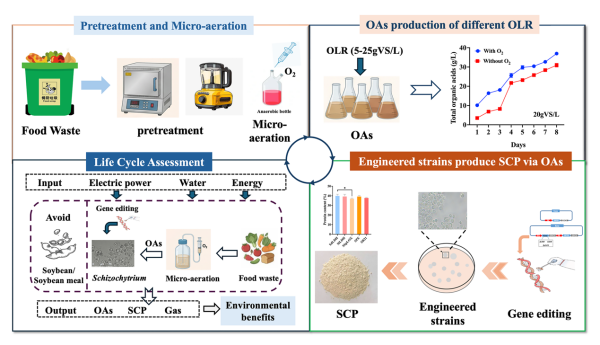
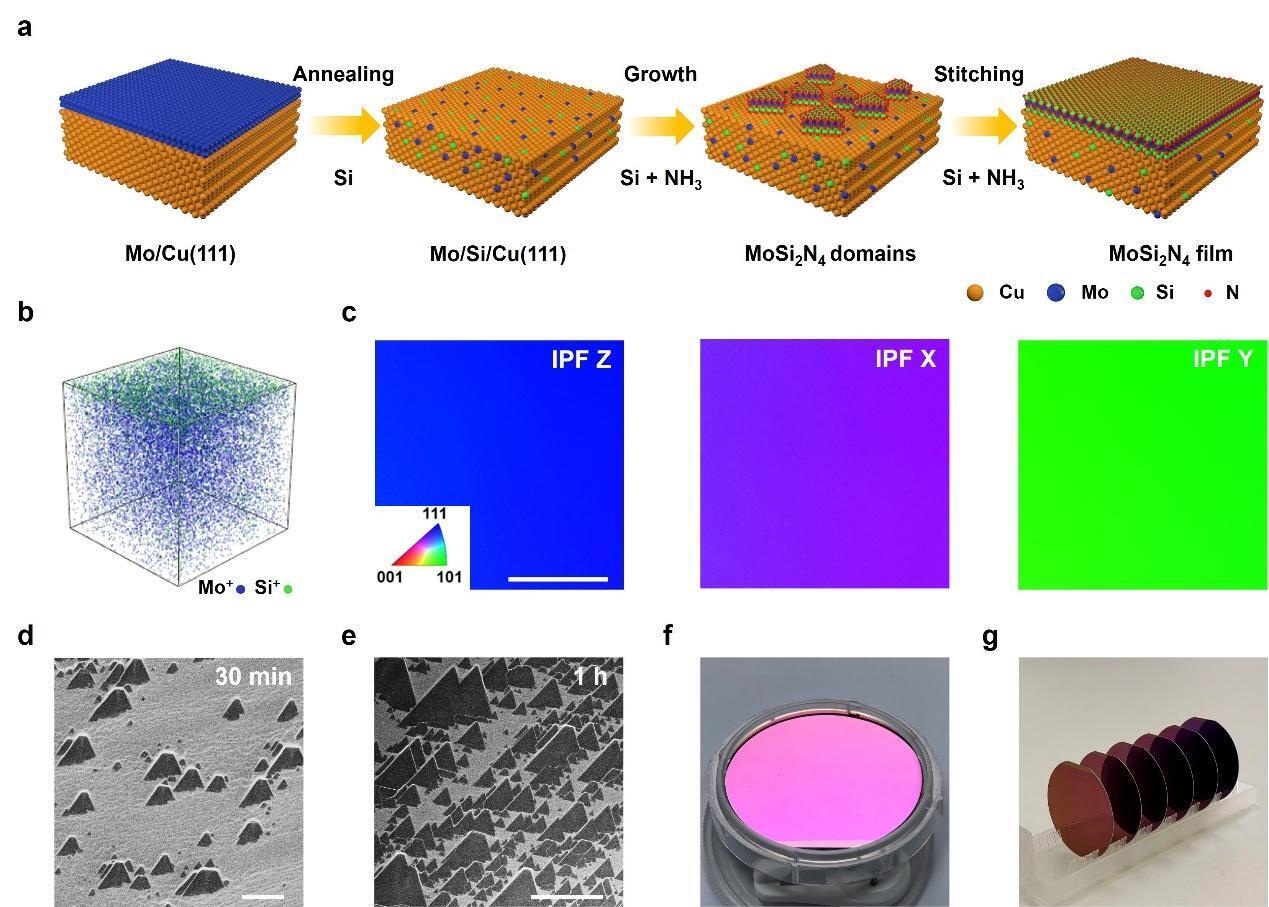
Metals, semiconductors and insulators are fundamental components of modern electronics. However, efforts to improve device performance have largely focused on semiconductor quality, while metal crystallinity has received far less attention. As transistor dimensions continue to shrink, though, structural disorder in metals and at metal-semiconductor interfaces increasingly impedes carrier injection
Research#Chinese Academy of Sciences#Research News
Soil salinization poses a serious threat to global rice production. At present, the natural‑variation‑based genetic basis of rice salt tolerance remains poorly understood, and only a handful of major genes related to salt tolerance have been functionally characterized. It is critical to identify key gene modules in salt signaling pathways. In a study published in Developmental Cell on August 28, a
Life SciencesSustainable Development#Chinese Academy of Sciences#Research News#Sustainable Development#genomics#biology
A research team led by Prof. REN Wencai from the Institute of Metal Research (IMR) of the Chinese Academy of Sciences has achieved the wafer-scale epitaxial growth of monolayer MoSi 2 N 4 single crystals, a high-performance p-type two-dimensional (2D) semiconductor. Their findings, published on July 8 in Nature Materials , mark a significant step toward realizing complementary metal-oxide-semicond
Chemical Engineering#Chinese Academy of Sciences#Research News#Chemical Engineering
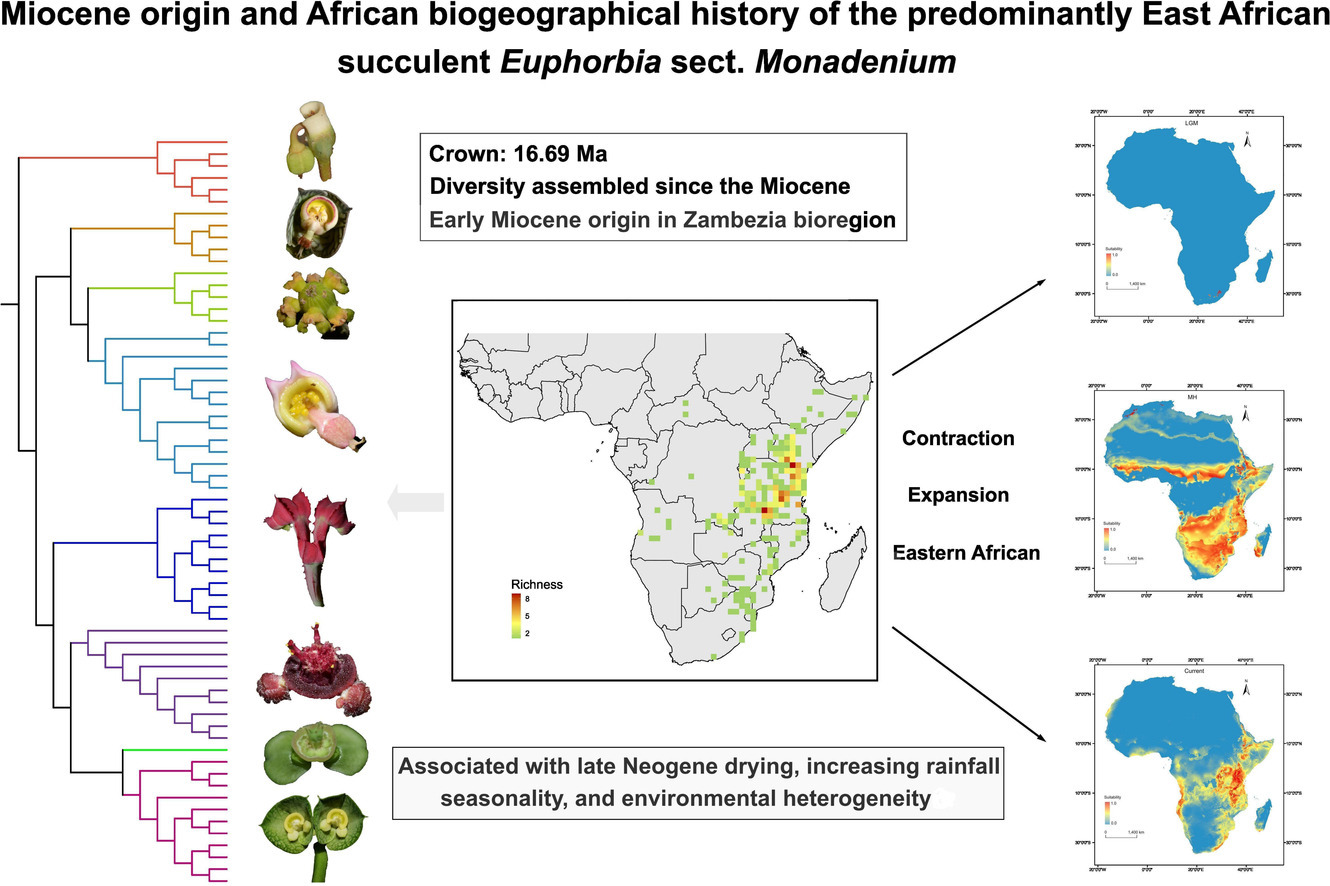
The Euphorbia section Monadenium comprises approximately 90 species that are restricted to tropical Africa, with the greatest diversity found in East Africa. Members of this section range from geophytes and perennial herbs to succulent shrubs and small trees, many of which are endemic to arid or seasonally dry habitats. However, their evolutionary and biogeographical history remains poorly underst
Biodiversity#Chinese Academy of Sciences#Research News#biodiversity
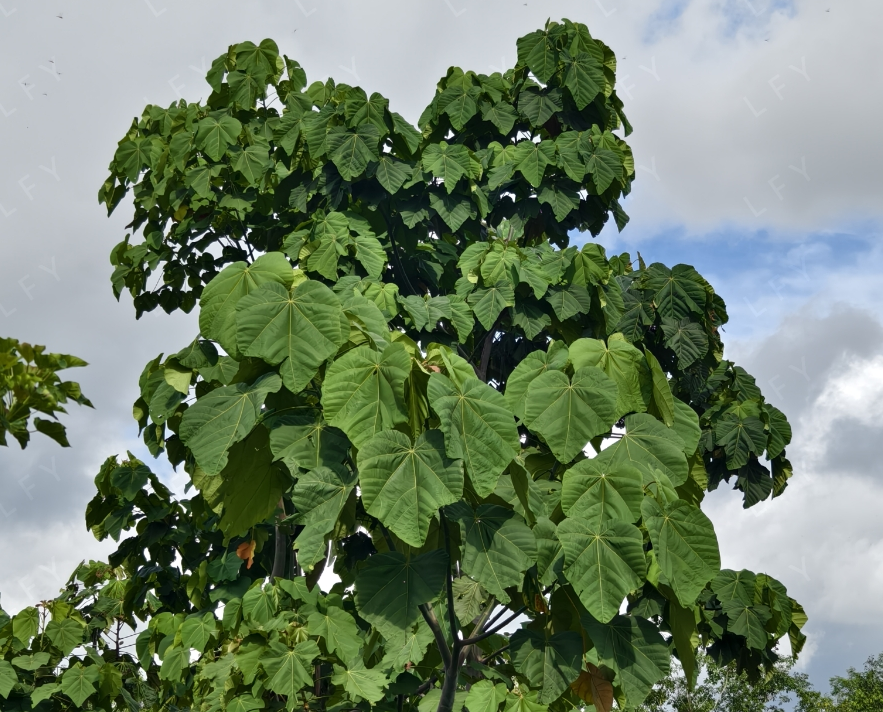
Balsa wood is one of the world's fastest-growing and most commercially valuable tropical timber species. Renowned as the lightest commercial timber, it has experienced soaring global demand. However, traditional propagation techniques, such as tissue culture and cuttings, have proven difficult due to the species' abundant leaf hairs and mucilage secretion. This makes controlled hybridization the m
Biodiversity#Chinese Academy of Sciences#Research News#biodiversity
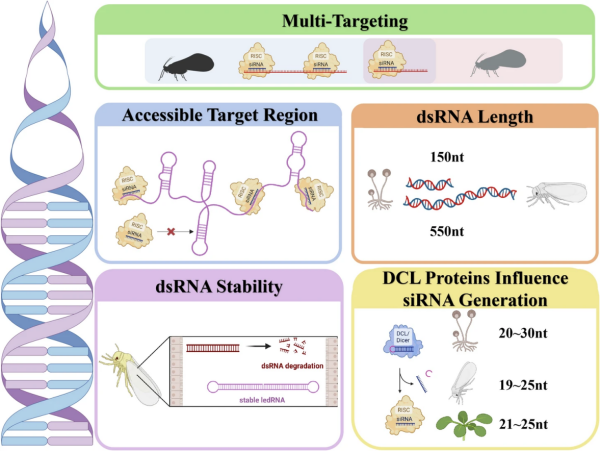
A research team has recently published a systematic reference framework for advancing Spray-Induced Gene Silencing (SIGS) from proof-of-concept toward industrialization. Led by Prof. ZHANG Tao from the Xinjiang Institute of Ecology and Geography (XIEG) of the Chinese Academy of Sciences (CAS), in collaboration with researchers from the Institute of Germplasm Resources and Biotechnology under the T
Life SciencesEnvironment & ClimateBioengineering#Chinese Academy of Sciences#Research News#Bioengineering#genomics#biology#climate#decarbonization
Glycosphingolipids (GSLs) are sugar-containing membrane lipids that help organize cell surfaces and regulate signaling, immune recognition, differentiation and neuronal function. Human cells produce several hundred GSL species through stepwise modification of their sugar groups, and this diversity begins with a single committed reaction, in which uridine diphosphate glucose (UDP-glucose) ceramide
Medical ResearchHealth#Chinese Academy of Sciences#Research News#Health#medical research#clinical research
Methane emissions from cattle and sheep contribute to global greenhouse gas emissions and reflect a loss of dietary energy that could otherwise support animal growth and productivity, which is a major challenge for sustainable livestock production. M ost existing approaches to reduce methane emissions focus primarily on suppressing methanogenesis. In a study published in The Innovation , a researc
Life SciencesEnvironment & ClimateSustainable Development#Chinese Academy of Sciences#Research News#Sustainable Development#Pollutants#genomics#biology#climate#decarbonization
Precise manipulation of large genomic fragments is a critical need in crop breeding and synthetic biology. In crop genomes, superior traits are often associated with structural variations. However, existing large-fragment editing tools such as CRISPR-Cas systems and site-specific recombinases have limitations. In 2024, the development of the bridge RNA-guided IS110-family recombinase system provid
Medical ResearchLife Sciences#Chinese Academy of Sciences#Research News#medical research#clinical research#genomics#biology