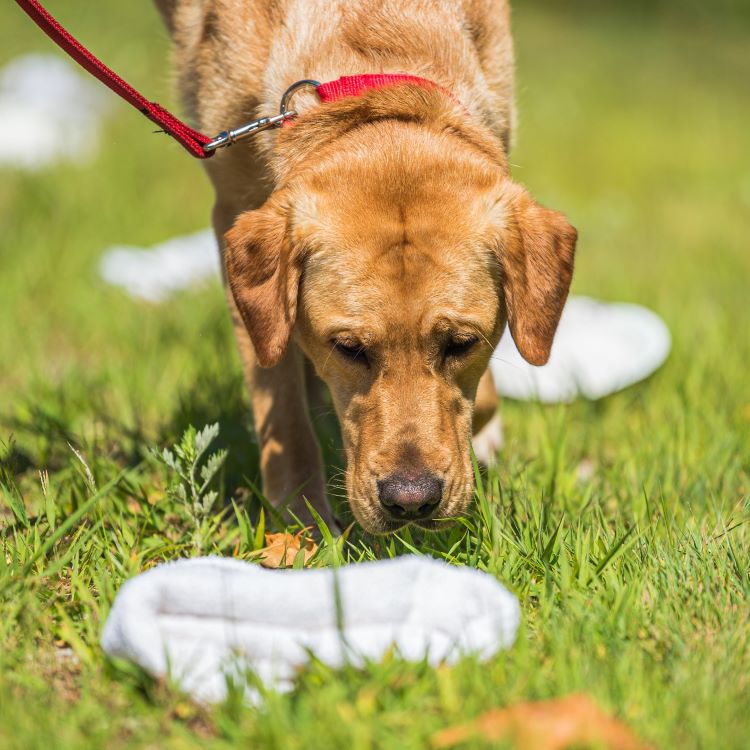
Dogs trained in scent detection may be better at sniffing out the right smell after breakfast, with new research finding hungry dogs that are working for treats are more likely to falsely identify the wrong scent.
ResearchMedical Research#Adelaide University#Adelaide#medical research#clinical research
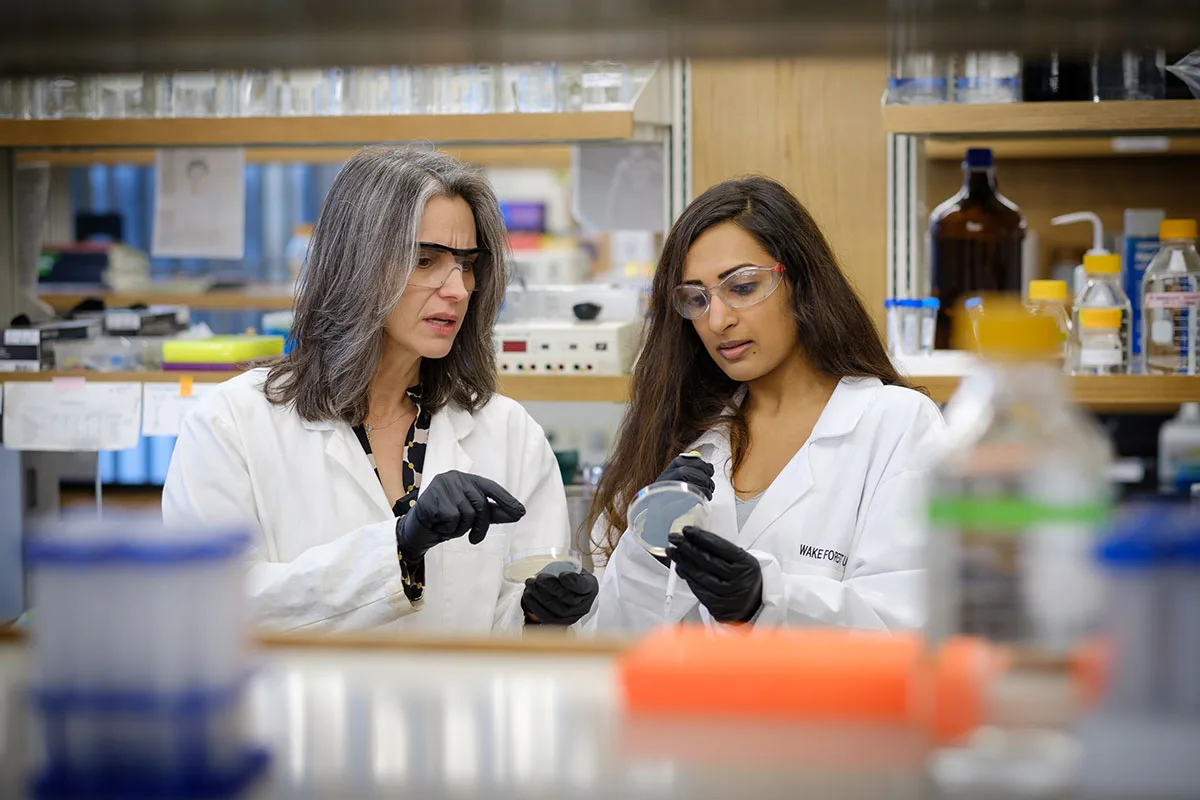
In her new leadership role, Chiappinelli will build cancer research programs while continuing her work on how ancient viral DNA can trigger anti-tumor immune responses.
Medical ResearchLife Sciences#George Washington University#Research News#SMHS#medical research#clinical research#genomics#biology
A team of UTHealth Houston researchers slowed and even reversed diabetic nerve damage in mice, bringing researchers one step closer to developing a treatment for humans.
Press ReleasesMedical Research#UTHealth Houston#research#Top News#Press Release#medical research#clinical research
Thirteen percent of U.S. children aged 3–17 have a diagnosed mental or behavioral health condition, and American youth suicide rates far exceed those of peer countries. But the popular story — a sudden, smartphone-driven collapse — doesn't fit five decades of data. This series examines where the crisis comes from, which interventions demonstrably help, and what we still need to learn.
ResearchMedical Research#Yale University#research#Yale#Yale News#medical research#clinical research
Research NewsUniversity of Minnesota Medical School
A University of Minnesota-led multi-institutional research team has discovered a highly potent small molecule that blocks Ebola virus entry by stabilizing the virus's entry protein and provides strong protection when given orally in a preclinical model.
Medical ResearchLife SciencesResearch#University of Minnesota Medical School#UMN Medical School#research#medical research#clinical research#genomics#biology
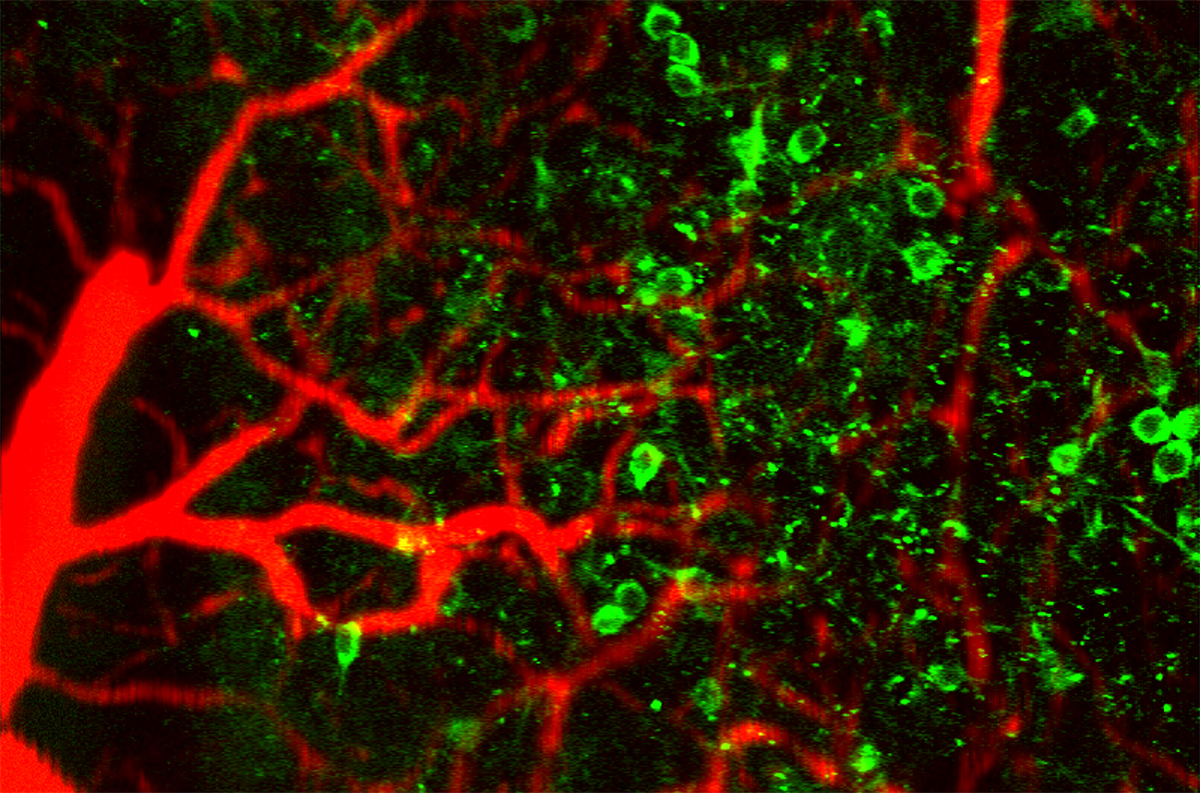
The brain is a black box of densely packed neurons, blood vessels and immune cells, all locked away in a sealed skull. WashU’s Song Hu has dedicated his career to unlocking that puzzle box by developing new ways to “see” inside. His team’s newest innovation could give researchers a new view of how brain cells and blood vessels work together and what happens when the coupling between the two breaks
Medical ResearchEngineering#Washington University in St. Louis#Newsroom#medical research#clinical research
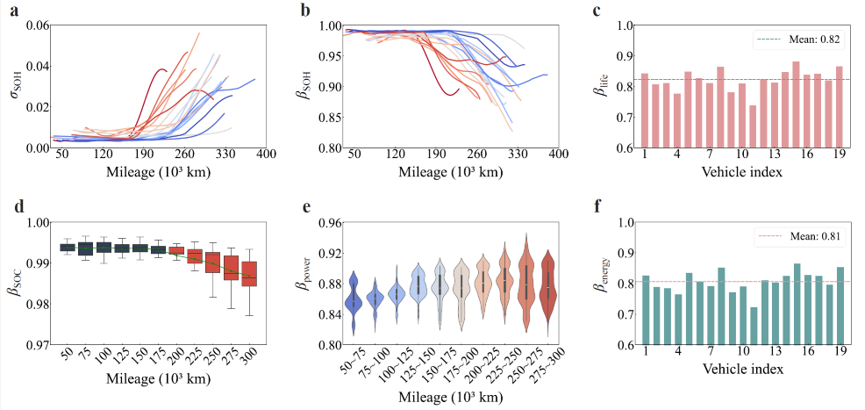
A recent study in Nature Energy has quantified how cell-to-cell inconsistency limits the performance, lifetime, and resource utilization of electric vehicle (EV) battery packs under real-world operating conditions. The work revealed that a small number of faster-ageing cells can severely constrain an entire pack's performance and lifespan. The study was led by Prof. CHEN Zhongwei from the Dalian I
Medical ResearchBattery#Chinese Academy of Sciences#Research News#Battery#medical research#clinical research
From targeted cancer treatments to self-healing materials and microscopic robots, many emerging technologies depend on molecules that can be controlled with light. Researchers at Tohoku University have now developed a way to make these light-responsive molecules much more sensitive to visible light by using a molecular antenna. The breakthrough gives scientist better control over molecular photosw
Medical ResearchTechnology & Innovation#Tohoku University#Research Releases#medical research#clinical research#advanced materials#innovation
Medical ResearchTechnology & Innovation#Kennesaw State University#research#News Releases#medical research#clinical research#advanced materials#innovation
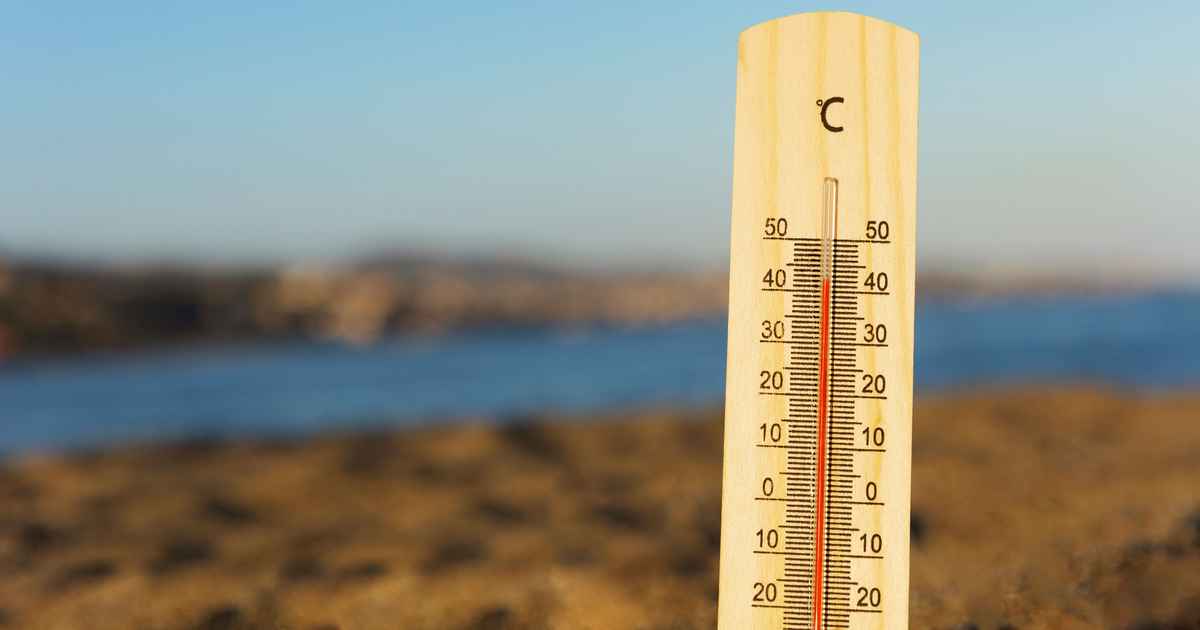
Extreme heatwaves disrupt life in soil. Soil bacteria that produce and resist antibiotics switch into survival mode, temporarily reducing the number of resistance genes. At the same time, heat and drought are causing significant damage to soils and ecosystems, especially in cold, wet regions such as the Netherlands. This is evident from a large-scale European study by soil ecologist Franciska de Vries (University of Amsterdam) and colleagues.
Medical ResearchEnvironment & Climate#University of Amsterdam#medical research#clinical research#climate#decarbonization
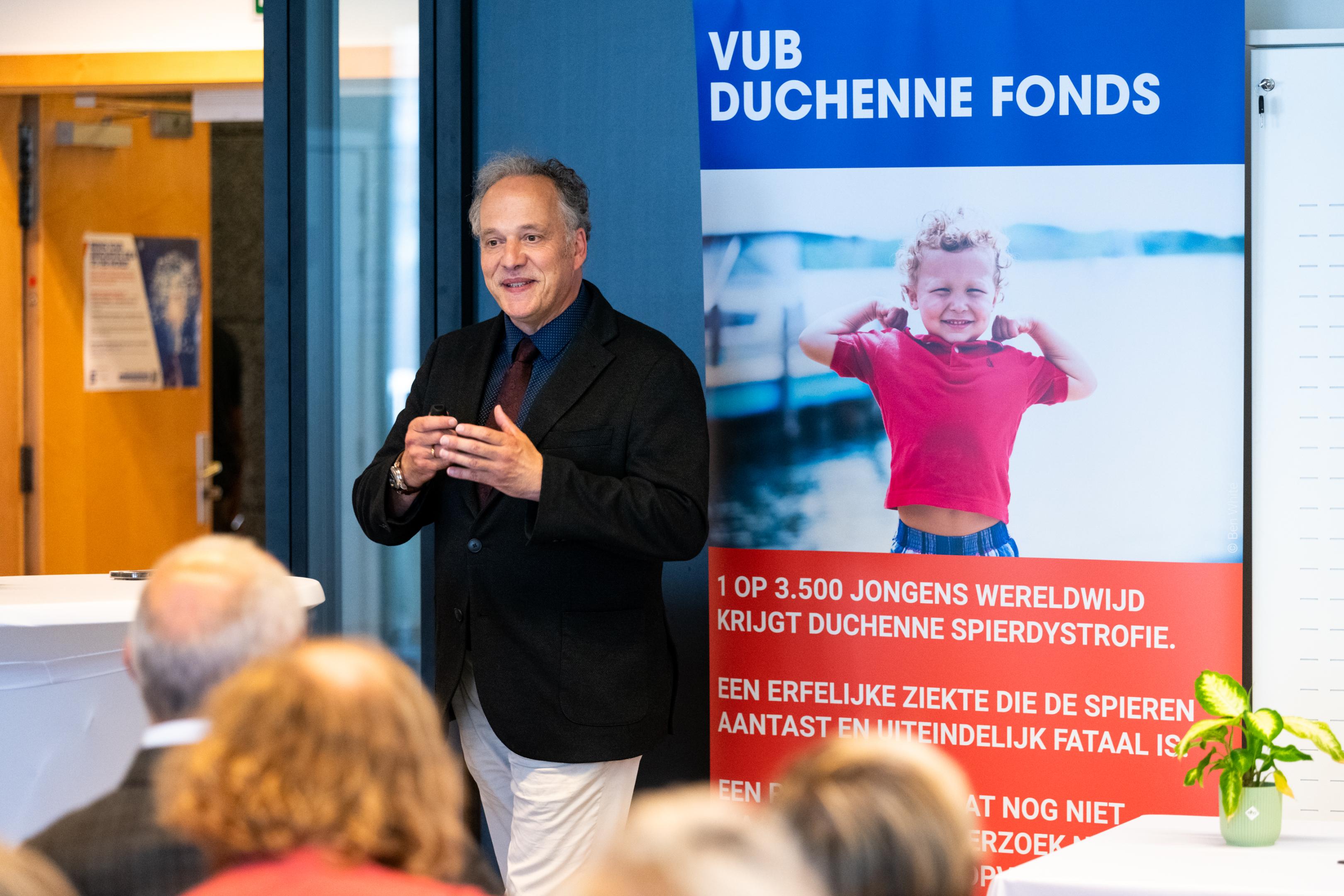
7 September is World Duchenne Awareness Day. For Luc Vandevyvere, the day has a special significance: for 100 days, he has been cycling 100 kilometres every day for his grandson Stan, who has Duchenne. Through his nearly 10,000-kilometre journey, he is raising awareness of the condition and funds for the VUB Duchenne Fund . Prof. Dr Thierry VandenDriessche, who conducts research into gene therapy
Medical ResearchResearch#Vrije Universiteit Brussel#VUB Today#Wetenschap en onderzoek#medical research#clinical research
by Monica Jimenez September 7, 2026 Arts & Humanities , Science & Technology , Graduate School of Arts and Sciences , School of Arts and Sciences Share A real lesson from Star Trek “One of the reasons I had the class watch Voyager’s ‘Living Witness’ is that I think it is one of the best Star Trek episodes about the way history actually works. The Doctor wakes up centuries later and finds a museum presenting Voyager and its crew as these brutal, almost monstrous figures. But what is really intere
As schools return for a new academic year, experts have been taking a closer look at what strategies and interventions could be used to make a difference Their new study has reviewed and analysed evidence from 61 randomised controlled trials (RCTs) conducted in Australia, Canada, New Zealand, the United Kingdom and the United States. The research , which has just been published in the Journal of E
Medical ResearchResearch#Swansea University#Swansea Press Office#medical research#clinical research
Triplet excited states of organic molecules play essential roles in photocatalysis, photodynamic therapy, photon upconversion, and organic optoelectronic applications. However, achieving efficient triplet generation in purely organic molecules remains challenging because of their intrinsically weak spin–orbit coupling. Spin–orbit charge-transfer intersystem crossing (SOCT-ISC) has emerged as a pro
Medical ResearchCatalysisChemical Engineering#Chinese Academy of Sciences#Research News#Catalysis#Chemical Engineering#medical research#clinical research
50 faculty, staff, alumni, donors, and SPH leaders whose work has shaped this School and this field
Public HealthMedical ResearchEnvironment & Climate#Boston University School of Public Health#dean's note#Insights from the Dean#SPH50#SPH50 Champions#BU SPH#medical research#clinical research
As more individuals with cerebral palsy live well into adulthood, medical professionals are taking a closer look at the unique long-term healthcare needs of this patient population. While adults with cerebral palsy require the same routine health maintenance as anyone else, a large, national study conducted at Yale showed that women living with cerebral palsy received significantly less preventati
ResearchMedical Research#Yale University#research#Yale#Yale News#medical research#clinical research
The human body is a marvel of remake and renewal. We regularly replace some of our estimated 37 trillion cells – about 300 billion or 1 percent of our cells each day - with healthy substitutes. We remove damaged or aging, senescent cells and cellular debris from our organs and tissues every second of the day. How important is it that cellular waste be properly removed?
Medical ResearchLife SciencesEnvironment & Climate#University of Minnesota Medical School#UMN Medical School#Immunology#medical research#clinical research#genomics#biology#climate
Research NewsUniversity of Minnesota Medical School
The Center for Immunology is proud to congratulate Cara-lin Lonetree and Grant Hickok, both MICaB graduate students in the laboratory of Dr. Ingunn Stromnes, on receiving prestigious Ruth L. Kirschstein National Research Service Awards for Individual Predoctoral Fellows (F31) from the National Cancer Institute (NCI).
Fusion EnergyMedical ResearchResearch#University of Minnesota Medical School#UMN Medical School#Immunology#fusion#plasma physics#medical research#clinical research
The Academy’s Fellowship is made up of distinguished individuals from academia, the public, private and third sectors. Fellows are selected following a robust and independent peer-review process in recognition of the significant impact of their work in helping address some of the toughest challenges facing society. Professor Lucy Griffiths is Professor of Epidemiology at Swansea University Medical
Medical ResearchEnvironment & ClimateResearch#Swansea University#Swansea Press Office#medical research#clinical research#climate#decarbonization