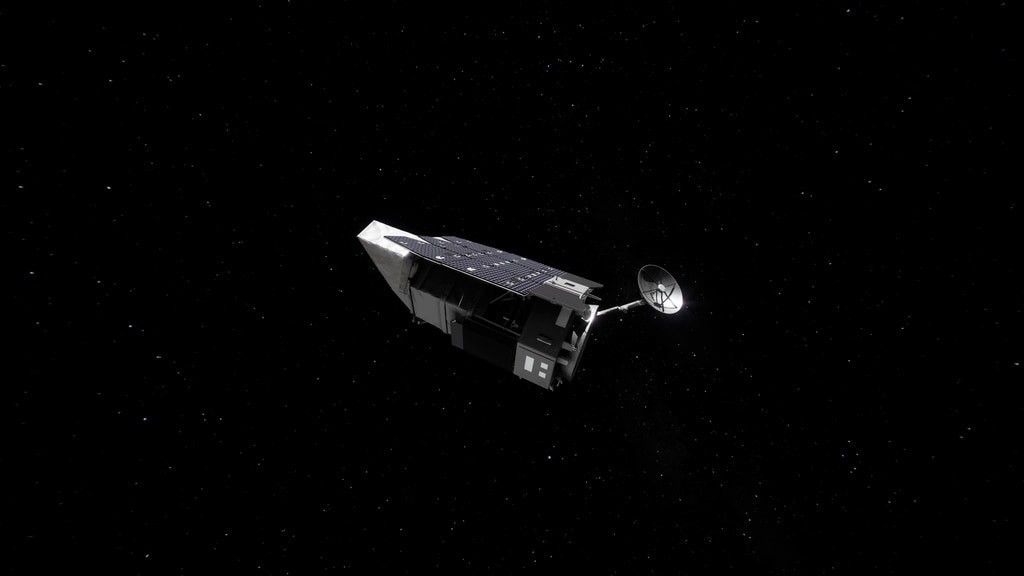
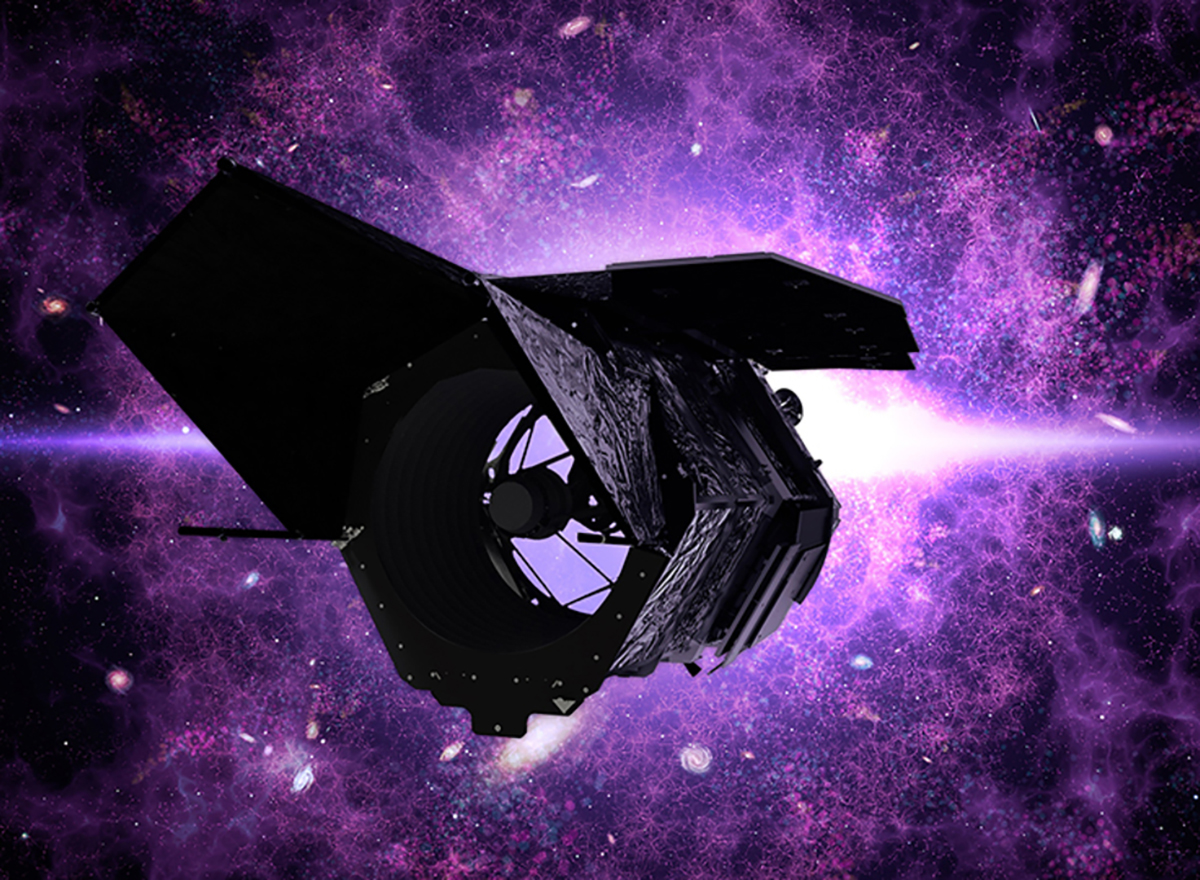
Where is Roman? Roman is making its three-month journey from Earth to Sun-Earth Lagrange Point 2, or L2. Along the way, Roman is undergoing a process called commissioning, where systems are turned on, adjusted, calibrated, and prepared for science operations. Commissioning is the time for scientists and engineers to make sure that Roman is performing […]
Space & AstronomyEnvironment & ClimateRoman Space Telescope#NASA#jmbrill#Science Mission#Roman Space Telescope#Stories#Nancy Grace Roman Space Telescope#astronomy#astrophysics
Researchers use atomic data to measure distinct cosmic elements
Research NewsSpace & AstronomyEnvironment & Climate#Ohio State University#Science#astronomy#Share on: X#More Ohio State News#View all headlines - More Ohio State News#astrophysics#climate
AUG 26, 2026 | Russ Nelson (L – R) Professor Pascale Ehrenfreund, COSPAR council president, presents Dr. Gary Zank, director of the UAH Center for Space Plasma and Aeronomic Research (CSPAR), with the 2026 Committee on Space Research (COSPAR) Space Science Award in Florence, Italy. Courtesy COSPAR A lifetime of probing the invisible forces that shape our solar system has earned a University of Alabama in Huntsville (UAH) researcher one of the highest honors in international space science, as wel
Space & Astronomy#University of Alabama in Huntsville#Newsroom#astronomy#astrophysics
Research NewsSpace & Astronomy#Ohio State University#Campus#staff#Share on: X#More Ohio State News#View all headlines - More Ohio State News#astronomy#astrophysics
Take a deep dive into the science of NASA’s Nancy Grace Roman Space Telescope with Julie McEnery, Roman's senior project scientist. Learn why Roman’s survey data will be so detailed that they could cover a 4K screen the size of dozens of city blocks and why Julie says she doesn’t hope Roman changes our understanding of the universe—she knows it will.
Space & Astronomy#NASA#Podcast#Curious Universe#astronomy#astrophysics
Research NewsLawrence Berkeley National Laboratory
Ahead of the scheduled Aug. 30 launch of NASA’s Nancy Grace Roman Space Telescope, several Washington University in St. Louis researchers have been selected to play important roles in the mission’s inaugural science program. The Roman telescope promises to transform our understanding of the universe. NASA will use the Roman telescope to investigate dark energy, discover thousands of exoplanets and
Space & AstronomySpace#Washington University in St. Louis#Newsroom#astronomy#astrophysics
NASA’s Ames Research Center in California’s Silicon Valley invites media to learn more about NASA’s Nancy Grace Roman Space Telescope, scheduled to launch Sunday, Aug. 30, 2026, from NASA’s Kennedy Space Center in Florida. The Roman telescope will provide a wide, detailed view of the universe, helping scientists study dark energy, exoplanets, and cosmic structures. […]
Press ReleasesSpace & Astronomy#NASA#Ames Research Center#ARC#Nancy Grace Roman Space Telescope#jcneal1#News Release#astronomy#astrophysics
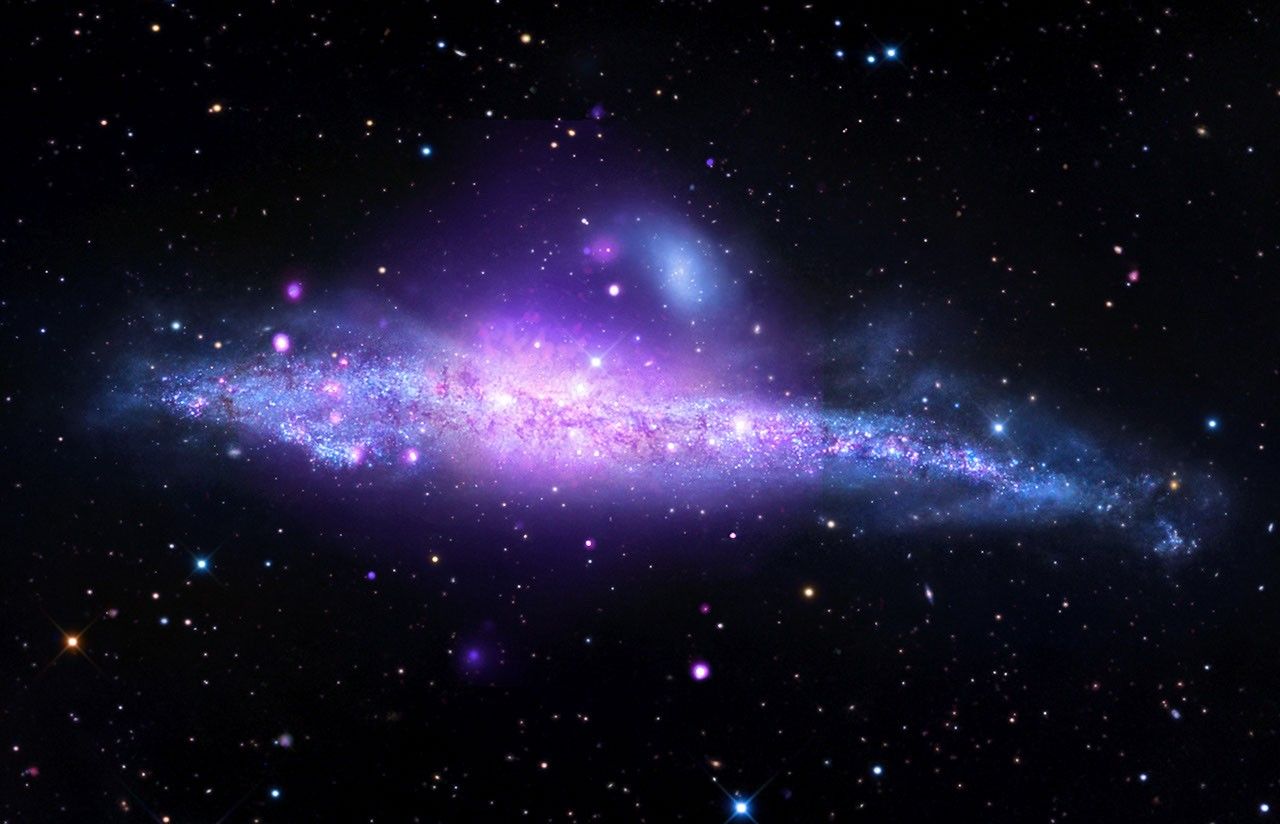
Galaxies are like cosmic gems, each with characteristics including size and shape that make them distinct. A new gallery released today from NASA’s Chandra X-ray Observatory and other telescopes displays a collection of galactic images that showcase this variety. Astronomers put galaxies into three main categories: spirals like our own Milky Way with arms emanating […]
Space & AstronomyChandraActive Galaxies#NASA#megan-watzke#Science Mission#Chandra#Stories#Active Galaxies#astrophysics#Chandra X-Ray Observatory
What makes NASA’s Nancy Grace Roman Space Telescope a powerful tool with an unprecedented wide view of the cosmos? NASA engineers who designed, built, and tested Roman pop the hood to explain the unique technology inside. Go inside the huge NASA clean room where Roman was built, and get an up-close look at the testing campaign that ensures Roman will succeed in the cold, inhospitable conditions of
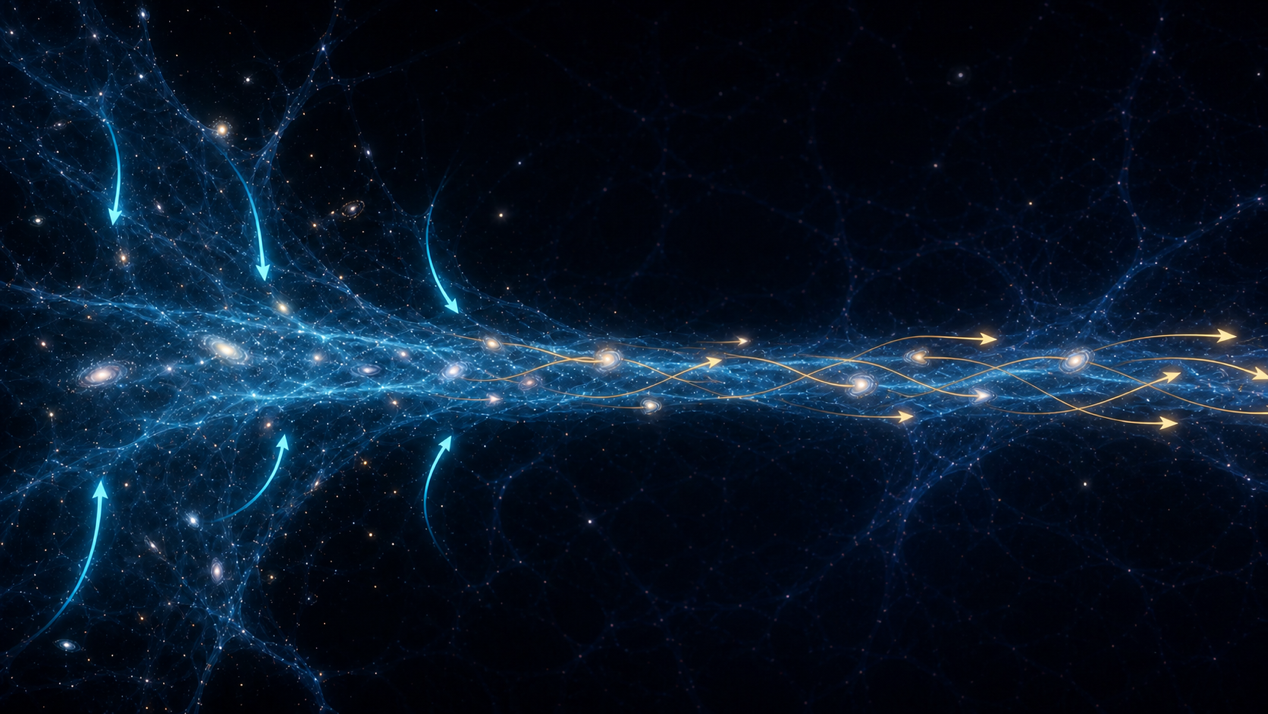
A research team from the Shanghai Astronomical Observatory (SHAO) of the Chinese Academy of Sciences (CAS) has discovered that satellite galaxies retain a measurable "kinematic memory" of matter flowing into and along cosmic filaments. Using a large spectroscopic sample from the Sloan Digital Sky Survey (SDSS) , the team found that satellite galaxies preferentially orbit within planes that contain
Space & AstronomyAstronomy#Chinese Academy of Sciences#Research News#astronomy#astrophysics