One of the first student-led organizations established by the inaugural class at the University of Minnesota Medical School CentraCare Regional Campus in St. Cloud, the Primary Care Interest Group, is already making a meaningful impact on the student experience.The organization was created to foster connection, mentorship, and enthusiasm for primary care among medical students.
Medical ResearchResearch#medical research#clinical research#University of Minnesota Medical School#UMN Medical School#students
Research NewsUniversity of Minnesota Medical School
A University of Minnesota Medical School research team has been awarded up to $6 million from the Advanced Research Projects Agency for Health (ARPA-H), an agency within the U.S. Department of Health and Human Services, to develop more effective treatments for people with severe mental health issues, including thoughts of suicide.
Medical ResearchResearch#research#medical research#clinical research#University of Minnesota Medical School#UMN Medical School
Research NewsUniversity of Minnesota Medical School
A University of Minnesota-led multi-institutional research team has discovered a highly potent small molecule that blocks Ebola virus entry by stabilizing the virus's entry protein and provides strong protection when given orally in a preclinical model.
Medical ResearchLife SciencesResearch#genomics#biology#research#medical research#clinical research#University of Minnesota Medical School#UMN Medical School
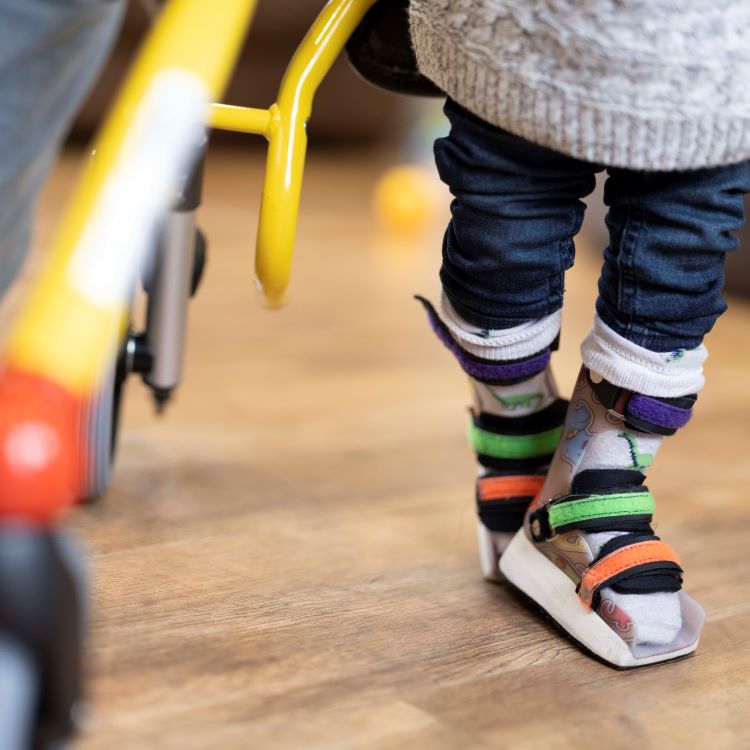
Homegrown research from Adelaide continues to play a major role in changing the world’s understanding of cerebral palsy, tracing the causes back to genetics and reducing costly litigations against obstetricians.
Adelaide University researchers will investigate why Australia has the highest rate of early-onset bowel cancer in the world as part of a national collaboration into the causes of the killer disease.
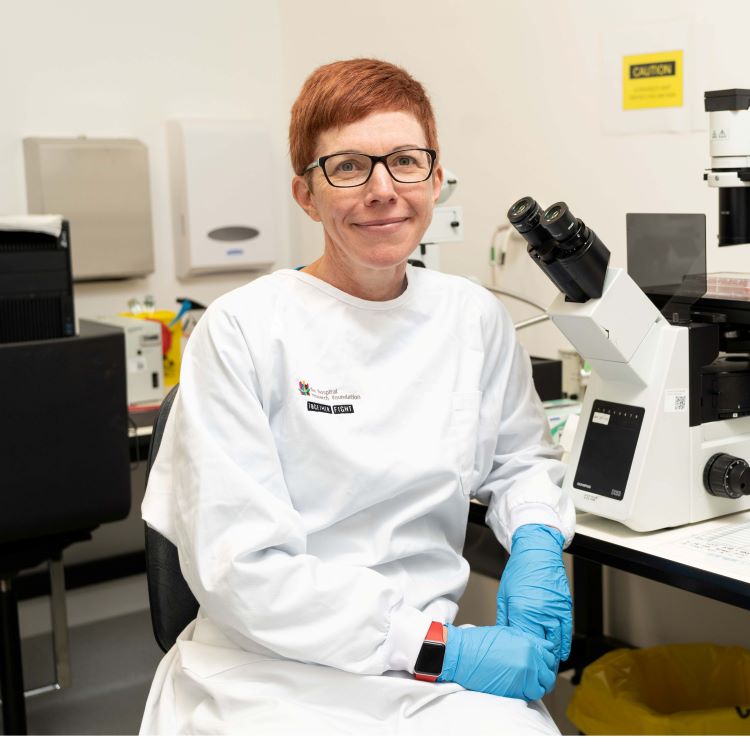
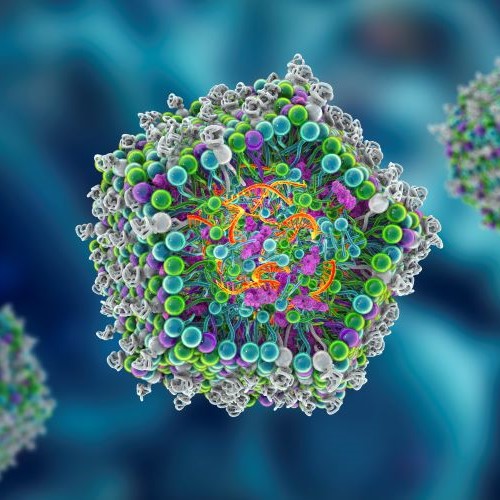
Adelaide University researchers have developed a new way of using mRNA technology to reprogram tumour-supporting immune cells and strengthen the body’s anti-cancer immune response. The scientific team, spanning engineering, biomedical, oncology and immunology experts, has developed tiny, targeted particles that could help the immune system fight cancer by reprogramming immune cells within the tumour environment. The findings have been published in Science Advances today. The new approach uses li
See a soft robot move up close, discover how light technology can help detect cancer or take a look inside a 7 Tesla MRI scanner. From 16 to 20 October, FTI Festival brings technology to life. VUB is opening its labs and bringing researchers, entrepreneurs and the public together to explore innovations that are helping shape our future. Discover all VUB activities during FTI Festival.
Medical ResearchResearch#medical research#clinical research#Vrije Universiteit Brussel#VUB Today#Innovatie
In 2024, continuous glucose monitoring devices hit the shelves for over-the-counter consumer use. Historically, these devices were prescribed for people with type 1 diabetes and, more recently, for those with type 2 diabetes to monitor their glucose levels and adjust insulin dosage. Now, the devices are generating interest in people with prediabetes, obesity, or other conditions, including otherwi
A new clinical trial led by Jesse Cedarbaum, MD, professor of neurology, and David Hafler, MD , William S. and Lois Stiles Edgerly Professor of Neurology, is the first such study to test whether a drug can slow or prevent the onset of Parkinson’s disease in people at risk.
Living human cells will launch aboard a European research rocket next month as South Australian researchers use space to investigate cancer in a radically different environment.
Dogs trained in scent detection may be better at sniffing out the right smell after breakfast, with new research finding hungry dogs that are working for treats are more likely to falsely identify the wrong scent.
Thirteen percent of U.S. children aged 3–17 have a diagnosed mental or behavioral health condition, and American youth suicide rates far exceed those of peer countries. But the popular story — a sudden, smartphone-driven collapse — doesn't fit five decades of data. This series examines where the crisis comes from, which interventions demonstrably help, and what we still need to learn.