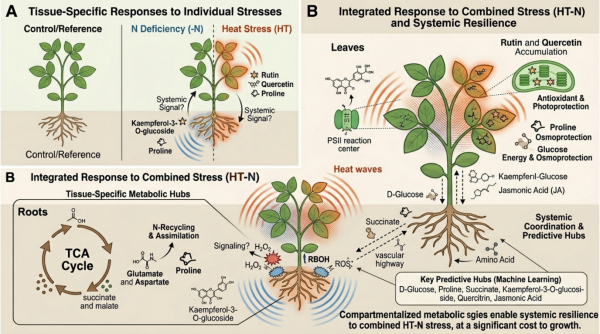
A new study has recently revealed how soybean roots and leaves employ distinct metabolic strategies under nitrogen deficiency and high-temperature stress, which may help guide the development of soybean varieties with enhanced heat tolerance and improved nitrogen-use efficiency. Led by Associate Prof . Mohsin Tanveer from the Xinjiang Institute of Ecology and Geography (XIEG) of the Chinese Academ
Environment & ClimateClimate#Chinese Academy of Sciences#Research News#climate#decarbonization
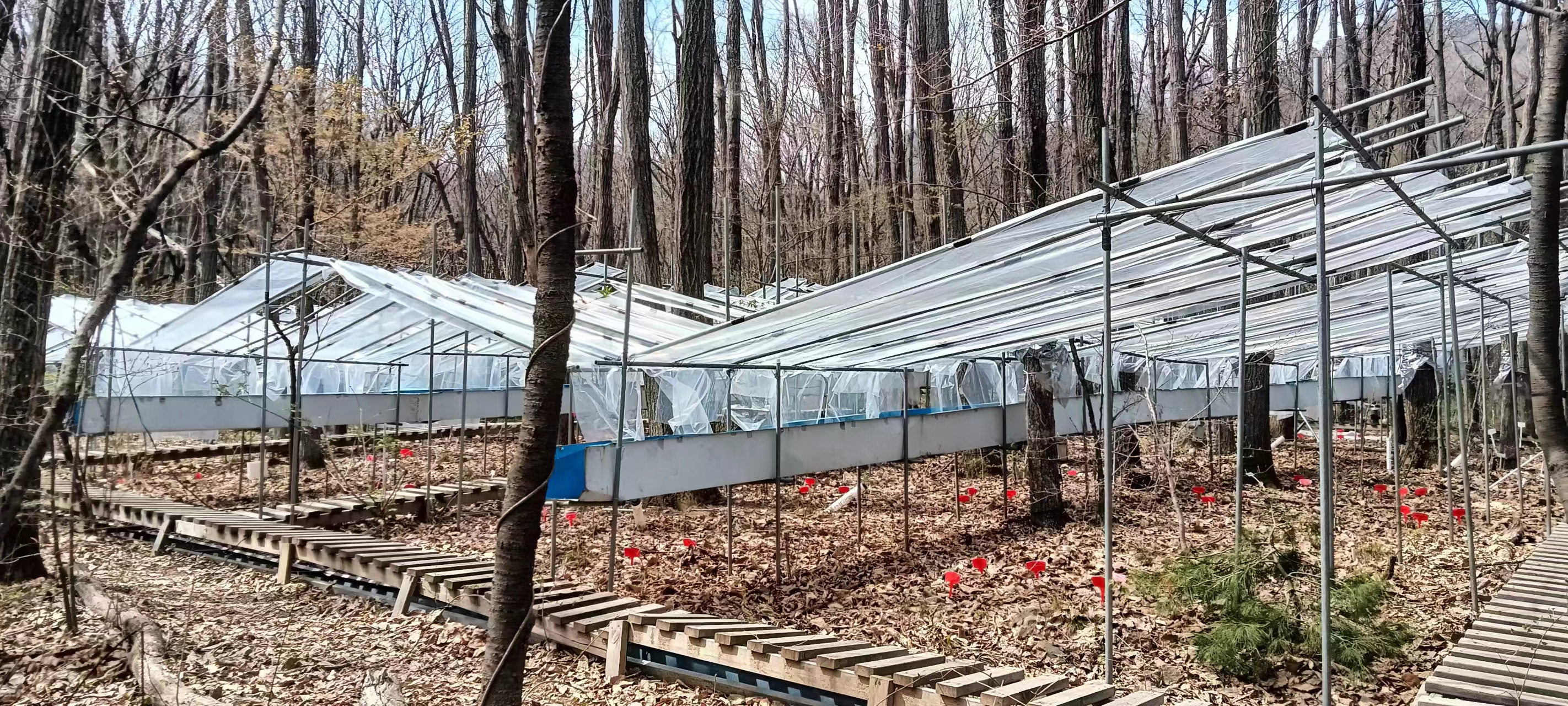
Forests support much of the world's biodiversity and play a vital role in regulating Earth's climate, but they are increasingly exposed to drought. To understand the potential consequences of drought, a key question is whether trees can acclimate to prolonged water stress by altering their physiology. Many p revious attempts to answer this question have relied on evidence from potted plants or nat
Environment & ClimateClimate#Chinese Academy of Sciences#Research News#climate#decarbonization
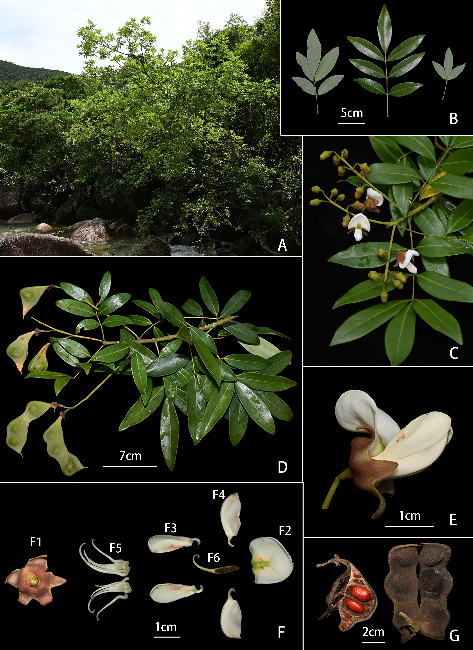
"Red berries grow in southern land, how many spring branches hold?" The red beans described by WANG Wei (701–761) in his poem have evoked the longing of the Chinese people for thousands of years. Today, right in the "southern land" mentioned in the poem—the Guangdong-Hong Kong-Macao Greater Bay Area—a research team has unveiled the identity of two new species of this very genus. Recently, a team l
Environment & Climate#Chinese Academy of Sciences#Research News#climate#decarbonization
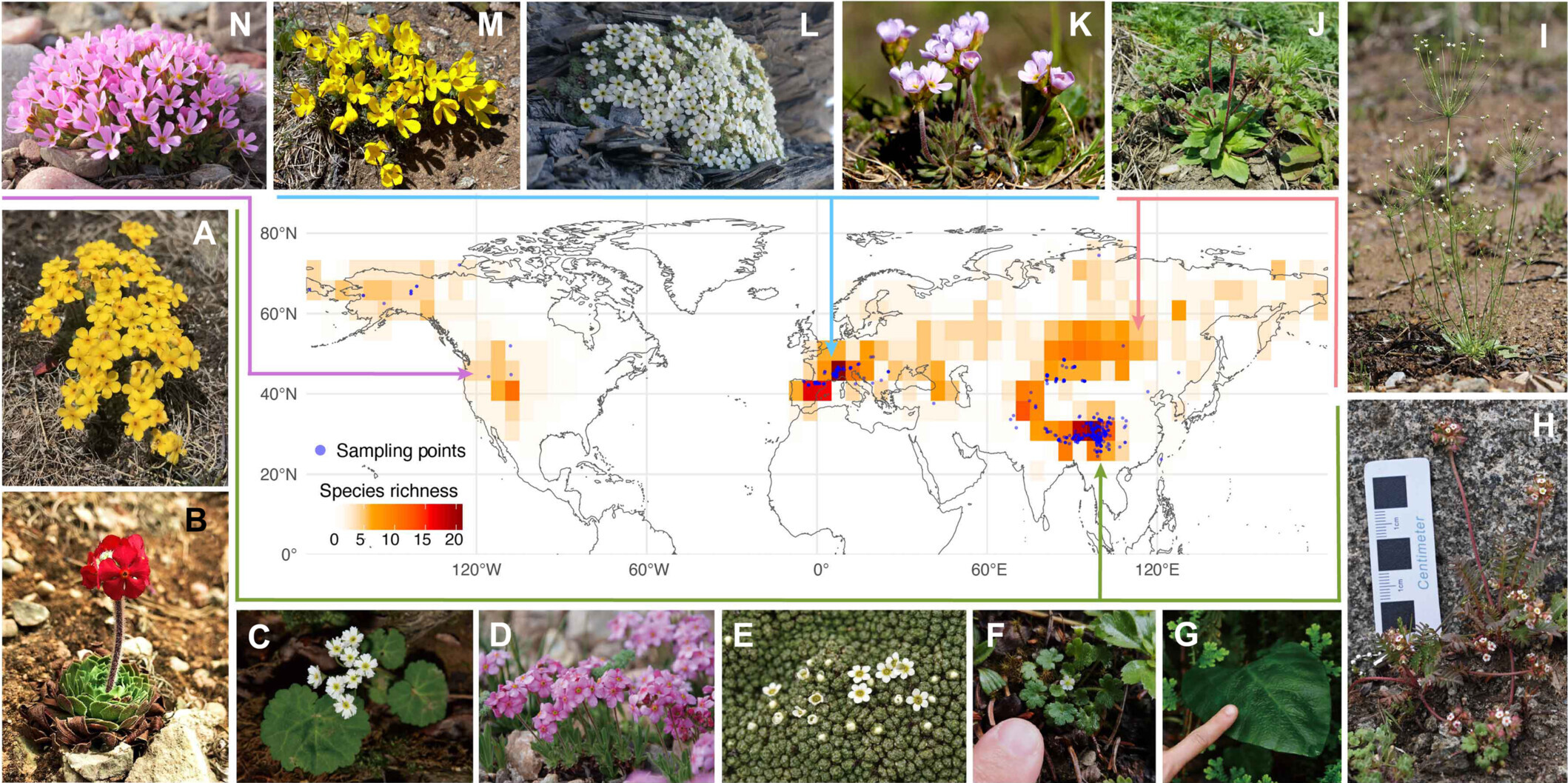
The genus Androsace is widely distributed across the temperate regions of the Northern Hemisphere, with notable diversity in the Alps and the Hengduan–Himalaya regions. Previous phylogenetic studies have advanced the understanding of Androsace 's evolutionary history, but its biogeographic origins and diversification history remain unresolved due to limited species sampling and low statistical sup
Environment & ClimateBiodiversity#Chinese Academy of Sciences#Research News#biodiversity#climate#decarbonization
In a study published in Journal of Geophysical Research: Biogeosciences , a team l ed by Prof. WANG Yufei from the Institute of Botany of the Chinese Academy of Sciences, along with the collaborator from Austria, revealed that the global grassland coverage will likely increase at the end of this century. Researchers created a data set containing 16,372 records with both characteristic variables, i
Environment & ClimateSustainable Development#Chinese Academy of Sciences#Research News#Sustainable Development#climate#decarbonization
Converting carbon dioxide ( CO 2 ) into glucose, myo-inositol, sucrose, starch and other valuable products has been considered an achievable process mainly through plant photosynthesis. Combining photocatalysts with carbon-fixing microorganisms faces challenges, including incompatible reaction environments, light-induced microbial damage and inefficient connections between upstream carbon fixation
Environment & ClimateCarbon Neutrality#Chinese Academy of Sciences#Research News#Carbon Neutrality#climate#decarbonization
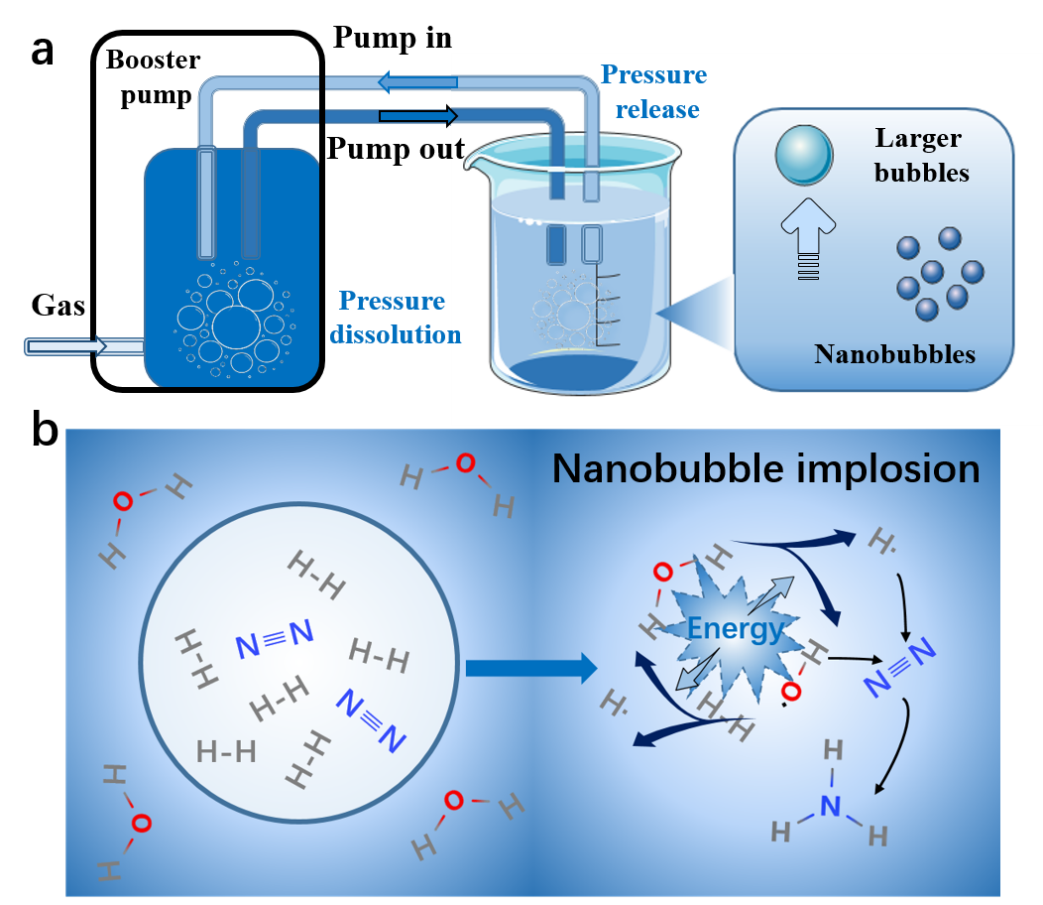
Ammonia is a cornerstone of global agriculture and a promising carrier for renewable energy storage. Yet nearly all of it is still produced via the Haber‑Bosch process, which operates above 400 °C and 200 atm, consumes about two percent of global energy, and emits large amounts of carbon dioxide. That is why finding a greener route under mild conditions has become a major challenge in chemistry an
Environment & ClimateNanotechnologyChemical Engineering#Chinese Academy of Sciences#Research News#Nanotechnology#Chemical Engineering#climate#decarbonization
Understanding the uplift history of the Tibetan Plateau is key to grasping the geodynamic processes that formed the "Roof of the World," as well as its far-reaching impacts on regional and global climate and the evolution of Asian biodiversity. The Gangdese Mountains, which run along the southern margin of the Lhasa terrane, are central to this story and among the many topographic features of the
Environment & ClimateQinghai-Tibet Plateau#Chinese Academy of Sciences#Research News#Qinghai-Tibet Plateau#climate#decarbonization
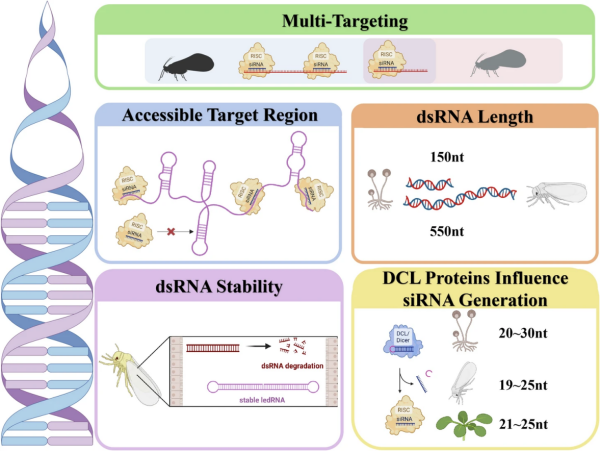
A research team has recently published a systematic reference framework for advancing Spray-Induced Gene Silencing (SIGS) from proof-of-concept toward industrialization. Led by Prof. ZHANG Tao from the Xinjiang Institute of Ecology and Geography (XIEG) of the Chinese Academy of Sciences (CAS), in collaboration with researchers from the Institute of Germplasm Resources and Biotechnology under the T
Life SciencesEnvironment & ClimateBioengineering#Chinese Academy of Sciences#Research News#Bioengineering#genomics#biology#climate#decarbonization
Methane emissions from cattle and sheep contribute to global greenhouse gas emissions and reflect a loss of dietary energy that could otherwise support animal growth and productivity, which is a major challenge for sustainable livestock production. M ost existing approaches to reduce methane emissions focus primarily on suppressing methanogenesis. In a study published in The Innovation , a researc
Life SciencesEnvironment & ClimateSustainable Development#Chinese Academy of Sciences#Research News#Sustainable Development#Pollutants#genomics#biology#climate#decarbonization