Using a new combination of computational tools to analyze ancient DNA , Yale researchers have discovered two ancient, extinct giant tortoise lineages that once lived on the Galapagos Islands.
When Raghav Sehgal arrived at Yale as a graduate student several years ago, he wanted to explore the use of powerful computer science tools in cancer research. With an engineering background and a computational biology startup already under his belt, he was well prepared.
The first wave of blockbuster obesity medications, including semaglutide (Ozempic, Wegovy) and tirzepatide (Zepbound, Mounjaro), transformed weight loss by achieving levels once thought possible only with bariatric surgery.
Autosomal dominant polycystic kidney disease (ADPKD) is the most common inherited cause of kidney failure. Despite decades of research, treatment options for the disease remain limited, and many patients ultimately require dialysis or kidney transplantation.
ResearchMedical Research#Yale University#research#Yale#Yale News#medical research#clinical research
Medicine is learned not only in lecture halls and hospital wards, but also in the everyday conversations and interactions where clinicians build lasting relationships with patients over time. For Cynthia McNamara, MD , associate professor of medicine (general medicine) at Yale School of Medicine and a physician at VA Connecticut, those spaces have shaped her approach to ambulatory education, mento
ResearchMedical Research#Yale University#research#Yale#Yale News#medical research#clinical research
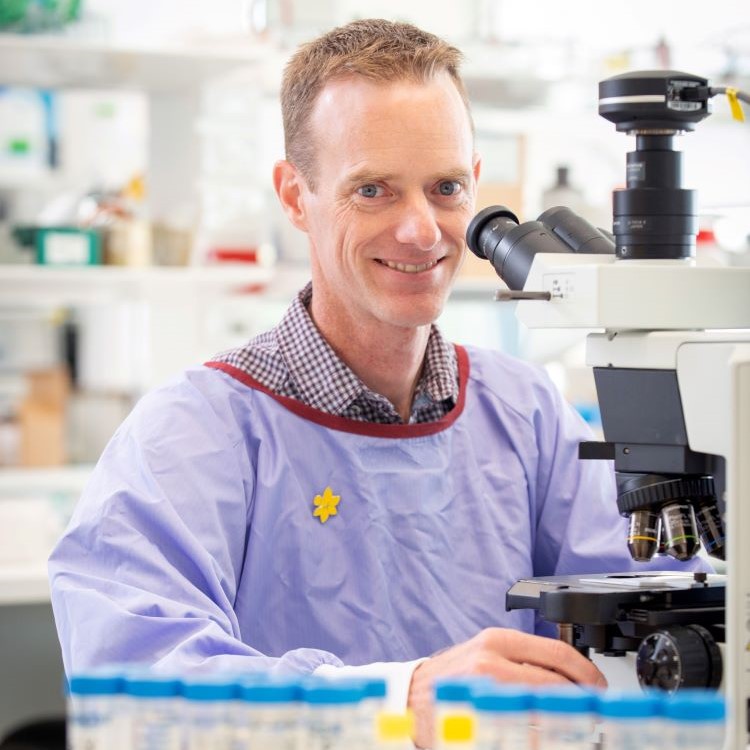
Adelaide researchers are challenging decades-old assumptions about brain cancer treatment in a bid to make radiation therapy more effective against tumours, while reducing damage to healthy tissue.
Early Investment in an Emerging Scientist The Children’s Cancer Research Fund (CCRF) recently visited the Center for Genome Engineering at the University of Minnesota.
Medical ResearchLife SciencesResearch#University of Minnesota Medical School#UMN Medical School#CGE#research#TIL#medical research#clinical research#genomics
Australian researchers have uncovered a promising new way to tackle one of the most aggressive forms of breast cancer, raising hopes for more effective treatments to stop the disease from spreading.