Machine learning doesn’t replace human intelligence, but it can outlast human endurance, which makes it a very helpful tool for chemistry and material discovery. Scientists know the machine learning models can make predictions based on the vast reams of data it is trained on, but can it take it a step further and massively scale up testing out those predictions? “We already see that AI is powerful
Environment & ClimateTechnology & InnovationData & Computer Science#Washington University in St. Louis#Newsroom#climate#decarbonization#advanced materials#innovation
Environment & ClimateNational Research Council of Science & Technology
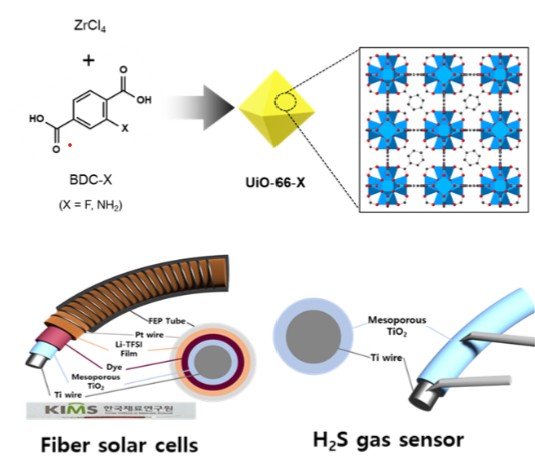
- KIMS and Pusan National University Develop Next-Generation Multifunctional Fiber-Based Electronic Device # A Single Fiber Simultaneously Generates Electricity and Detects Hydrogen Sulfide Gas # Self-Powered Safety Sensor Shows Promise for Smart Clothing, Industrial Safety Monitoring, and Next-Generation IoT Sensors CHANGWON, South Korea — Korea Institute of Materials Science (KIMS), led by Presi
Environment & ClimateTechnology & Innovation#National Research Council of Science & Technology#GRIs News#Korea Institute of Materials Science (KIMS)#KIMS#climate#decarbonization#advanced materials#innovation
Environment & ClimateQueen Mary University of London
The four projects, funded by the Leverhulme Trust and Wellcome , span all areas of the University and cover topics ranging from healthcare and artificial intelligence to waste management, pollution and sustainable technology. Funded by the Leverhulme Trust, the first of these DTPS will train the next generation of researchers to tackle the global waste crisis through interdisciplinary research and
Medical ResearchEnvironment & ClimateTechnology & Innovation#Queen Mary University of London#QMUL Latest News#Humanities And Social Sciences#medical research#clinical research#climate#decarbonization#advanced materials
Kidney disease is silent in its early stages, progressing without symptoms until the disease is advanced. Researchers in the McKelvey School of Engineering at Washington University in St. Louis, in collaboration with researchers at WashU Medicine and at Texas A&M University, have been developing a minimally invasive method to improve diagnosis in earlier stages. New research from the lab of Srikan
Medical ResearchEnvironment & ClimateTechnology & Innovation#Washington University in St. Louis#Newsroom#medical research#clinical research#climate#decarbonization#advanced materials#innovation
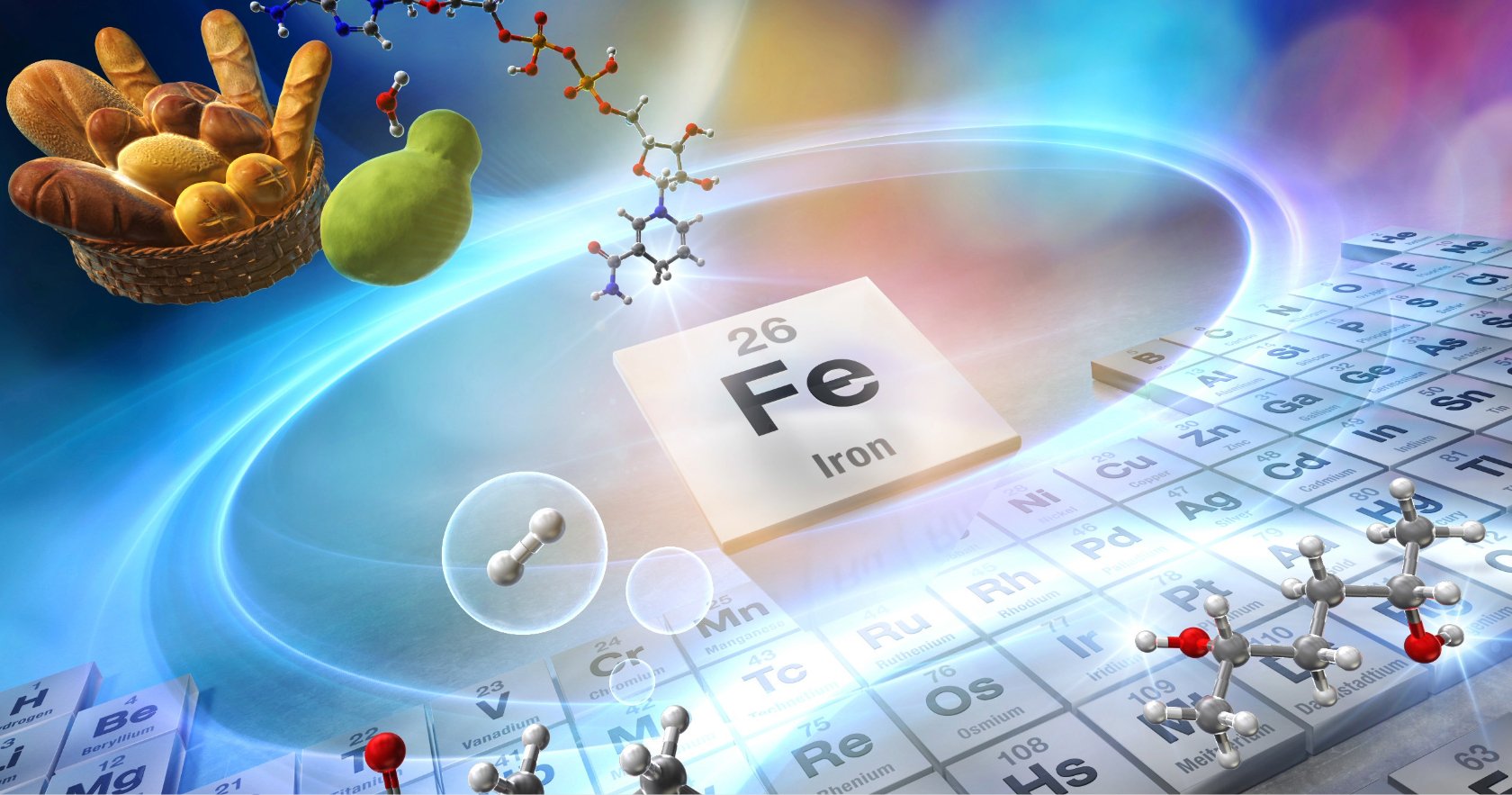
Hydrogen gas (H₂) is widely regarded as a promising clean energy source. By weight, it stores nearly three times more energy than gasoline, and its use does not directly release carbon dioxide (CO₂). Yet most H₂ is still produced from fossil fuels through CO₂-intensive processes. Storing and transporting this energy-rich gas are also costly and technically challenging. Therefore, developing sustai
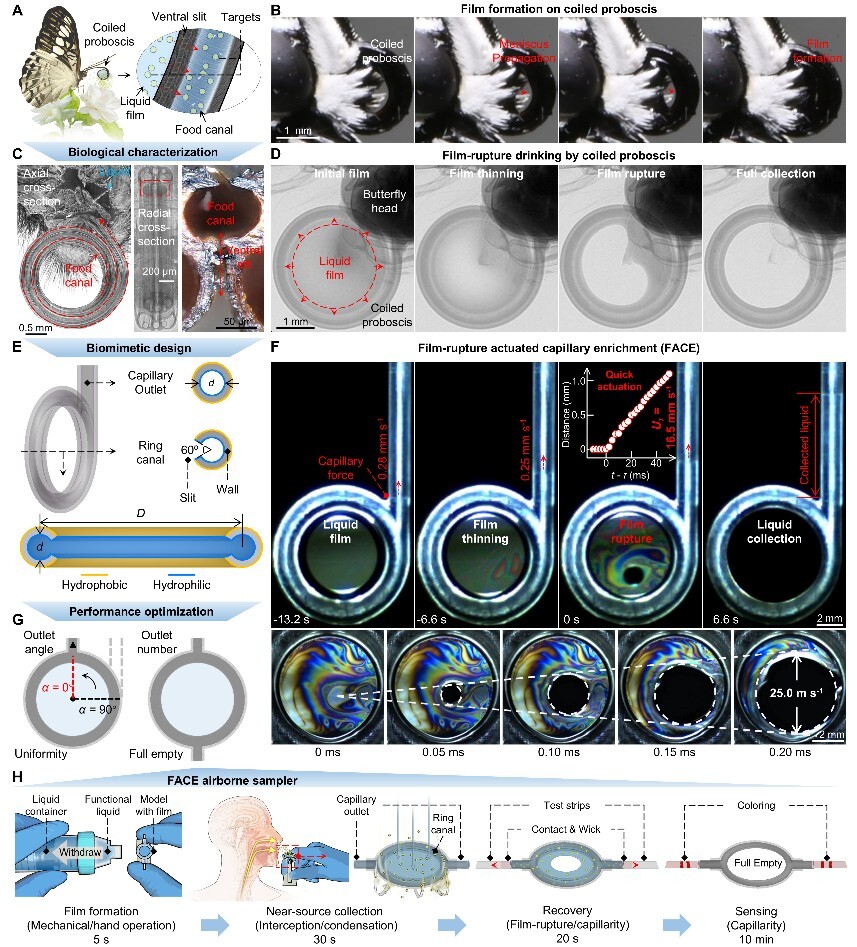
Respiratory infectious diseases and air pollution remain persistent global health challenges. Yet the tools used to monitor airborne threats are often expensive, power-hungry, and difficult to deploy outside laboratories. Now, researchers at the Technical Institute of Physics and Chemistry (TIPC) of the Chinese Academy of Sciences (CAS) have turned to an unlikely teacher for a solution: a butterfl
Medical ResearchEnvironment & ClimateTechnology & Innovation#Chinese Academy of Sciences#Research News#medical research#clinical research#climate#decarbonization#advanced materials#innovation
AUG 11, 2026 | Russ Nelson Student researchers working in the UAH Chemical Engineering labs. Michael Mercier / UAH The University of Alabama in Huntsville (UAH), a part of The University of Alabama System, is welcoming its first Fulbright Scholar-in-Residence, marking a milestone in the university's international engagement, while opening new opportunities for global engineering education, research collaboration and student exchange. Professor Giovanni Morales Medina of the Universidad Industria
Environment & ClimateTechnology & Innovation#University of Alabama in Huntsville#Newsroom#climate#decarbonization#advanced materials#innovation
The annual S1075 Symposium highlighted collaborative research, student engagement and new partnerships advancing the nation's growing bioeconomy.
Life SciencesEnvironment & ClimateTechnology & Innovation#University of Kentucky#genomics#biology#climate#decarbonization#advanced materials#innovation
Developing safer solid-state batteries requires replacing flammable organic liquid electrolytes with solid-state electrolytes (SSEs) that can conduct ions well, remain stable, and have suitable mechanical properties. As interest in SSEs has grown, so has the volume of research in the field. However, the reported data remain scattered across the literature and vary widely in format and completeness
- KIMS, Pusan National University, Incheon National University, and Macquarie University Develop an Ultrasensitive Ammonia Gas Sensor Based on Eco-Friendly Perovskite Materials # Lead-free antimony-based perovskite enables highly sensitive ammonia detection down to 1 ppm # Newly identified sensing mechanism reveals reversible ammonia intercalation and enhanced electrical conductivity, offering pot
Environment & ClimateEnergy InfrastructureTechnology & Innovation#National Research Council of Science & Technology#GRIs News#Korea Institute of Materials Science (KIMS)#KIMS#climate#decarbonization#grid#energy security