Medical ResearchLife SciencesEnvironment & Climate#genomics#biology#climate#research#medical research#clinical research#News Releases#Kennesaw State University
Research NewsUniversity of Minnesota Medical School
A University of Minnesota-led multi-institutional research team has discovered a highly potent small molecule that blocks Ebola virus entry by stabilizing the virus's entry protein and provides strong protection when given orally in a preclinical model.
Medical ResearchLife SciencesResearch#genomics#biology#research#medical research#clinical research#University of Minnesota Medical School#UMN Medical School
Adelaide University researchers will investigate why Australia has the highest rate of early-onset bowel cancer in the world as part of a national collaboration into the causes of the killer disease.
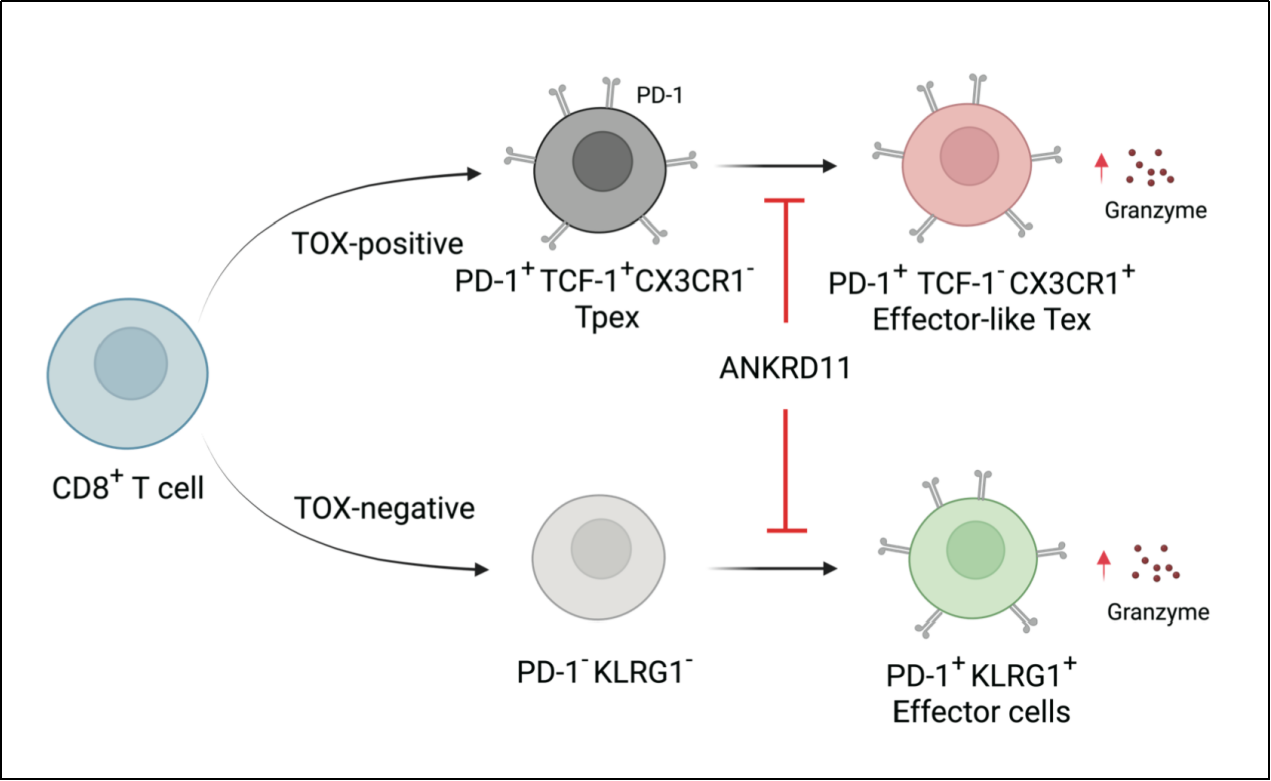
A research team led by Prof. ZHOU Xuyu from the Institute of Microbiology of the Chinese Academy of Sciences (CAS), in collaboration with researchers from Beijing Ditan Hospital and Capital Medical University, has identified ANKRD11 as a key regulator that reduces the activity of CD8 + T cells during chronic hepatitis B virus (HBV) infection and cancer. The researchers found that ANKRD11 suppresse
Medical ResearchLife SciencesHealth#genomics#biology#Chinese Academy of Sciences#Research News#Health#medical research#clinical research
Living human cells will launch aboard a European research rocket next month as South Australian researchers use space to investigate cancer in a radically different environment.
Man doing analysis on blood collection tubes in the laboratory Researchers from Queen Mary University of London, the Berlin Institute of Health at Charité (BIH) and Genomics England have shown that measuring proteins in the blood can provide important additional clues about the effects of genetic variants, helping to identify diagnoses and potential new disease-causing genes that genome sequencing
Medical ResearchLife Sciences#genomics#biology#medical research#clinical research#Queen Mary University of London#QMUL Latest News#Medicine And Dentistry
In her new leadership role, Chiappinelli will build cancer research programs while continuing her work on how ancient viral DNA can trigger anti-tumor immune responses.
Medical ResearchLife Sciences#genomics#biology#Research News#George Washington University#SMHS#medical research#clinical research
In her new leadership role, Chiappinelli will build cancer research programs while continuing her work on how ancient viral DNA can trigger anti-tumor immune responses.
Medical ResearchLife Sciences#genomics#biology#Research News#George Washington University#SMHS#medical research#clinical research
by Taylor McNeil September 10, 2026 Biomedical Science , Cancer , School of Arts and Sciences , Graduate School of Arts and Sciences Share When cancer strikes, it doesn’t appear in isolation—the surrounding materials in our bodies have been tricked into supporting the tumor’s out-of-control growth. An important part of that mix is the microenvironment around the tumors, made up largely of the extracellular matrix, with its variety of molecules and proteins like collagen and elastin. How that ext
Biomedical ScienceCancerMedical Research#genomics#biology#Cancer#medical research#clinical research#Tufts University#Biomedical Science#Tufts Now
Risk factors for cardiovascular-kidney-metabolic disease, a health condition made up of heart disease, kidney disease, diabetes, and obesity, can be identified in children as young as 8, UTHealth Houston researchers discovered.
A University of Minnesota Medical School research team has been awarded up to $6 million from the Advanced Research Projects Agency for Health (ARPA-H), an agency within the U.S. Department of Health and Human Services, to develop more effective treatments for people with severe mental health issues, including thoughts of suicide.
Medical ResearchResearch#research#medical research#clinical research#University of Minnesota Medical School#UMN Medical School
In 2024, continuous glucose monitoring devices hit the shelves for over-the-counter consumer use. Historically, these devices were prescribed for people with type 1 diabetes and, more recently, for those with type 2 diabetes to monitor their glucose levels and adjust insulin dosage. Now, the devices are generating interest in people with prediabetes, obesity, or other conditions, including otherwi
A new clinical trial led by Jesse Cedarbaum, MD, professor of neurology, and David Hafler, MD , William S. and Lois Stiles Edgerly Professor of Neurology, is the first such study to test whether a drug can slow or prevent the onset of Parkinson’s disease in people at risk.
A team of UTHealth Houston researchers slowed and even reversed diabetic nerve damage in mice, bringing researchers one step closer to developing a treatment for humans.
Thirteen percent of U.S. children aged 3–17 have a diagnosed mental or behavioral health condition, and American youth suicide rates far exceed those of peer countries. But the popular story — a sudden, smartphone-driven collapse — doesn't fit five decades of data. This series examines where the crisis comes from, which interventions demonstrably help, and what we still need to learn.
The Lasker Foundation has announced that UT Southwestern sleep researcher Masashi Yanagisawa, M.D., Ph.D., is a recipient of the 2026 Albert Lasker Basic Medical Research Award for his discovery of orexin, a brain peptide that maintains wakefulness, and demonstration that the absence of its action is responsible for narcolepsy, a profound disorder of sleep.
UTSW AnnouncementsBasic ScienceFeatures#genomics#biology#medical research#clinical research#Basic Science#UT Southwestern Medical Center#UTSW Announcements