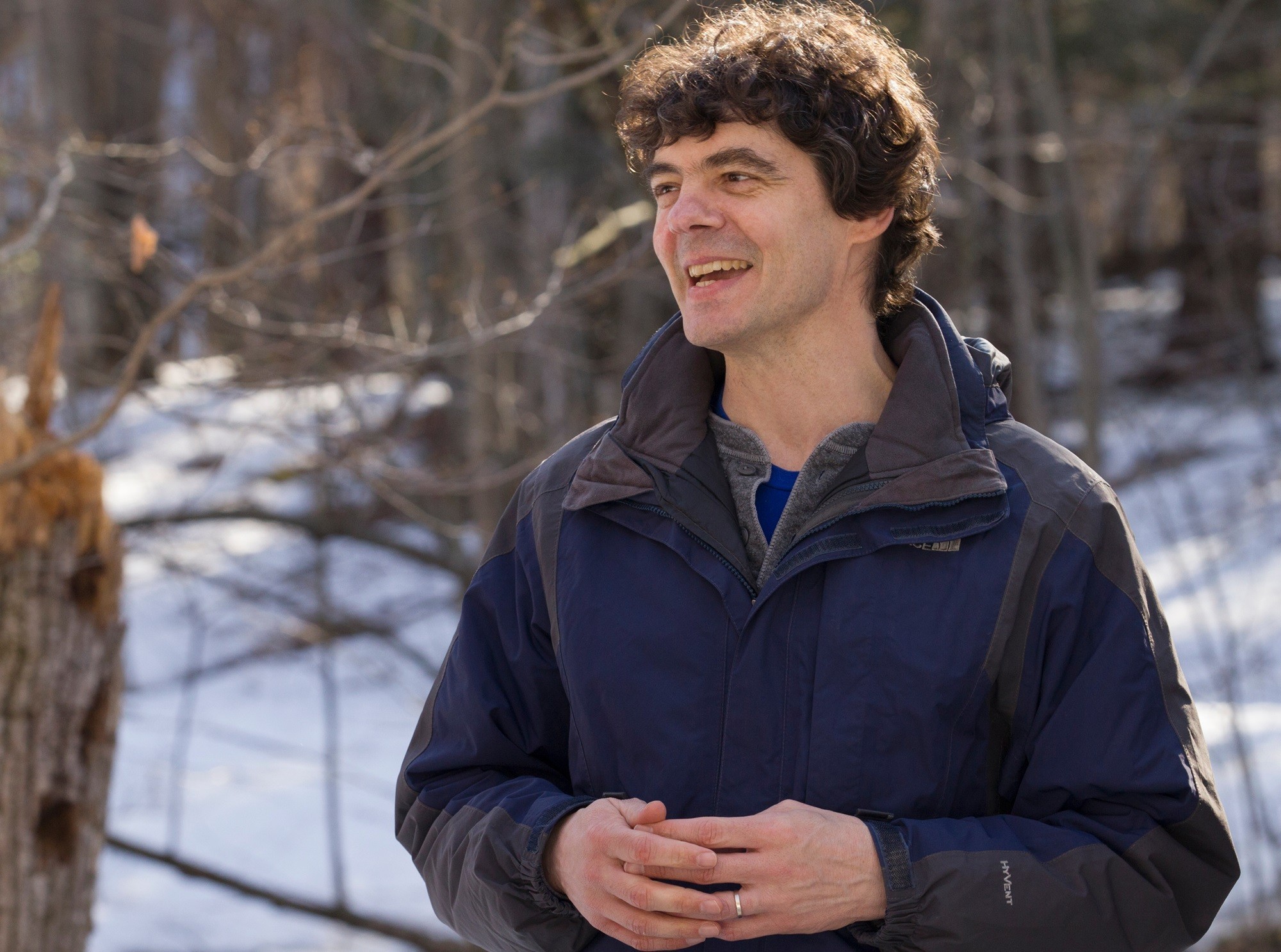
Dr. Teun Munnik has been appointed Professor of Plant Cell Biology at the University of Amsterdam. Munnik is affiliated with the Swammerdam Institute for Life Sciences (SILS) at the Faculty of Science. The appointment came into effect on 1 January 2026. As professor, Munnik will further strengthen research and education in molecular cell biology within the Swammerdam Institute for Life Sciences.
Life SciencesEnvironment & Climate#University of Amsterdam#genomics#biology#climate#decarbonization
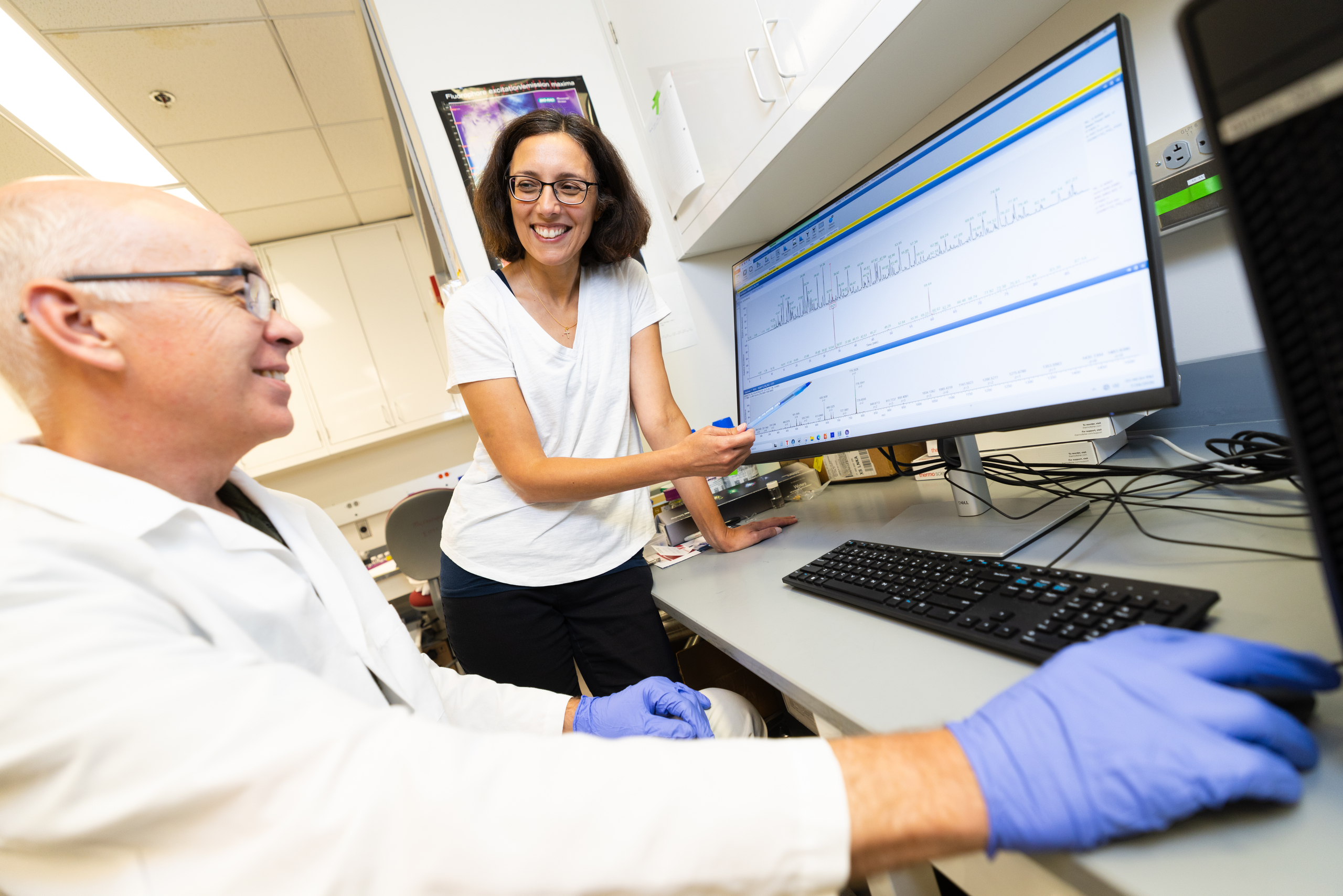
Researchers at the University of Nebraska–Lincoln and other institutions now have access to one of the most advanced platforms available for high-throughput proteomics thanks to a new state-of-the-art mass spectrometry instrument installed in the Nebraska Center for Biotechnology’s Proteomics and Metabolomics Facility.
News & InformationNews for ResearchersEnvironment & Climate#University of Nebraska–Lincoln#Center for Biotechnology#Core Facilities#News for Researchers#Research News#News & Information#climate#decarbonization
The Academy’s Fellowship is made up of distinguished individuals from academia, the public, private and third sectors. Fellows are selected following a robust and independent peer-review process in recognition of the significant impact of their work in helping address some of the toughest challenges facing society. Professor Lucy Griffiths is Professor of Epidemiology at Swansea University Medical
Medical ResearchEnvironment & ClimateResearch#Swansea University#Swansea Press Office#medical research#clinical research#climate#decarbonization
Growing up in Carlsbad, Elise Nishimura developed an early appreciation for the environment. Now a junior Environmental Systems major and UC San Diego softball player, she combines her academic and athletic passions through EcoAthletes, using her voice to inspire climate action.
ResearchEnvironment & Climate#University of California San Diego#UC San Diego#UCSD Today#climate#decarbonization
A CU Boulder mountain geographer explains how rising temperatures are destabilizing mountains and increasing the risk of landslides, glacial floods and other potentially catastrophic hazards around the world.
Over the weekend, parts of the interview aired on TV stations across 104 markets and countries, including New York City, Atlanta, Washington, D.C., Australia, South Korea and Vietnam.
ResearchEnvironment & Climate#University at Albany#research#climate#decarbonization
The federal government just unveiled an aggressive plan to help conserve the mighty Colorado. Will it work? And if not, what will? Water policy veteran Doug Kenney offers insight.
As climate change drives more frequent and prolonged heat waves, CU Boulder and CU Anschutz researchers are working with formerly incarcerated people to understand conditions inside prisons and develop ways to reduce health risks.
Environment & Climate#University of Colorado Boulder#CU Boulder#CU Boulder Today#climate#decarbonization
Researchers find that while administrative backing lowers teacher stress, high levels of student violence weaken its protective impact
Research NewsEnvironment & Climate#Ohio State University#medical#Science#Share on: X#More Ohio State News#View all headlines - More Ohio State News#climate#decarbonization
Welcome to Yale Afternoons with Alison! In this series, Alison Cole ’99 , executive director of the YAA, meets with university leaders to learn more about their priorities and how the alumni community can support them. All conversations occur at Rose Alumni House, the home of the alumni association and a hub for activity on campus. Bring your favorite beverage and enjoy the conversation.
ResearchParticle PhysicsEnvironment & Climate#Yale University#research#Yale#Yale News#Particle Physics#High Energy Physics#climate#decarbonization
A new study from the Center for Western Weather and Water Extremes (CW3E) at Scripps Institution of Oceanography at UC San Diego finds that improved weather and water forecasts could help California gain more value from existing reservoirs and help meet a new water supply target.
ResearchEnvironment & Climate#University of California San Diego#UC San Diego#UCSD Today#climate#decarbonization
A common blue pigment could help turn carbon dioxide (CO₂) from an industrial waste product into a useful fuel. A joint research team led by Tohoku University's Advanced Institute for Materials Research (WPI-AIMR), in collaboration with Hokkaido University and startup AZUL Energy, has developed a catalyst that converts CO₂ directly into methane (CH₄) with high efficiency using copper phthalocyanin
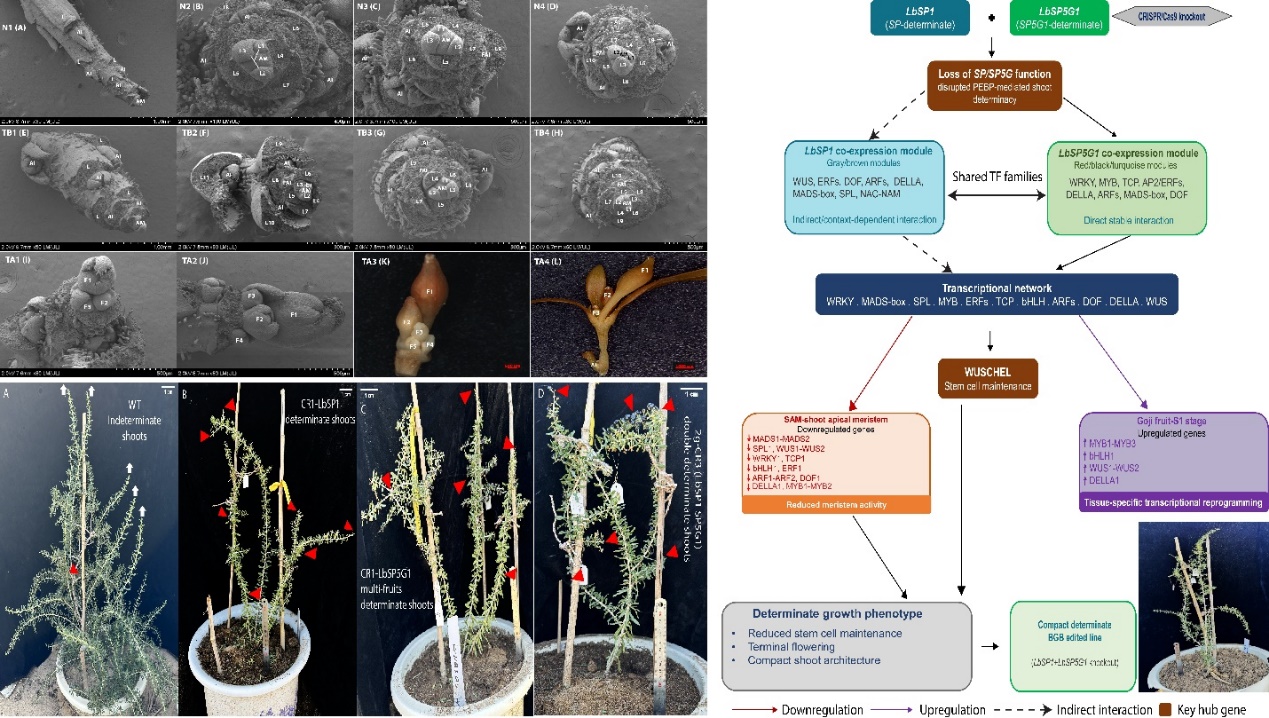
Goji berry ( Lycium barbarum L.) is a perennial woody cash crop valued for its nutritional and medicinal properties and of significant industrial importance. However, its typical indeterminate growth habit has become a major bottleneck to the development of the goji berry industry. This trait causes goji branches to continuously sprout, bloom, and bear fruit over time. Consequently, flowers and fr
Environment & ClimateBioengineering#Chinese Academy of Sciences#Research News#Bioengineering#climate#decarbonization
UK researchers and students are studying tick ecology in Kentucky, testing innovative surveillance tools to track species, disease risk and land-use impacts.
Medical ResearchEnvironment & Climate#University of Kentucky#medical research#clinical research#climate#decarbonization
Research NewsUniversity of Minnesota Medical School
The human body is a marvel of remake and renewal. We regularly replace some of our estimated 37 trillion cells – about 300 billion or 1 percent of our cells each day - with healthy substitutes. We remove damaged or aging, senescent cells and cellular debris from our organs and tissues every second of the day. How important is it that cellular waste be properly removed?
Medical ResearchLife SciencesEnvironment & Climate#University of Minnesota Medical School#UMN Medical School#Immunology#medical research#clinical research#genomics#biology#climate
Research NewsAerospace Information Research Institute, CAS
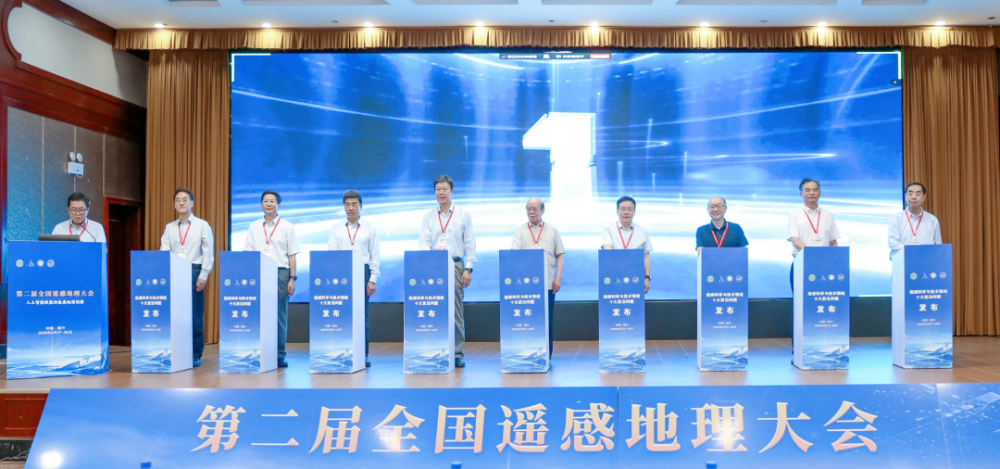
Ten frontier scientific challenges expected to shape future research and technological development in remote sensing were unveiled on Aug. 28 at the opening ceremony of the Second National Conference on Remote Sensing Geography in Kashgar, northwest China's Xinjiang Uygur Autonomous Region.
Earth ObservationFusion EnergyEnvironment & Climate#Aerospace Information Research Institute, CAS#research#AIRCAS#Remote Sensing#Research News#fusion#plasma physics#climate
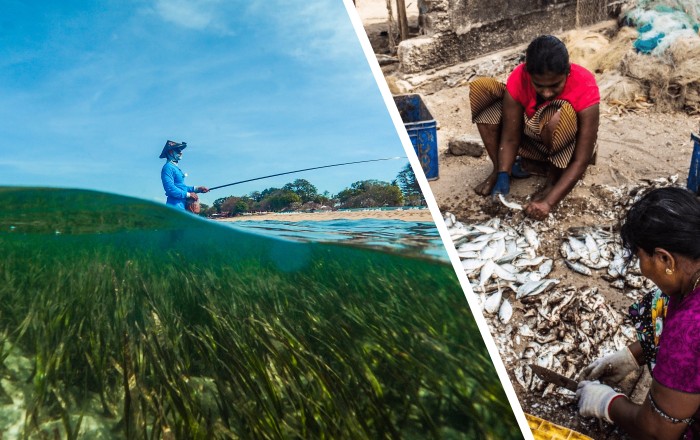
The research found that at least 18 million people living in poverty fish in seagrass meadows across the Indo-Pacific. Of these, around 6.5 million are entirely dependent on the habitat for both food and fishing-related income. The study also revealed that households living in extreme poverty were significantly more likely to rely on seagrass meadows for all their fishing activities. Seagrass-depe
A study has found that young chimpanzees develop distinct population-specific vocal patterns as they mature (ontogeny), challenging the long-held assumption that their calls are inflexible and determined solely by genetics. Led by Doctoral researcher Kassandra Giragosian from the School of Biological and Behavioural Sciences at Queen Mary University of London, in collaboration with the University
Environment & Climate#Queen Mary University of London#QMUL Latest News#Science And Engineering#climate#decarbonization
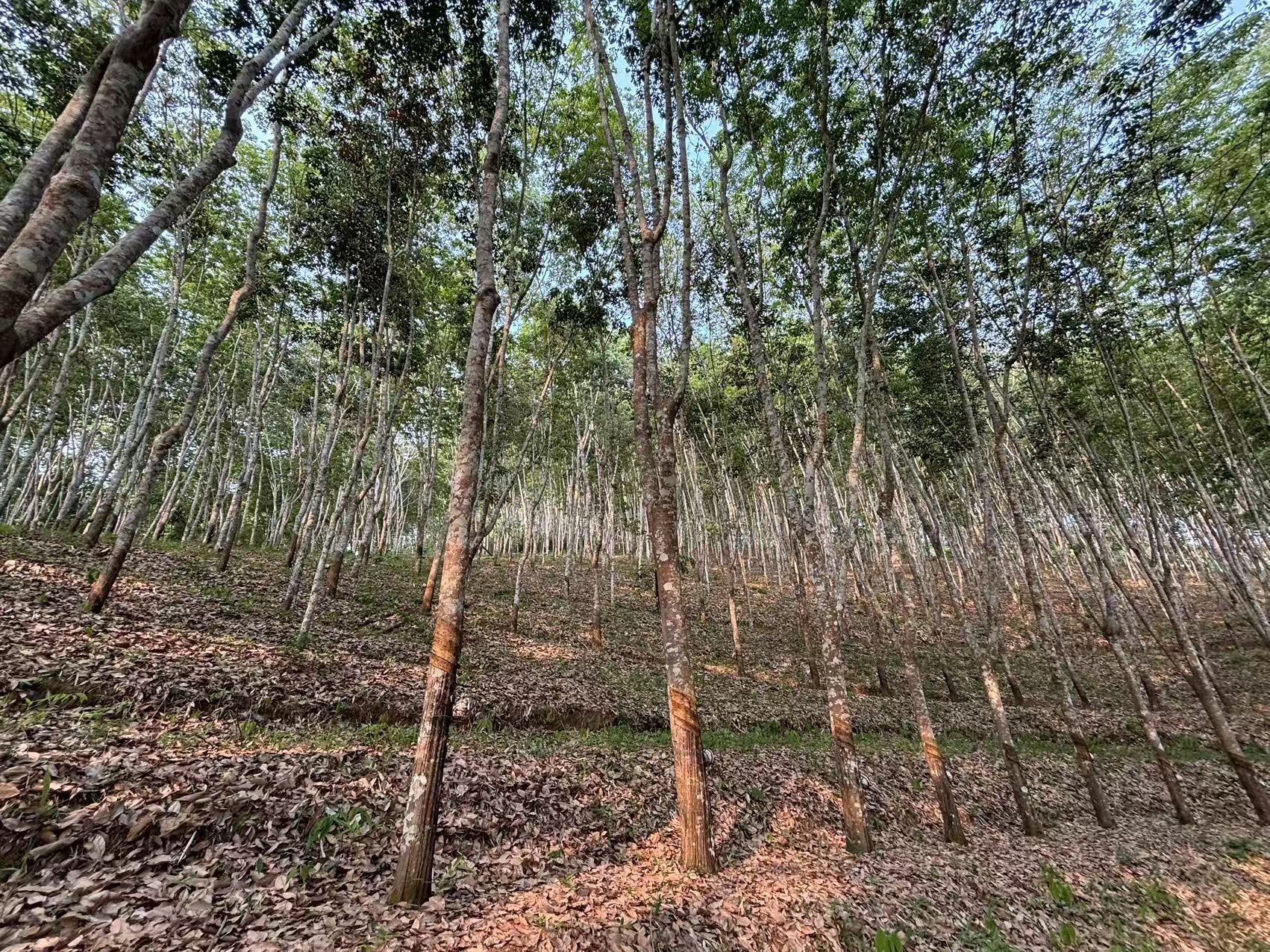
Soil organic carbon dynamics are a key indicator for assessing the success of ecosystem restoration. According to a new study by researchers from the Xishuangbanna Tropical Botanical Garden (XTBG) of the Chinese Academy of Sciences, soil microorganisms play a critical role in regulating carbon storage in tropical ecosystems undergoing recovery. The study, published in Catena on August 27, showed t
Life SciencesEnvironment & ClimateCarbon Neutrality#Chinese Academy of Sciences#Research News#Carbon Neutrality#genomics#biology#climate#decarbonization
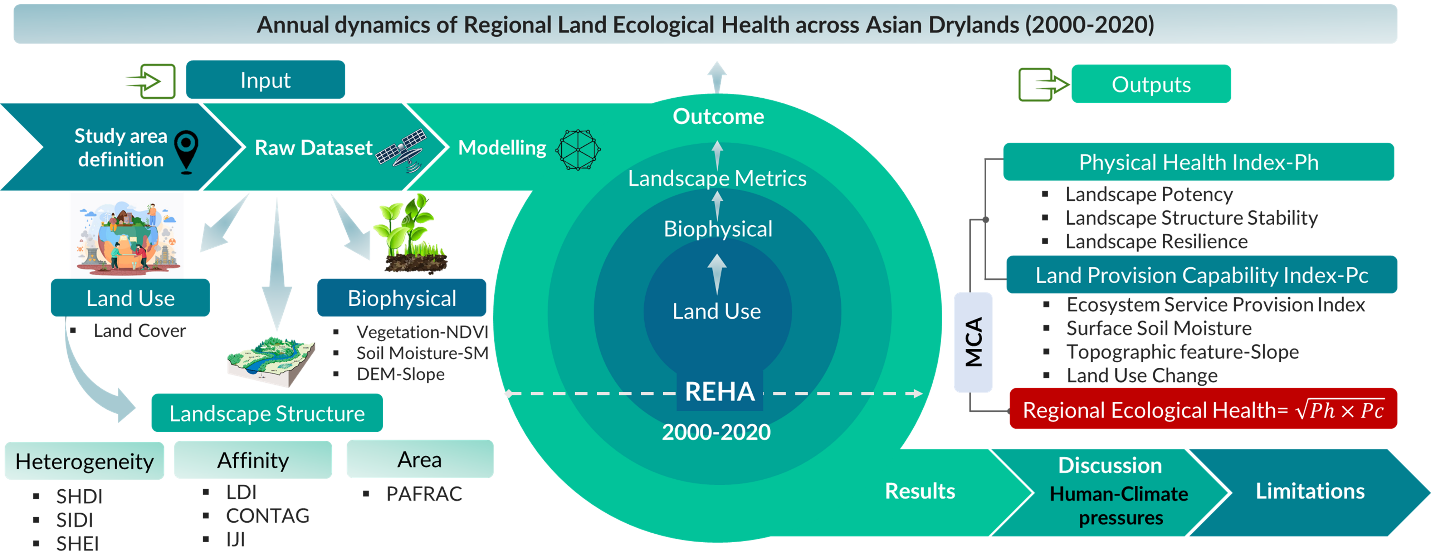
A research team from the Xinjiang Institute of Ecology and Geography (XIEG) of the Chinese Academy of Sciences (CAS) has proposed a new ecosystem health framework to track long-term, consistent ecological changes across Asian drylands. Based on the framework, the team found that ecosystem health across Asian drylands declined steadily until 2012, then partially recovered after 2014. Central Asia c
Environment & ClimateClimateConservation#Chinese Academy of Sciences#Research News#climate#Conservation#decarbonization




_800x420.jpg)