LBMS marks five years as a leading cryo-EM facility, advancing biological discovery through cutting-edge imaging and collaboration.
Medical ResearchLife SciencesEnvironment & Climate#Brookhaven National Laboratory#medical research#clinical research#genomics#biology#climate#decarbonization
Researchers uncover a critical molecular switch that helps bacteria survive environmental stress and antibiotic exposure.
Medical ResearchLife SciencesEnvironment & Climate#Brookhaven National Laboratory#medical research#clinical research#genomics#biology#climate#decarbonization
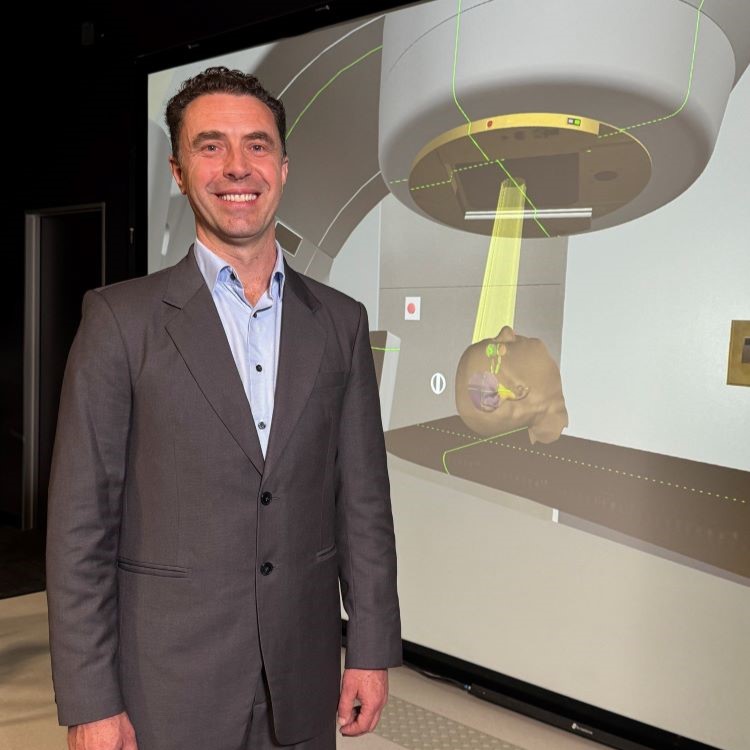
Adelaide researchers are challenging decades-old assumptions about brain cancer treatment in a bid to make radiation therapy more effective against tumours, while reducing damage to healthy tissue.
Using a new combination of computational tools to analyze ancient DNA , Yale researchers have discovered two ancient, extinct giant tortoise lineages that once lived on the Galapagos Islands.
The U.S. National Science Foundation is investing $90 million over five years to support three new NSF Science and Technology Centers (NSF STC). These centers will advance American leadership in…
Fusion EnergyMedical ResearchLife Sciences#U.S. National Science Foundation#fusion#plasma physics#medical research#clinical research#genomics#biology
DNA double-strand breaks (DSBs) are posing serious threats to genome stability. During mitosis, cells mainly rely on polymerase theta (Polθ) -mediated repair to fix these breaks. However, how the CIP2A-TOPBP1 complex regulates this process remains unclear. In a study published in PNAS , a team led by Prof. ZHAO Guoping from the Hefei Institutes of Physical Science of the Chinese Academy of Science
Medical ResearchLife SciencesProteins#Chinese Academy of Sciences#Research News#Proteins#medical research#clinical research#genomics#biology
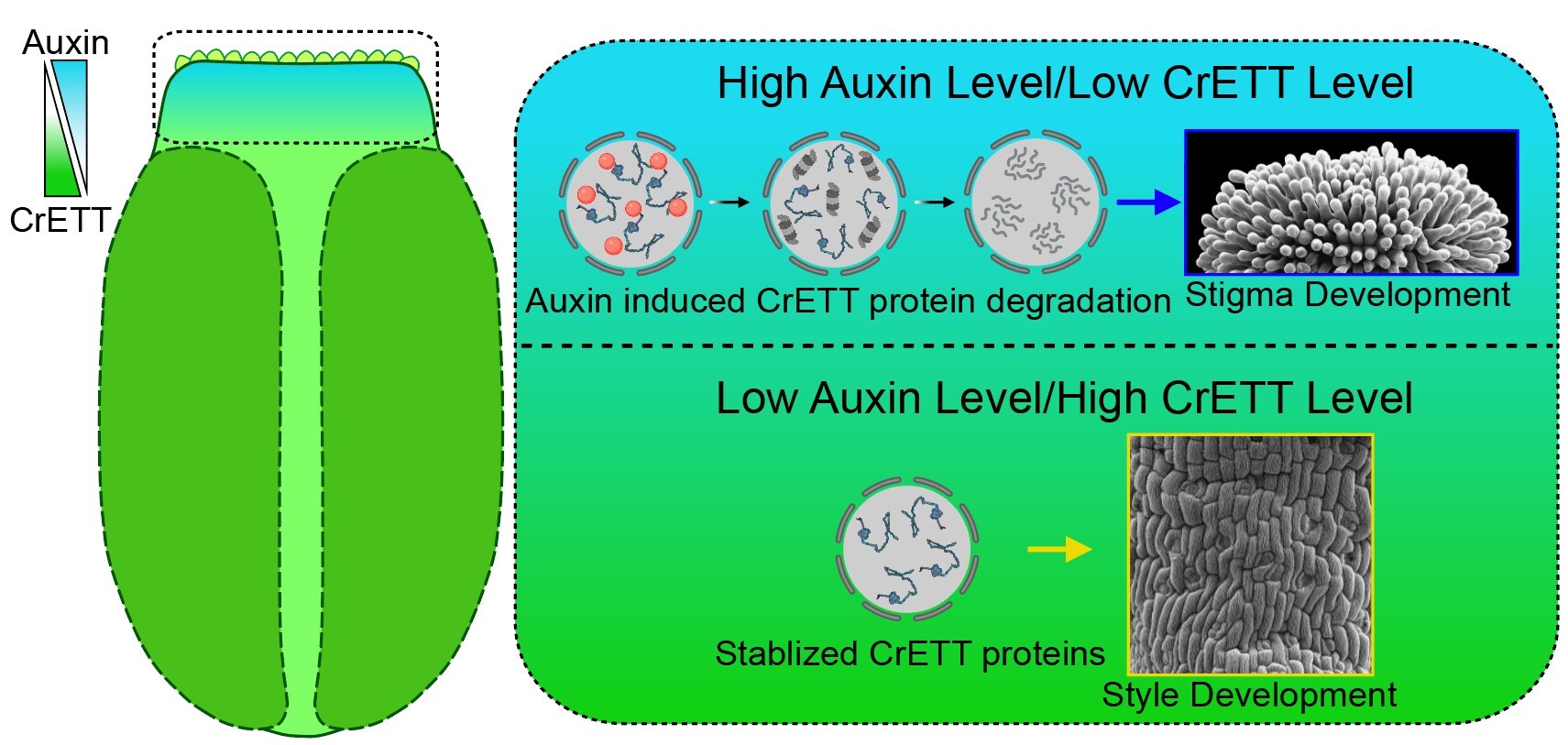
Have you ever wondered how a flower ensures that it's pollen-catching "landing pad" (the stigma) stays neatly separated from the "pollen tube highway" beneath it (the style)? This clear boundary is crucial for plant reproduction, but for decades, biologists didn't know how it was drawn. In a study published in PNAS , researcher s from the Institute of Botany of the Chinese Academy of Sciences (CAS
Life SciencesEvolution#Chinese Academy of Sciences#Research News#Evolution#genomics#biology
Understanding and wielding the quantum properties of nature is the ambitious objective of eight research institutes that will collectively receive more than $290 million from the U.S. National Science…
Life SciencesTechnology & Innovation#U.S. National Science Foundation#genomics#biology#advanced materials#innovation
Parking congestion, vacant properties and climate change: there is no shortage of societal problems. People often look to the government for solutions. But the government could do with some help and could make greater use of so-called ‘prize-backed competitions’, argues Louise Verboeket. In her PhD thesis, she investigated how government organisations can best use this tool from a legal perspective.
Environment & Climate#University of Amsterdam#climate#decarbonization
Kidney disease is silent in its early stages, progressing without symptoms until the disease is advanced. Researchers in the McKelvey School of Engineering at Washington University in St. Louis, in collaboration with researchers at WashU Medicine and at Texas A&M University, have been developing a minimally invasive method to improve diagnosis in earlier stages. New research from the lab of Srikan
Medical ResearchEnvironment & ClimateTechnology & Innovation#Washington University in St. Louis#Newsroom#medical research#clinical research#climate#decarbonization#advanced materials#innovation
The San Diego Supercomputer Center will serve as the testing ground for a new $8.48 million project that could transform how AI data centers receive and manage electricity while helping prevent them from overwhelming California's power grid.
ResearchEnvironment & ClimateEnergy Infrastructure#University of California San Diego#UC San Diego#UCSD Today#climate#decarbonization#grid#energy security
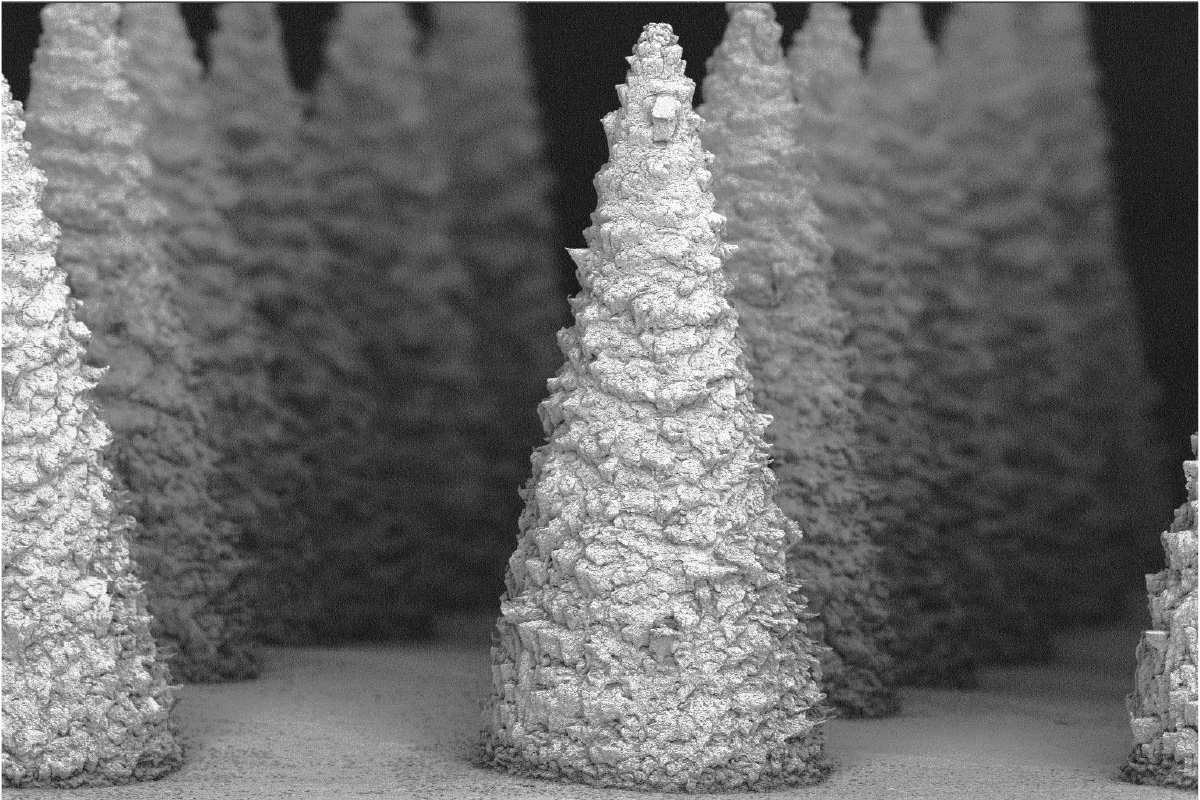
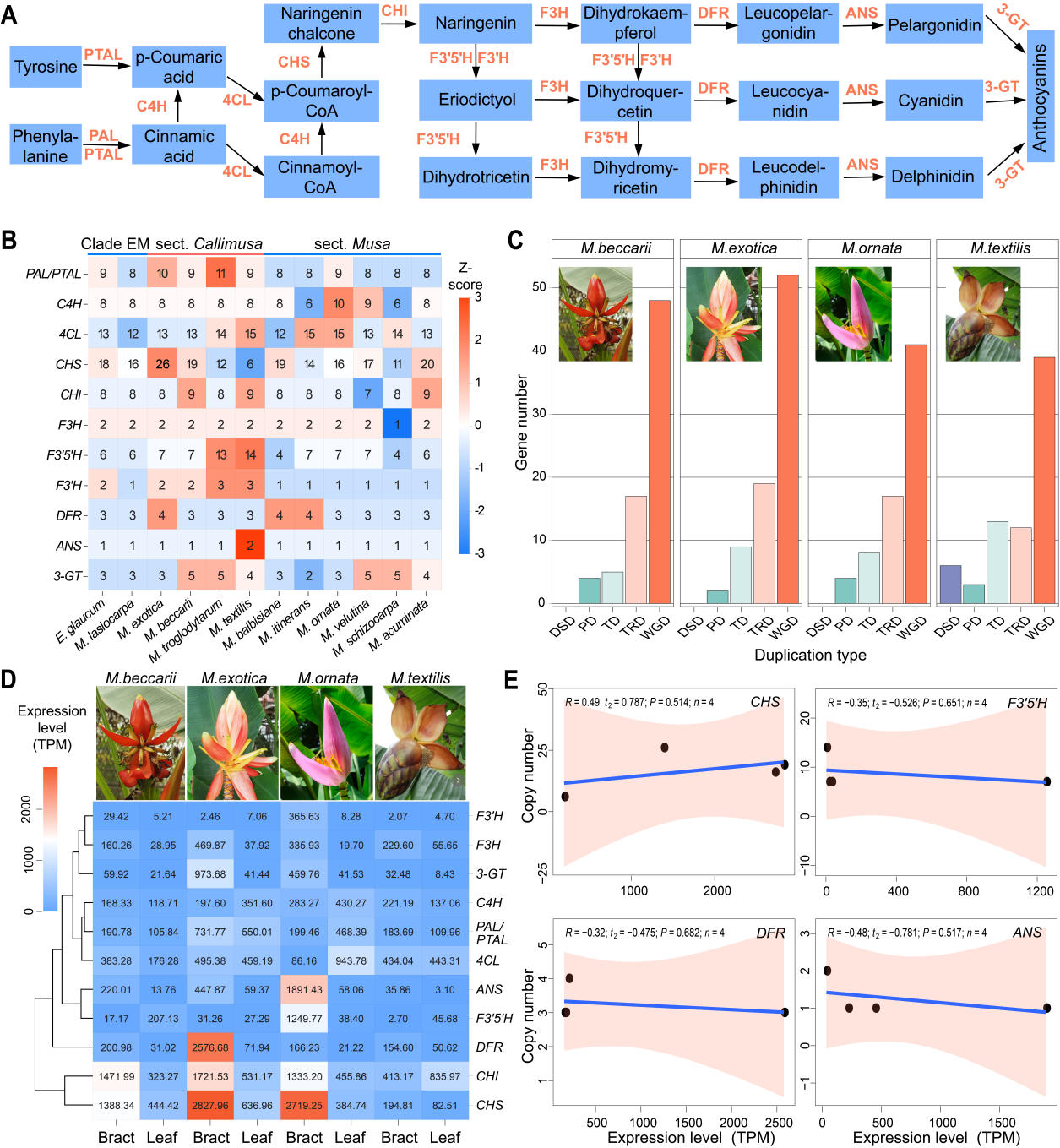
Scientists have recently reconstructed the ancestral karyotype of the banana family, revealing how chromosome numbers decreased stepwise from 17 to 9 - 11 over evolutionary time. The study was led by scientists from the South China Botanical Garden (SCBG) of the Chinese Academy of Sciences (CAS), in collaboration with researchers from Sichuan University and other institutions . The findings were p
Fusion EnergyLife SciencesBiodiversity#Chinese Academy of Sciences#Research News#biodiversity#paleontology#fusion#plasma physics#genomics#biology
In a study published in Science , a team led by Prof. ZHOU Bin from the Center for Excellence in Molecular Cell Science (Shanghai Institute of Biochemistry and Cell Biology) of the Chinese Academy of Sciences, along with Prof. LIU Kathy O. from The Chinese University of Hong Kong, developed a series of genetic lineage-tracing tools to investigate the origins of newly formed coronary collateral art
Medical ResearchLife SciencesHealth#Chinese Academy of Sciences#Research News#Health#medical research#clinical research#genomics#biology
Stem cells possess the unique ability to self-renew and transform into different types of cells. For example, rare hematopoietic stem cells found in bone marrow can become any type of blood cell. Throughout life, they can produce new blood cells to replace those lost because of infection, bleeding, or chemotherapy. However, as people and animals age, hematopoietic stem cells become less effective.
Medical ResearchLife Sciences#Tohoku University#Research Releases#medical research#clinical research#genomics#biology
New research from UTHealth Houston found firefighters experience measurable biological changes in their blood and urine within 24 hours of fighting a fire–changes that may help identify early cancer risk, the leading cause of death among firefighters.
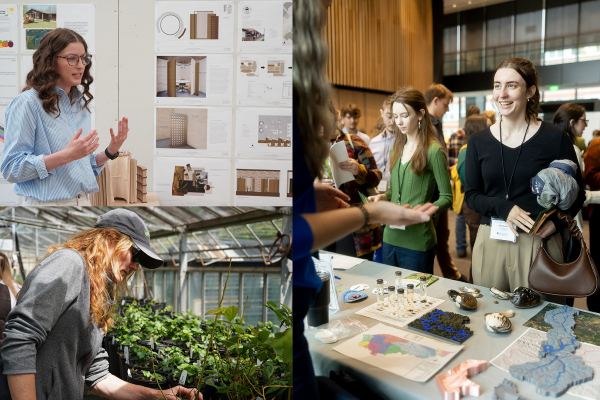
by Kara Baskin August 24, 2026 Visual Arts , Climate & Sustainability , School of the Museum of Fine Arts , School of Arts and Sciences , Graduate School of Arts and Sciences Share At SMFA at Tufts, five raised garden beds along Museum Way produce something more unusual than tomatoes or zucchini: They’re growing art supplies. The fiber and dye garden brims with plants that, come fall, are harvested as pigments, inks, paper, and textiles. These include orange cosmos, Hopi black dye sunflowers, sa