In her new leadership role, Chiappinelli will build cancer research programs while continuing her work on how ancient viral DNA can trigger anti-tumor immune responses.
Medical ResearchLife Sciences#George Washington University#Research News#SMHS#medical research#clinical research#genomics#biology
Research NewsUniversity of Minnesota Medical School
A University of Minnesota-led multi-institutional research team has discovered a highly potent small molecule that blocks Ebola virus entry by stabilizing the virus's entry protein and provides strong protection when given orally in a preclinical model.
Medical ResearchLife SciencesResearch#University of Minnesota Medical School#UMN Medical School#research#medical research#clinical research#genomics#biology
The human body is a marvel of remake and renewal. We regularly replace some of our estimated 37 trillion cells – about 300 billion or 1 percent of our cells each day - with healthy substitutes. We remove damaged or aging, senescent cells and cellular debris from our organs and tissues every second of the day. How important is it that cellular waste be properly removed?
Medical ResearchLife SciencesEnvironment & Climate#University of Minnesota Medical School#UMN Medical School#Immunology#medical research#clinical research#genomics#biology#climate
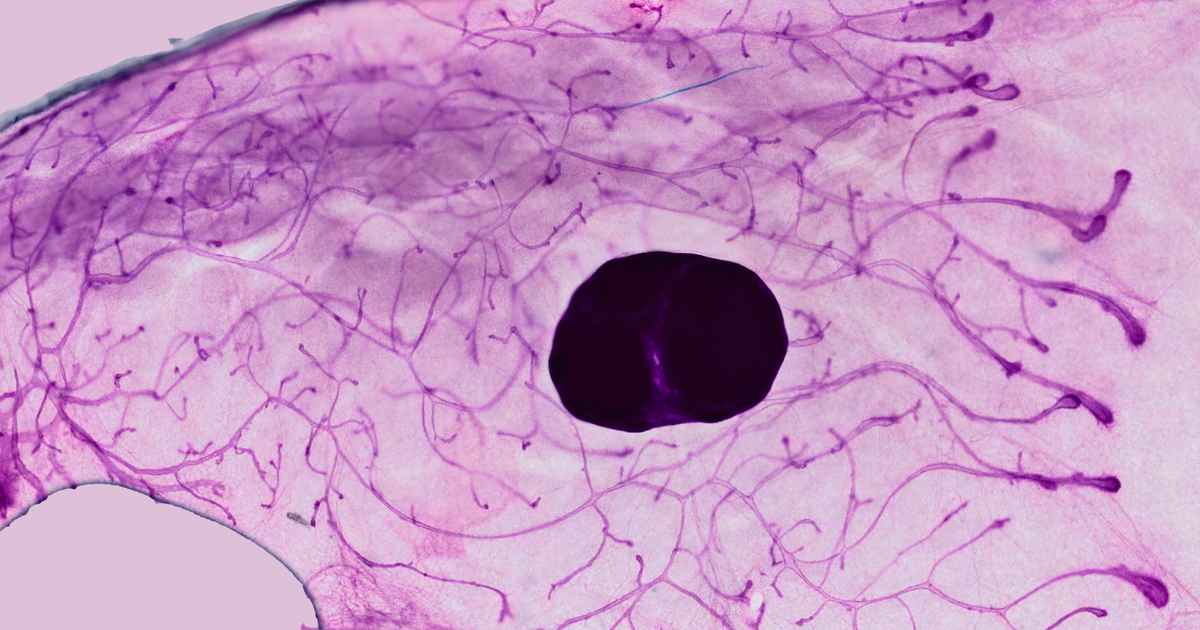
Researchers at the Swammerdam Institute for Life Sciences (SILS) of the Faculty of Science have uncovered how mammary-gland cells decide when to activate Wnt4, a gene with a central role in mammary-gland development. Their findings reveal how distant stretches of non-coding DNA work together in three dimensions to control gene activity.
Medical ResearchLife Sciences#University of Amsterdam#medical research#clinical research#genomics#biology
A mule has helped researchers build the most complete reference genomes to date for horses and donkeys, giving scientists access to complex regions of DNA that earlier versions could not fully capture.
Medical ResearchLife Sciences#University of Kentucky#medical research#clinical research#genomics#biology
The Lasker Foundation has announced that UT Southwestern sleep researcher Masashi Yanagisawa, M.D., Ph.D., is a recipient of the 2026 Albert Lasker Basic Medical Research Award for his discovery of orexin, a brain peptide that maintains wakefulness, and demonstration that the absence of its action is responsible for narcolepsy, a profound disorder of sleep.
UTSW AnnouncementsBasic ScienceFeatures#UT Southwestern Medical Center#UTSW Announcements#Basic Science#medical research#clinical research#genomics#biology