Adelaide University researchers will investigate why Australia has the highest rate of early-onset bowel cancer in the world as part of a national collaboration into the causes of the killer disease.
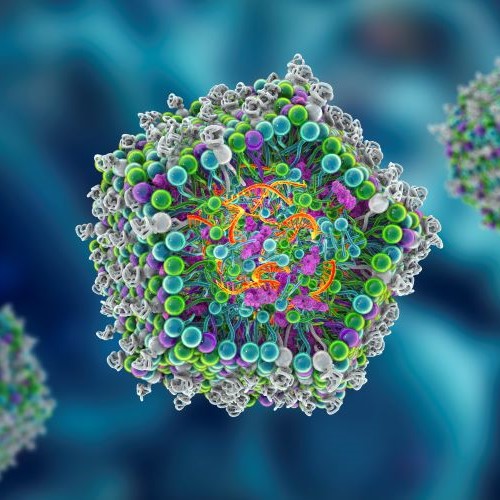
Adelaide University researchers have developed a new way of using mRNA technology to reprogram tumour-supporting immune cells and strengthen the body’s anti-cancer immune response. The scientific team, spanning engineering, biomedical, oncology and immunology experts, has developed tiny, targeted particles that could help the immune system fight cancer by reprogramming immune cells within the tumour environment. The findings have been published in Science Advances today. The new approach uses li
Living human cells will launch aboard a European research rocket next month as South Australian researchers use space to investigate cancer in a radically different environment.
Dogs trained in scent detection may be better at sniffing out the right smell after breakfast, with new research finding hungry dogs that are working for treats are more likely to falsely identify the wrong scent.
Congratulations to Lillehei Heart Institute Director Dr. Lin Yee Chen on receiving the Notice of Award for Phase 2 of "Cognitive Impairment and Dementia, Vascular Brain Injury, and Atrial Myopathy: Implications for Prevention of Alzheimer's Disease-Related Dementias." Total funding for Phase 2 (2026–2028) exceeds $2.1 million. This work sits at the intersection of cardiac and brain health. It exam
Medical ResearchResearch#medical research#clinical research#University of Minnesota Medical School#UMN Medical School#Faculty#Lillehei#Cardiovascular Division
Research NewsUniversity of Minnesota Medical School
One of the first student-led organizations established by the inaugural class at the University of Minnesota Medical School CentraCare Regional Campus in St. Cloud, the Primary Care Interest Group, is already making a meaningful impact on the student experience.The organization was created to foster connection, mentorship, and enthusiasm for primary care among medical students.
Medical ResearchResearch#medical research#clinical research#University of Minnesota Medical School#UMN Medical School#students
Research NewsUniversity of Minnesota Medical School
A University of Minnesota Medical School research team has been awarded up to $6 million from the Advanced Research Projects Agency for Health (ARPA-H), an agency within the U.S. Department of Health and Human Services, to develop more effective treatments for people with severe mental health issues, including thoughts of suicide.
Medical ResearchResearch#research#medical research#clinical research#University of Minnesota Medical School#UMN Medical School
See a soft robot move up close, discover how light technology can help detect cancer or take a look inside a 7 Tesla MRI scanner. From 16 to 20 October, FTI Festival brings technology to life. VUB is opening its labs and bringing researchers, entrepreneurs and the public together to explore innovations that are helping shape our future. Discover all VUB activities during FTI Festival.
Medical ResearchResearch#medical research#clinical research#Vrije Universiteit Brussel#VUB Today#Innovatie
In 2024, continuous glucose monitoring devices hit the shelves for over-the-counter consumer use. Historically, these devices were prescribed for people with type 1 diabetes and, more recently, for those with type 2 diabetes to monitor their glucose levels and adjust insulin dosage. Now, the devices are generating interest in people with prediabetes, obesity, or other conditions, including otherwi
A new clinical trial led by Jesse Cedarbaum, MD, professor of neurology, and David Hafler, MD , William S. and Lois Stiles Edgerly Professor of Neurology, is the first such study to test whether a drug can slow or prevent the onset of Parkinson’s disease in people at risk.
Thirteen percent of U.S. children aged 3–17 have a diagnosed mental or behavioral health condition, and American youth suicide rates far exceed those of peer countries. But the popular story — a sudden, smartphone-driven collapse — doesn't fit five decades of data. This series examines where the crisis comes from, which interventions demonstrably help, and what we still need to learn.
A University of Minnesota-led multi-institutional research team has discovered a highly potent small molecule that blocks Ebola virus entry by stabilizing the virus's entry protein and provides strong protection when given orally in a preclinical model.
Medical ResearchLife SciencesResearch#genomics#biology#research#medical research#clinical research#University of Minnesota Medical School#UMN Medical School
Key Takeaways Hackensack Meridian Health received a $125 million anonymous donation, the largest philanthropic commitment in the health network’s history. The gift will support the expansion of Jersey Shore University Medical Center in Neptune and name a pavilion in honor of the late John K. Lloyd. Hackensack Meridian Health has committed more than $1 billion over 10 years to expand Jersey Shore University Medical Center, including a new critical care tower, 24 operating rooms and expanded patient facilities. HMH is also expanding care across Monmouth County through investments at Riverview Medical Center and Health & Wellness Centers in Eatontown, Freehold and Red Bank. You can support Hackensack Meridian Health Foundation’s Be the Difference campaign by visiting GiveHMH.org. AI generated.
Medical Research#medical research#clinical research#Hackensack Meridian Health
Research NewsUniversity of Arkansas at Little Rock
Recreating the intricate structure of the human intestine in a laboratory could give scientists a better way to study disease and potential treatments — while reducing their reliance on animal experiments in the process. With support from a $72,419 grant, University of Arkansas at Little Rock researcher Dr. Sujan Ghosh is working to make that ... UA Little Rock Researcher Receives Grant to Develop More Realistic Model of Human Intestine The post UA Little Rock Researcher Receives Grant to Develo
FeaturedResearchArkansas IDeA Network of Biomedical Research Excellence#innovation#research#medical research#clinical research#Featured#University of Arkansas at Little Rock#Donaghey College of STEM#Arkansas IDeA Network of Biomedical Research Excellence
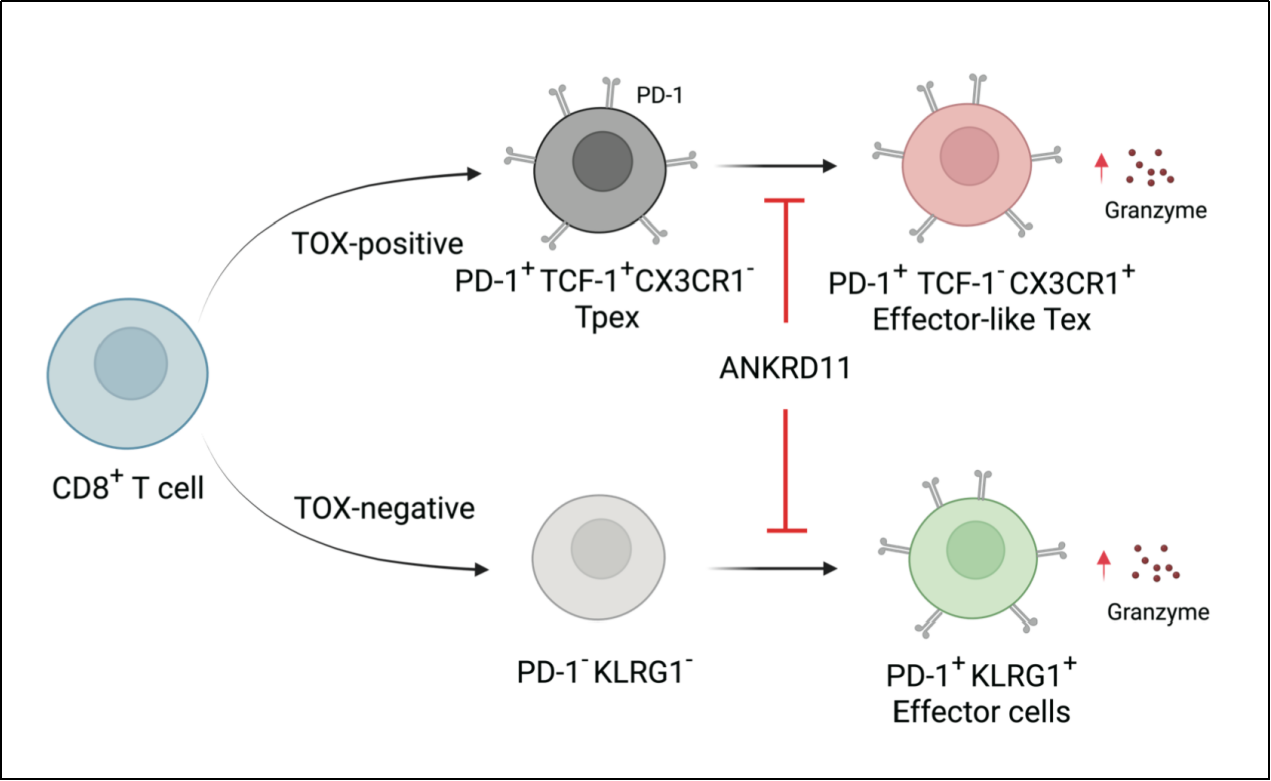
A research team led by Prof. ZHOU Xuyu from the Institute of Microbiology of the Chinese Academy of Sciences (CAS), in collaboration with researchers from Beijing Ditan Hospital and Capital Medical University, has identified ANKRD11 as a key regulator that reduces the activity of CD8 + T cells during chronic hepatitis B virus (HBV) infection and cancer. The researchers found that ANKRD11 suppresse
Medical ResearchLife SciencesHealth#genomics#biology#Chinese Academy of Sciences#Research News#Health#medical research#clinical research
Students, faculty and staff join in effort to remember sacrifice of Sept. 11
Research NewsMedical Research#Ohio State University#More Ohio State News#Campus#staff#Share on: X#View all headlines - More Ohio State News#medical research#clinical research
Research NewsBoston University School of Public Health
Dean Adnan Hyder is part of a first-of-its-kind, 30-member commission of global leaders will assess and strengthen the value of academic institutions to society, build greater public trust, and support their contributions to society.
Public HealthMedical ResearchEnvironment & Climate#medical research#clinical research#Boston University School of Public Health#BU SPH#Global Health#Featured#community health#science communication
Research NewsBoston University School of Public Health
All News 50 Years, Countless Champions Since 1976, the BUSPH community has hosted many influential, instructive, and impactful public health advocates. Here,…
Public HealthMedical ResearchEnvironment & Climate#climate#medical research#clinical research#Boston University School of Public Health#BU SPH#All News#SPH50#SPH50 Champions
Risk factors for cardiovascular-kidney-metabolic disease, a health condition made up of heart disease, kidney disease, diabetes, and obesity, can be identified in children as young as 8, UTHealth Houston researchers discovered.