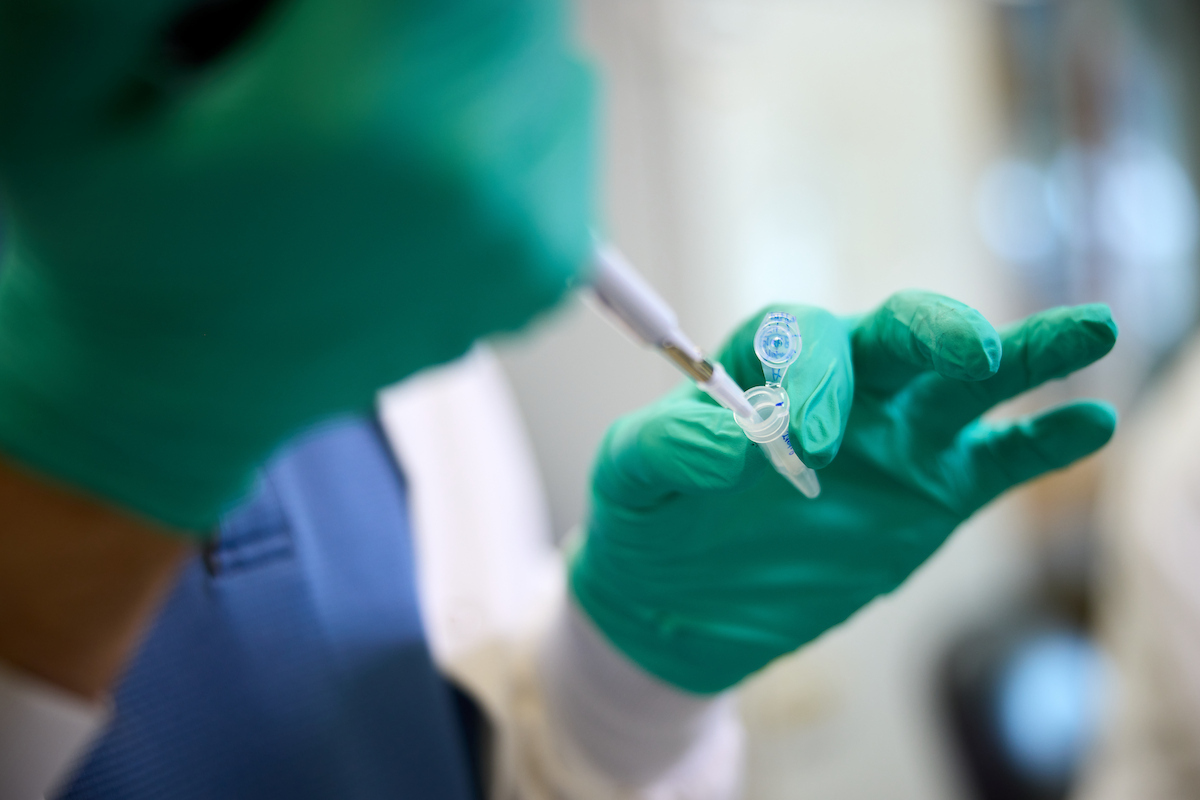
A new federal directive on childhood vaccines is putting federal policy at odds with leading medical organizations. President Donald Trump’s Aug. 10 executive order calls for reducing the number of vaccines routinely recommended for all children, separating the measles, mumps and rubella vaccine into individual shots and, when possible, spacing childhood vaccines across separate medical visits. Ma
Medical ResearchHealth & Society#Washington University in St. Louis#Newsroom#medical research#clinical research
“Buy now, pay later” plans — which allow consumers to split purchases into a handful of interest-free installments — have become a common way for Americans to pay for everything from furniture to groceries. New research from Olin Business School at Washington University in St. Louis suggests the increasingly popular payment option can have consequences beyond the checkout screen — influencing reta
Operations & Strategy#Washington University in St. Louis#Newsroom
Kidney disease is silent in its early stages, progressing without symptoms until the disease is advanced. Researchers in the McKelvey School of Engineering at Washington University in St. Louis, in collaboration with researchers at WashU Medicine and at Texas A&M University, have been developing a minimally invasive method to improve diagnosis in earlier stages. New research from the lab of Srikan
Medical ResearchEnvironment & ClimateTechnology & Innovation#Washington University in St. Louis#Newsroom#medical research#clinical research#climate#decarbonization#advanced materials#innovation
The U.S. Food and Drug Administration (FDA) has cleared for marketing an innovative blood test with underlying technology invented at Washington University School of Medicine in St. Louis for the early diagnosis of Alzheimer’s disease. The test, known as PrecivityAD2, was developed and validated by C2N Diagnostics, a WashU startup company. PrecivityAD2 is a blood-based diagnostic test cleared by t
Medical ResearchAlzheimer's#Washington University in St. Louis#Newsroom#medical research#clinical research
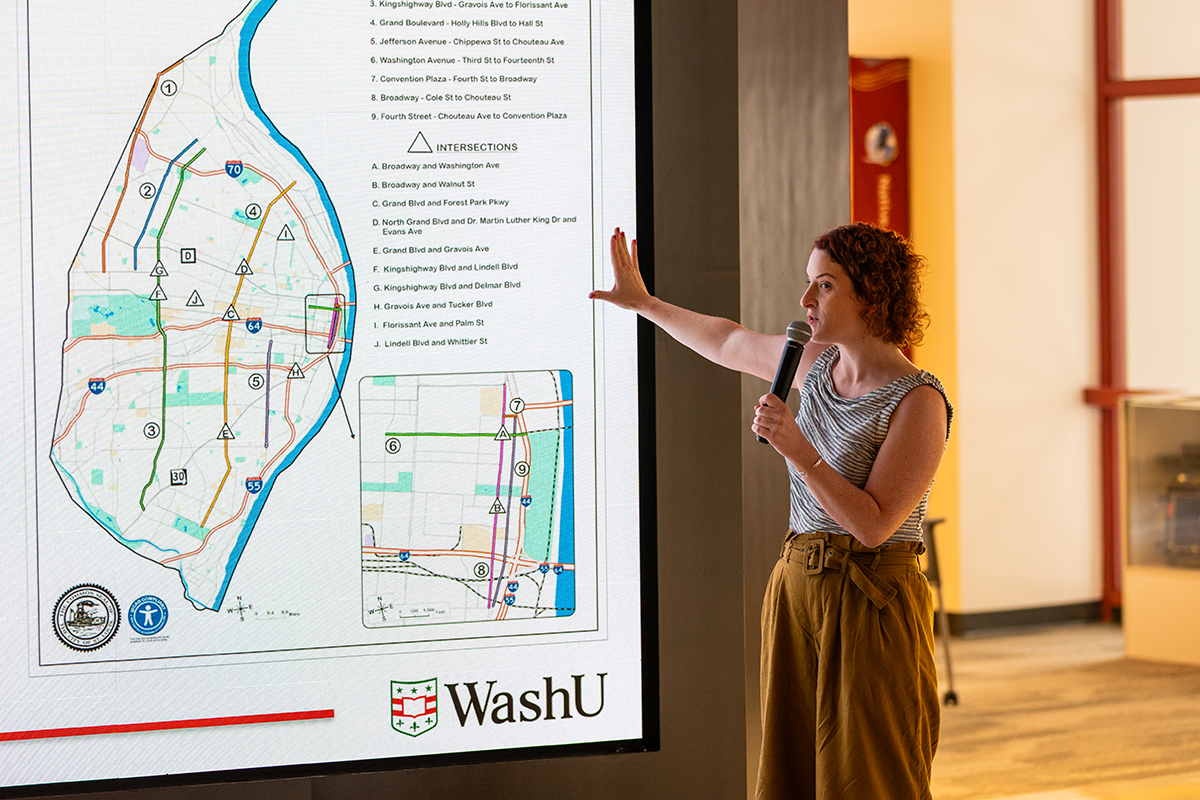
In 2024, St. Louis experienced its deadliest year on record for pedestrians. As city leaders invest millions of dollars in traffic safety improvements, WashU Continuing & Professional Studies (CAPS) Geographic Information Systems (GIS) students Dash Martin and Margaret Mulligan wanted to understand a simple question: What impact are those changes actually making on the ground? Their search for ans
St. Louis Region#Washington University in St. Louis#Newsroom
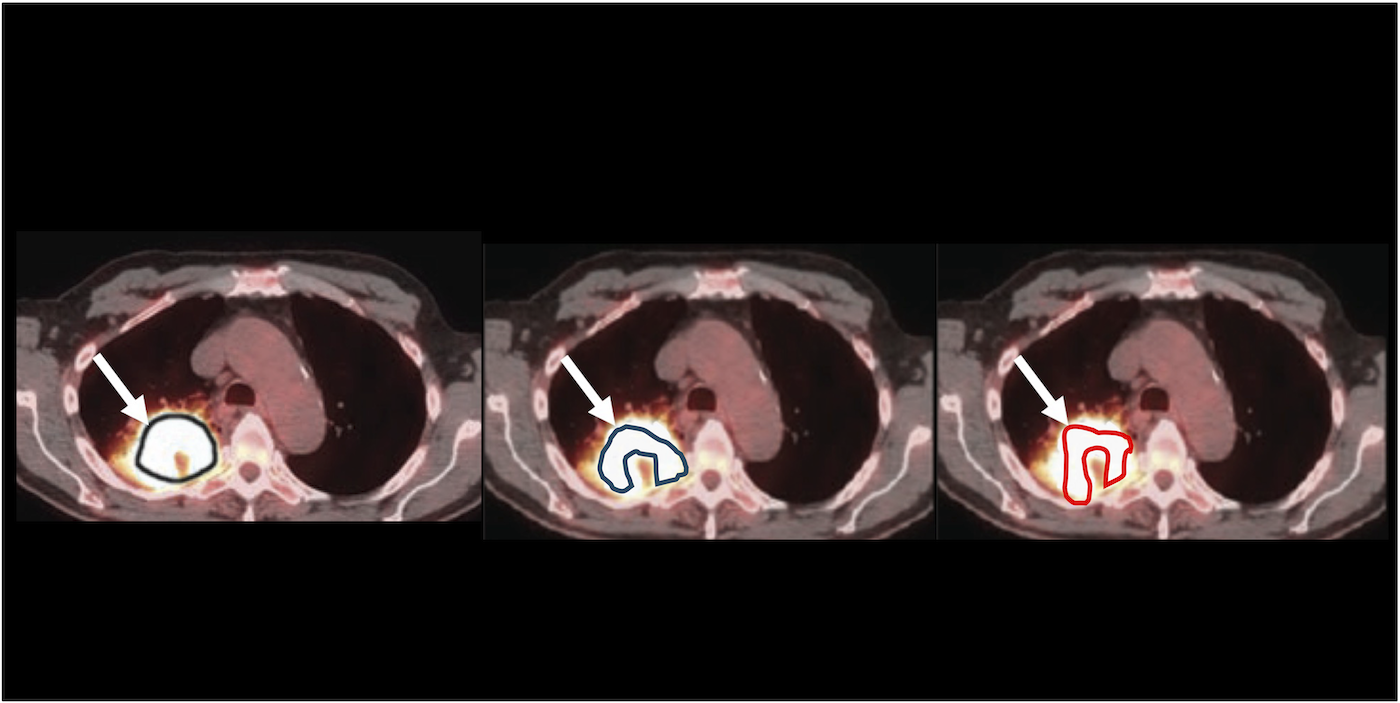
Advances in medical imaging and artificial intelligence (AI) have revolutionized many aspects of medical practice in recent years. Quantitative measurements derived from medical images are increasingly being used to support diagnosis and clinical decision-making. Consequently, many new quantitative imaging tools, including those based on AI, are being developed. But evaluating the reliability of t
Medical ResearchEngineering#Washington University in St. Louis#Newsroom#medical research#clinical research
Environment & ClimateWashington University in St. Louis
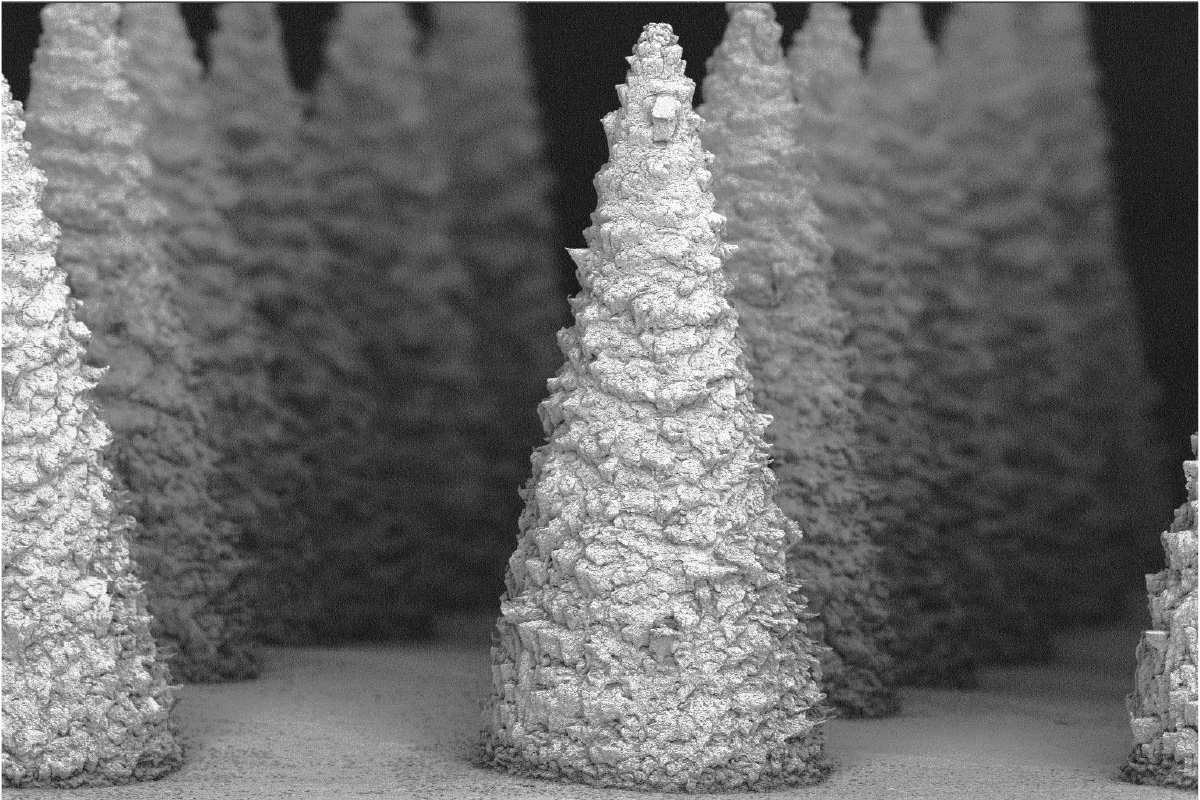
Machine learning doesn’t replace human intelligence, but it can outlast human endurance, which makes it a very helpful tool for chemistry and material discovery. Scientists know the machine learning models can make predictions based on the vast reams of data it is trained on, but can it take it a step further and massively scale up testing out those predictions? “We already see that AI is powerful
Environment & ClimateTechnology & InnovationData & Computer Science#Washington University in St. Louis#Newsroom#climate#decarbonization#advanced materials#innovation
Space & AstronomyWashington University in St. Louis
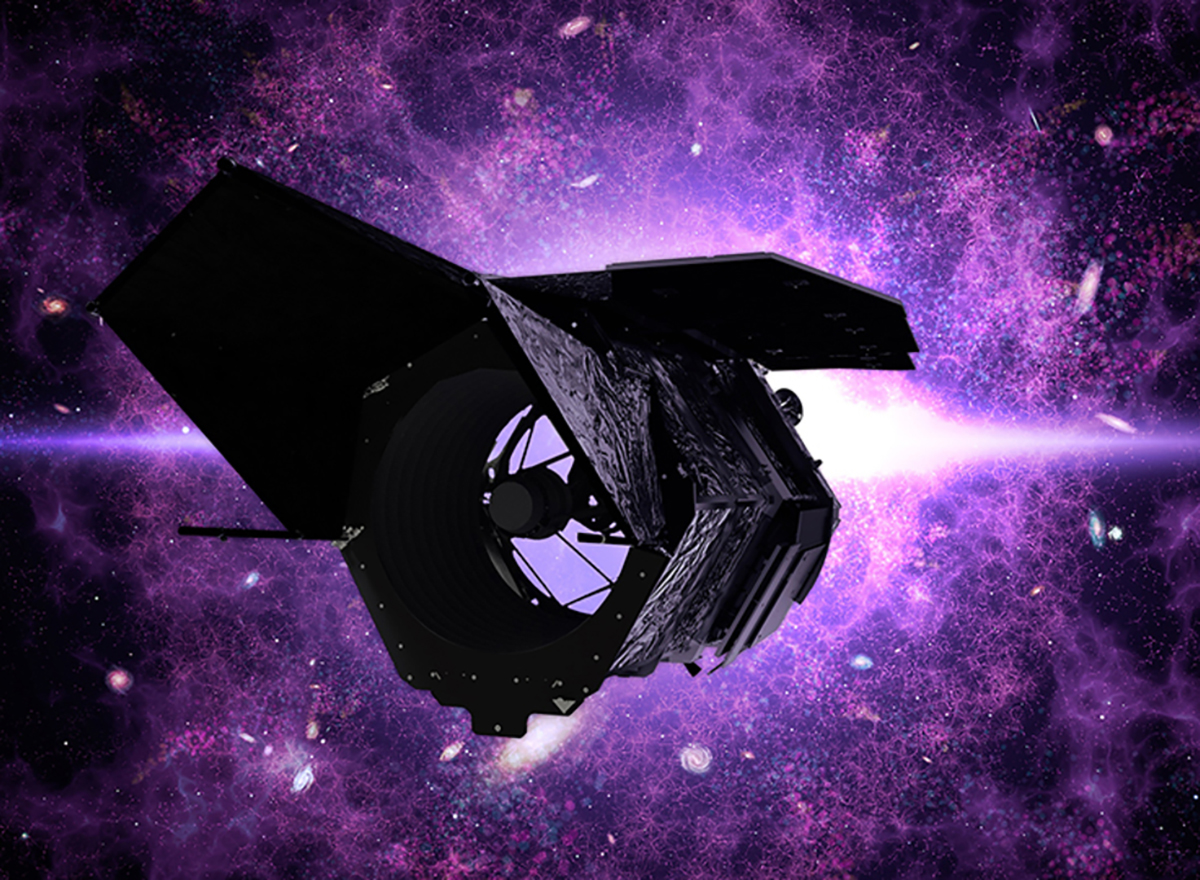
Ahead of the scheduled Aug. 30 launch of NASA’s Nancy Grace Roman Space Telescope, several Washington University in St. Louis researchers have been selected to play important roles in the mission’s inaugural science program. The Roman telescope promises to transform our understanding of the universe. NASA will use the Roman telescope to investigate dark energy, discover thousands of exoplanets and
Space & AstronomySpace#Washington University in St. Louis#Newsroom#astronomy#astrophysics
AUG 26, 2026 | Russ Nelson (L – R) Professor Pascale Ehrenfreund, COSPAR council president, presents Dr. Gary Zank, director of the UAH Center for Space Plasma and Aeronomic Research (CSPAR), with the 2026 Committee on Space Research (COSPAR) Space Science Award in Florence, Italy. Courtesy COSPAR A lifetime of probing the invisible forces that shape our solar system has earned a University of Alabama in Huntsville (UAH) researcher one of the highest honors in international space science, as wel
Space & Astronomy#University of Alabama in Huntsville#Newsroom#astronomy#astrophysics
AUG 25, 2026 | Ann Marie Martin Students, faculty and staff of the Honors College at The University of Alabama in Huntsville (UAH) anticipate another exciting year of collaboration across academic disciplines as they enter fall semester 2026 with the support of a $100,000 gift from Dr. Amit and Dr. Aruna Arora. Gathered in the colonnade of Frank Franz Hall on Aug. 10, 2026, are, front row, left to right, UAH Provost Dr. David Puleo; student William Stephenson; Gina Battle, Honors College senior
Research#University of Alabama in Huntsville#Newsroom
AUG 25, 2026 | Julie Jansen New students smile during Charger Camp orientation sessions during the summer of 2026. Michael Mercier | UAH There is new momentum at The University of Alabama in Huntsville (UAH) as more students choose to become Chargers. While official fall enrollment numbers will be announced later this fall, early indicators are encouraging, with strong gains among new undergraduate and graduate students New first-year undergraduate enrollment is currently up 5%, while new gradua
Research#University of Alabama in Huntsville#Newsroom
AUG 21, 2026 | Russ Nelson (L-R) Savaria Parrish, Pragya Natarajan and Stephanie Manasterski, the first three UAH graduate students to receive fellowships in the National Science Foundation’s (NSF) Established Program to Stimulate Competitive Research (EPSCoR) Graduate Fellowship Program (EGFP). Courtesy Savaria Parrish, Pragya Natarajan and Stephanie Manasterski The University of Alabama in Huntsville (UAH), a part of The University of Alabama System, is welcoming three graduate students who wo
Fusion EnergySpace & Astronomy#University of Alabama in Huntsville#Newsroom#fusion#plasma physics#astronomy#astrophysics