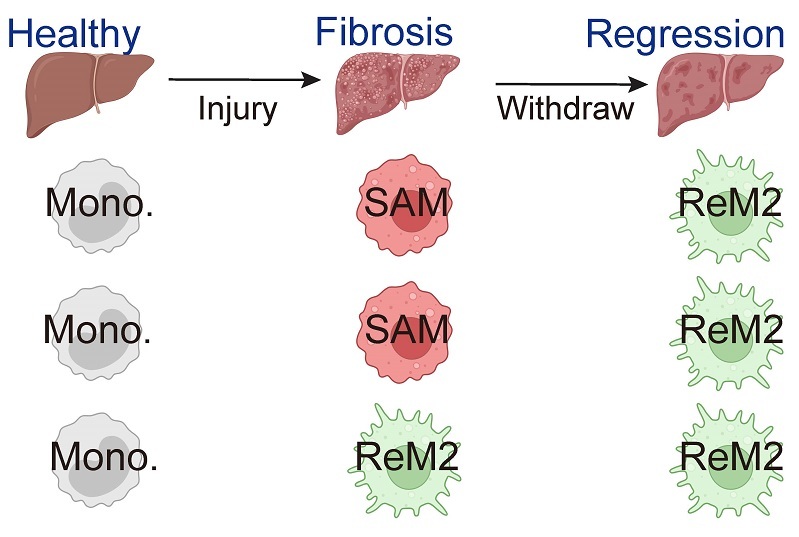
A new study published in PNAS on August 21 reveals that a distinct population of macrophages can directly "eat" scar-forming material in the liver and promote the reversal of liver fibrosis. The finding reveals an unrecognized mechanism by which macrophages help clear fibrotic tissue: not by secreting factors, but by physically removing the extracellular matrix (ECM). The study was jointly conduct
Medical ResearchHealthBioengineering#Chinese Academy of Sciences#Research News#Health#Bioengineering#medical research#clinical research
Soil salinization poses a serious threat to global rice production. At present, the natural‑variation‑based genetic basis of rice salt tolerance remains poorly understood, and only a handful of major genes related to salt tolerance have been functionally characterized. It is critical to identify key gene modules in salt signaling pathways. In a study published in Developmental Cell on August 28, a
Life SciencesSustainable Development#Chinese Academy of Sciences#Research News#Sustainable Development#genomics#biology
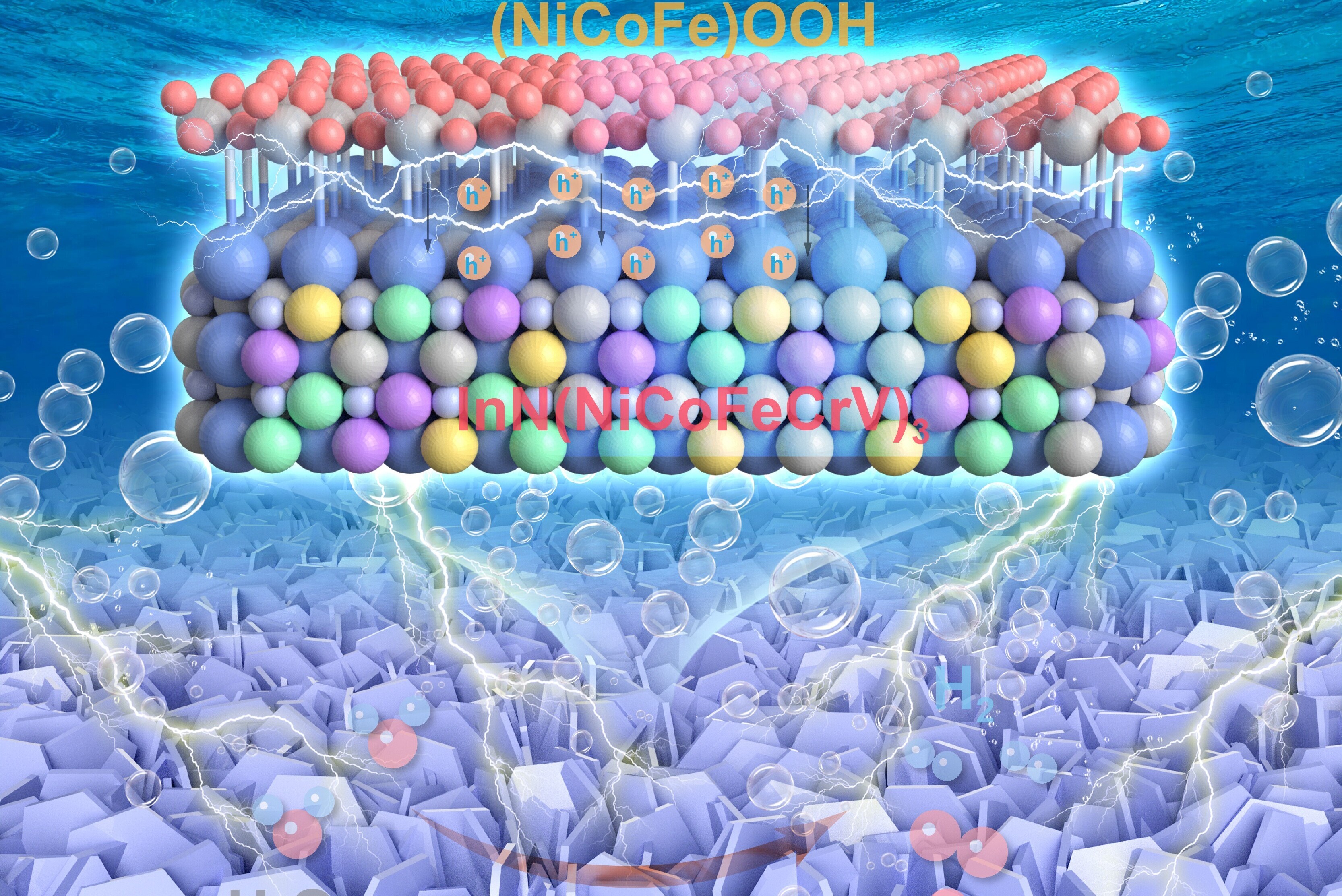
Water electrolysis uses renewable electricity to produce clean hydrogen. Among various technologies, anion-exchange membrane (AEM) water electrolysis combines the advantages of alkaline systems and proton-exchange membrane systems. However, its large-scale application is limited by slow oxygen evolution reaction and the need for catalysts with high activity and long-term stability. In a study publ
Research#Chinese Academy of Sciences#Research News
Embryonic stem cells (ESCs) possess the capacity for self-renewal and multilineage differentiation, along with high genome stability. Maintaining high-level ribosome biogenesis is essential for ESCs to sustain their identity, and this process begins with RNA polymerase I-mediated transcription of ribosomal RNA (rRNA) genes. In ESCs, rDNA loci exhibit a hyperactive chromatin state, characterized by
Life Sciences#Chinese Academy of Sciences#Research News#genomics#biology
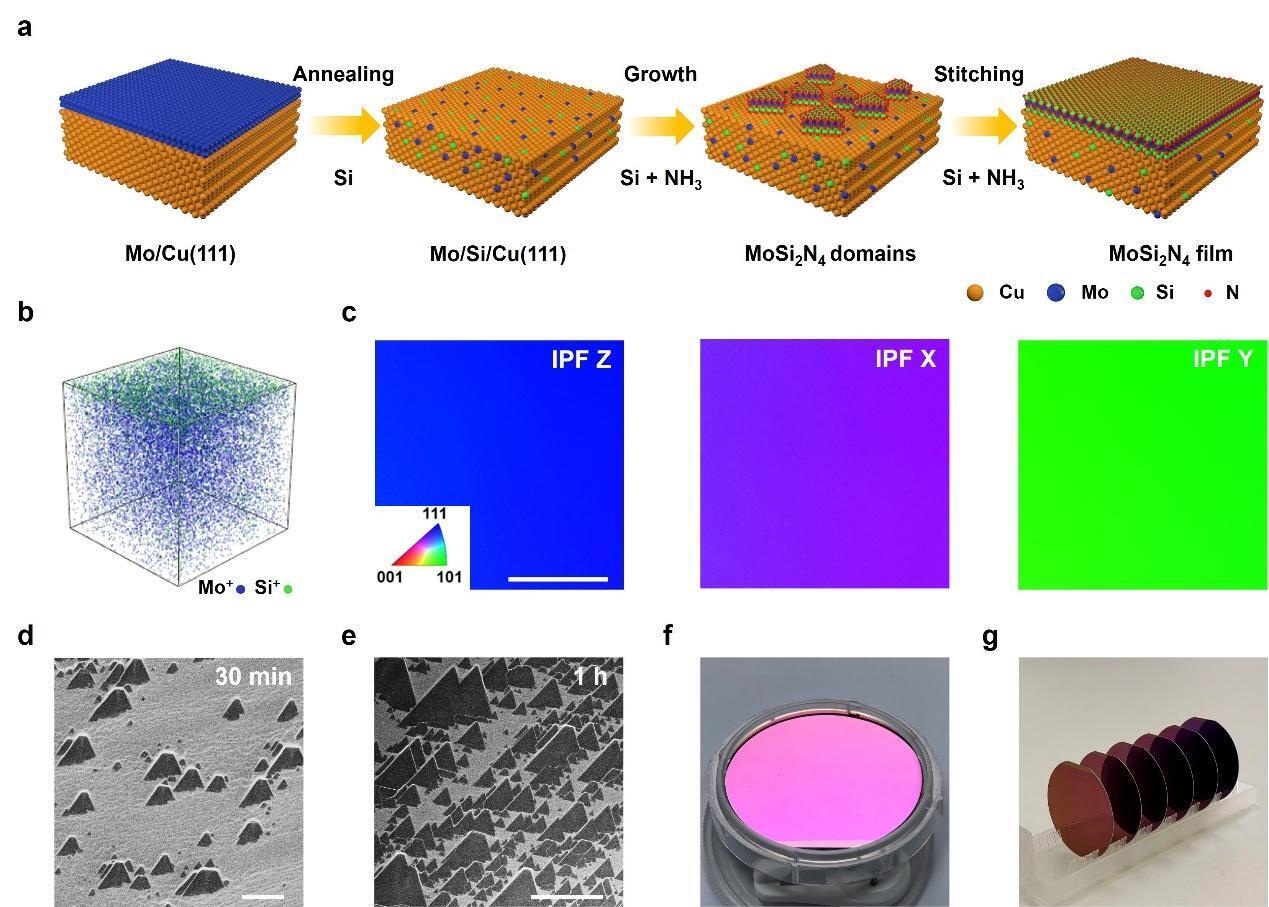
A research team led by Prof. REN Wencai from the Institute of Metal Research (IMR) of the Chinese Academy of Sciences has achieved the wafer-scale epitaxial growth of monolayer MoSi 2 N 4 single crystals, a high-performance p-type two-dimensional (2D) semiconductor. Their findings, published on July 8 in Nature Materials , mark a significant step toward realizing complementary metal-oxide-semicond
Chemical Engineering#Chinese Academy of Sciences#Research News#Chemical Engineering
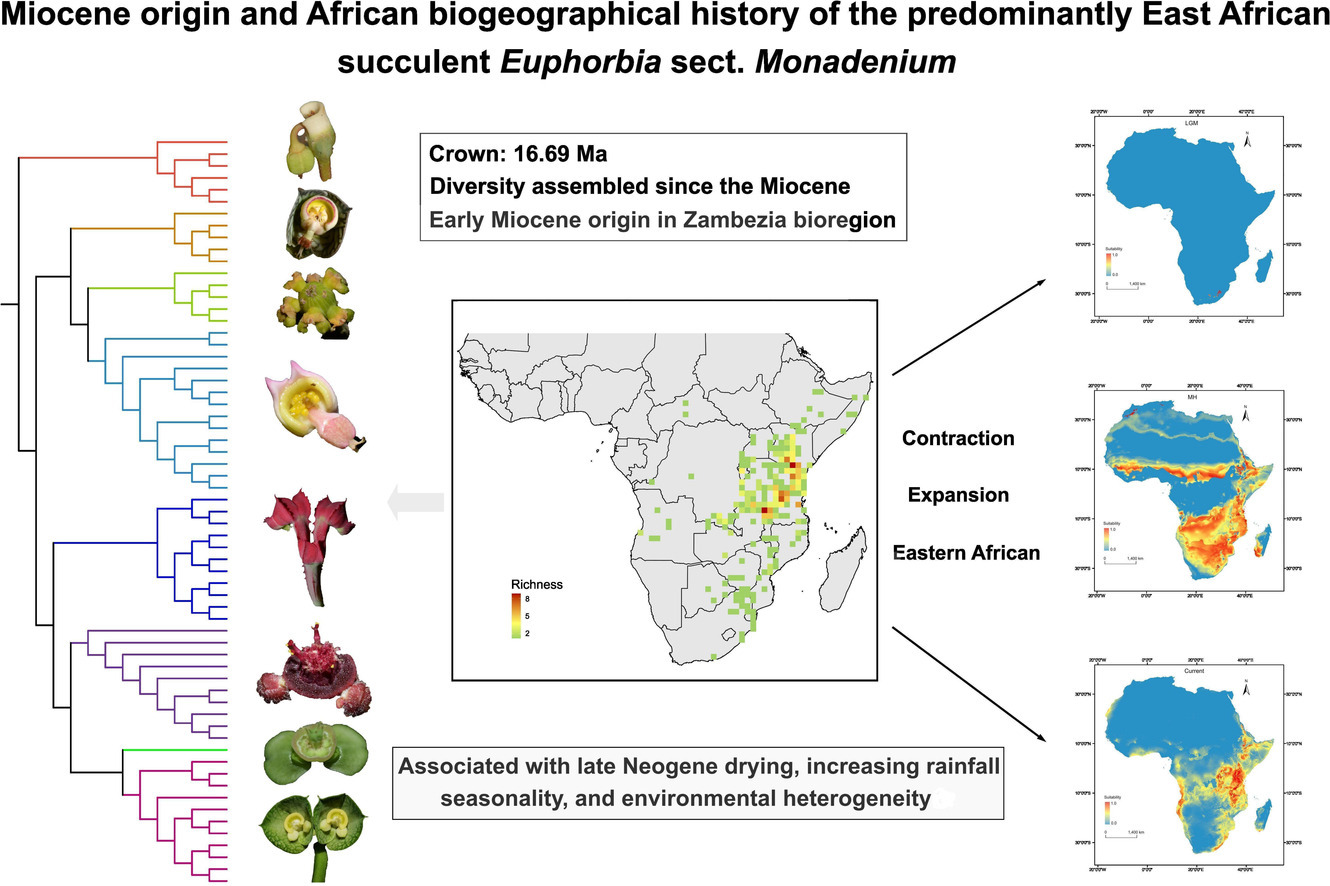
The Euphorbia section Monadenium comprises approximately 90 species that are restricted to tropical Africa, with the greatest diversity found in East Africa. Members of this section range from geophytes and perennial herbs to succulent shrubs and small trees, many of which are endemic to arid or seasonally dry habitats. However, their evolutionary and biogeographical history remains poorly underst
Biodiversity#Chinese Academy of Sciences#Research News#biodiversity
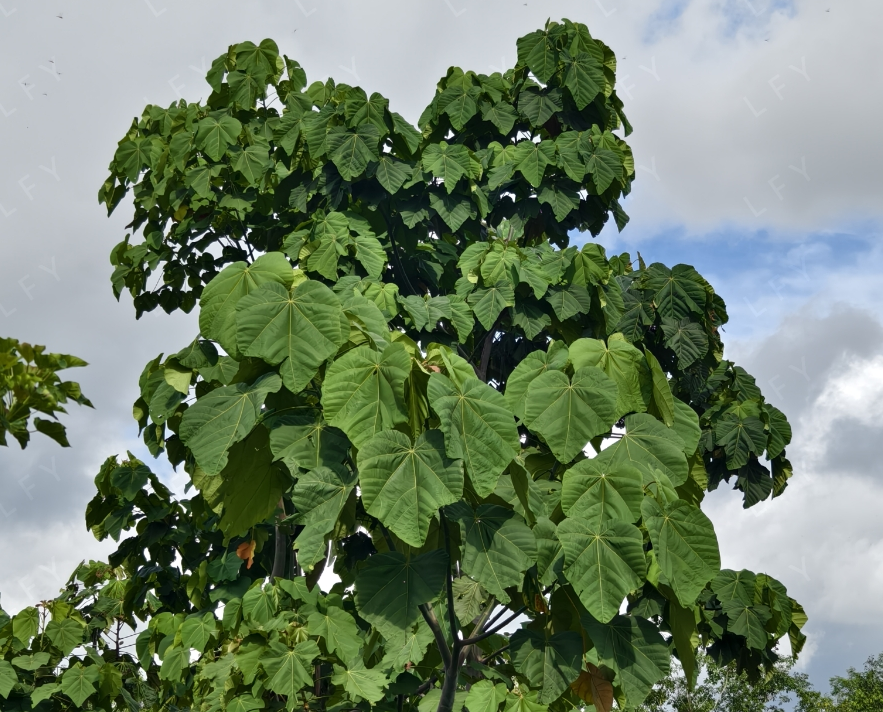
Balsa wood is one of the world's fastest-growing and most commercially valuable tropical timber species. Renowned as the lightest commercial timber, it has experienced soaring global demand. However, traditional propagation techniques, such as tissue culture and cuttings, have proven difficult due to the species' abundant leaf hairs and mucilage secretion. This makes controlled hybridization the m
Biodiversity#Chinese Academy of Sciences#Research News#biodiversity
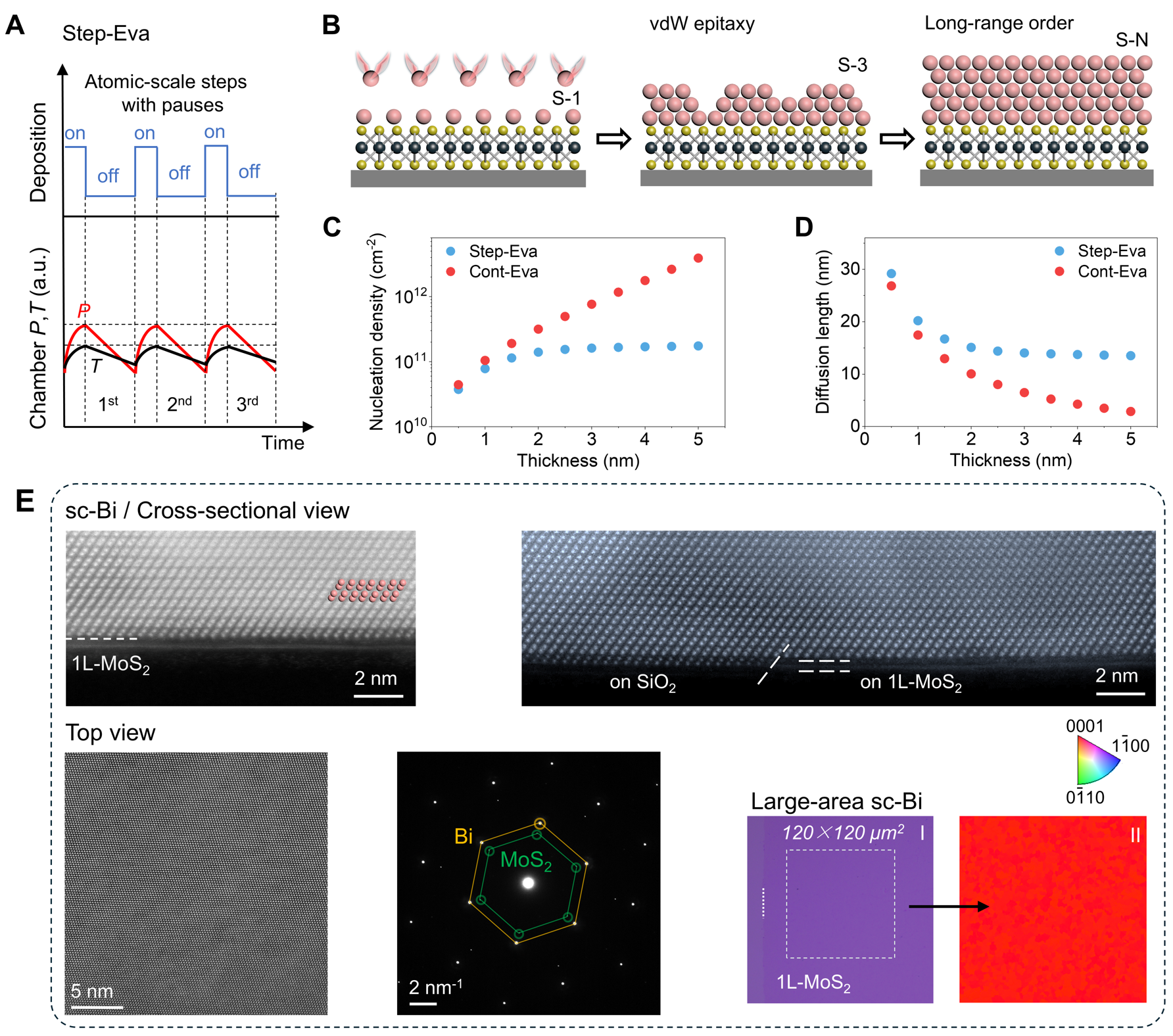
Metals, semiconductors and insulators are fundamental components of modern electronics. However, efforts to improve device performance have largely focused on semiconductor quality, while metal crystallinity has received far less attention. As transistor dimensions continue to shrink, though, structural disorder in metals and at metal-semiconductor interfaces increasingly impedes carrier injection
Research#Chinese Academy of Sciences#Research News