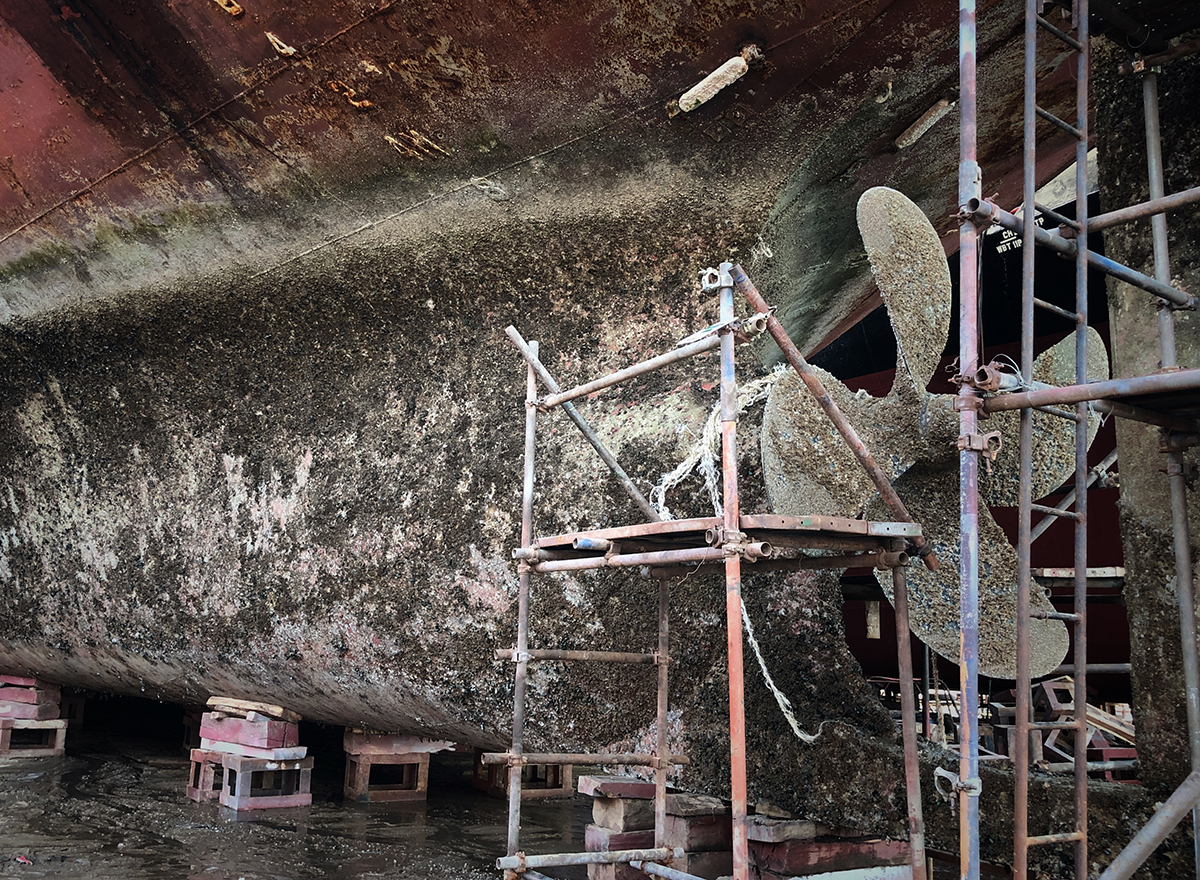
Imagine swimming in open water and feeling slime brush against your leg. Most people might shake it off without a second thought. But what if the surface of a boat could do the same? Researchers from Washington University in St. Louis’ McKelvey School of Engineering are about to find out, thanks to a $750,000 grant from the U.S. Department of Defense to develop materials that incorporate soft robo
Environment & ClimateTechnology & InnovationEngineering#Washington University in St. Louis#Newsroom#climate#decarbonization#advanced materials#innovation
Welcome to Yale Afternoons with Alison! In this series, Alison Cole ’99 , executive director of the YAA, meets with university leaders to learn more about their priorities and how the alumni community can support them. All conversations occur at Rose Alumni House, the home of the alumni association and a hub for activity on campus. Bring your favorite beverage and enjoy the conversation.
ResearchParticle PhysicsEnvironment & Climate#Yale University#research#Yale#Yale News#Particle Physics#High Energy Physics#climate#decarbonization
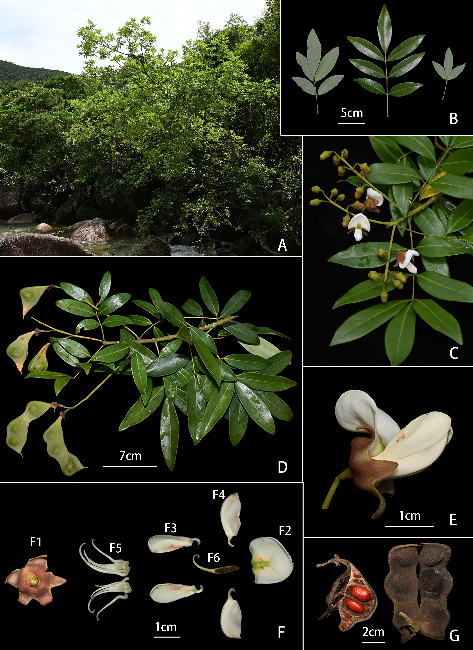
"Red berries grow in southern land, how many spring branches hold?" The red beans described by WANG Wei (701–761) in his poem have evoked the longing of the Chinese people for thousands of years. Today, right in the "southern land" mentioned in the poem—the Guangdong-Hong Kong-Macao Greater Bay Area—a research team has unveiled the identity of two new species of this very genus. Recently, a team l
Environment & Climate#Chinese Academy of Sciences#Research News#climate#decarbonization
Plastic waste is one of the world's fastest-growing environmental problems. According to the Organisation for Economic Co-operation and Development's Global Plastics Outlook: Policy Scenarios to 2060 report, global plastic use is projected to nearly triple from 460 million metric tons in 2019 to 1.2 billion metric tons by 2060, if current trends continue. Our current approaches are struggling to k
From incorporating natural resources into GDP to building sustainable cities to strengthening drivers of carbon removal, Yale School of the Environment faculty and alumni will be discussing how long-term climate goals can translate into scalable, deployable solutions at Yale @ Climate Week NYC .
The University of Maryland’s Robert H. Smith School of Business will launch an accelerated one‑year, Full‑Time MBA program beginning in summer 2027, alongside Smith’s existing two‑year MBA, as a faster, high‑ROI pathway for early‑career professionals seeking career acceleration, AI fluency and real‑world leadership experience.
Environment & ClimateBusiness#University of Maryland Robert H. Smith School of Business#Rosellina Ferraro#Prabhudev Konana#Full-Time MBA#[email protected]#climate#decarbonization
"Micromixer" might just sound like a fancy name for a tiny blender, but mixing liquids at the microliter scale is no simple task. Micromixers are essential components of microfluidic devices that are widely used across the pharmaceutical, life sciences, chemistry, and materials engineering industries, where they rapidly and evenly combine tiny amounts of reagents. Three-dimensional (3D) microchann
When Jadesola Crownson graduated with a degree in biochemistry and plans for medical school, she already knew how to think like a scientist. But she wanted to grapple with questions science alone could not answer.
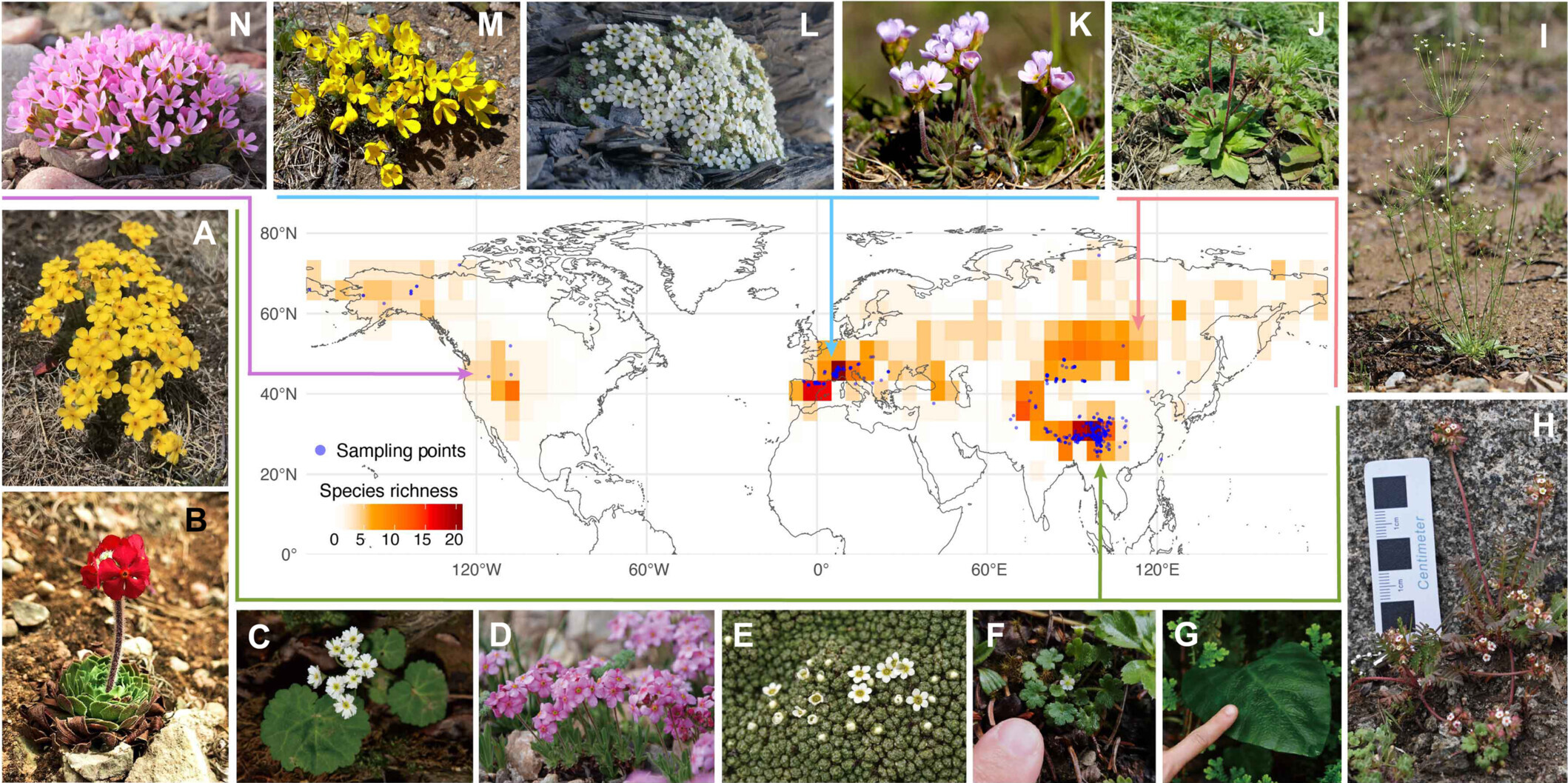
The genus Androsace is widely distributed across the temperate regions of the Northern Hemisphere, with notable diversity in the Alps and the Hengduan–Himalaya regions. Previous phylogenetic studies have advanced the understanding of Androsace 's evolutionary history, but its biogeographic origins and diversification history remain unresolved due to limited species sampling and low statistical sup
Environment & ClimateBiodiversity#Chinese Academy of Sciences#Research News#biodiversity#climate#decarbonization
The U.S. has officially declared a drought disaster for parts of Puerto Rico, where more than 180,000 residents have been rationing water since Aug. 7 due to draught and infrastructure problems. University of Michigan experts are available to discuss a variety of issues related to this crisis.
Environment & Climate#University of Michigan#Advisories#News Releases#puerto rico#Water#Michigan News#climate#decarbonization
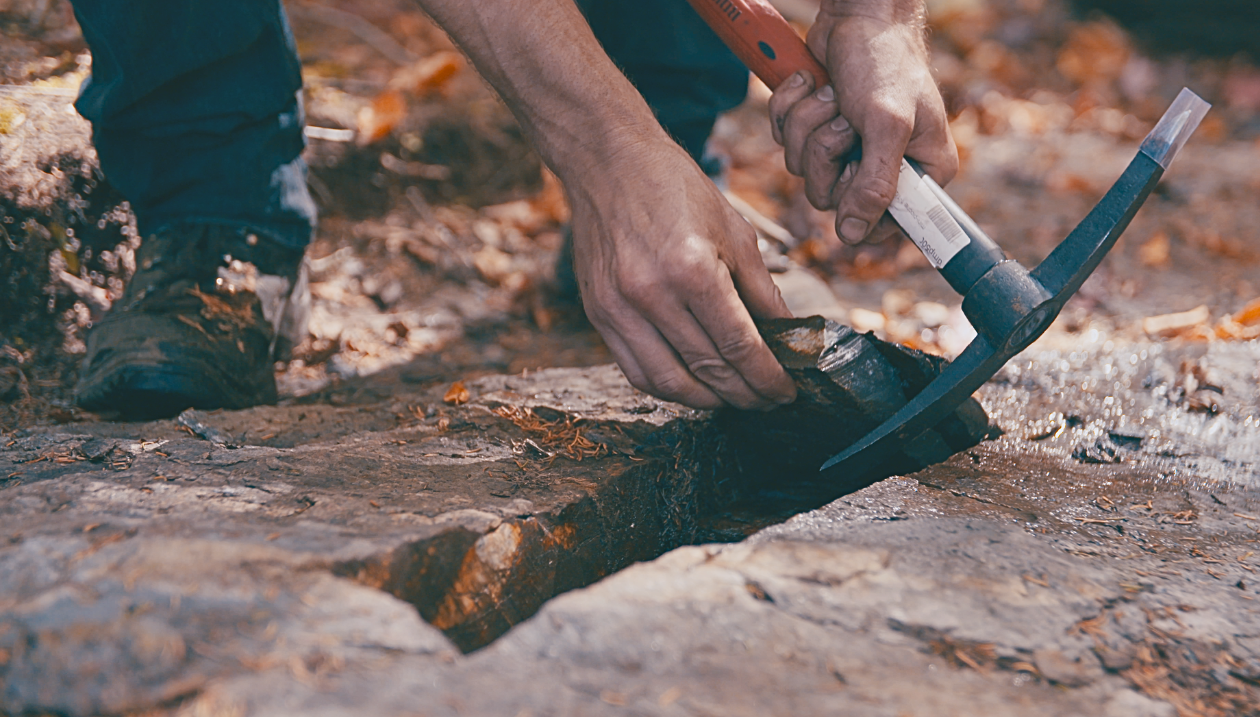
The research program aims to strengthen mineral exploration at Ni-Co Energy’s Kremer Project by uncovering how its nickel, copper and cobalt mineralization formed and where similar mineralization may be found elsewhere on the property.
ResearchEnvironment & Climate#University of Ottawa#research#climate#decarbonization
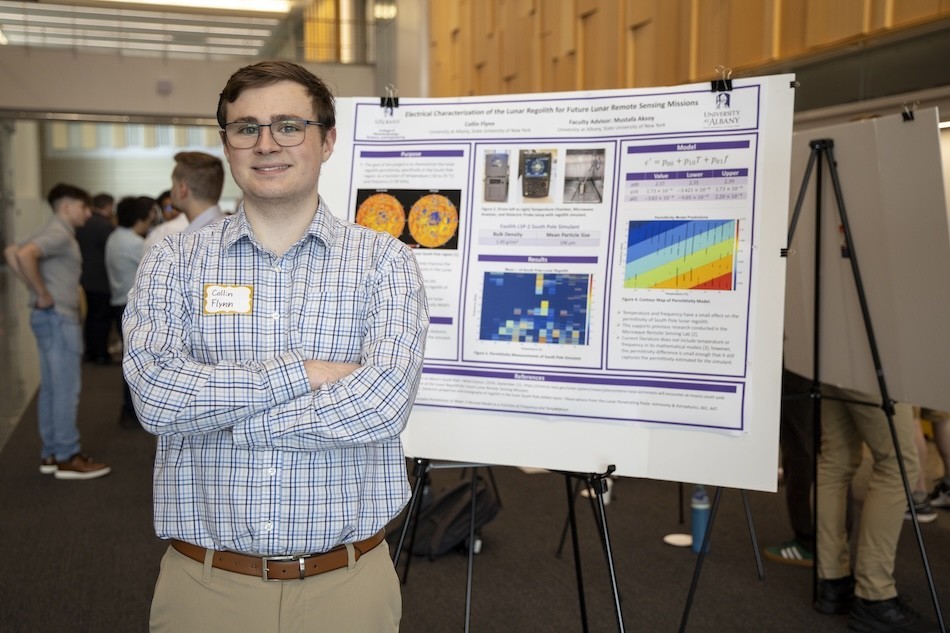
UAlbany sophomore Collin Flynn spent his summer studying the electrical properties of moon soil in support of ongoing efforts to get humans back to the moon, thanks to a 10-week research opportunity provided through the College of Nanotechnology, Science, and Engineering's Summer Undergraduate Research Program.
ResearchEnvironment & ClimateTechnology & Innovation#University at Albany#research#climate#decarbonization#advanced materials#innovation
Environment & ClimateUniversity of Maryland Robert H. Smith School of Business
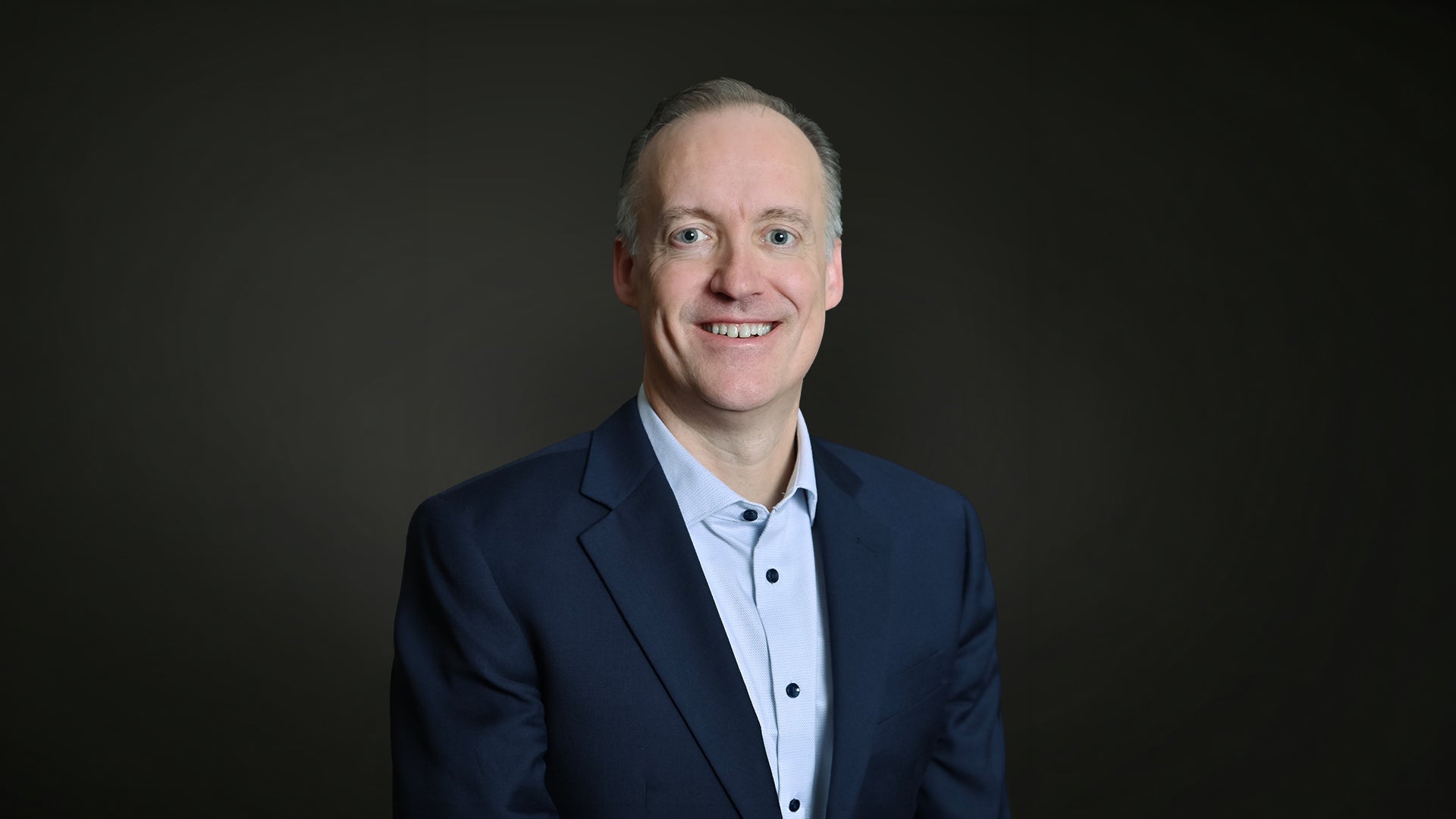
The University of Maryland’s Robert H. Smith School of Business has named John Stewart as Director and Executive-in-Residence for the Smith Enterprise Risk Consortium (SERC), the school’s applied risk‑management hub connecting academic expertise with industry practice.
Environment & ClimateBusiness#University of Maryland Robert H. Smith School of Business#John Stewart#Prabhudev Konana#William Longbrake#Smith Enterprise Risk Consortium#[email protected]#climate#decarbonization
Graphene is an exceptionally useful material for creating batteries, catalysts, and electronic devices. Yet producing graphene typically requires temperatures as high as 900°C, limiting energy efficiency and making structural control difficult. To make graphene production more practical, a recent study has overcome this long-standing temperature barrier. In a study published in the Journal of the
The four projects, funded by the Leverhulme Trust and Wellcome , span all areas of the University and cover topics ranging from healthcare and artificial intelligence to waste management, pollution and sustainable technology. Funded by the Leverhulme Trust, the first of these DTPS will train the next generation of researchers to tackle the global waste crisis through interdisciplinary research and
Medical ResearchEnvironment & ClimateTechnology & Innovation#Queen Mary University of London#QMUL Latest News#Humanities And Social Sciences#medical research#clinical research#climate#decarbonization#advanced materials
Environment & ClimateWashington University in St. Louis
Machine learning doesn’t replace human intelligence, but it can outlast human endurance, which makes it a very helpful tool for chemistry and material discovery. Scientists know the machine learning models can make predictions based on the vast reams of data it is trained on, but can it take it a step further and massively scale up testing out those predictions? “We already see that AI is powerful
Environment & ClimateTechnology & InnovationData & Computer Science#Washington University in St. Louis#Newsroom#climate#decarbonization#advanced materials#innovation
Converting carbon dioxide ( CO 2 ) into glucose, myo-inositol, sucrose, starch and other valuable products has been considered an achievable process mainly through plant photosynthesis. Combining photocatalysts with carbon-fixing microorganisms faces challenges, including incompatible reaction environments, light-induced microbial damage and inefficient connections between upstream carbon fixation
Environment & ClimateCarbon Neutrality#Chinese Academy of Sciences#Research News#Carbon Neutrality#climate#decarbonization
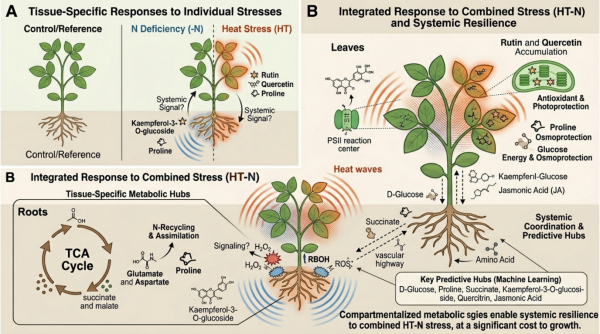
A new study has recently revealed how soybean roots and leaves employ distinct metabolic strategies under nitrogen deficiency and high-temperature stress, which may help guide the development of soybean varieties with enhanced heat tolerance and improved nitrogen-use efficiency. Led by Associate Prof . Mohsin Tanveer from the Xinjiang Institute of Ecology and Geography (XIEG) of the Chinese Academ
Environment & ClimateClimate#Chinese Academy of Sciences#Research News#climate#decarbonization
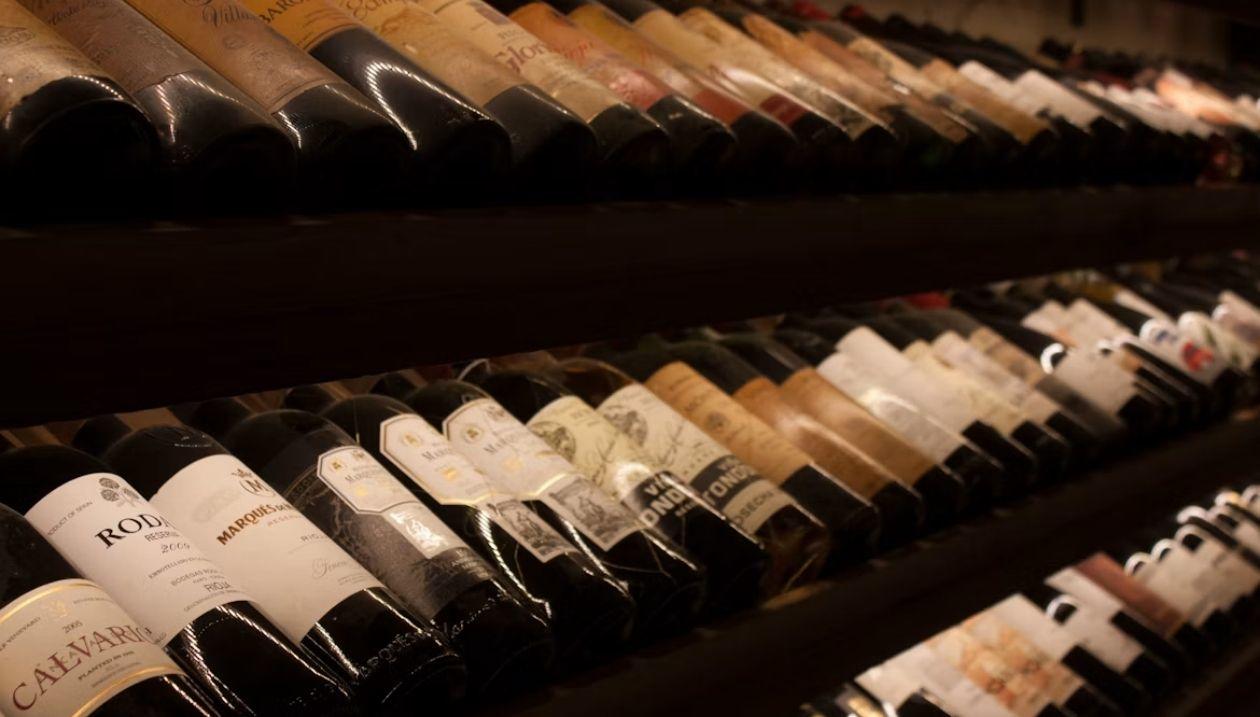
Professor Benoît Lessard and his research group are working with Volta Estate Winery in Prince Edward County to develop faster, real-time tools for monitoring wine production.
ResearchEnvironment & Climate#University of Ottawa#research#climate#decarbonization