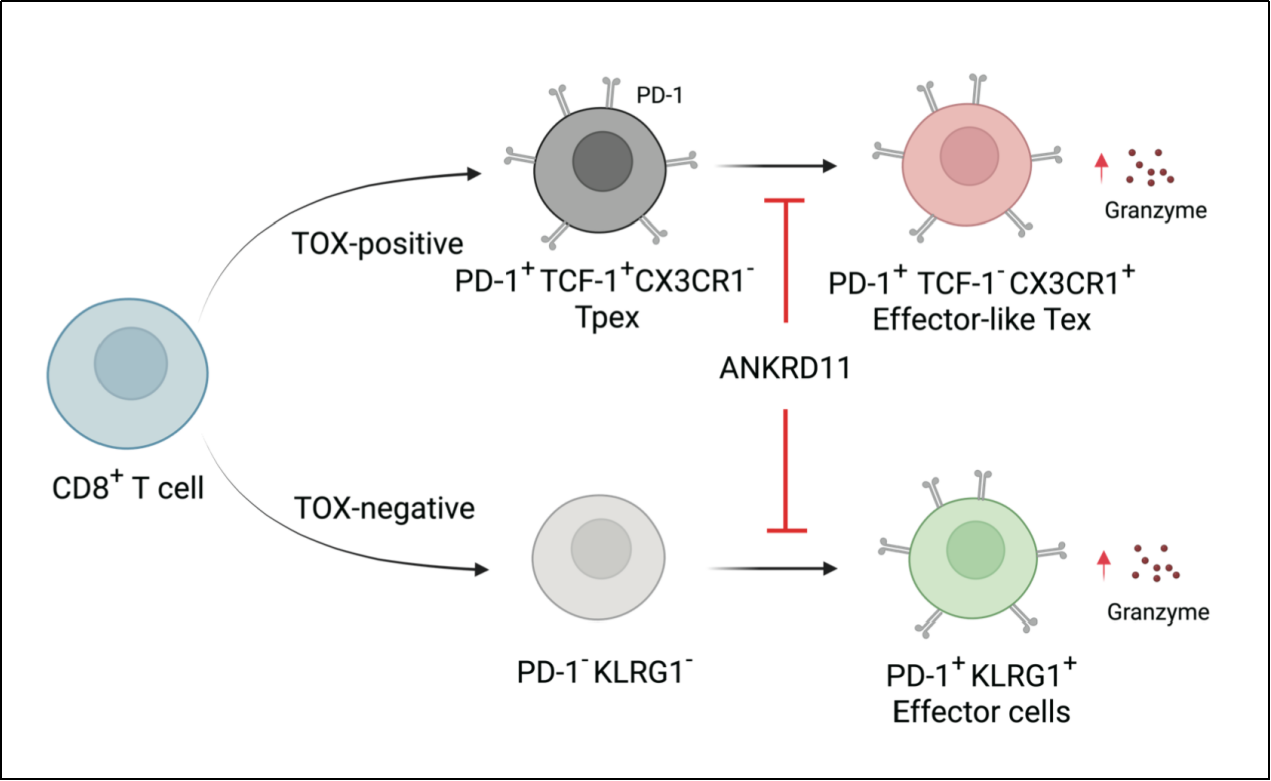
A research team led by Prof. ZHOU Xuyu from the Institute of Microbiology of the Chinese Academy of Sciences (CAS), in collaboration with researchers from Beijing Ditan Hospital and Capital Medical University, has identified ANKRD11 as a key regulator that reduces the activity of CD8 + T cells during chronic hepatitis B virus (HBV) infection and cancer. The researchers found that ANKRD11 suppresse
Medical ResearchLife SciencesHealth#genomics#biology#Chinese Academy of Sciences#Research News#Health#medical research#clinical research
Magnetic resonance imaging (MRI) contrast agents need to provide strong imaging signals while maintaining good safety. Oxygen vacancies can improve the magnetic properties of metal oxide nanoparticles, but creating and controlling these defects in ultrasmall particles is difficult. In a study published in Nano Letters , a team led by Assoc. Prof. MA Kun from the Hefei Institutes of Physical Scienc
Nanotechnology#Chinese Academy of Sciences#Research News#Nanotechnology
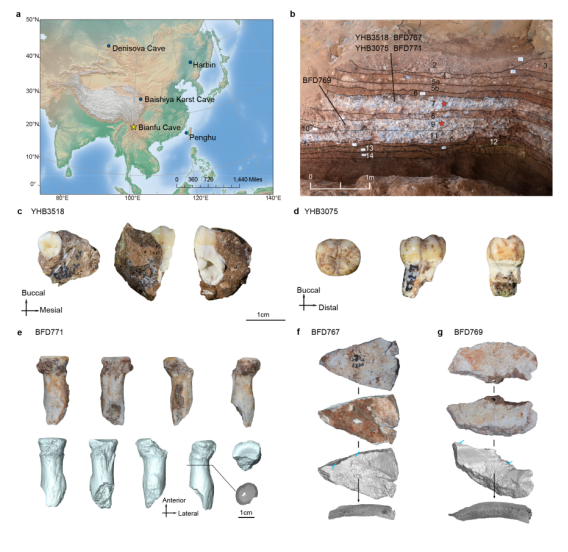
Scientists recently discovered various Denisovan remains in Southwest China dating back to the late Middle Pleistocene, including the first Denisovan radius—one of two long bones in the forearm. Denisovans are a genetically identified archaic hominin group believed to have been widely distributed across Asia. However, due to the limited number of fossil remains, especially postcranial bones—those
Life SciencesEnvironment & ClimatePaleontology#genomics#biology#climate#decarbonization#Chinese Academy of Sciences#Research News#paleontology
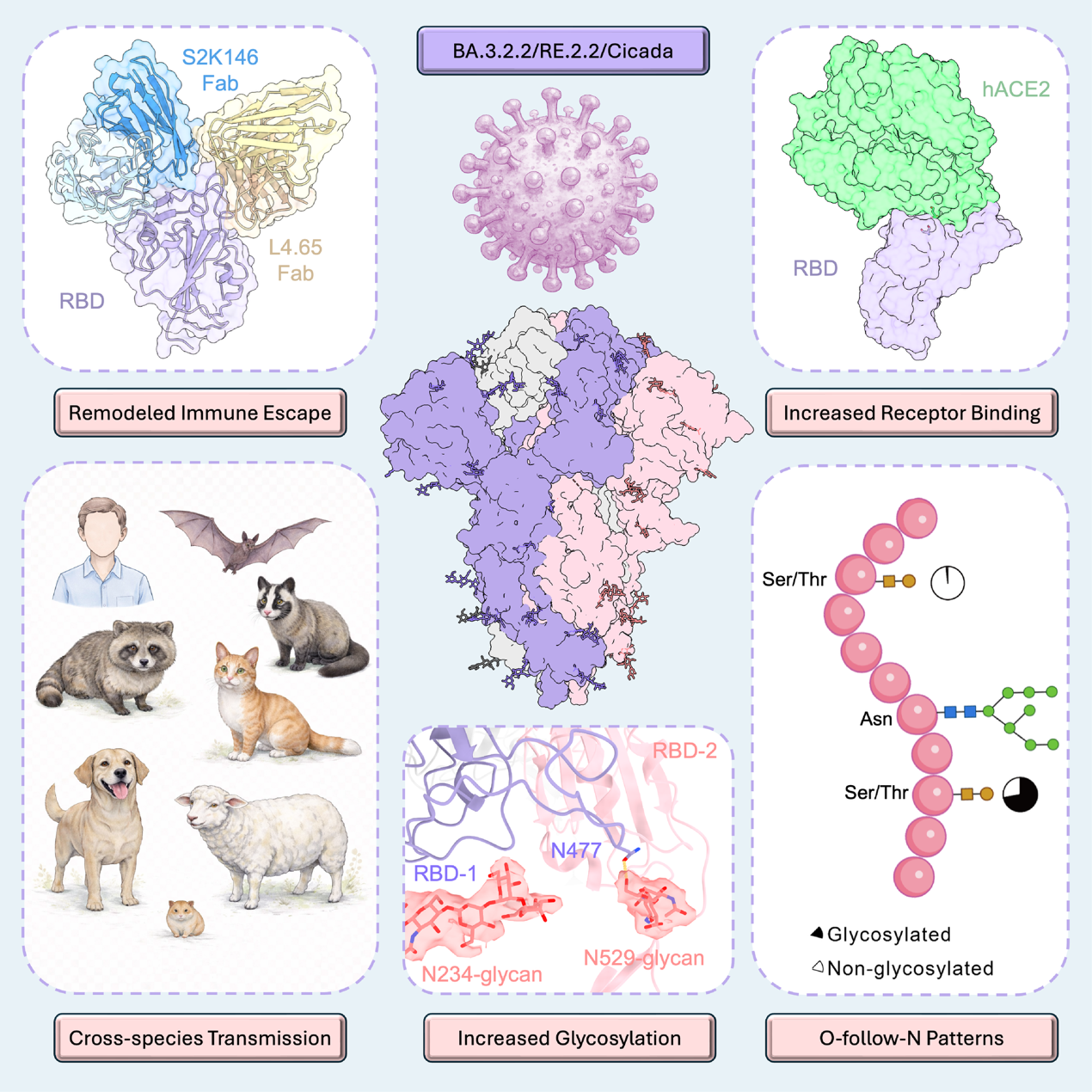
Researchers from the Institute of Microbiology of the Chinese Academy of Sciences (IMCAS) have characterized the structural and functional properties of the emerging SARS-CoV-2 sublineage BA.3.2.2 by studying RE.2.2, the lineage designation for the BA.3.2.2 branch gaining prevalence after prolonged low detection in European surveillance datasets. The study, conducted by Prof. GAO George Fu's labor
Immunobiology#Chinese Academy of Sciences#Research News#Immunobiology
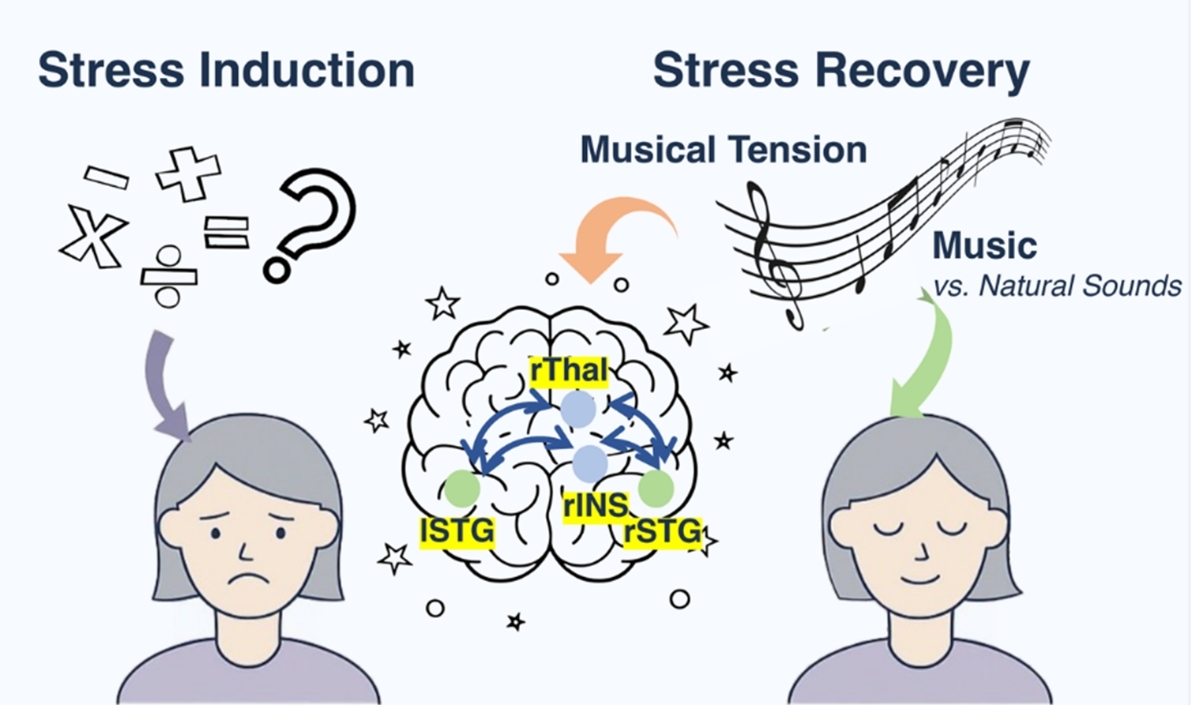
How can music help us recover from stress? A new study by Chinese scientists suggests the answer may lie in how music unfolds over time. Instead of merely distracting us from a stressful experience, music appears to engage the brain's stress-regulation system through changes in musical tension—the changing sense of anticipation and release that arises from the way music as a whole unfolds over tim
Behavioral BiologyHealth#Chinese Academy of Sciences#Research News#Health#Behavioral Biology
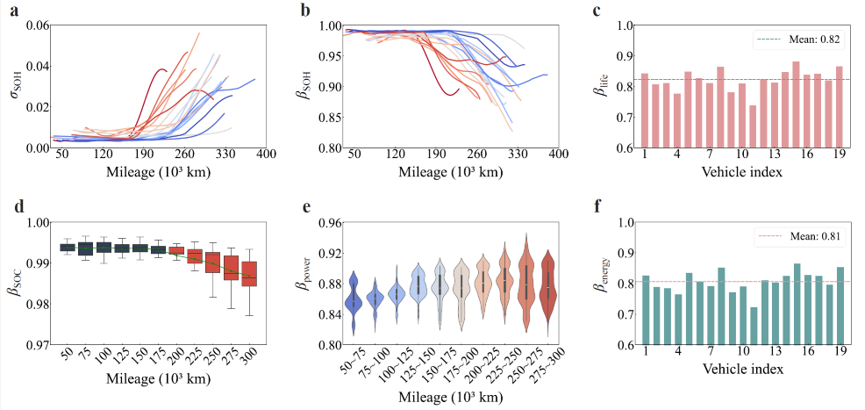
A recent study in Nature Energy has quantified how cell-to-cell inconsistency limits the performance, lifetime, and resource utilization of electric vehicle (EV) battery packs under real-world operating conditions. The work revealed that a small number of faster-ageing cells can severely constrain an entire pack's performance and lifespan. The study was led by Prof. CHEN Zhongwei from the Dalian I
Medical ResearchBattery#Chinese Academy of Sciences#Research News#medical research#clinical research#Battery