In her new leadership role, Chiappinelli will build cancer research programs while continuing her work on how ancient viral DNA can trigger anti-tumor immune responses.
Medical ResearchLife Sciences#George Washington University#Research News#SMHS#medical research#clinical research#genomics#biology
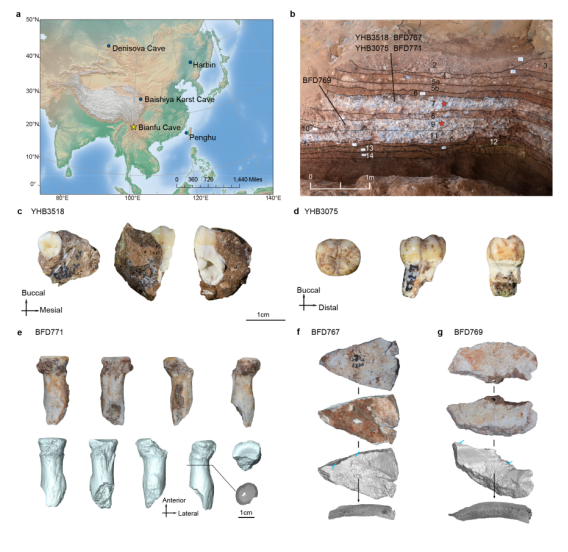
Scientists recently discovered various Denisovan remains in Southwest China dating back to the late Middle Pleistocene, including the first Denisovan radius—one of two long bones in the forearm. Denisovans are a genetically identified archaic hominin group believed to have been widely distributed across Asia. However, due to the limited number of fossil remains, especially postcranial bones—those
Life SciencesEnvironment & ClimatePaleontology#Chinese Academy of Sciences#Research News#paleontology#genomics#biology#climate#decarbonization
Research NewsUniversity of Minnesota Medical School
The human body is a marvel of remake and renewal. We regularly replace some of our estimated 37 trillion cells – about 300 billion or 1 percent of our cells each day - with healthy substitutes. We remove damaged or aging, senescent cells and cellular debris from our organs and tissues every second of the day. How important is it that cellular waste be properly removed?
Medical ResearchLife SciencesEnvironment & Climate#University of Minnesota Medical School#UMN Medical School#Immunology#medical research#clinical research#genomics#biology#climate
Scientists have recently found that a long‑term dominant diatom in China's South-to-North Water Diversion Project maintains its edge through a mutually reinforced cycle with bacteria , whereas a short‑term dominant species lacks such a close partnership and is far less resilient . The study, led by researchers from the Institute of Hydrobiology (IHB) of the Chinese Academy of Sciences, was publish
Life SciencesEnvironment & ClimateBiodiversity#Chinese Academy of Sciences#Research News#biodiversity#genomics#biology#climate#decarbonization
Dr. Teun Munnik has been appointed Professor of Plant Cell Biology at the University of Amsterdam. Munnik is affiliated with the Swammerdam Institute for Life Sciences (SILS) at the Faculty of Science. The appointment came into effect on 1 January 2026. As professor, Munnik will further strengthen research and education in molecular cell biology within the Swammerdam Institute for Life Sciences.
Life SciencesEnvironment & Climate#University of Amsterdam#genomics#biology#climate#decarbonization