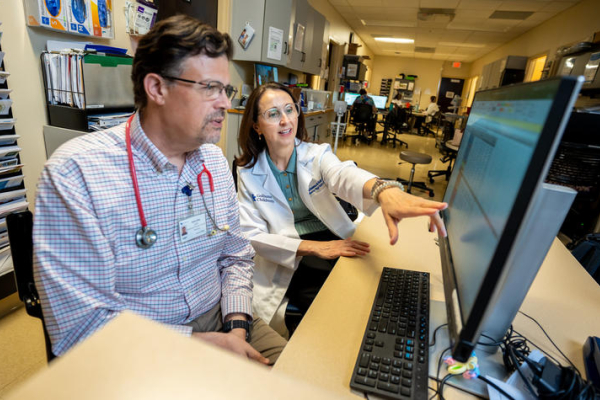
When Raghav Sehgal arrived at Yale as a graduate student several years ago, he wanted to explore the use of powerful computer science tools in cancer research. With an engineering background and a computational biology startup already under his belt, he was well prepared.
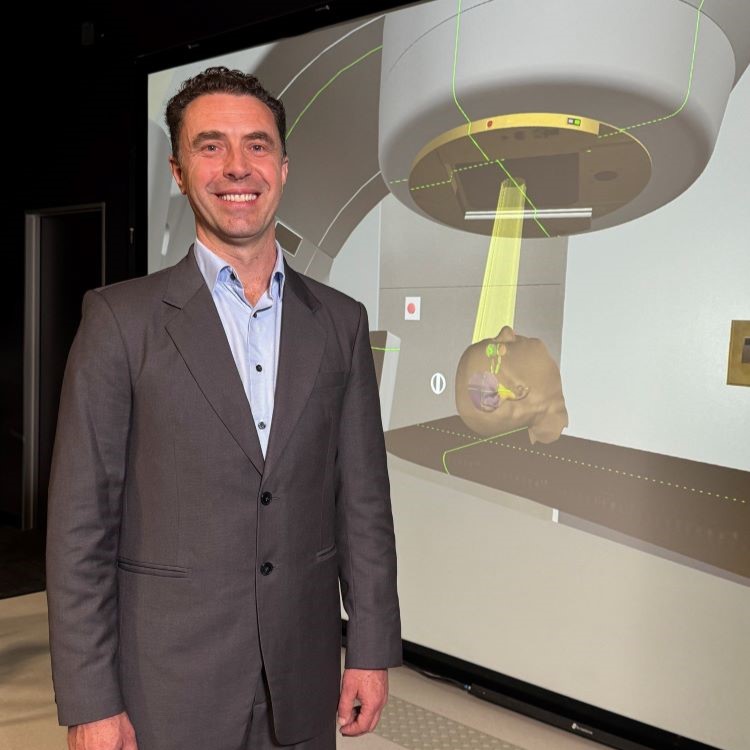
Adelaide researchers are challenging decades-old assumptions about brain cancer treatment in a bid to make radiation therapy more effective against tumours, while reducing damage to healthy tissue.
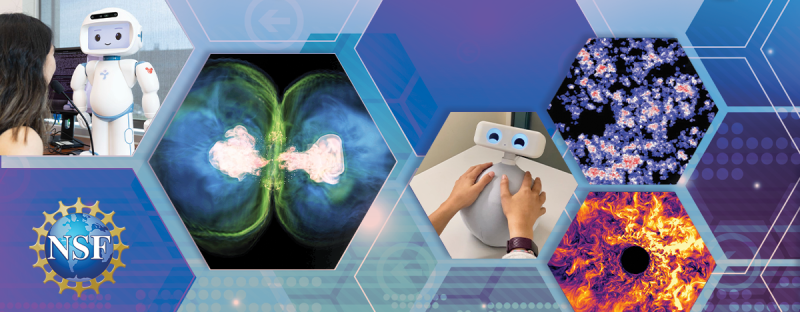
The U.S. National Science Foundation is investing $90 million over five years to support three new NSF Science and Technology Centers (NSF STC). These centers will advance American leadership in…
Fusion EnergyMedical ResearchLife Sciences#U.S. National Science Foundation#fusion#plasma physics#medical research#clinical research#genomics#biology
DNA double-strand breaks (DSBs) are posing serious threats to genome stability. During mitosis, cells mainly rely on polymerase theta (Polθ) -mediated repair to fix these breaks. However, how the CIP2A-TOPBP1 complex regulates this process remains unclear. In a study published in PNAS , a team led by Prof. ZHAO Guoping from the Hefei Institutes of Physical Science of the Chinese Academy of Science
Medical ResearchLife SciencesProteins#Chinese Academy of Sciences#Research News#Proteins#medical research#clinical research#genomics#biology
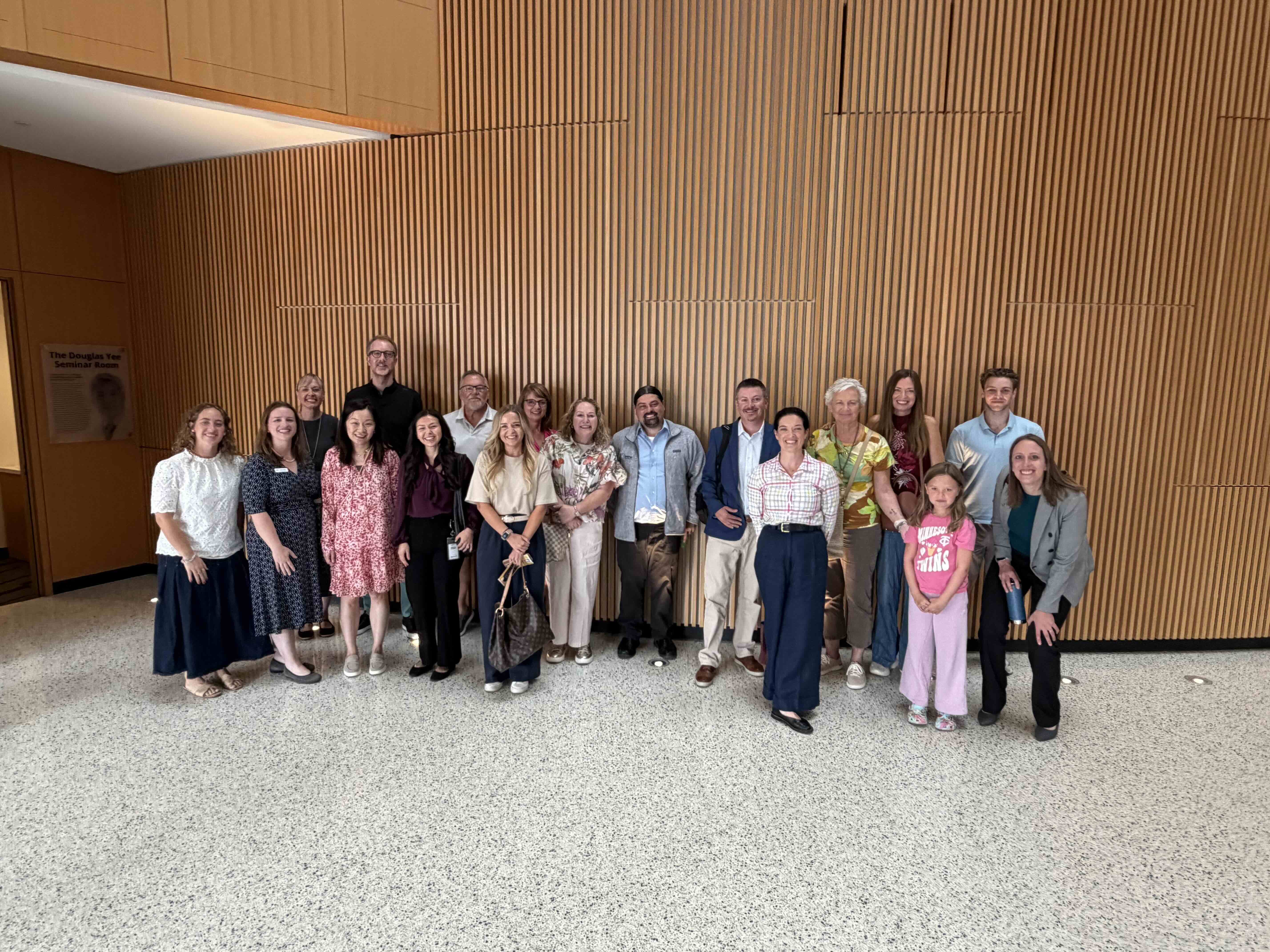
Early Investment in an Emerging Scientist The Children’s Cancer Research Fund (CCRF) recently visited the Center for Genome Engineering at the University of Minnesota.
Medical ResearchLife SciencesResearch#University of Minnesota Medical School#UMN Medical School#CGE#research#TIL#medical research#clinical research#genomics
In a study published in Science , a team led by Prof. ZHOU Bin from the Center for Excellence in Molecular Cell Science (Shanghai Institute of Biochemistry and Cell Biology) of the Chinese Academy of Sciences, along with Prof. LIU Kathy O. from The Chinese University of Hong Kong, developed a series of genetic lineage-tracing tools to investigate the origins of newly formed coronary collateral art
Medical ResearchLife SciencesHealth#Chinese Academy of Sciences#Research News#Health#medical research#clinical research#genomics#biology
Stem cells possess the unique ability to self-renew and transform into different types of cells. For example, rare hematopoietic stem cells found in bone marrow can become any type of blood cell. Throughout life, they can produce new blood cells to replace those lost because of infection, bleeding, or chemotherapy. However, as people and animals age, hematopoietic stem cells become less effective.
Medical ResearchLife Sciences#Tohoku University#Research Releases#medical research#clinical research#genomics#biology
In a study published in Cell , a team led by Prof. ZHOU Bin from the Center for Excellence in Molecular Cell Science (Shanghai Institute of Biochemistry and Cell Biology) of the Chinese Academy of Sciences, along with Prof. Ralf H. Adams from the Max Planck Institute for Molecular Biomedicine, Germany, reported the absence of lymphatic vessels in homeostasis and regenerating bone and their abnorma
Medical ResearchLife SciencesHealth#Chinese Academy of Sciences#Research News#Health#medical research#clinical research#genomics#biology
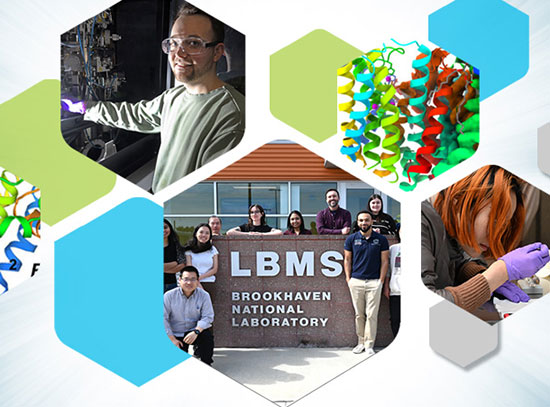
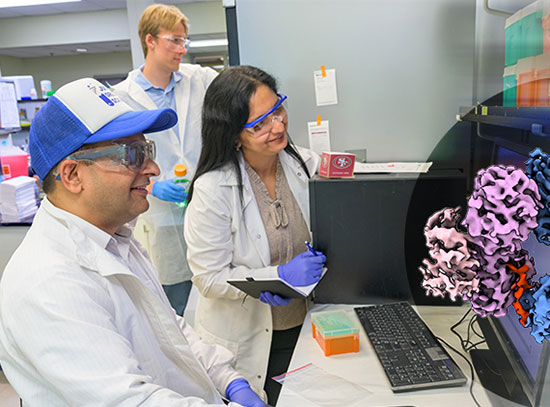
LBMS marks five years as a leading cryo-EM facility, advancing biological discovery through cutting-edge imaging and collaboration.
Medical ResearchLife SciencesEnvironment & Climate#Brookhaven National Laboratory#medical research#clinical research#genomics#biology#climate#decarbonization
Researchers uncover a critical molecular switch that helps bacteria survive environmental stress and antibiotic exposure.
Medical ResearchLife SciencesEnvironment & Climate#Brookhaven National Laboratory#medical research#clinical research#genomics#biology#climate#decarbonization
Research NewsLawrence Berkeley National Laboratory
Scientists around the world use the focused beams of light generated by the Advanced Light Source (ALS) synchrotron to study molecules and materials with…
ALS-UParticle PhysicsMedical Research#Lawrence Berkeley National Laboratory#ALS-U#Particle Physics#High Energy Physics#medical research#clinical research#genomics#biology
Research NewsUniversity of Minnesota Medical School
Celebrating two decades of impact, the University of Minnesota’s Program in Health Disparities Research (PHDR) transformed community-engaged research from an overlooked initiative into a mainstream academic standard, redefining institutional excellence, trust, and research funding along the way.
Medical ResearchResearch#University of Minnesota Medical School#UMN Medical School#PHDR#Community Engagement#research#medical research#clinical research
Using a new combination of computational tools to analyze ancient DNA , Yale researchers have discovered two ancient, extinct giant tortoise lineages that once lived on the Galapagos Islands.
The center was established in 2021 as a developmental center in partnership with UTHealth Houston, Baylor College of Medicine, and the Texas Biomedical Research Institute.
Medical Research#UTHealth Houston#research#Top News#medical research#clinical research
Pertussis, or whooping cough, continues to cause periodic outbreaks worldwide and can be especially dangerous for infants who have not completed vaccination. Yet conventional surveillance depends on people seeking medical care, being tested, diagnosed, and reported, which can delay recognition of changes in community transmission.
Life Sciences#Osaka University#research#genomics#biology
Researchers affiliated with UTHealth Houston, competing under the team name Novamab AI, placed among the top five teams in the international AIntibody Challenge, a blinded, prospective benchmark published in Nature Biotechnology .
Medical Research#UTHealth Houston#research#medical research#clinical research
Autosomal dominant polycystic kidney disease (ADPKD) is the most common inherited cause of kidney failure. Despite decades of research, treatment options for the disease remain limited, and many patients ultimately require dialysis or kidney transplantation.
ResearchMedical Research#Yale University#research#Yale#Yale News#medical research#clinical research
New research from UTHealth Houston found firefighters experience measurable biological changes in their blood and urine within 24 hours of fighting a fire–changes that may help identify early cancer risk, the leading cause of death among firefighters.