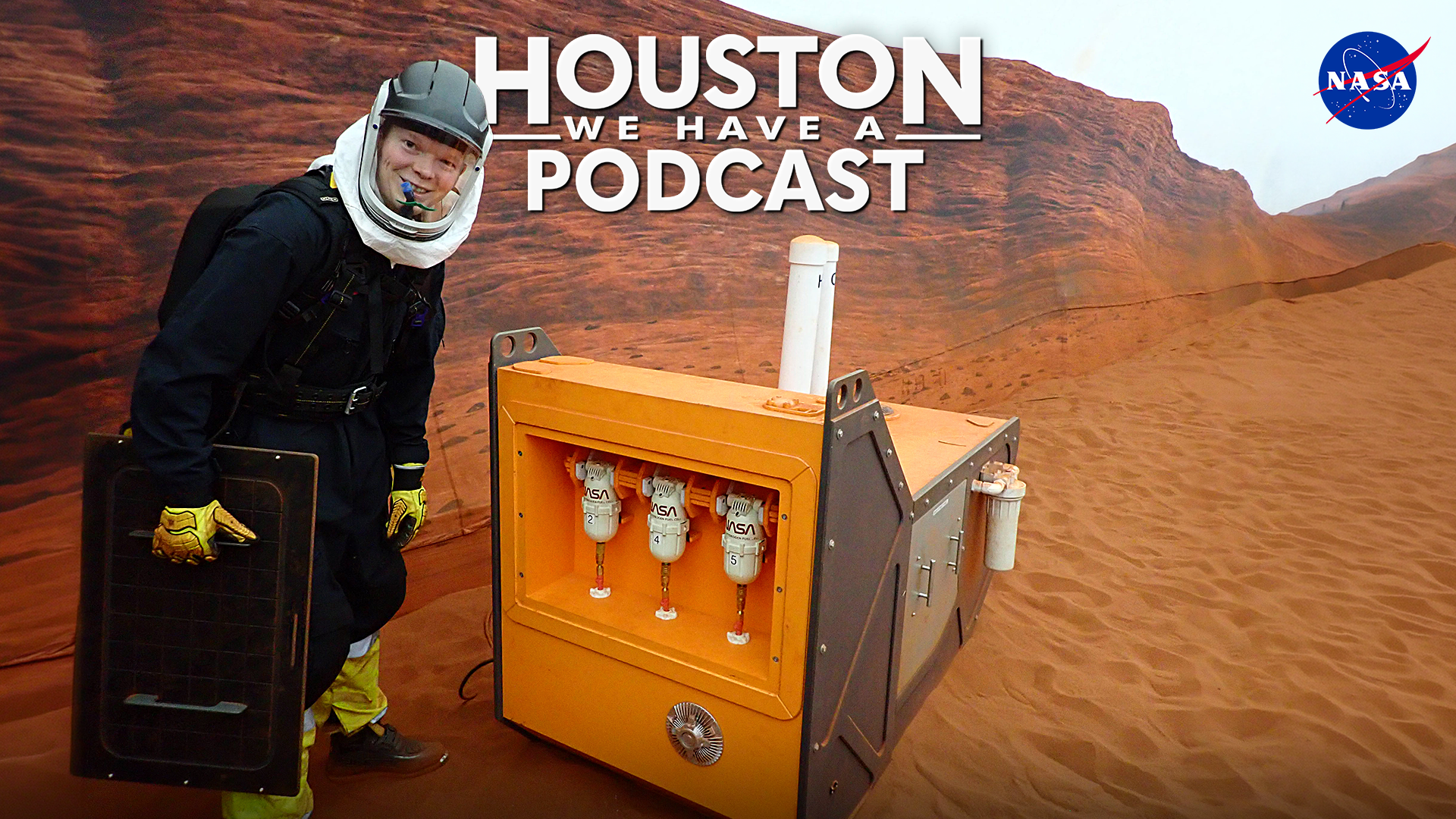
NASA’s CHAPEA 2 crew shares what it was like to operate through a simulated two-week communications blackout with Earth, and NASA analog scientist Sarah Whiting explains what researchers are learning for future Mars missions. Episode 431
Medical ResearchEnvironment & Climate#NASA#Podcast#Houston We Have A Podcast#medical research#clinical research#climate#decarbonization
Astronauts aboard the International Space Station depend on life support systems that provide clean air, drinkable water, and a safe, livable environment. These systems are what make long-duration spaceflight not only possible, but comfortable. Today, some of these space station technologies have been adapted for Artemis – specifically, aboard the Orion capsule.
NASA’s Nancy Grace Roman Space Telescope is on a quest to discover planets outside our solar system. NASA scientists Bertrand Mennesson and Vanessa Bailey explain how Roman’s wide view will spot as many as 100,000 new exoplanets in a galactic census that will change how we understand planetary system formation. And we’ll learn about an experimental camera that will allow scientists to take direct
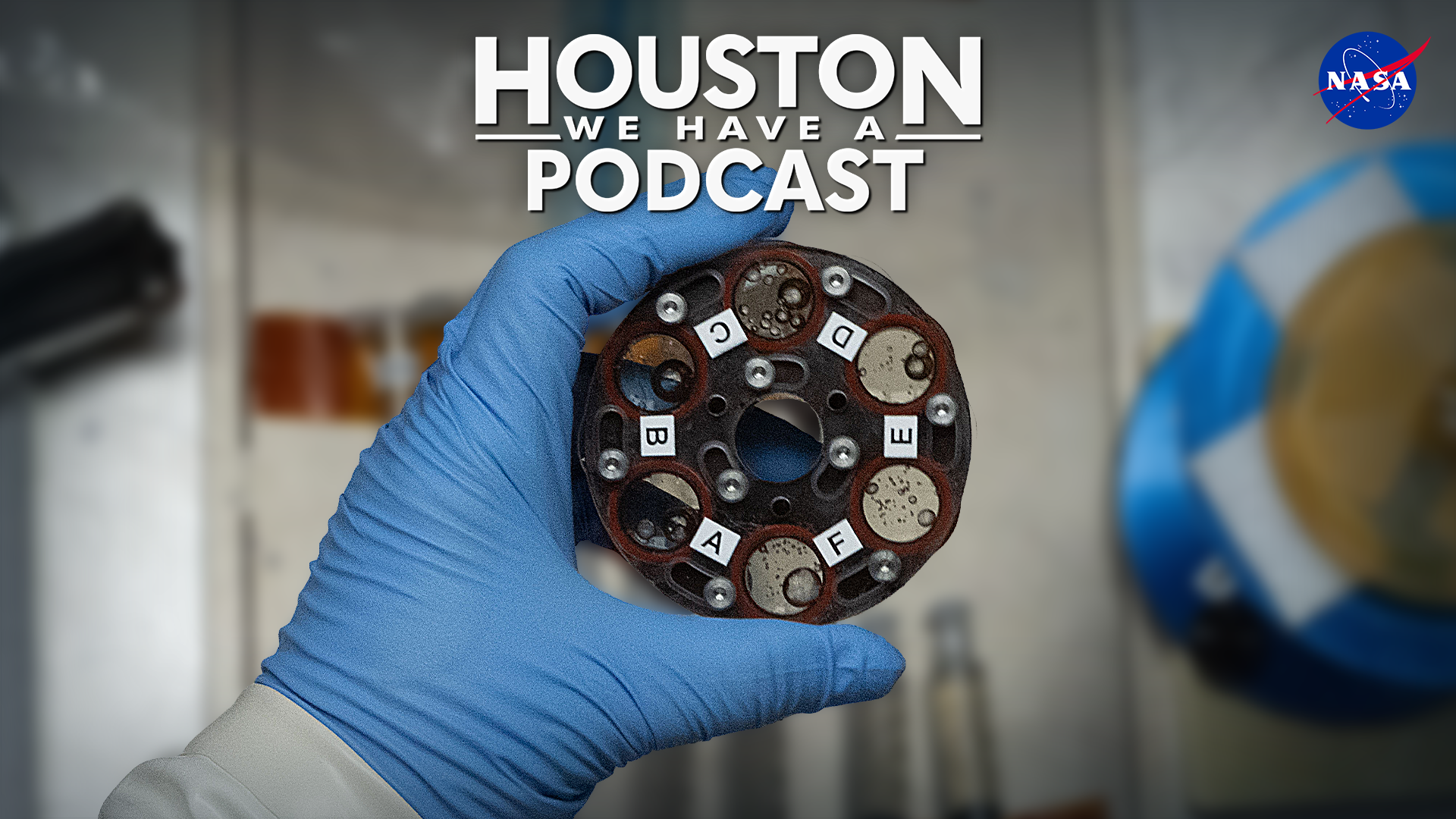
Dr. Abba Zubair discusses how stem cell research aboard the International Space Station is advancing regenerative medicine and what scientists learned from a recently published study. Episode 432
Space & AstronomyMedical ResearchLife Sciences#NASA#Podcast#Houston We Have A Podcast#astronomy#astrophysics#medical research#clinical research#genomics