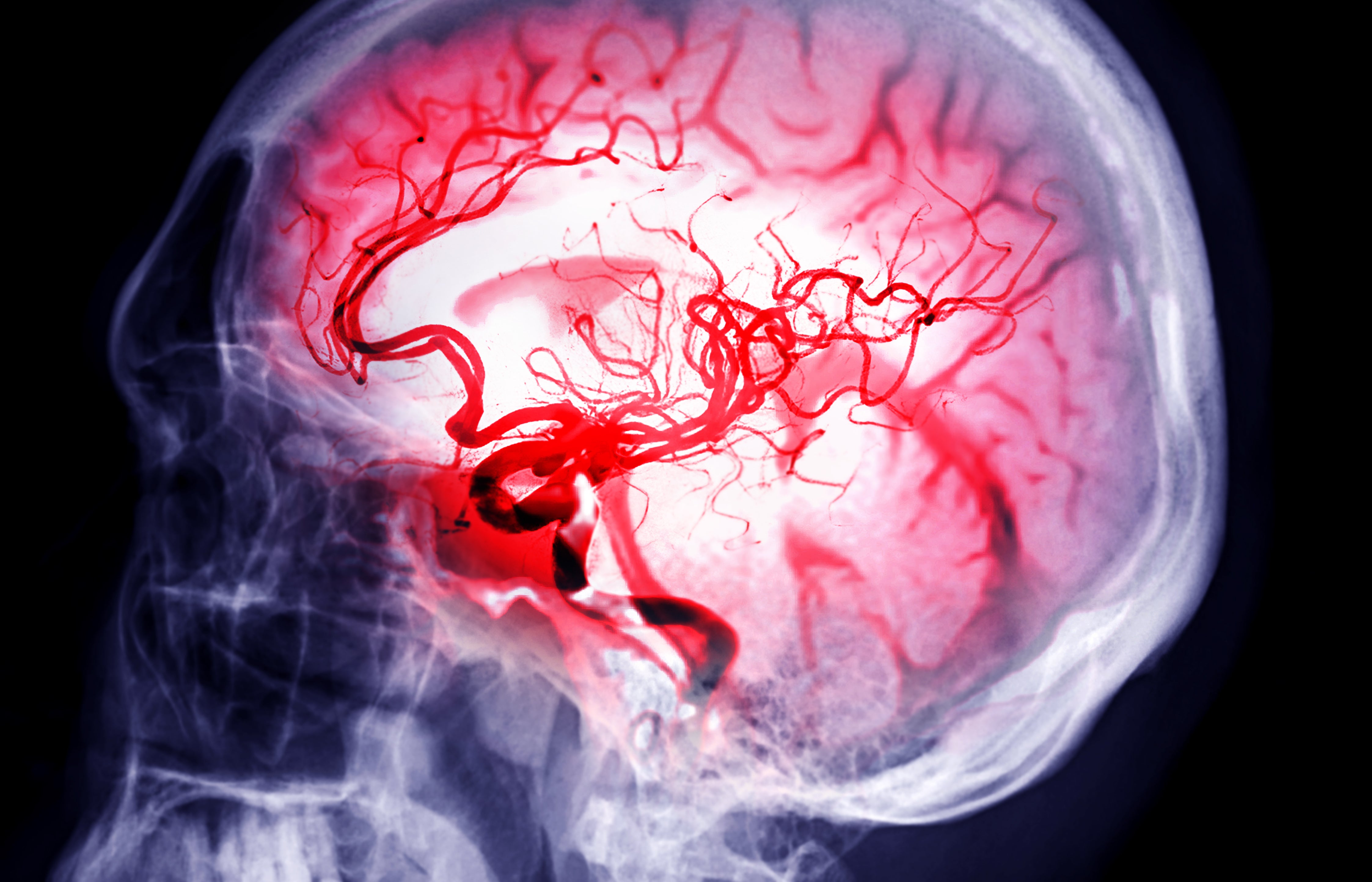
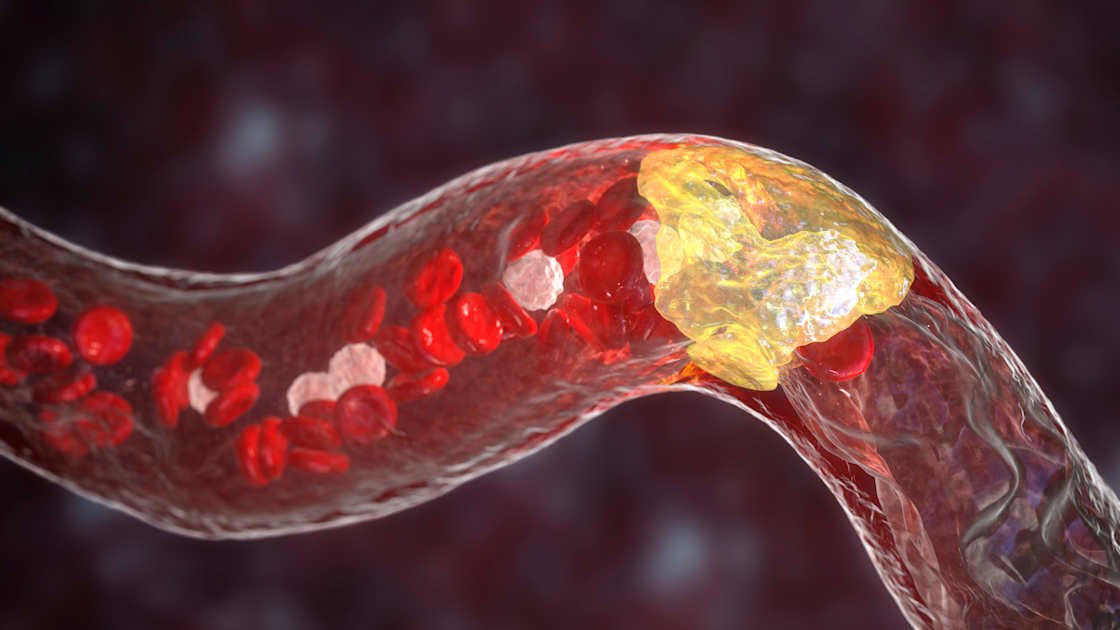
As it tries to defend itself from stroke, the brain can paradoxically trigger the formation of tiny new clots in minor blood vessels, damaging tissue even after the original culprit has been removed, new research shows. The findings help explain why nearly half of treated stroke patients don’t recover — and identify potential new treatments.
Medical ResearchLife Sciences#University of Colorado Boulder#CU Boulder#CU Boulder Today#medical research#clinical research#genomics#biology
The pigments that give beets their red color may have helped a major group of flowering plants repeatedly adapt to dry environments, setting the stage for the evolution of traits that allowed plants to adapt to some of the harshest environments on Earth, according to a University of Michigan study.
Life Sciences#University of Michigan#Environment#News Releases#biology#Ecology#Michigan News#genomics
A CU Boulder mountain geographer explains how rising temperatures are destabilizing mountains and increasing the risk of landslides, glacial floods and other potentially catastrophic hazards around the world.
An international team co-led by the University of Cambridge has mapped every neuron in the male Drosophila fly’s brain and nerve cord, to produce a wiring map of the 166,700 neurons and the millions of connections between them.
Life Sciences#University of Cambridge#Jacqueline Garget#Neuroscience#animal behaviour#genomics#biology
A mule has helped researchers build the most complete reference genomes to date for horses and donkeys, giving scientists access to complex regions of DNA that earlier versions could not fully capture.
Medical ResearchLife Sciences#University of Kentucky#medical research#clinical research#genomics#biology
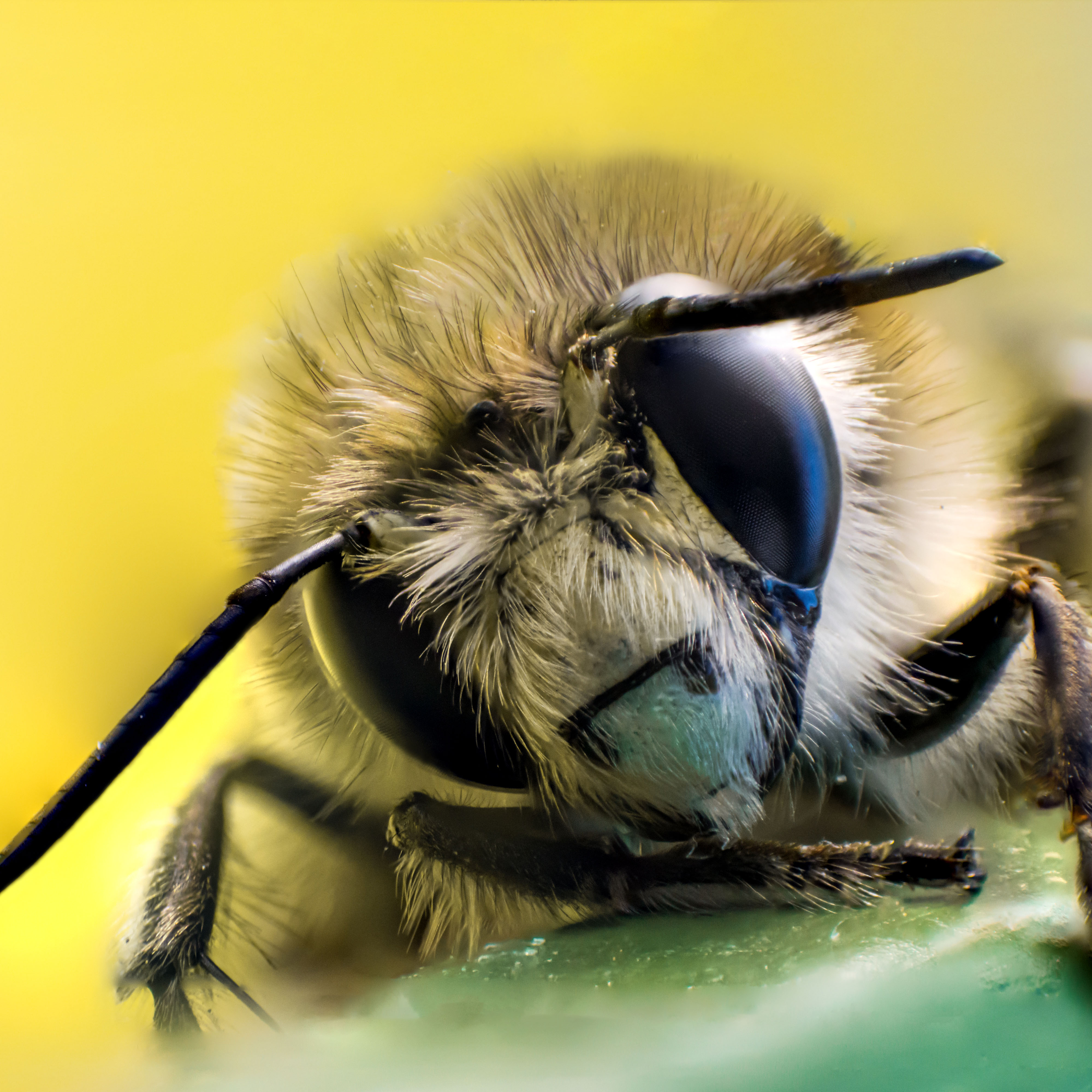
Honey bees have long been the model species for studying insect vision. However, new research shows that several smaller bee species might actually have sharper eyesight.
Researchers at UC San Diego have demonstrated that one of biology’s most essential enzymes can accurately read and transcribe an expanded genetic alphabet containing eight DNA letters instead of the four used by all known life.
ResearchMedical ResearchLife Sciences#University of California San Diego#UC San Diego#UCSD Today#medical research#clinical research#genomics#biology
The federal government just unveiled an aggressive plan to help conserve the mighty Colorado. Will it work? And if not, what will? Water policy veteran Doug Kenney offers insight.
As climate change drives more frequent and prolonged heat waves, CU Boulder and CU Anschutz researchers are working with formerly incarcerated people to understand conditions inside prisons and develop ways to reduce health risks.
Environment & Climate#University of Colorado Boulder#CU Boulder#CU Boulder Today#climate#decarbonization
Six companies founded by University of California San Diego students, faculty and alumni have been selected for the inaugural cohort of a new joint summer incubator from the UC San Diego Office of Innovation and Commercialization (OIC) and Bow Capital.
ResearchParticle PhysicsLife Sciences#University of California San Diego#UC San Diego#UCSD Today#Particle Physics#High Energy Physics#genomics#biology
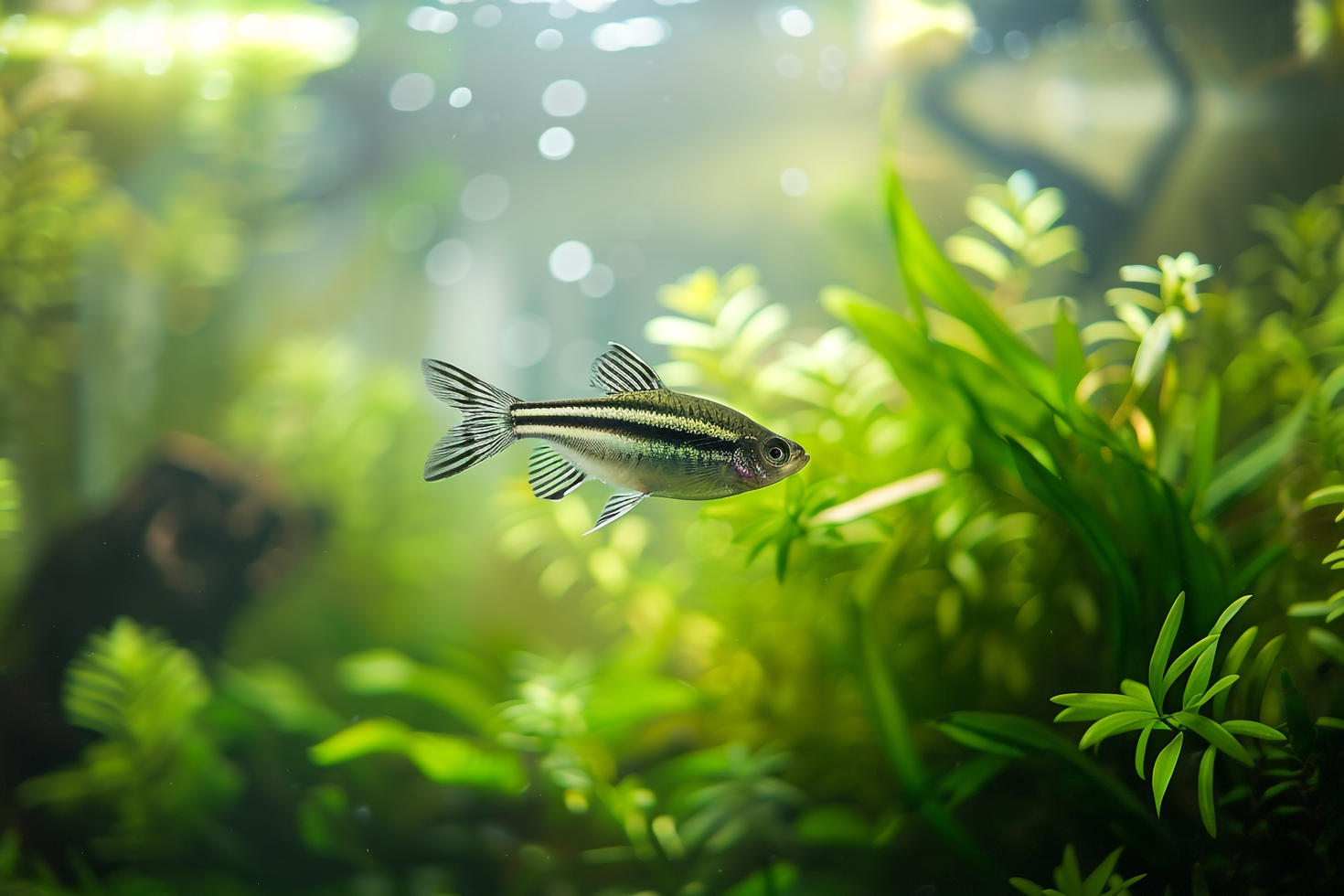
If you’ve ever watched a baby try to grab a toy, you know how awkward those first movements can be. Scientists at the University of Ottawa have taken a big step in identifying the neural changes behind motor control by observing zebrafish go from clumsy swimmers to graceful gliders.
ResearchLife Sciences#University of Ottawa#research#genomics#biology
A new Yale study has identified a promising therapeutic avenue for atherosclerosis , a condition caused by inflammation and plaque buildup in arteries.
Yale School of Medicine (YSM) has been awarded a grant of nearly $25 million by the Aligning Research to Impact Autism (ARIA) initiative. The award, which is part of ARIA’s Human Developmental Neurobiology Research Hub , focuses on building foundational maps and models of the developing human brain and clarifying how and when autism diverges from typical development.
Soil salinization poses a serious threat to global rice production. At present, the natural‑variation‑based genetic basis of rice salt tolerance remains poorly understood, and only a handful of major genes related to salt tolerance have been functionally characterized. It is critical to identify key gene modules in salt signaling pathways. In a study published in Developmental Cell on August 28, a
Life SciencesSustainable Development#Chinese Academy of Sciences#Research News#Sustainable Development#genomics#biology