Standard DNA barcodes are widely used in fields such as biodiversity protection and traceability due to their advantages of strong universal primer adaptability and low sequencing costs. For closely related species, complex taxa with frequent hybridization and recent radiation evolution, standard DNA barcodes cannot meet the needs of accurate identification due to limited sequence variation and insufficient resolution. Although the strategy of shallow genome sequencing to obtain the complete plastid genome (super barcoding) has improved the identification rate of some difficult taxa, the uniparental inheritance characteristics of the plastid genome make it limited in the analysis of introgressed taxa.
Boron plays an important role in glass and ceramic manufacturing, agricultural production and other fields. Although the salt lakes in Qinghai and Tibet are rich in liquid boron ore, the high-salt environment and the reactive inertness of boric acid molecules make efficient and selective extraction of boron challenging.
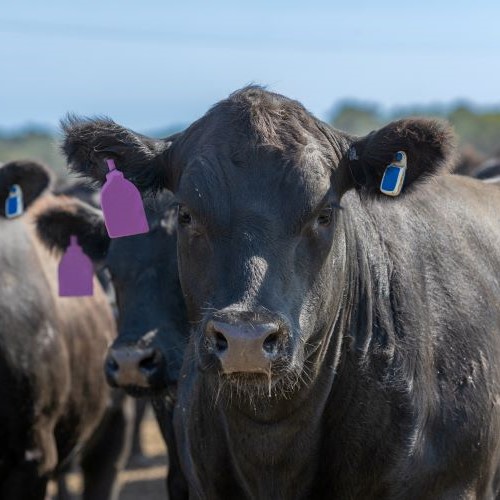
New research involving more than one million Australian feedlot cattle has found that the strongest predictors of death from bovine respiratory disease (BRD) are established before animals even enter the feedlot, highlighting the importance of preventive measures on source properties.
ResearchMedical Research#Adelaide University#Adelaide#medical research#clinical research
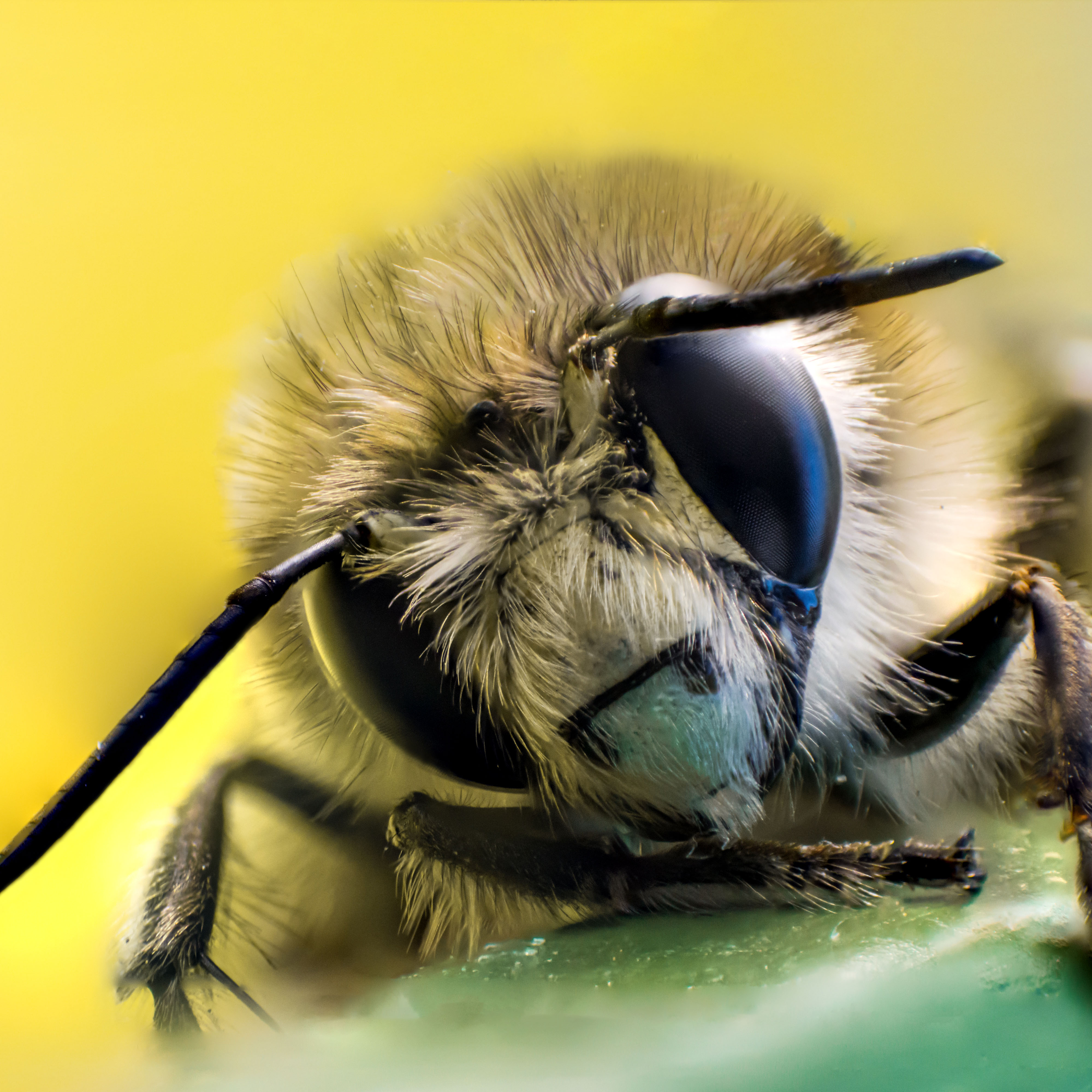
Honey bees have long been the model species for studying insect vision. However, new research shows that several smaller bee species might actually have sharper eyesight.
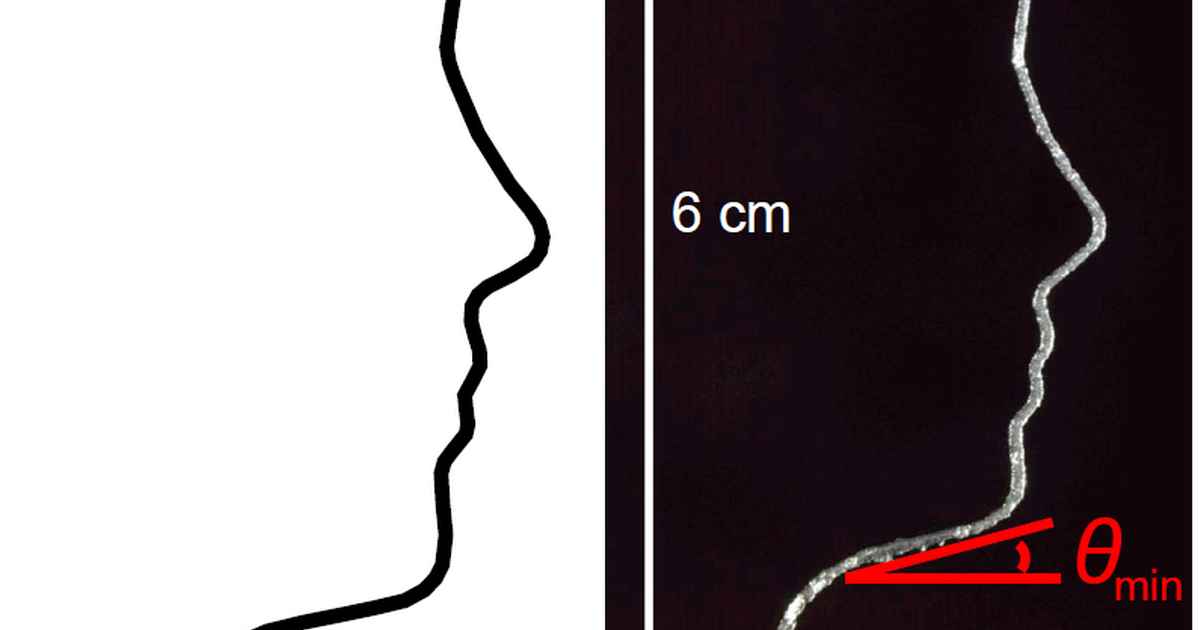
Physicists from the University of Amsterdam have developed a method to print three-dimensional structures in ice. Last December, the work gathered a lot of attention when the researchers 3D-printed a Christmas tree. In the scientific publication that came out this week, the researchers also show how small pillars can be printed under an angle, making it possible to print arbitrary profiles in ice that don’t need any additional support.
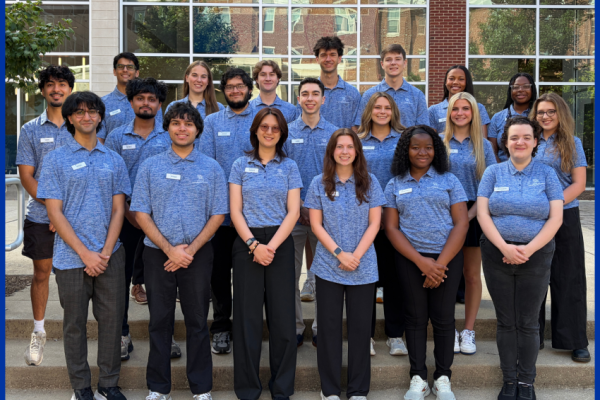
The start of the fall semester was marked by new places and faces.
Space & AstronomyMedical ResearchResearch#University of Wisconsin-Madison#Campus news#College of Letters & Science#learning#recent sightings#Student life#astronomy#astrophysics
Researchers at UC San Diego have demonstrated that one of biology’s most essential enzymes can accurately read and transcribe an expanded genetic alphabet containing eight DNA letters instead of the four used by all known life.
ResearchMedical ResearchLife Sciences#University of California San Diego#UC San Diego#UCSD Today#medical research#clinical research#genomics#biology
A new study spearheaded by surfing scientists with Scripps Institution of Oceanography at UC San Diego revealed the physical relationships underlying a pattern familiar to generations of surfers.
Research#University of California San Diego#UC San Diego#UCSD Today
Congratulations to Xavier Revelo who secured an NIH R01 grant! Project Title: "Macrophages mediate the protective effects of bariatric surgery against steatohepatitis"
Medical ResearchResearch#University of Minnesota Medical School#UMN Medical School#Physiology#medical research#clinical research
A student-designed bird-friendly window mural will soon transform the elevated walkway connecting Weiser Hall and the North University Building, part of a broader effort to reduce bird collisions and support biodiversity at the University of Michigan.
Research#University of Michigan#Arts / Culture#News Releases#sustainability#Michigan News
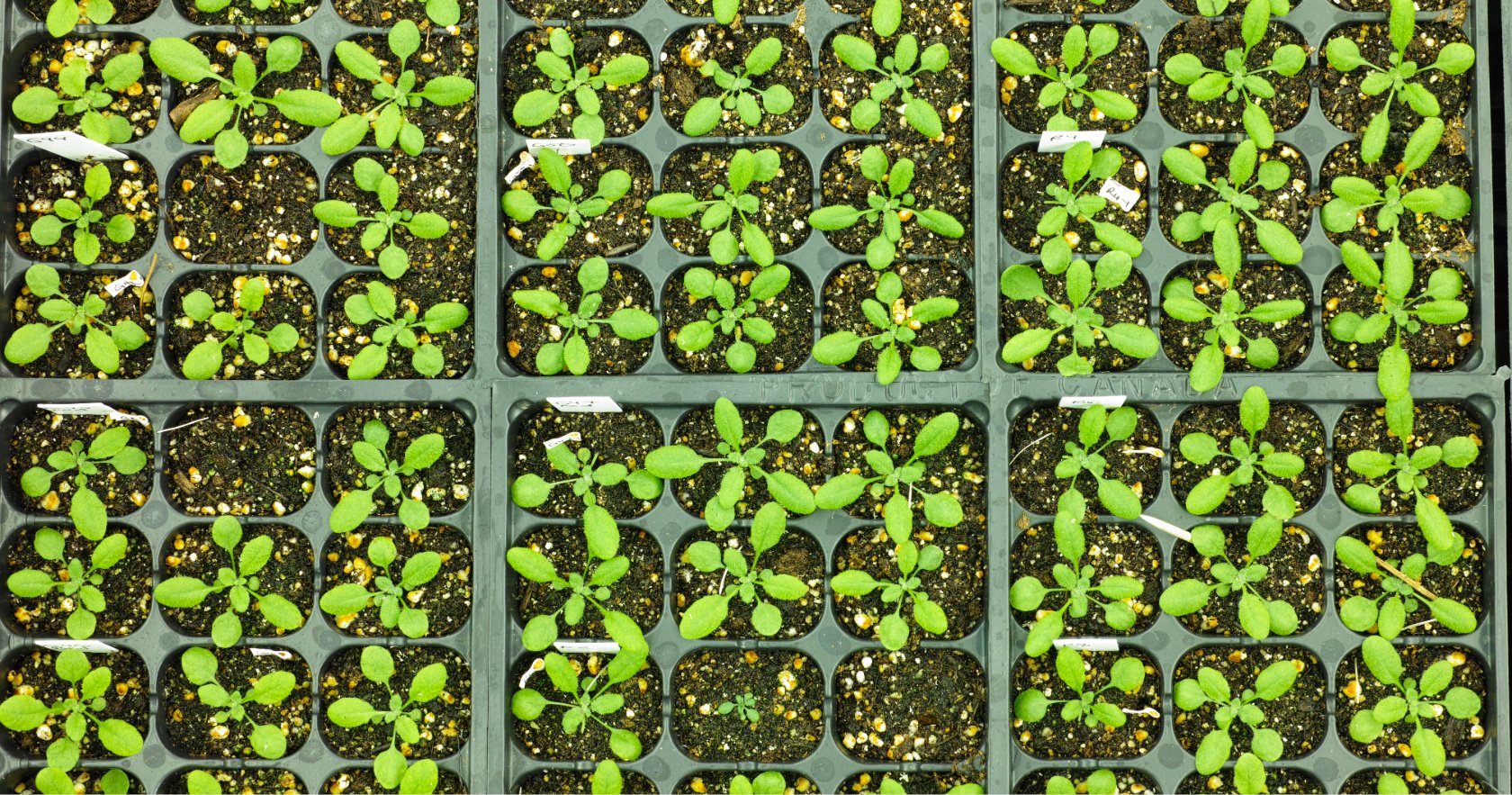
Potassium (K) is one of the three essential nutrients for plants. It plays a critical role in a wide range of processes, including cell growth, photosynthesis, and regulation of water balance. Plants take up K from the soil and circulate it throughout their bodies via molecules called K + channels. The function of one such K + channel (called AKT5) in the model plant Arabidopsis thaliana has remai
Children might feel relieved when their teacher spares them from punishment and allows them to go to recess despite sneaking in a cell phone or running in the hallway.
Research#University of Michigan#Education & Society#News Releases#kids#Psychology#Michigan News
More than 80 per cent of North American forests could face greater threats from pests and diseases by mid-century, finds study led by UBC researchers.
Medical ResearchEnvironment & ClimateResearch#University of British Columbia#UBC News#Climate & Environment#Media Releases#Science & Technology#carbon sinks#department of botany#Department of Forest and Conservation Sciences
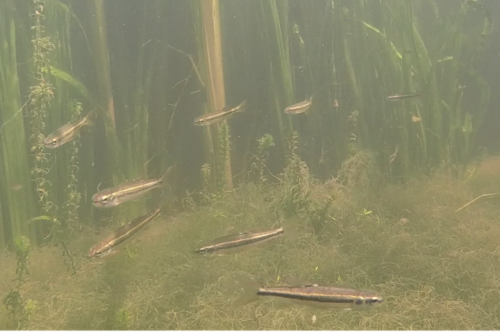
Stickleback fish can change their social behaviour to help them find food in cloudy water a new study by the University of Bristol and published in Proceedings of the Royal Society B today [Wednesday 2 September 2026] has found.
ResearchPress Releases#University of Bristol#research#Faculty of Health and Life Sciences#School of Biological Sciences#Press Release#Bristol
Open government was supposed to bring citizens closer to politics. By making government information publicly available, people would be better informed about the decisions that affect their lives, while at the same time also being able to influence them. According to Guillén Torres Sepulveda, there is actually a downside to this development. In his promotion The Datafying (Civil) Society: Fostering Citizen Agency Beyond Open Government he states that as data becomes increasingly central to polit
How can we ensure that digital government information becomes and remains accessible to everyone who has an interest in it? Erik Saaman, strategic advisor on digital archiving at the National Archives, will investigate this as an Honorary Fellow at the Faculty of Humanities of the University of Amsterdam.
Harmful algal blooms are an important environmental problem facing aquatic ecosystems, and nutrient levels are considered to be the core factor driving algal blooms. Research in recent years has found that serious algal bloom events may not occur in high-nutrient lakes, indicating that their formation is affected by complex environmental regulation and ecological feedback mechanisms.
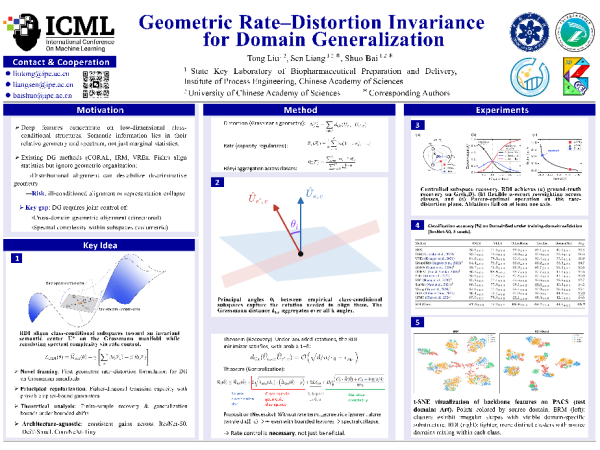
Deep learning models have excellent performance when the distribution of training data and test data are consistent. However, in practical applications such as brain-computer interfaces and medical imaging, they will be affected by factors such as individual differences in subjects, electrode/sensor drift, changes in acquisition equipment and clinical environment, and the data distribution will shift, resulting in a significant decline in model performance. In recent years, academic circles have developed a series of domain generalization algorithms using distribution alignment, adversarial training, and invariant risk minimization. However, most mainstream methods focus on matching edge distributions or gradient statistics between different domains, which can easily lead to alignment instability or even collapse under limited samples, restricting the cross-domain discrimination ability of deep learning models in real target domains.
As the nation marks its 250th anniversary, America’s rising generation is grappling with a profound sense of estrangement from traditional national pride. Rather than embracing uncritical flag-waving, young Americans view the present state of the union with deep skepticism—even while carving out enduring grounds for optimism rooted in community action, mutual care, and inclusive democratic values.
Research#American University#Research News#Research · September 2#research