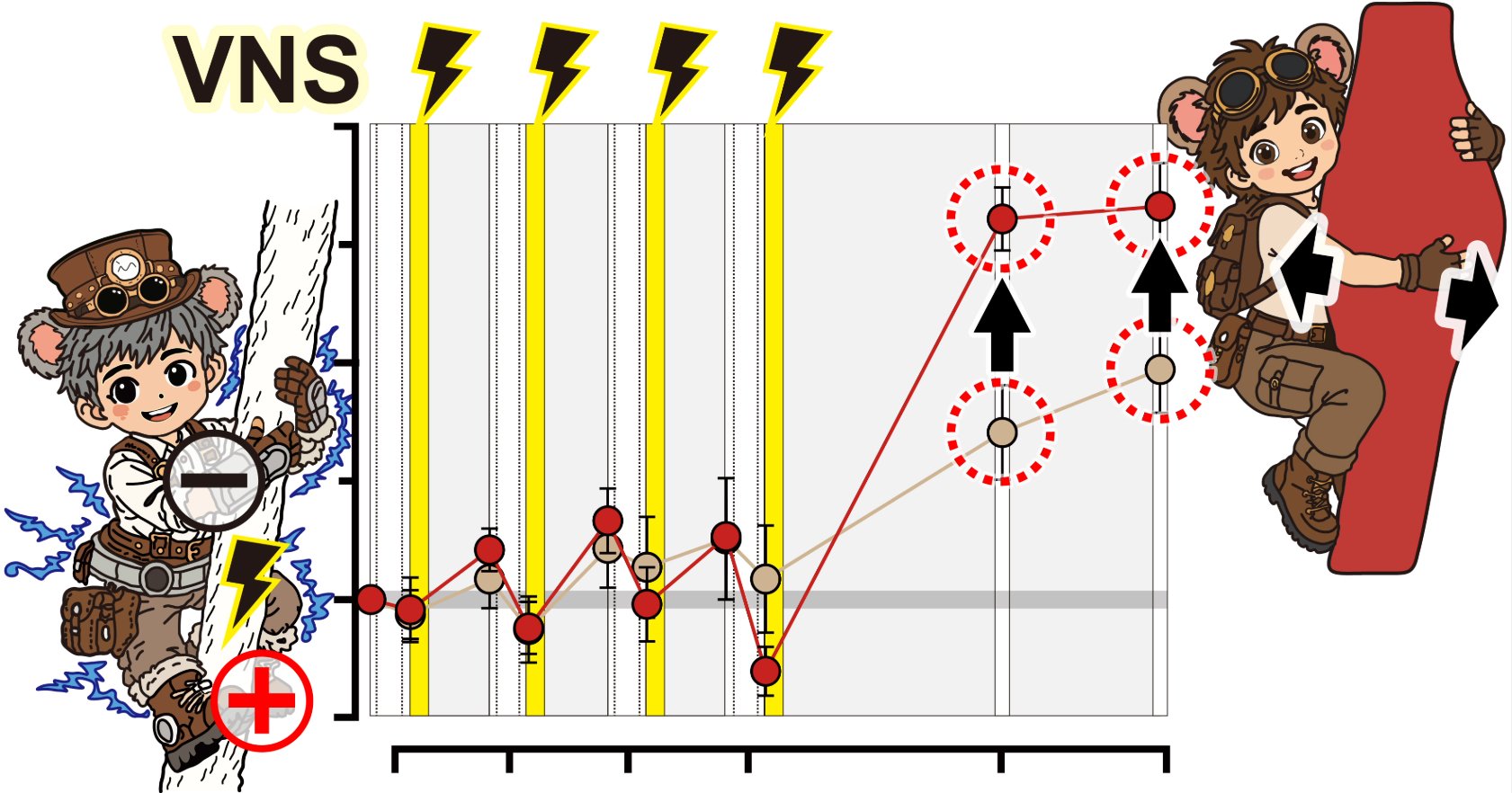
Do you ever feel like sometimes you can master a new dance step almost immediately, while other times you struggle to nail it despite repeated practice? This might be due to skill or effort, but also to something less obvious: whether the brain is in a state that allows learning to take hold. The brain does not learn in isolation from the rest of the body. Signals from internal organs continuously
For its review of the Bail Act 1985 (SA), the South Australian Law Reform Institute (SALRI) is now commencing its community engagement, including visits to towns in regional South Australia, to seek input from interested parties and individuals.
A new National Bureau of Economic Research from the University of California San Diego shows that wildfire damage can have long-term economic consequences for households, resulting in income losses, relocation of residents as well as slow rebuilding for several years after a fire.
Research#University of California San Diego#UC San Diego#UCSD Today
UC San Diego's Qualcomm Institute hosted three summer internships in semiconductors, game design and AI, giving students hands-on, workforce-ready skills.
Research#University of California San Diego#UC San Diego#UCSD Today
A new study led by researchers at the University of California San Diego shows that the brain does not simply respond to breathing as a steady rhythm. Instead, the detailed shape of each individual breath is closely linked to the shape of neural activity in brain regions.
Research#University of California San Diego#UC San Diego#UCSD Today
The University of California San Diego has received a grant of more than $1 million from the Ewing Marion Kauffman Foundation to support a national research project examining how entrepreneurs access financing during the earliest stages of the small business lending process.
Research#University of California San Diego#UC San Diego#UCSD Today
A research team at UC San Diego’s Scripps Institution of Oceanography found a way to distinguish the magnetism that clay materials acquire over time from the magnetism those materials acquired the day they were made, giving museums everywhere a chance to detect fake artifacts.
Research#University of California San Diego#UC San Diego#UCSD Today
A new study suggests this twist arises from how the rapidly growing spine develops around the gut, offering fresh insight into one of nature’s most unusual body plans.
Life SciencesResearch#University of British Columbia#UBC News#News Tips#Science & Technology#Department of Zoology#Discover and Innovate for Impact#Faculty of Dentistry#Faculty of Science
AUG 31, 2026 | Julie Jansen From left: UAH mascot Charger Blue; Brian Niswonger, a senior majoring in kinesiology; Joshua Kolby a 2026 aerospace engineering graduate; UAH President Dr. Don Leo, UAH President; and Dr. Dave Puleo, provost and executive vice president for academic affairs. Michael Mercier | UAH Brian Niswonger, a senior majoring in kinesiology, was named the AACE Intern of the Year, while Joshua Kolby, a 2026 aerospace engineering graduate, was named AACE Co-op of the Year. The stu
Research#University of Alabama in Huntsville#Newsroom
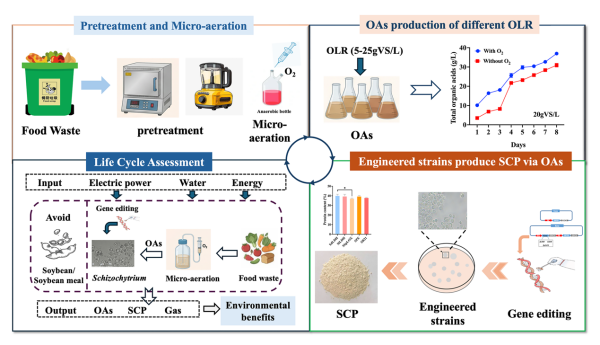
As residents' daily living standards continue to improve, the demand for high-quality protein in farming and other fields has increased significantly, and the supply is insufficient. At the same time, urban food waste production is large, and traditional disposal processes have high carbon emissions, low resource conversion efficiency, and high energy consumption. The protein supply gap and the problem of food waste disposal are superimposed, and there is an urgent need to build efficient and coordinated resource solutions.
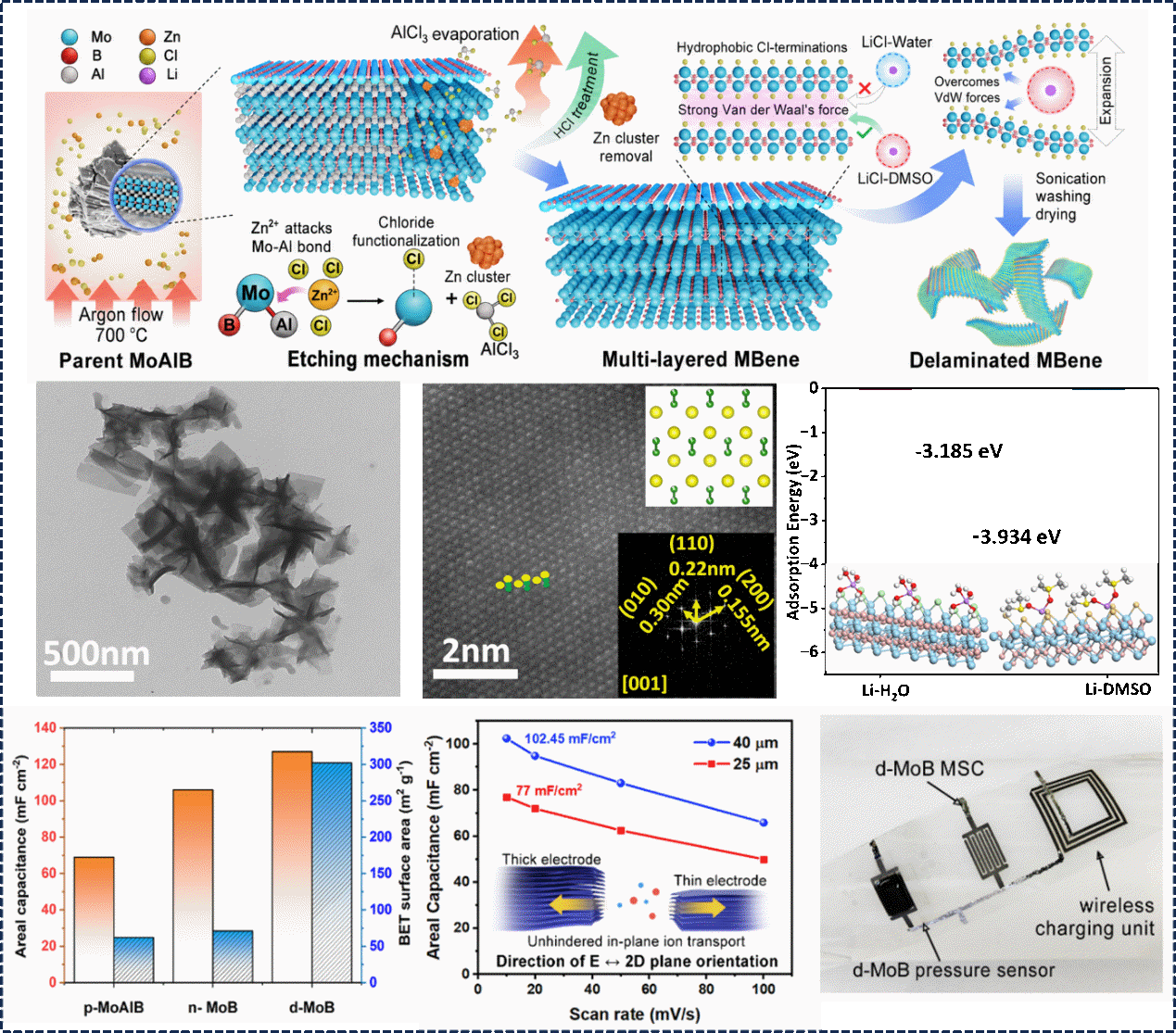
Two-dimensional transition metal borides have broad application prospects in the field of electrochemical energy storage due to their unique electronic structure, high conductivity and rich surface chemical properties. Molybdenum boride (MoB) can be obtained by selectively etching away the aluminum (Al) layer in layered molybdenum aluminum boron (MoAlB). However, this method often faces problems such as incomplete removal of Al and re-stacking of MoB layers after etching, making it difficult to fully peel off the two-dimensional nanosheets. This will reduce the available surface area of the material and prevent electrolyte ions from entering the interlayer active sites, thus restricting the performance of MoB in high-rate energy storage devices.