The Department of Energy’s (DOE) Oak Ridge National Laboratory (ORNL) earned a new lab record with 22 R&D 100 Awards in 2026 for technologies that advance energy, manufacturing, computing, biotechnology and other fields. ORNL led 18 of the winning technologies and contributed to four additional award-winning projects led by partner institutions.
Fusion EnergyLife SciencesEnvironment & Climate#Oak Ridge National Laboratory#fusion#plasma physics#genomics#biology#climate#decarbonization#grid
Environment & ClimateWashington University in St. Louis
Machine learning doesn’t replace human intelligence, but it can outlast human endurance, which makes it a very helpful tool for chemistry and material discovery. Scientists know the machine learning models can make predictions based on the vast reams of data it is trained on, but can it take it a step further and massively scale up testing out those predictions? “We already see that AI is powerful
Environment & ClimateTechnology & InnovationData & Computer Science#Washington University in St. Louis#Newsroom#climate#decarbonization#advanced materials#innovation
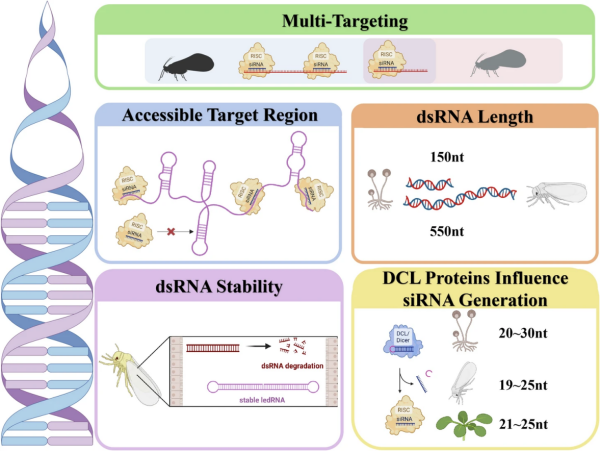
A research team has recently published a systematic reference framework for advancing Spray-Induced Gene Silencing (SIGS) from proof-of-concept toward industrialization. Led by Prof. ZHANG Tao from the Xinjiang Institute of Ecology and Geography (XIEG) of the Chinese Academy of Sciences (CAS), in collaboration with researchers from the Institute of Germplasm Resources and Biotechnology under the T
Life SciencesEnvironment & ClimateBioengineering#Chinese Academy of Sciences#Research News#Bioengineering#genomics#biology#climate#decarbonization
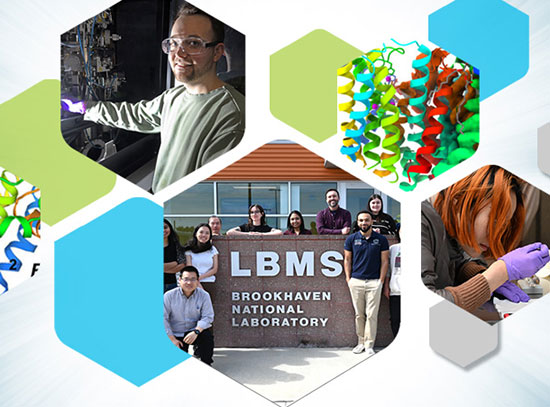
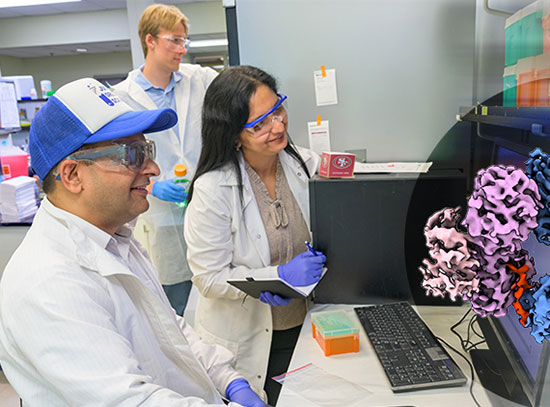
LBMS marks five years as a leading cryo-EM facility, advancing biological discovery through cutting-edge imaging and collaboration.
Medical ResearchLife SciencesEnvironment & Climate#Brookhaven National Laboratory#medical research#clinical research#genomics#biology#climate#decarbonization
Researchers uncover a critical molecular switch that helps bacteria survive environmental stress and antibiotic exposure.
Medical ResearchLife SciencesEnvironment & Climate#Brookhaven National Laboratory#medical research#clinical research#genomics#biology#climate#decarbonization
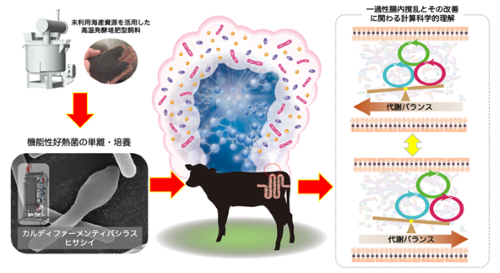
Methane emissions from cattle and sheep contribute to global greenhouse gas emissions and reflect a loss of dietary energy that could otherwise support animal growth and productivity, which is a major challenge for sustainable livestock production. M ost existing approaches to reduce methane emissions focus primarily on suppressing methanogenesis. In a study published in The Innovation , a researc
Life SciencesEnvironment & ClimateSustainable Development#Chinese Academy of Sciences#Research News#Sustainable Development#Pollutants#genomics#biology#climate#decarbonization
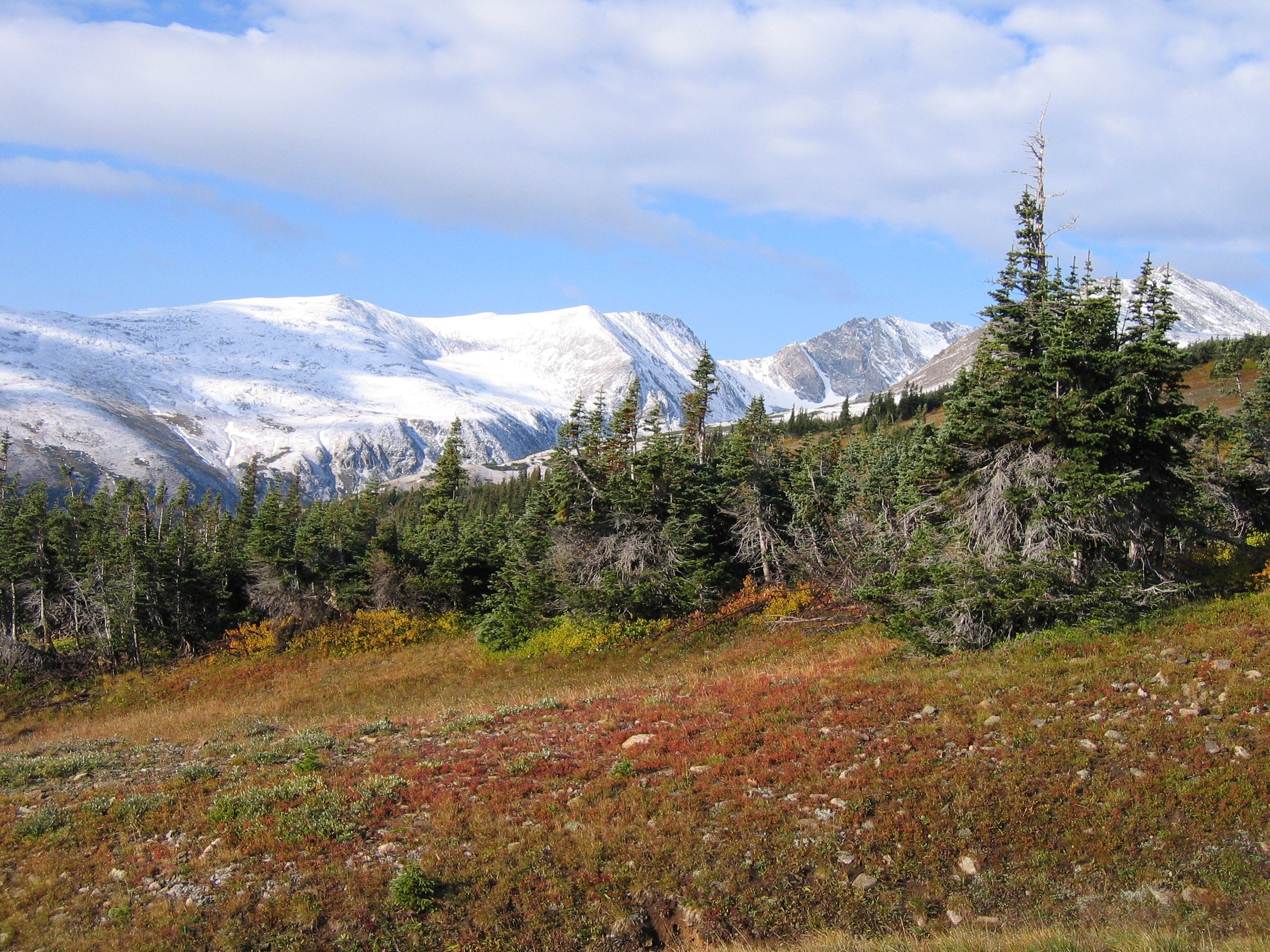
A CU Boulder study finds that the symbiotic relationship between alpine plants and underground fungi stays robust to earlier snowmelt driven by warming temperatures.
Life SciencesEnvironment & Climate#University of Colorado Boulder#CU Boulder#CU Boulder Today#genomics#biology#climate#decarbonization
Research NewsNational Research Council of Science & Technology
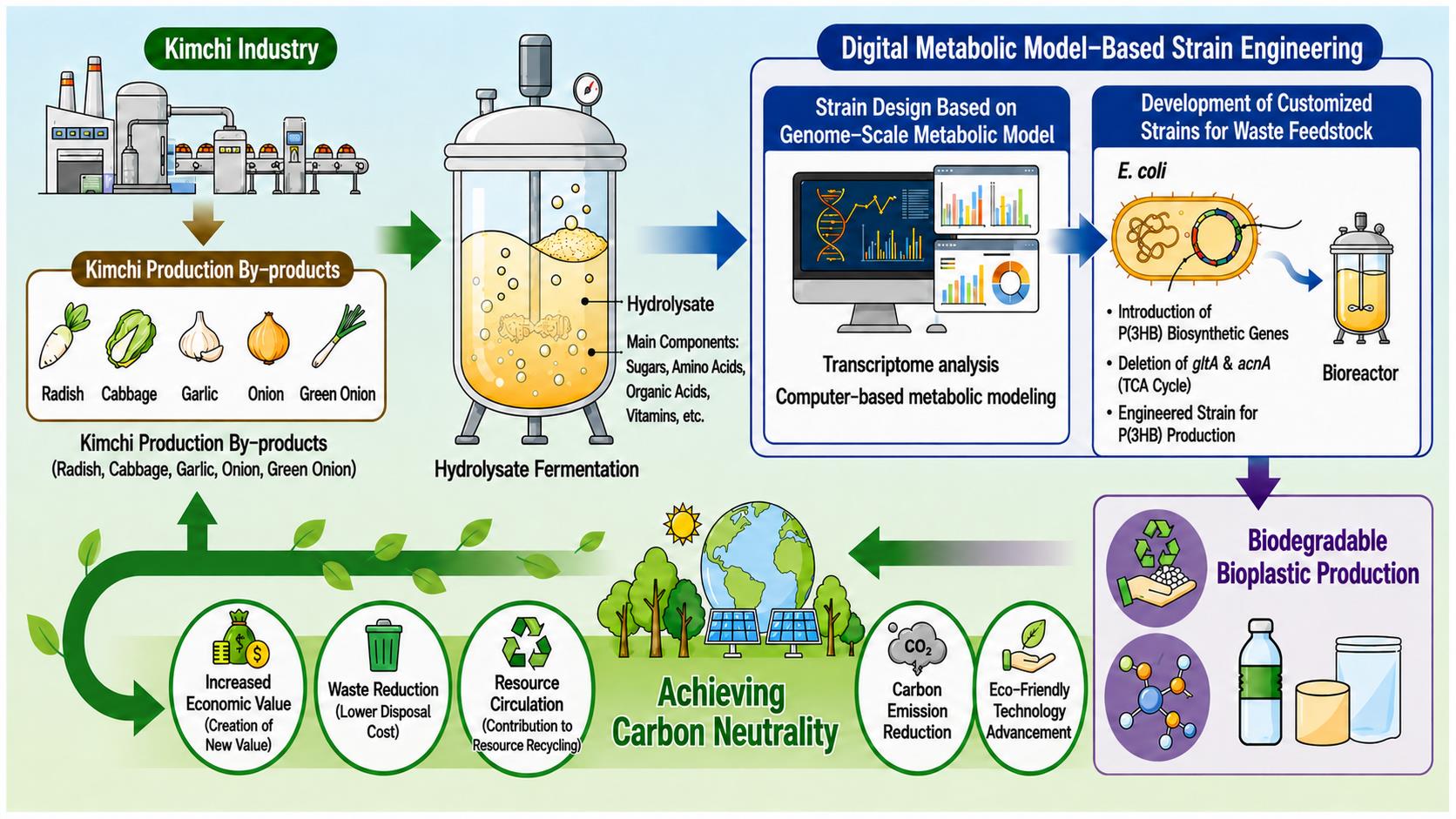
- Researchers develop a genome-scale model-guided microbial engineering platform that converts kimchi industry waste into biodegradable bioplastics Every year, thousands of tons of radish by-products generated during kimchi production are discarded despite containing valuable carbon and nutrient resources. Researchers at the World Institute of Kimchi (WiKim) have developed a genome-scale model-gui
Life SciencesEnvironment & Climate#National Research Council of Science & Technology#GRIs News#World Institute of Kimchi (WIKIM)#WIKIM#genomics#biology#climate#decarbonization
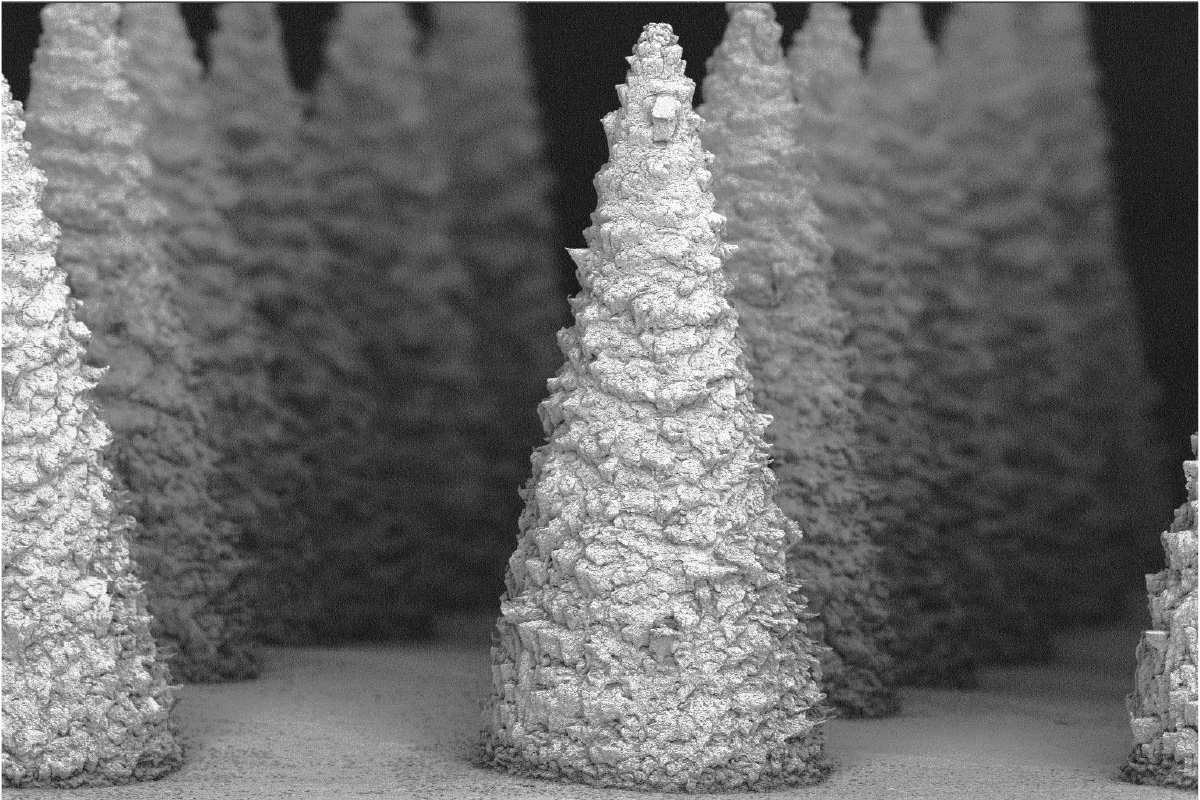
Kidney disease is silent in its early stages, progressing without symptoms until the disease is advanced. Researchers in the McKelvey School of Engineering at Washington University in St. Louis, in collaboration with researchers at WashU Medicine and at Texas A&M University, have been developing a minimally invasive method to improve diagnosis in earlier stages. New research from the lab of Srikan
Medical ResearchEnvironment & ClimateTechnology & Innovation#Washington University in St. Louis#Newsroom#medical research#clinical research#climate#decarbonization#advanced materials#innovation
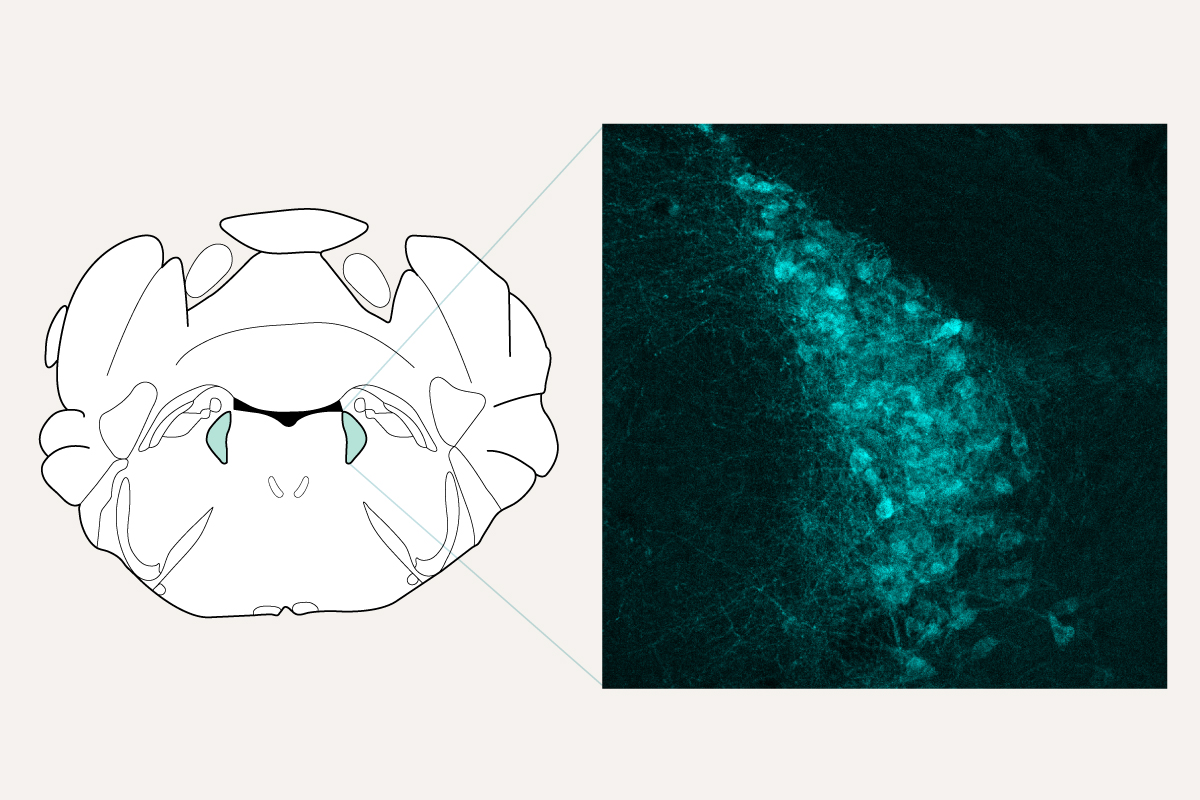
Deep at the base of the brain, a tiny cluster of nerve cells serves as the body’s natural pain reliever, dialing down pain signals traveling up the spinal cord. But nerve damage can flip this system into a hyperactive engine for chronic pain. Now, researchers at Washington University School of Medicine in St. Louis have figured out why that switch flips and how to shut it off. They identified, in
Medical ResearchLife SciencesNeuroscience & Memory#Washington University in St. Louis#Newsroom#medical research#clinical research#genomics#biology