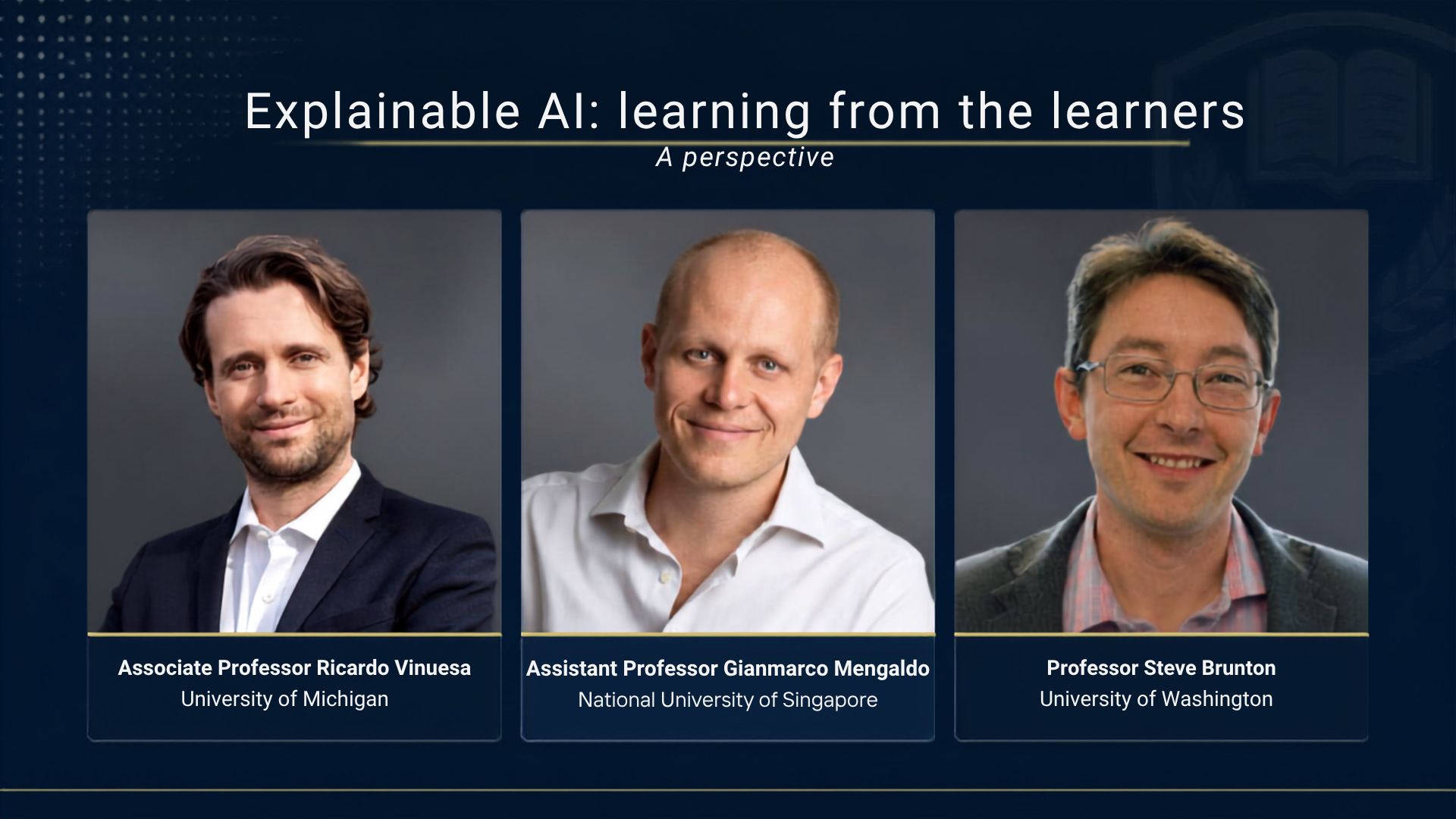
Artificial intelligence (AI) may have more to offer science than accurate predictions. The patterns it learns could point researchers towards new, testable explanations of how complex systems function. A new Perspective co-authored by Assistant Professor Gianmarco Mengaldo from the Department of Mechanical Engineering under the College of Design and Engineering at the National University of Singap
Environment & Climate#National University of Singapore#CDE Research News#Cde News#Research Impact#climate#decarbonization
Environment & ClimateNational University of Singapore
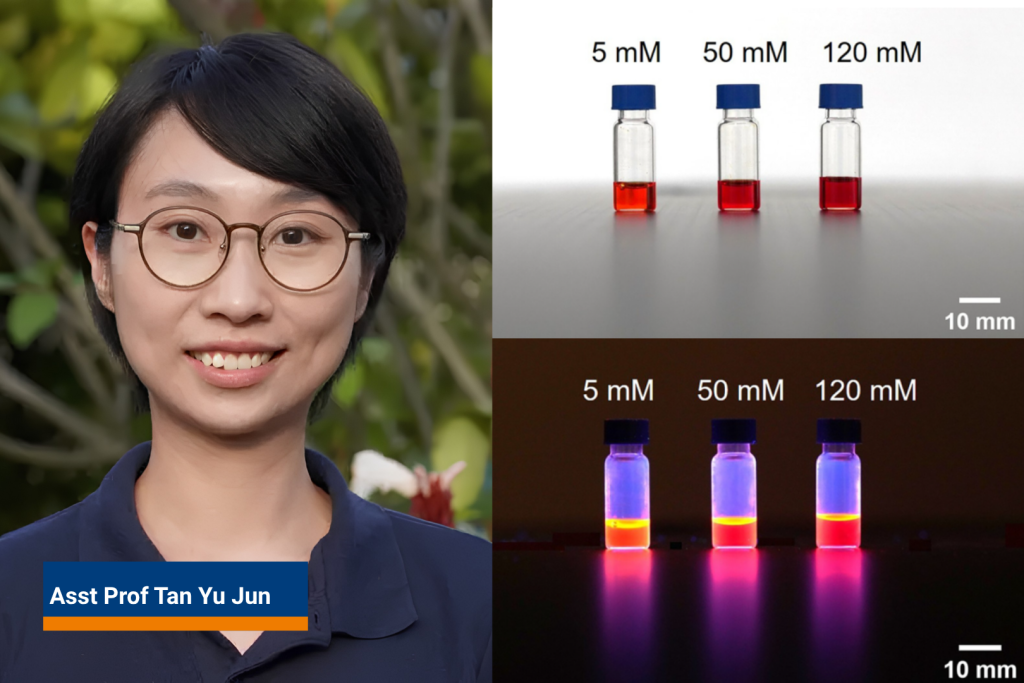
Asst Prof Tan Yu Jun, and her team's research on a new electrolyte paired with a redesigned electrode architecture triples the brightness of electrochemiluminescent devices. UBECL solutions are shown under ambient light (upper figure) and under UV irradiation (λ = 365 nm, lower figure). From a skin patch that changes colour to flag abnormal blood sugar, to a diver’s sleeve display that stays reada
Environment & Climate#National University of Singapore#CDE Research News#Cde News#Research Impact#climate#decarbonization
Environment & ClimateNational University of Singapore
Prof Heng Chye Kiang (7th from the right), Dr Xue Xuan, first author of the paper (8th from right), and Prof TC Chang, fourth author of the paper (9th from right) at a presentation of their research. Researchers from the National University of Singapore (NUS) College of Design and Engineering (CDE), led by Professor Heng Chye Kiang ( Department of Architecture ), have developed a computational fra
Environment & Climate#National University of Singapore#CDE Research News#Cde News#Research Impact#climate#decarbonization
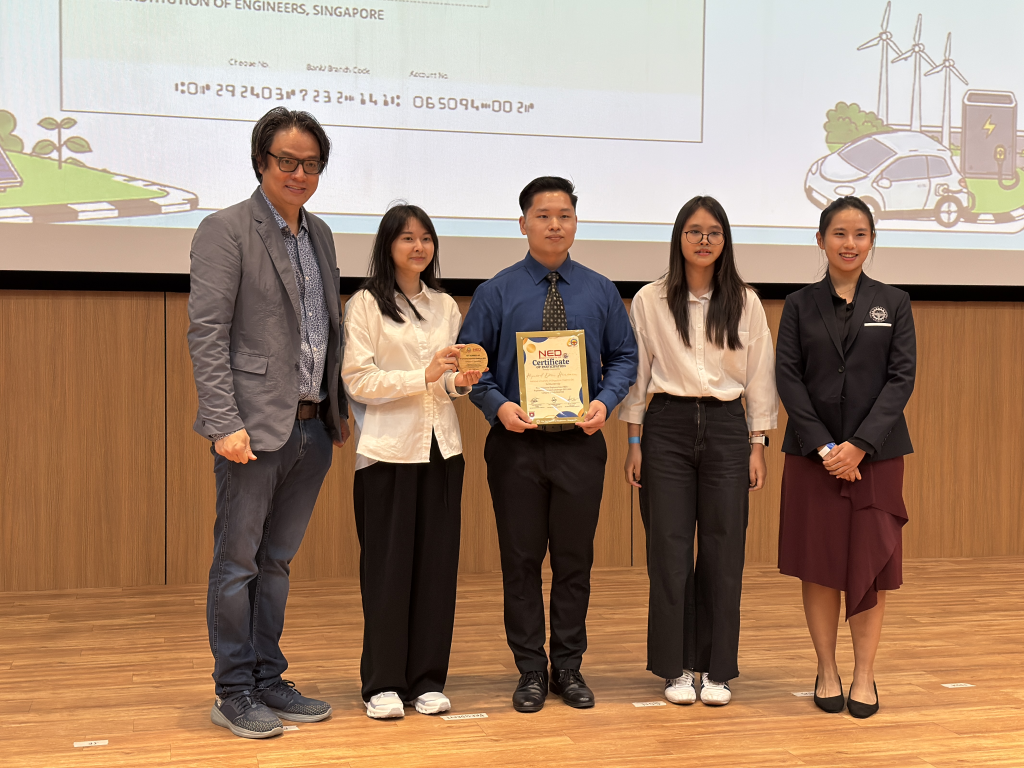
As part of National Engineers Day (NED) 2026, student innovators from CDE put their ideas to the test at the Engineering Innovation Challenge (EIC), a national platform that encourages students to apply engineering knowledge to real-world problems. Held on 14 August, NED brought together engineers, educators, students and industry professionals to celebrate the role of engineering in shaping Singa
Medical ResearchEnvironment & Climate#National University of Singapore#CDE Research News#Cde News#Research Impact#medical research#clinical research#climate#decarbonization
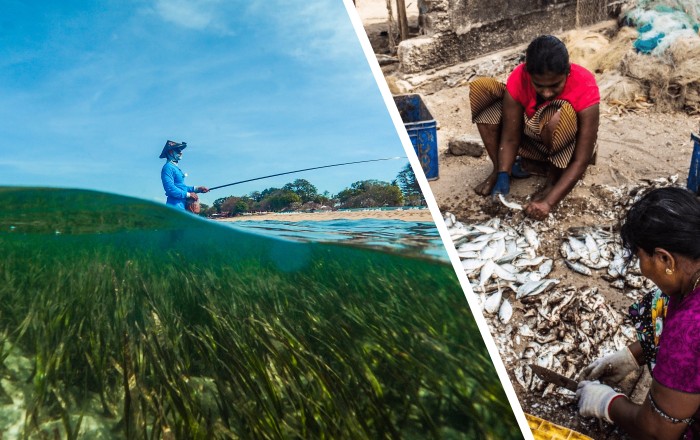
The research found that at least 18 million people living in poverty fish in seagrass meadows across the Indo-Pacific. Of these, around 6.5 million are entirely dependent on the habitat for both food and fishing-related income. The study also revealed that households living in extreme poverty were significantly more likely to rely on seagrass meadows for all their fishing activities. Seagrass-depe
A study has found that young chimpanzees develop distinct population-specific vocal patterns as they mature (ontogeny), challenging the long-held assumption that their calls are inflexible and determined solely by genetics. Led by Doctoral researcher Kassandra Giragosian from the School of Biological and Behavioural Sciences at Queen Mary University of London, in collaboration with the University
Environment & Climate#Queen Mary University of London#QMUL Latest News#Science And Engineering#climate#decarbonization
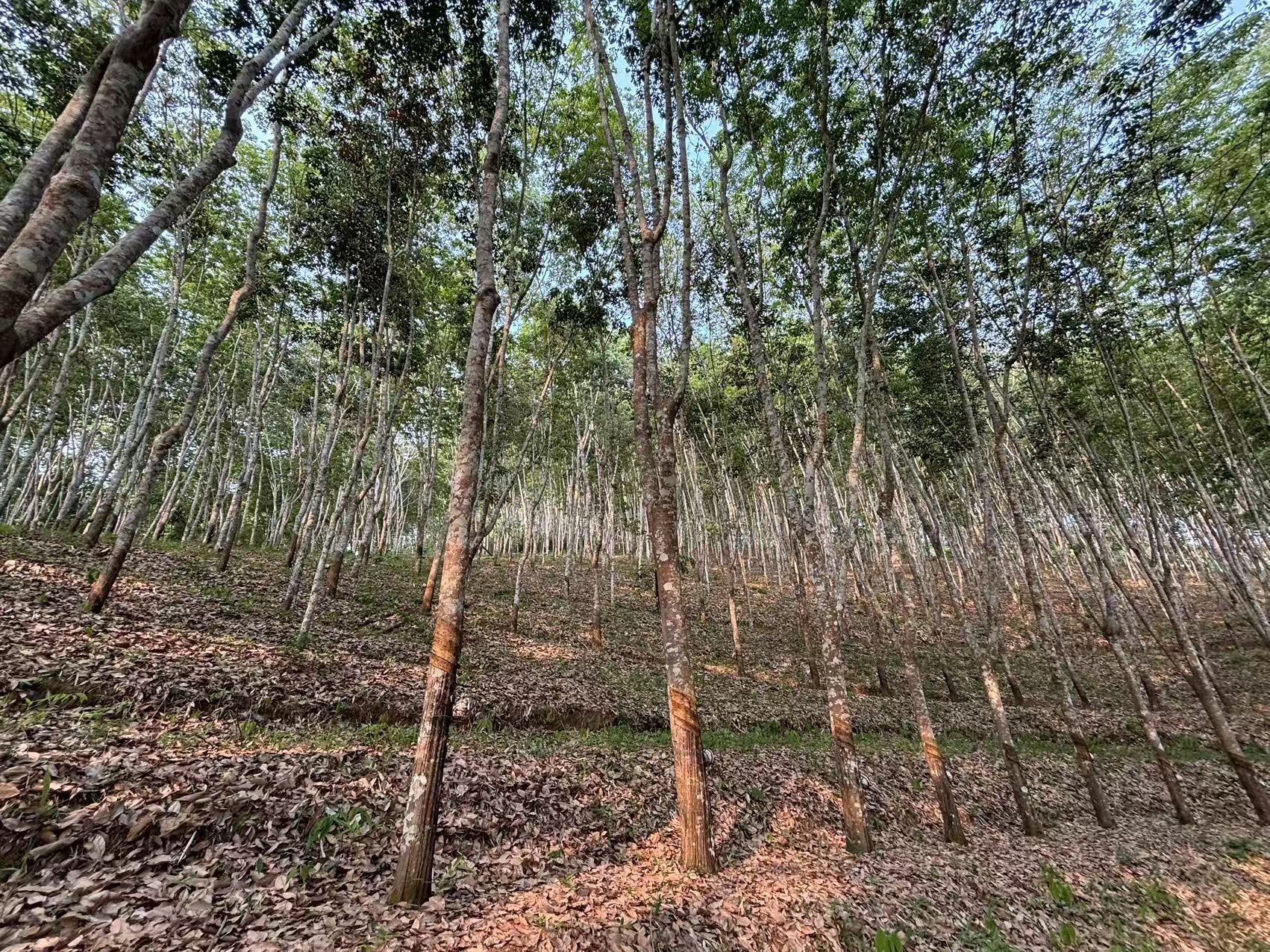
Soil organic carbon dynamics are a key indicator for assessing the success of ecosystem restoration. According to a new study by researchers from the Xishuangbanna Tropical Botanical Garden (XTBG) of the Chinese Academy of Sciences, soil microorganisms play a critical role in regulating carbon storage in tropical ecosystems undergoing recovery. The study, published in Catena on August 27, showed t
Life SciencesEnvironment & ClimateCarbon Neutrality#Chinese Academy of Sciences#Research News#Carbon Neutrality#genomics#biology#climate#decarbonization
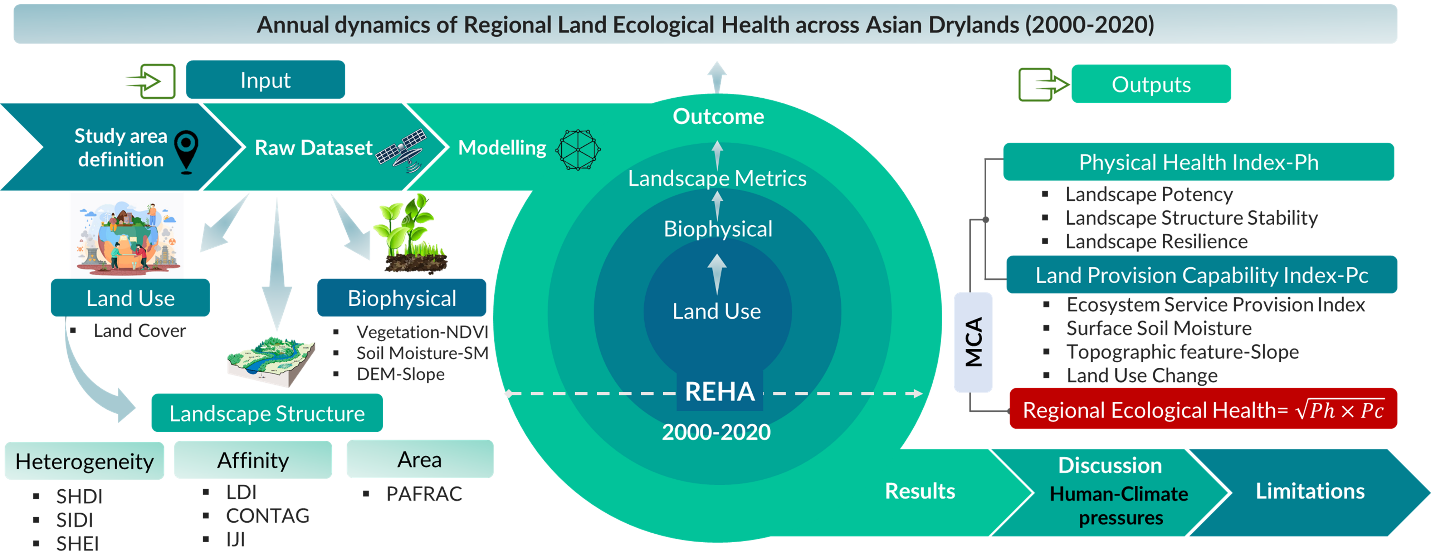
A research team from the Xinjiang Institute of Ecology and Geography (XIEG) of the Chinese Academy of Sciences (CAS) has proposed a new ecosystem health framework to track long-term, consistent ecological changes across Asian drylands. Based on the framework, the team found that ecosystem health across Asian drylands declined steadily until 2012, then partially recovered after 2014. Central Asia c
Environment & ClimateClimateConservation#Chinese Academy of Sciences#Research News#climate#Conservation#decarbonization
The National Science Foundation renewed its funding for the AI-powered Earth system modeling center LEAP , aimed at improving Earth system projections through…
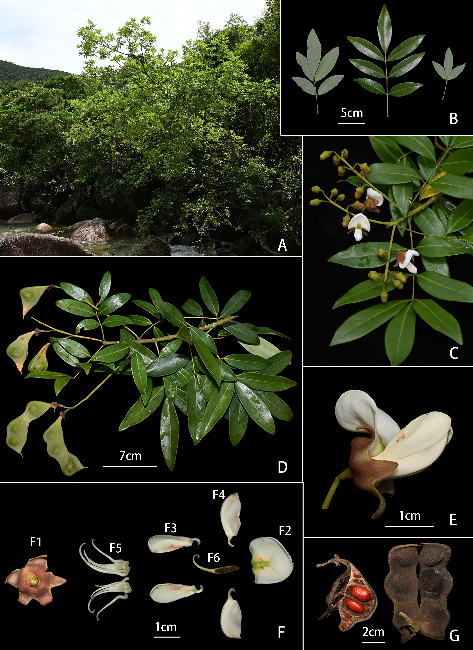
"Red berries grow in southern land, how many spring branches hold?" The red beans described by WANG Wei (701–761) in his poem have evoked the longing of the Chinese people for thousands of years. Today, right in the "southern land" mentioned in the poem—the Guangdong-Hong Kong-Macao Greater Bay Area—a research team has unveiled the identity of two new species of this very genus. Recently, a team l
Environment & Climate#Chinese Academy of Sciences#Research News#climate#decarbonization
Plastic waste is one of the world's fastest-growing environmental problems. According to the Organisation for Economic Co-operation and Development's Global Plastics Outlook: Policy Scenarios to 2060 report, global plastic use is projected to nearly triple from 460 million metric tons in 2019 to 1.2 billion metric tons by 2060, if current trends continue. Our current approaches are struggling to k
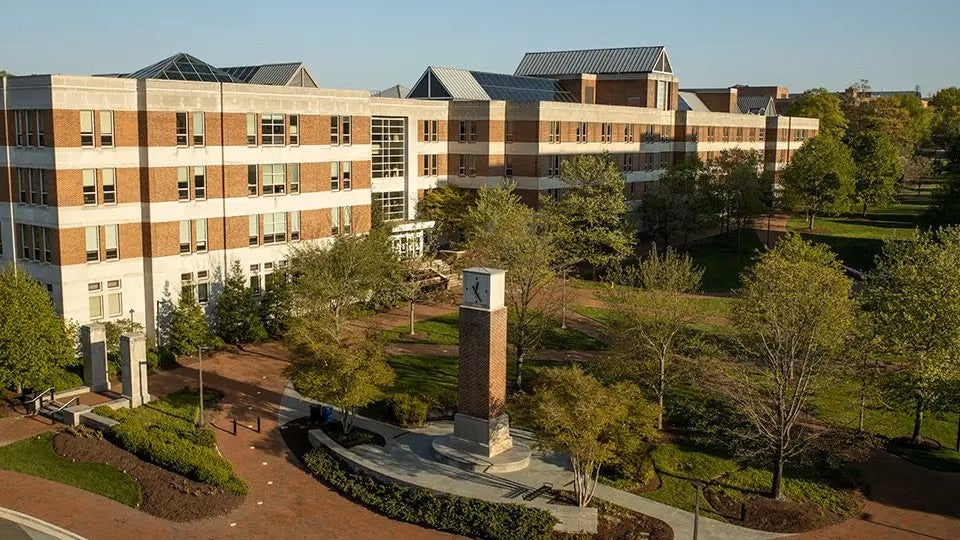
The University of Maryland’s Robert H. Smith School of Business will launch an accelerated one‑year, Full‑Time MBA program beginning in summer 2027, alongside Smith’s existing two‑year MBA, as a faster, high‑ROI pathway for early‑career professionals seeking career acceleration, AI fluency and real‑world leadership experience.
Environment & ClimateBusiness#University of Maryland Robert H. Smith School of Business#Rosellina Ferraro#Prabhudev Konana#Full-Time MBA#[email protected]#climate#decarbonization
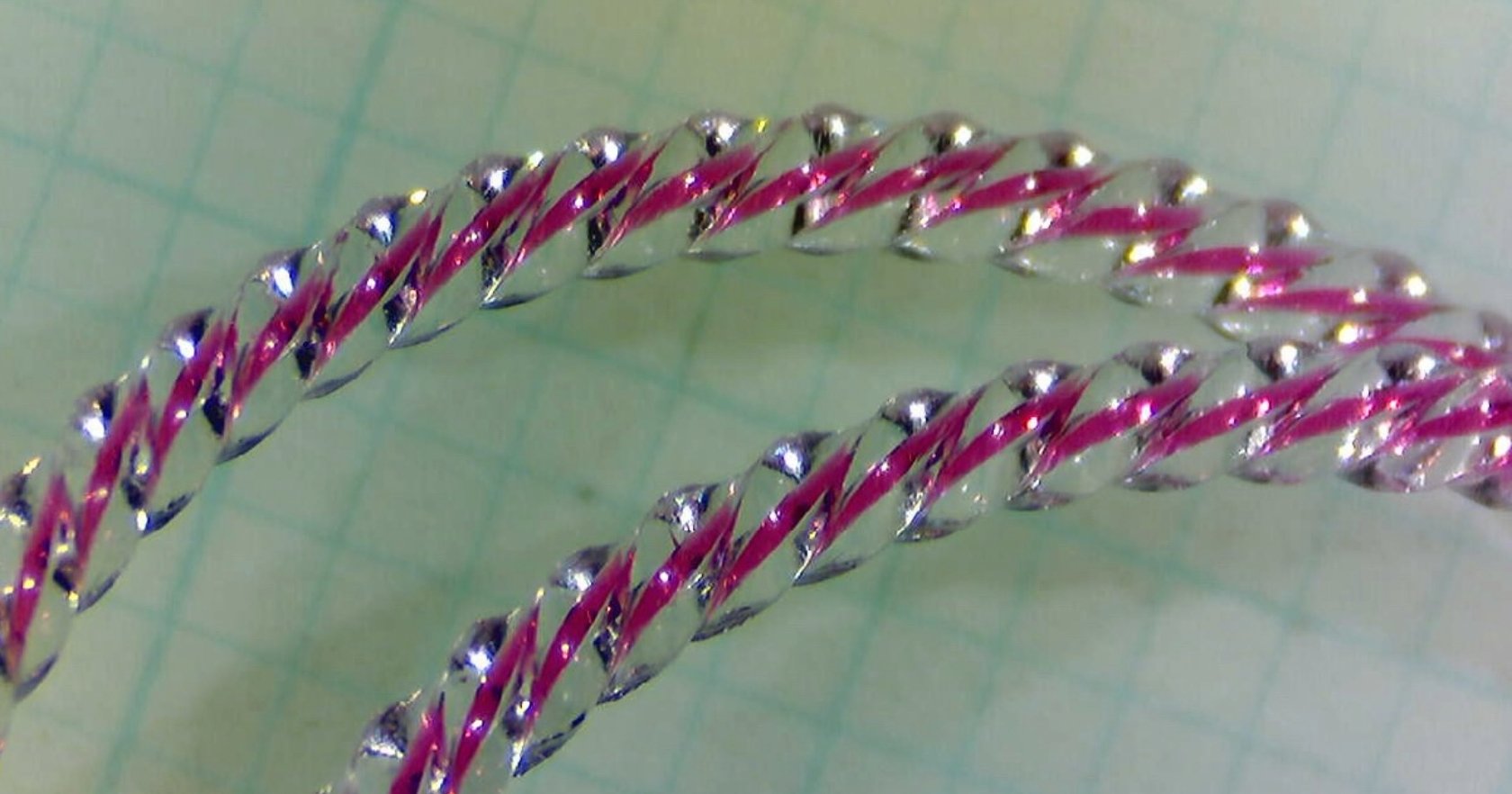
"Micromixer" might just sound like a fancy name for a tiny blender, but mixing liquids at the microliter scale is no simple task. Micromixers are essential components of microfluidic devices that are widely used across the pharmaceutical, life sciences, chemistry, and materials engineering industries, where they rapidly and evenly combine tiny amounts of reagents. Three-dimensional (3D) microchann
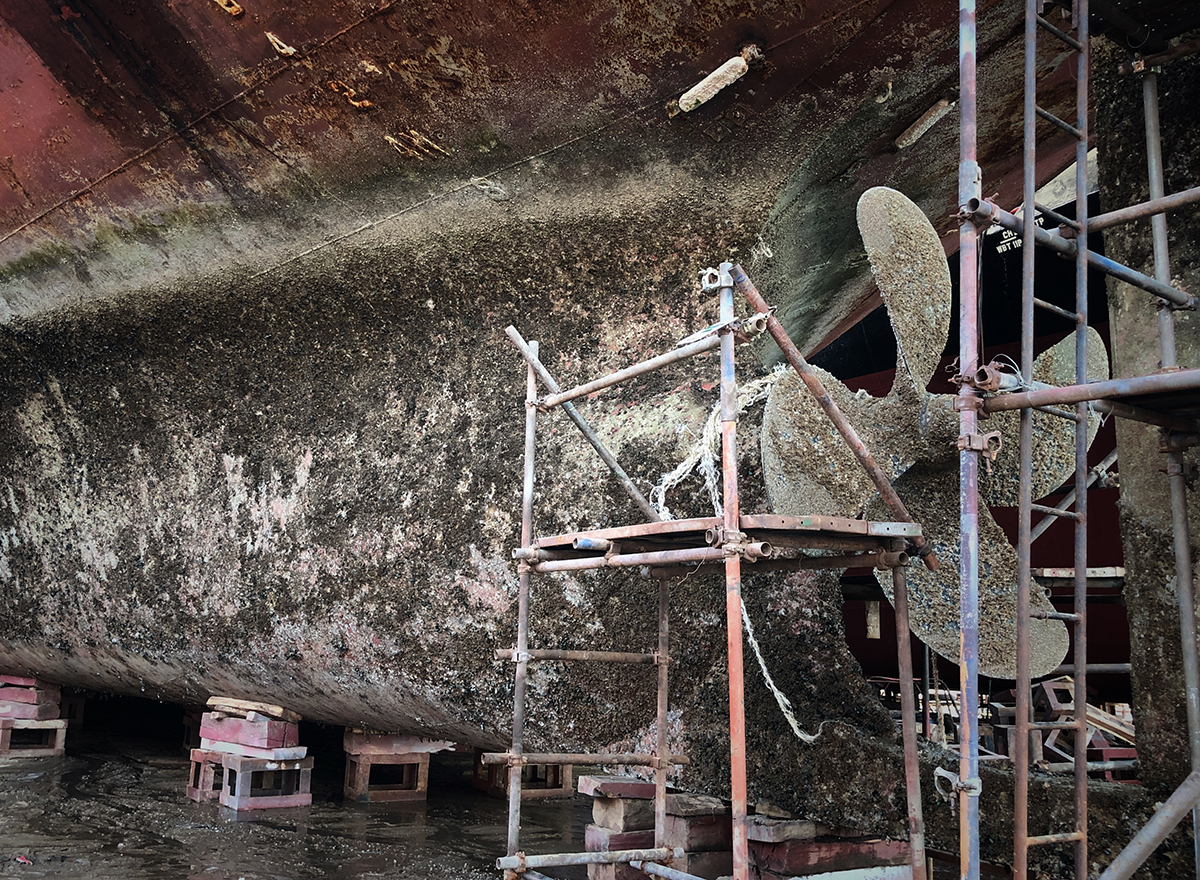
Imagine swimming in open water and feeling slime brush against your leg. Most people might shake it off without a second thought. But what if the surface of a boat could do the same? Researchers from Washington University in St. Louis’ McKelvey School of Engineering are about to find out, thanks to a $750,000 grant from the U.S. Department of Defense to develop materials that incorporate soft robo
Environment & ClimateTechnology & InnovationEngineering#Washington University in St. Louis#Newsroom#climate#decarbonization#advanced materials#innovation
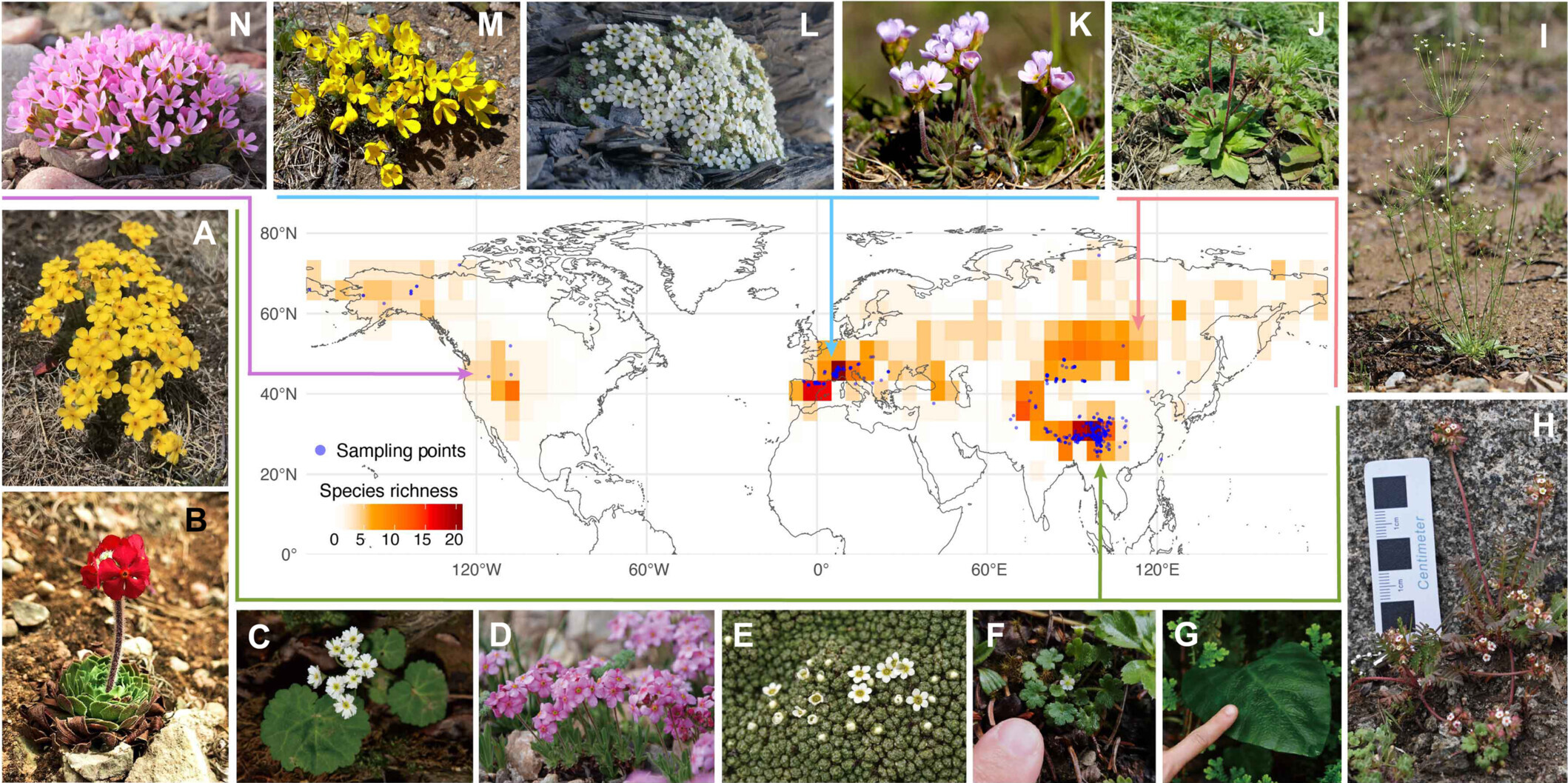
The genus Androsace is widely distributed across the temperate regions of the Northern Hemisphere, with notable diversity in the Alps and the Hengduan–Himalaya regions. Previous phylogenetic studies have advanced the understanding of Androsace 's evolutionary history, but its biogeographic origins and diversification history remain unresolved due to limited species sampling and low statistical sup
Environment & ClimateBiodiversity#Chinese Academy of Sciences#Research News#biodiversity#climate#decarbonization
The U.S. has officially declared a drought disaster for parts of Puerto Rico, where more than 180,000 residents have been rationing water since Aug. 7 due to draught and infrastructure problems. University of Michigan experts are available to discuss a variety of issues related to this crisis.
Environment & Climate#University of Michigan#Advisories#News Releases#puerto rico#Water#Michigan News#climate#decarbonization
Environment & ClimateUniversity of Maryland Robert H. Smith School of Business
The University of Maryland’s Robert H. Smith School of Business has named John Stewart as Director and Executive-in-Residence for the Smith Enterprise Risk Consortium (SERC), the school’s applied risk‑management hub connecting academic expertise with industry practice.
Environment & ClimateBusiness#University of Maryland Robert H. Smith School of Business#John Stewart#Prabhudev Konana#William Longbrake#Smith Enterprise Risk Consortium#[email protected]#climate#decarbonization
Ruminant livestock production, a major anthropogenic source of methane (CH 4 ) emissions, has become a central focus in global climate mitigation and sustainable agricultural development. In a study published in The ISME Journal , a team of researchers led by Prof. WANG Min from the Institute of Subtropical Agriculture of the Chinese Academy of Sciences revealed the mechanism by which 1,3-propaned
Environment & ClimatePollutantsSustainable Development#Chinese Academy of Sciences#Research News#Pollutants#Sustainable Development#climate#decarbonization
In a study published in Journal of Geophysical Research: Biogeosciences , a team l ed by Prof. WANG Yufei from the Institute of Botany of the Chinese Academy of Sciences, along with the collaborator from Austria, revealed that the global grassland coverage will likely increase at the end of this century. Researchers created a data set containing 16,372 records with both characteristic variables, i
Environment & ClimateSustainable Development#Chinese Academy of Sciences#Research News#Sustainable Development#climate#decarbonization
Graphene is an exceptionally useful material for creating batteries, catalysts, and electronic devices. Yet producing graphene typically requires temperatures as high as 900°C, limiting energy efficiency and making structural control difficult. To make graphene production more practical, a recent study has overcome this long-standing temperature barrier. In a study published in the Journal of the
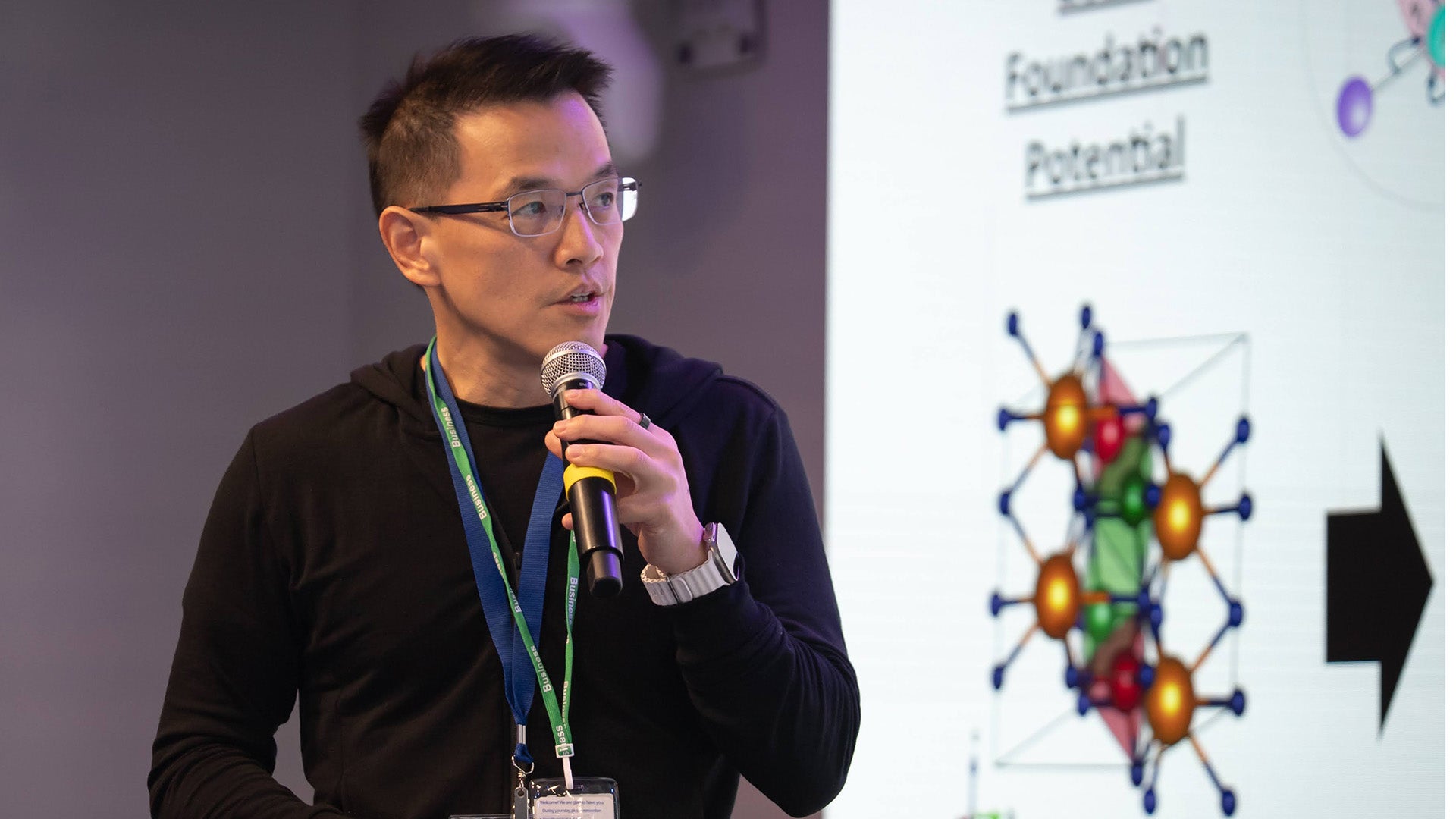
Prof Ong hopes the AI Foundry can compress discovery cycles for new materials from months or years to weeks. Professor Shyue Ping Ong wants AI to do more than predict whether a material might work. His vision is a discovery system that can propose new materials for a specific purpose, identify the most useful experiments to run, learn from every result and help scientists understand why a material
Fusion EnergyTechnology & Innovation#National University of Singapore#CDE Research News#Cde News#Research Impact#fusion#plasma physics#advanced materials#innovation
Environment & ClimateQueen Mary University of London
The four projects, funded by the Leverhulme Trust and Wellcome , span all areas of the University and cover topics ranging from healthcare and artificial intelligence to waste management, pollution and sustainable technology. Funded by the Leverhulme Trust, the first of these DTPS will train the next generation of researchers to tackle the global waste crisis through interdisciplinary research and
Medical ResearchEnvironment & ClimateTechnology & Innovation#Queen Mary University of London#QMUL Latest News#Humanities And Social Sciences#medical research#clinical research#climate#decarbonization#advanced materials
Environment & ClimateWashington University in St. Louis
Machine learning doesn’t replace human intelligence, but it can outlast human endurance, which makes it a very helpful tool for chemistry and material discovery. Scientists know the machine learning models can make predictions based on the vast reams of data it is trained on, but can it take it a step further and massively scale up testing out those predictions? “We already see that AI is powerful
Environment & ClimateTechnology & InnovationData & Computer Science#Washington University in St. Louis#Newsroom#climate#decarbonization#advanced materials#innovation