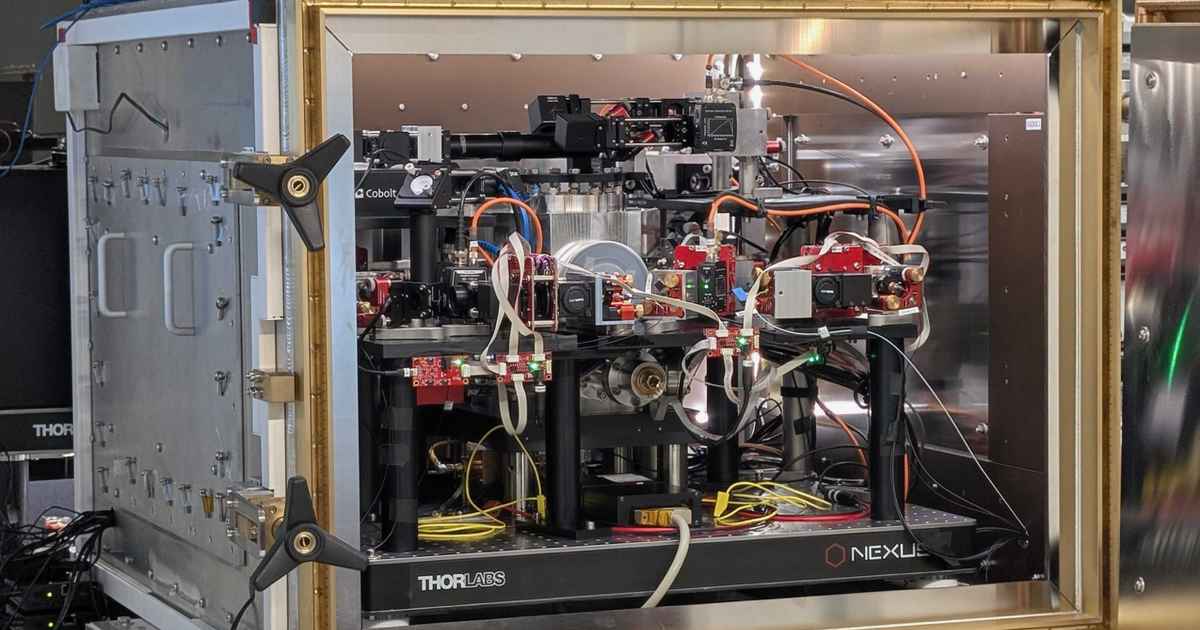
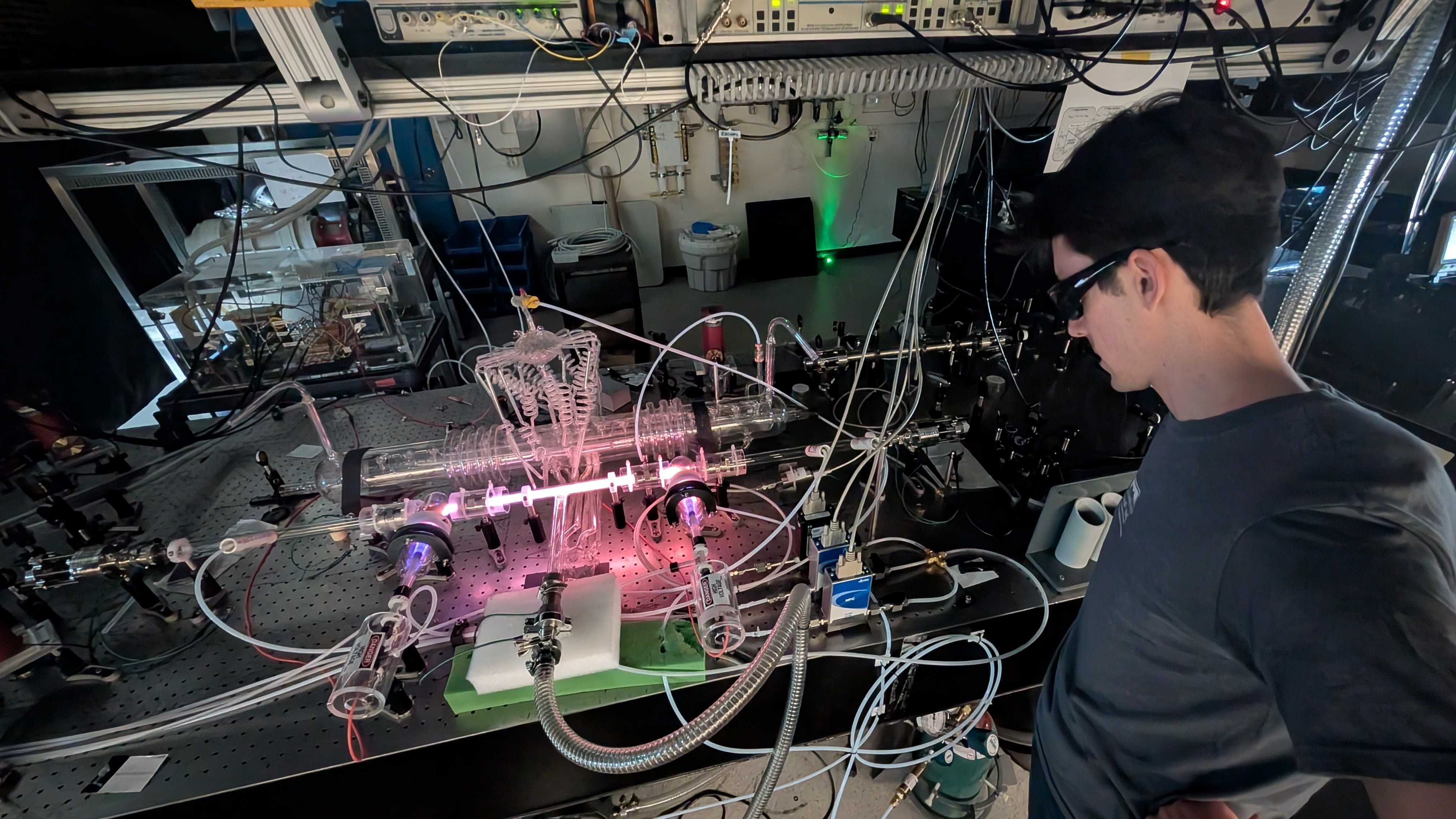
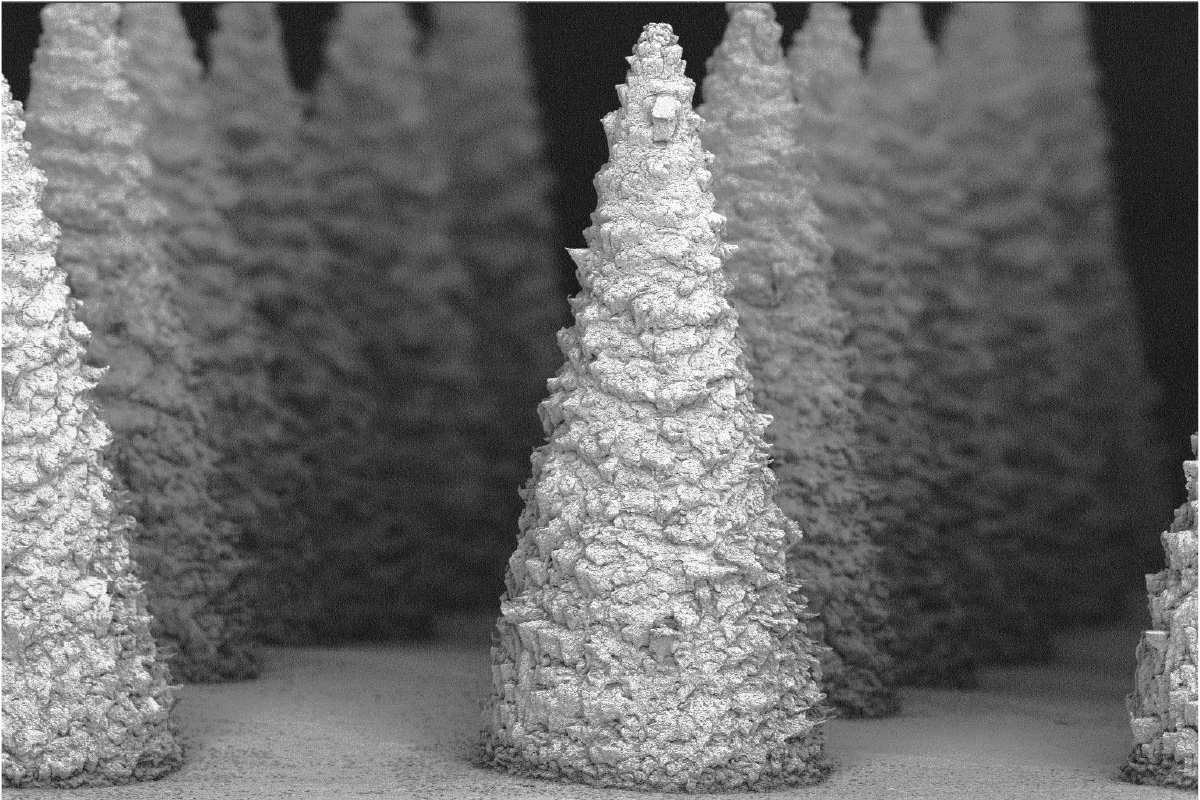
Until now there was an upper limit to the energy produced by atoms irradiated with laser light. Now UC San Diego researchers have crossed the threshold using helium atoms and intense UV lasers.
ResearchTechnology & Innovation#University of California San Diego#UC San Diego#UCSD Today#advanced materials#innovation
On August 4, Chancellor Khosla testified before California’s Select Committee on Native American Affairs and Joint Legislative Audit Committee alongside representatives from the University of California.
Research#University of California San Diego#UC San Diego#UCSD Today
Dr. Sam Ward is currently transitioning away from his role as vice dean for research in the School of Medicine and is a professor in the Departments of Orthopaedic Surgery and Radiology in the School of Medicine and Bioengineering in the Jacobs School of Engineering.
ResearchMedical Research#University of California San Diego#UC San Diego#UCSD Today#medical research#clinical research
David and Claire Guggenheim have donated $2 million to the University of California San Diego to establish the David and Claire Guggenheim Gallery, a space within the Strauss Family Gallery, an arts destination taking shape in the university’s new Triton Center.
Research#University of California San Diego#UC San Diego#UCSD Today
Scientists have developed a new understanding of how fish interact as they school in groups. Fish were found to copy their neighbors to align their movements within schools. The discovery opens a door to examining how the brains of individuals interact to produce group-level collective behavior.
Research#University of California San Diego#UC San Diego#UCSD Today
UC San Diego study links higher Valley fever rates to some natural landscapes and agricultural land uses, raising concerns as drought and water regulations lead to more farmland being left uncultivated across the state.
ResearchMedical Research#University of California San Diego#UC San Diego#UCSD Today#medical research#clinical research
The San Diego Supercomputer Center will serve as the testing ground for a new $8.48 million project that could transform how AI data centers receive and manage electricity while helping prevent them from overwhelming California's power grid.
ResearchEnvironment & ClimateEnergy Infrastructure#University of California San Diego#UC San Diego#UCSD Today#climate#decarbonization#grid#energy security
Physicists from the University of Amsterdam have teamed up with colleagues from Zürich to experimentally verify a curious phenomenon that had already been predicted by theory: an atomic-scale effect similar to how a football curves when kicked with spin. The results were published in the journal Physical Review Letters earlier this month.
Technology & Innovation#University of Amsterdam#advanced materials#innovation
Funding from the National Science Foundation will expand the quantum workforce and advance research projects including more accurate atomic clocks and sensors for early detection of disease.
Medical ResearchTechnology & Innovation#University of Colorado Boulder#CU Boulder#CU Boulder Today#medical research#clinical research#advanced materials#innovation
Understanding and wielding the quantum properties of nature is the ambitious objective of eight research institutes that will collectively receive more than $290 million from the U.S. National Science…
Life SciencesTechnology & Innovation#U.S. National Science Foundation#genomics#biology#advanced materials#innovation
A quantum particle that crosses a ‘duality defect’ – a boundary between order and disorder – is never reflected. It always passes through, but it comes out changed: not a particle, but a spread-out, thread-like excitation that researchers compare to a wisp of fog.
Technology & Innovation#University of Cambridge#Sarah Collins#Quantum#magnetism#Quantum physics#advanced materials#innovation
Kidney disease is silent in its early stages, progressing without symptoms until the disease is advanced. Researchers in the McKelvey School of Engineering at Washington University in St. Louis, in collaboration with researchers at WashU Medicine and at Texas A&M University, have been developing a minimally invasive method to improve diagnosis in earlier stages. New research from the lab of Srikan
Medical ResearchEnvironment & ClimateTechnology & Innovation#Washington University in St. Louis#Newsroom#medical research#clinical research#climate#decarbonization#advanced materials#innovation