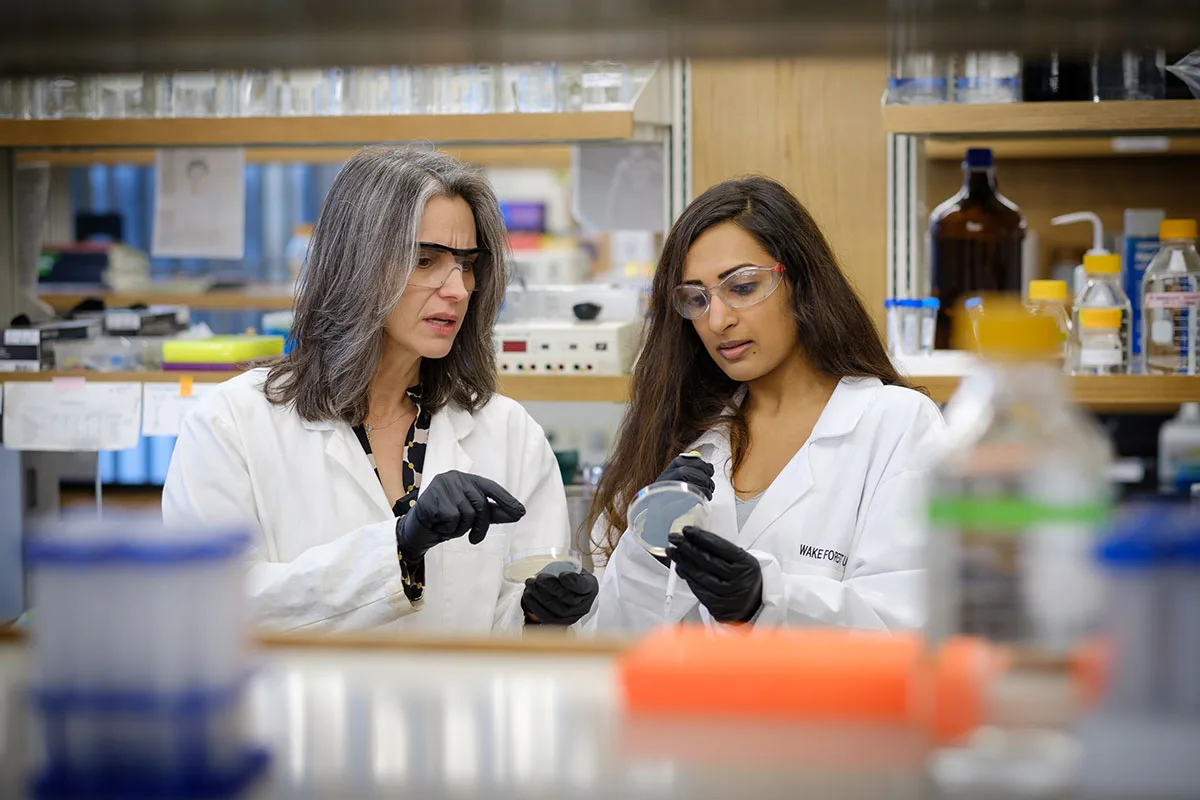
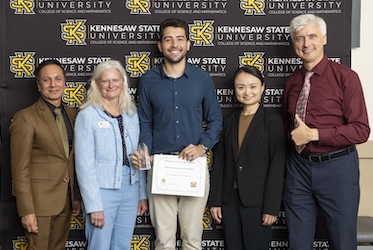
In her new leadership role, Chiappinelli will build cancer research programs while continuing her work on how ancient viral DNA can trigger anti-tumor immune responses.
Medical ResearchLife Sciences#George Washington University#Research News#SMHS#medical research#clinical research#genomics#biology
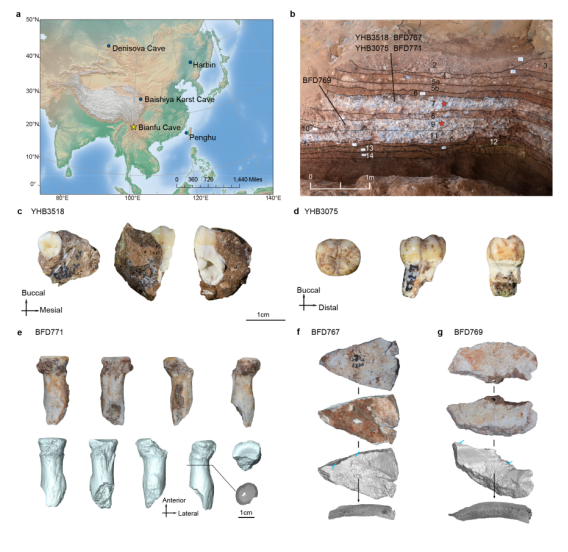
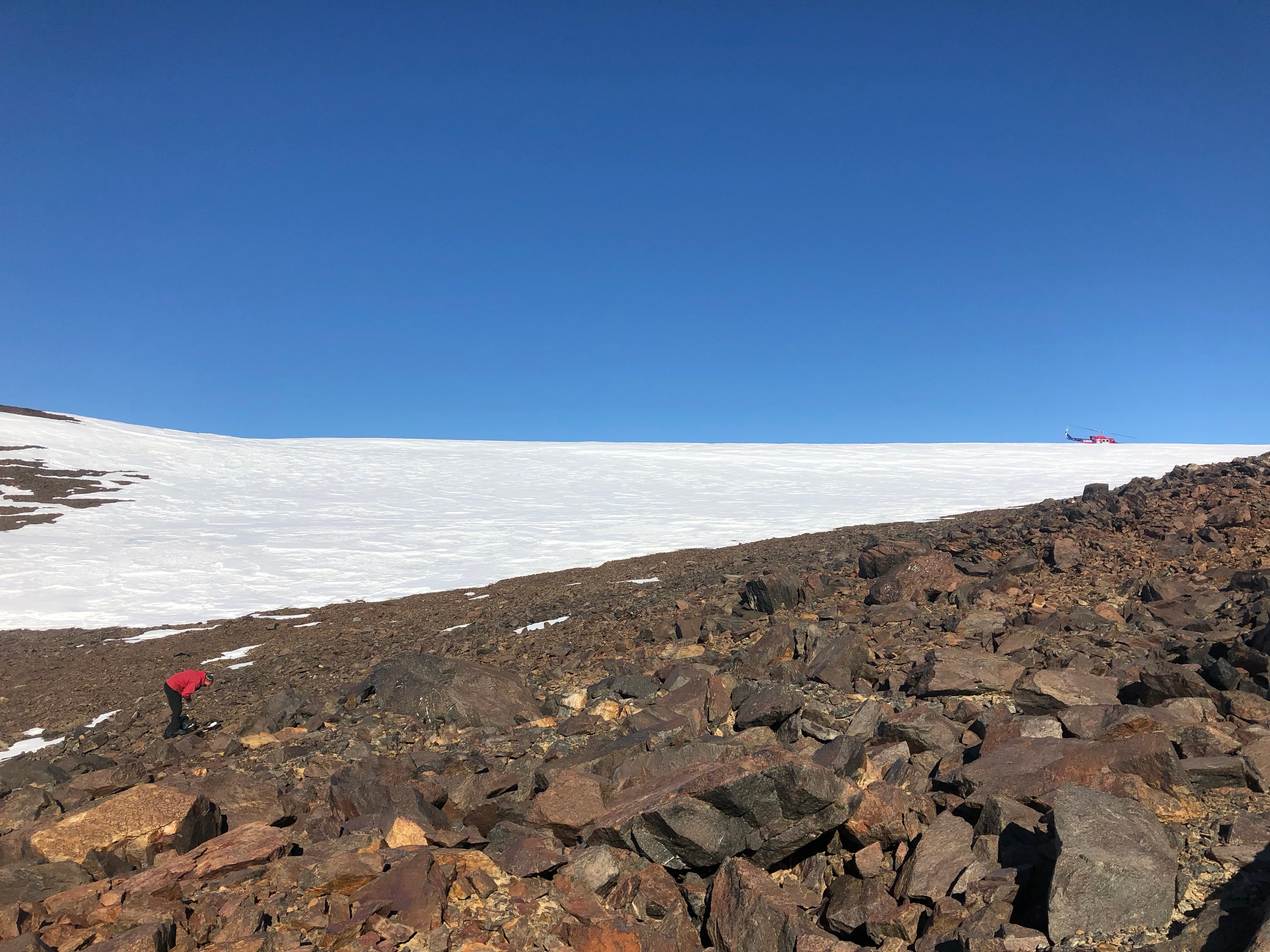
Scientists recently discovered various Denisovan remains in Southwest China dating back to the late Middle Pleistocene, including the first Denisovan radius—one of two long bones in the forearm. Denisovans are a genetically identified archaic hominin group believed to have been widely distributed across Asia. However, due to the limited number of fossil remains, especially postcranial bones—those
Life SciencesEnvironment & ClimatePaleontology#Chinese Academy of Sciences#Research News#paleontology#genomics#biology#climate#decarbonization
Understanding how domestication reshapes brain structure and function remains a fundamental question in evolutionary biology. The hippocampus is a key brain region involved in memory and stress regulation, and it has been thought to undergo "simplification" during domestication. However, the cellular mechanisms underlying these changes remain poorly understood. In a study published in PNAS on Sept
Life SciencesEvolution#Chinese Academy of Sciences#Research News#Evolution#genomics#biology
A University of Minnesota-led multi-institutional research team has discovered a highly potent small molecule that blocks Ebola virus entry by stabilizing the virus's entry protein and provides strong protection when given orally in a preclinical model.
Medical ResearchLife SciencesResearch#University of Minnesota Medical School#UMN Medical School#research#medical research#clinical research#genomics#biology
Scientists have recently found that a long‑term dominant diatom in China's South-to-North Water Diversion Project maintains its edge through a mutually reinforced cycle with bacteria , whereas a short‑term dominant species lacks such a close partnership and is far less resilient . The study, led by researchers from the Institute of Hydrobiology (IHB) of the Chinese Academy of Sciences, was publish
Life SciencesEnvironment & ClimateBiodiversity#Chinese Academy of Sciences#Research News#biodiversity#genomics#biology#climate#decarbonization
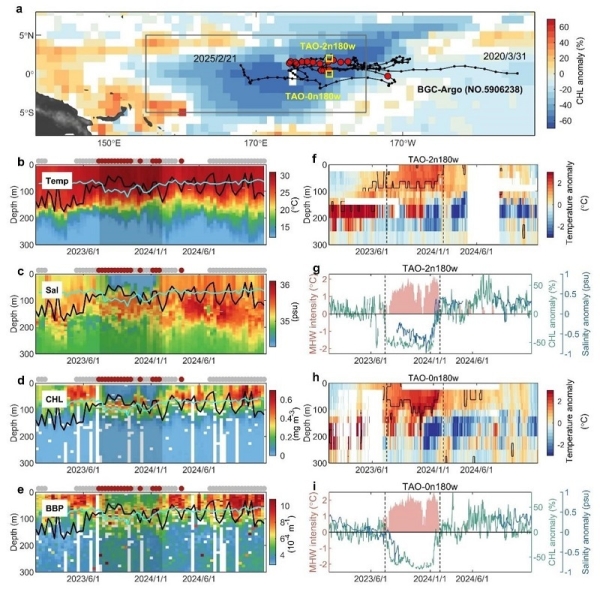
Marine heat waves are extreme high temperature events in which sea surface temperatures are abnormally warm and last for days to months. Global warming is making such events more frequent and more intense, with impacts throughout the marine food web, from phytoplankton to top predators. As the basis of the marine food web, phytoplankton supports most of the ocean's primary productivity through photosynthesis, and its changes will affect fishery resources and ocean carbon sinks through cascade effects. The western and central equatorial Pacific has previously been considered to be slightly affected by marine heat waves. The average annual heat wave days in this area are only 22, and the average intensity is only 1.2°C, which is far lower than most sea areas in the world, so it is regarded as a "safe haven" for marine heat waves.
Life Sciences#Chinese Academy of Sciences#科研进展#CAS#genomics#biology
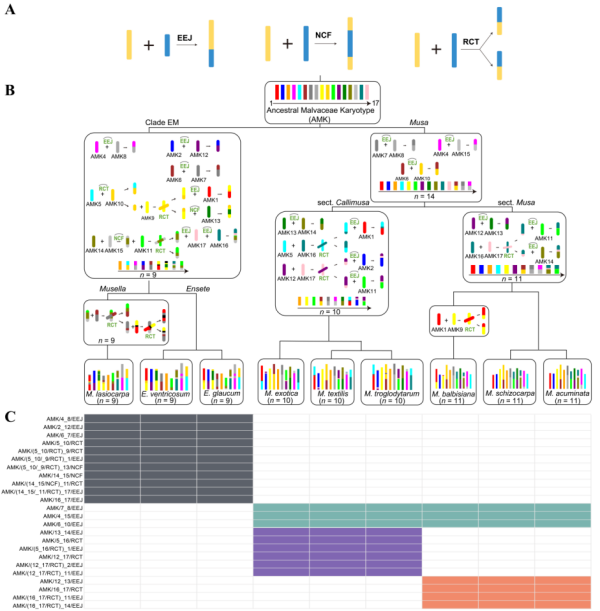
Modern main banana varieties are highly dependent on vegetative reproduction and have problems such as narrow genetic base and low genetic diversity. There are about 80 species in the Musa family. Different groups show diversity in chromosome base numbers (such as n =11, 10 and 9) and bud color and other traits. They are an ideal group for studying the evolution of plant chromosome structures and the differentiation of floral organ traits. However, there has been a long lack of direct evidence at the genomic and cytogenetic level regarding the evolutionary formation mechanism of these different chromosome base numbers and the intrinsic correlation between chromosome structural variation and flower bud color differentiation.
Life Sciences#Chinese Academy of Sciences#科研进展#CAS#genomics#biology
Dr. Teun Munnik has been appointed Professor of Plant Cell Biology at the University of Amsterdam. Munnik is affiliated with the Swammerdam Institute for Life Sciences (SILS) at the Faculty of Science. The appointment came into effect on 1 January 2026. As professor, Munnik will further strengthen research and education in molecular cell biology within the Swammerdam Institute for Life Sciences.
Life SciencesEnvironment & Climate#University of Amsterdam#genomics#biology#climate#decarbonization
The human body is a marvel of remake and renewal. We regularly replace some of our estimated 37 trillion cells – about 300 billion or 1 percent of our cells each day - with healthy substitutes. We remove damaged or aging, senescent cells and cellular debris from our organs and tissues every second of the day. How important is it that cellular waste be properly removed?
Medical ResearchLife SciencesEnvironment & Climate#University of Minnesota Medical School#UMN Medical School#Immunology#medical research#clinical research#genomics#biology#climate
The pigments that give beets their red color may have helped a major group of flowering plants repeatedly adapt to dry environments, setting the stage for the evolution of traits that allowed plants to adapt to some of the harshest environments on Earth, according to a University of Michigan study.
Life Sciences#University of Michigan#Environment#News Releases#biology#Ecology#Michigan News#genomics
An international team co-led by the University of Cambridge has mapped every neuron in the male Drosophila fly’s brain and nerve cord, to produce a wiring map of the 166,700 neurons and the millions of connections between them.
Life Sciences#University of Cambridge#Jacqueline Garget#Neuroscience#animal behaviour#genomics#biology
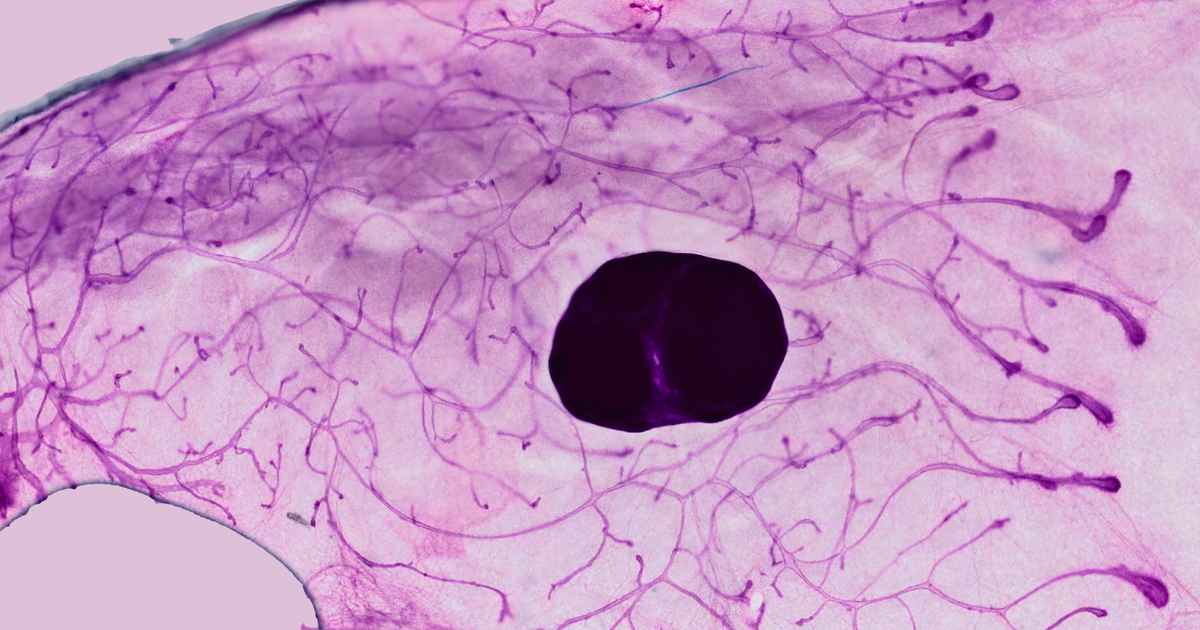
Researchers at the Swammerdam Institute for Life Sciences (SILS) of the Faculty of Science have uncovered how mammary-gland cells decide when to activate Wnt4, a gene with a central role in mammary-gland development. Their findings reveal how distant stretches of non-coding DNA work together in three dimensions to control gene activity.
Medical ResearchLife Sciences#University of Amsterdam#medical research#clinical research#genomics#biology