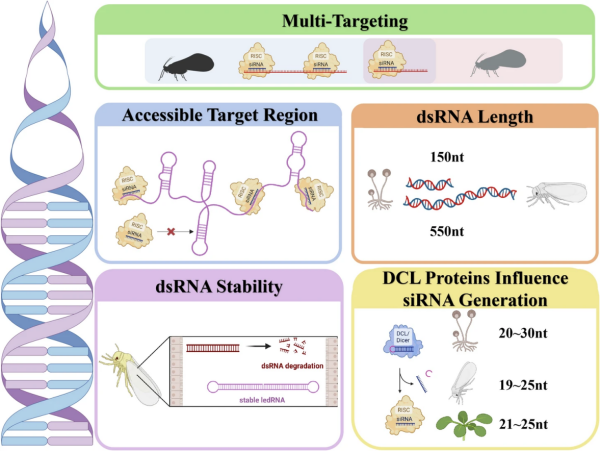
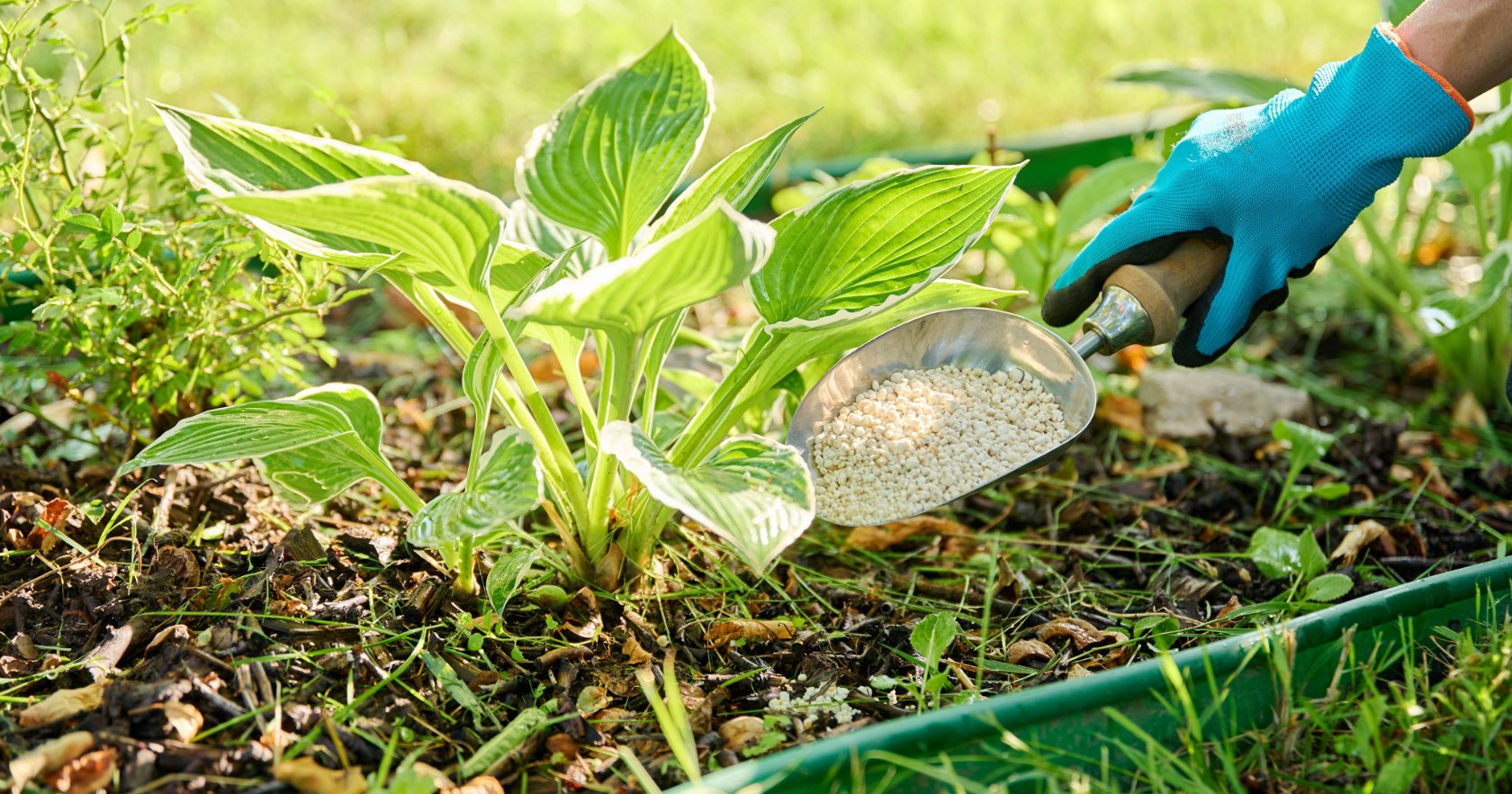
A research team has recently published a systematic reference framework for advancing Spray-Induced Gene Silencing (SIGS) from proof-of-concept toward industrialization. Led by Prof. ZHANG Tao from the Xinjiang Institute of Ecology and Geography (XIEG) of the Chinese Academy of Sciences (CAS), in collaboration with researchers from the Institute of Germplasm Resources and Biotechnology under the T
Life SciencesEnvironment & ClimateBioengineering#Chinese Academy of Sciences#Research News#Bioengineering#genomics#biology#climate#decarbonization
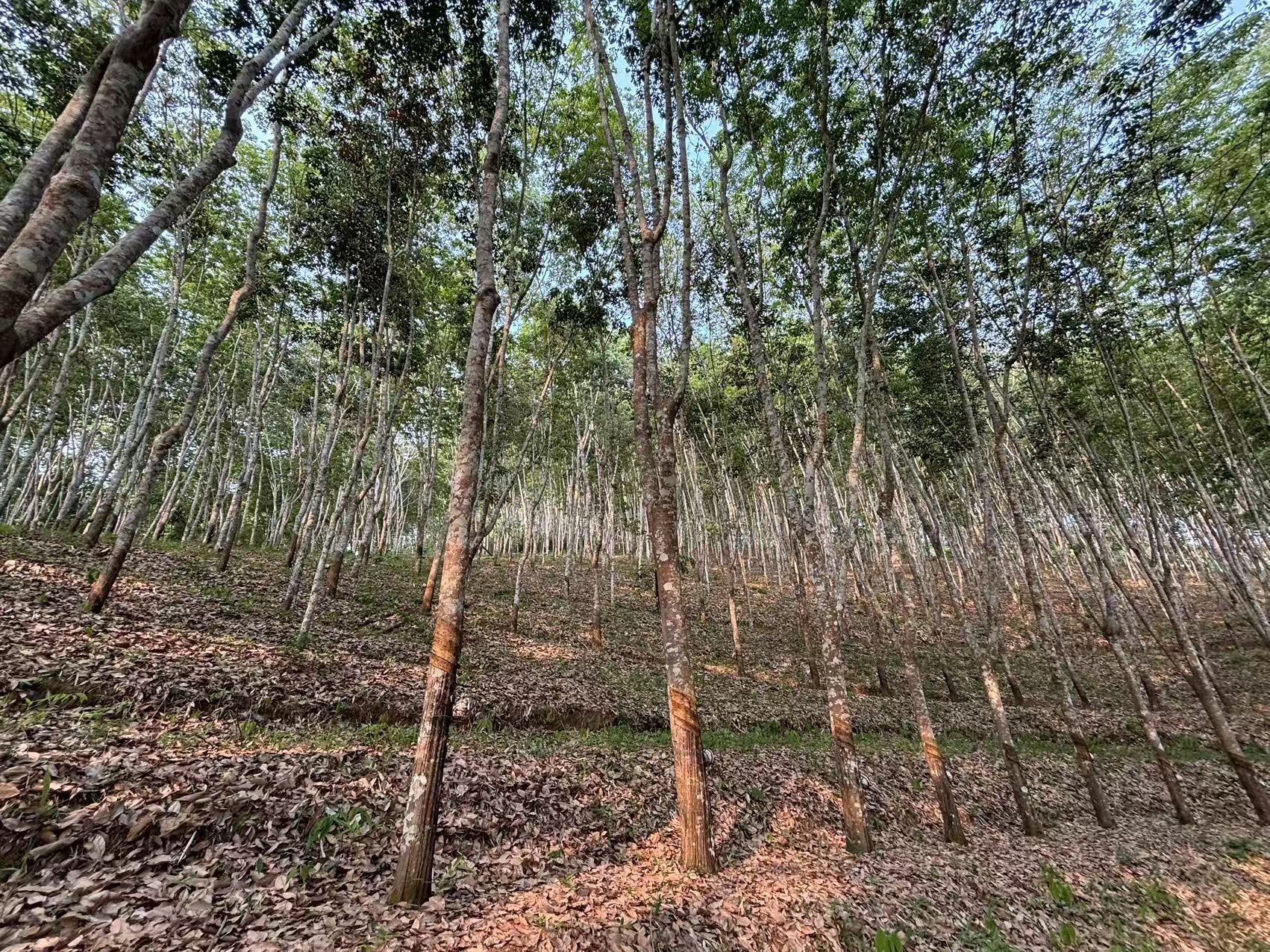
Soil organic carbon dynamics are a key indicator for assessing the success of ecosystem restoration. According to a new study by researchers from the Xishuangbanna Tropical Botanical Garden (XTBG) of the Chinese Academy of Sciences, soil microorganisms play a critical role in regulating carbon storage in tropical ecosystems undergoing recovery. The study, published in Catena on August 27, showed t
Life SciencesEnvironment & ClimateCarbon Neutrality#Chinese Academy of Sciences#Research News#Carbon Neutrality#genomics#biology#climate#decarbonization
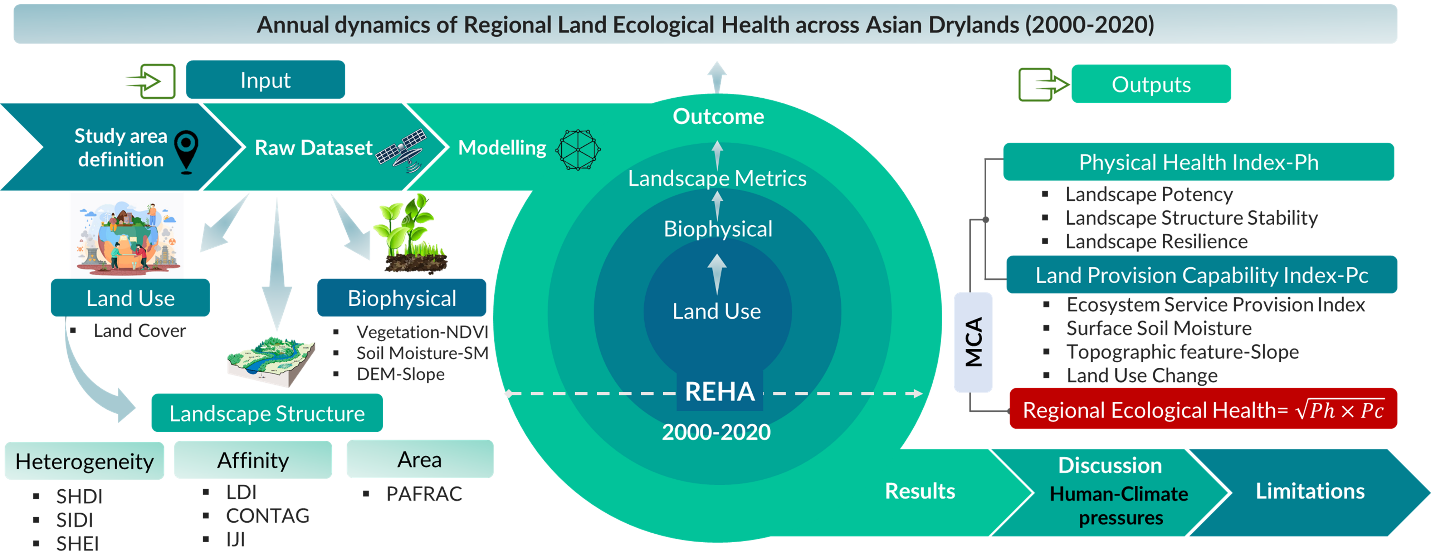
A research team from the Xinjiang Institute of Ecology and Geography (XIEG) of the Chinese Academy of Sciences (CAS) has proposed a new ecosystem health framework to track long-term, consistent ecological changes across Asian drylands. Based on the framework, the team found that ecosystem health across Asian drylands declined steadily until 2012, then partially recovered after 2014. Central Asia c
Environment & ClimateClimateConservation#Chinese Academy of Sciences#Research News#climate#Conservation#decarbonization
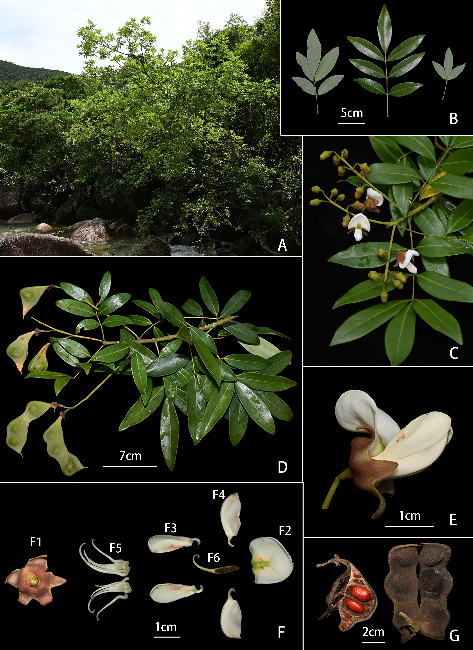
"Red berries grow in southern land, how many spring branches hold?" The red beans described by WANG Wei (701–761) in his poem have evoked the longing of the Chinese people for thousands of years. Today, right in the "southern land" mentioned in the poem—the Guangdong-Hong Kong-Macao Greater Bay Area—a research team has unveiled the identity of two new species of this very genus. Recently, a team l
Environment & Climate#Chinese Academy of Sciences#Research News#climate#decarbonization
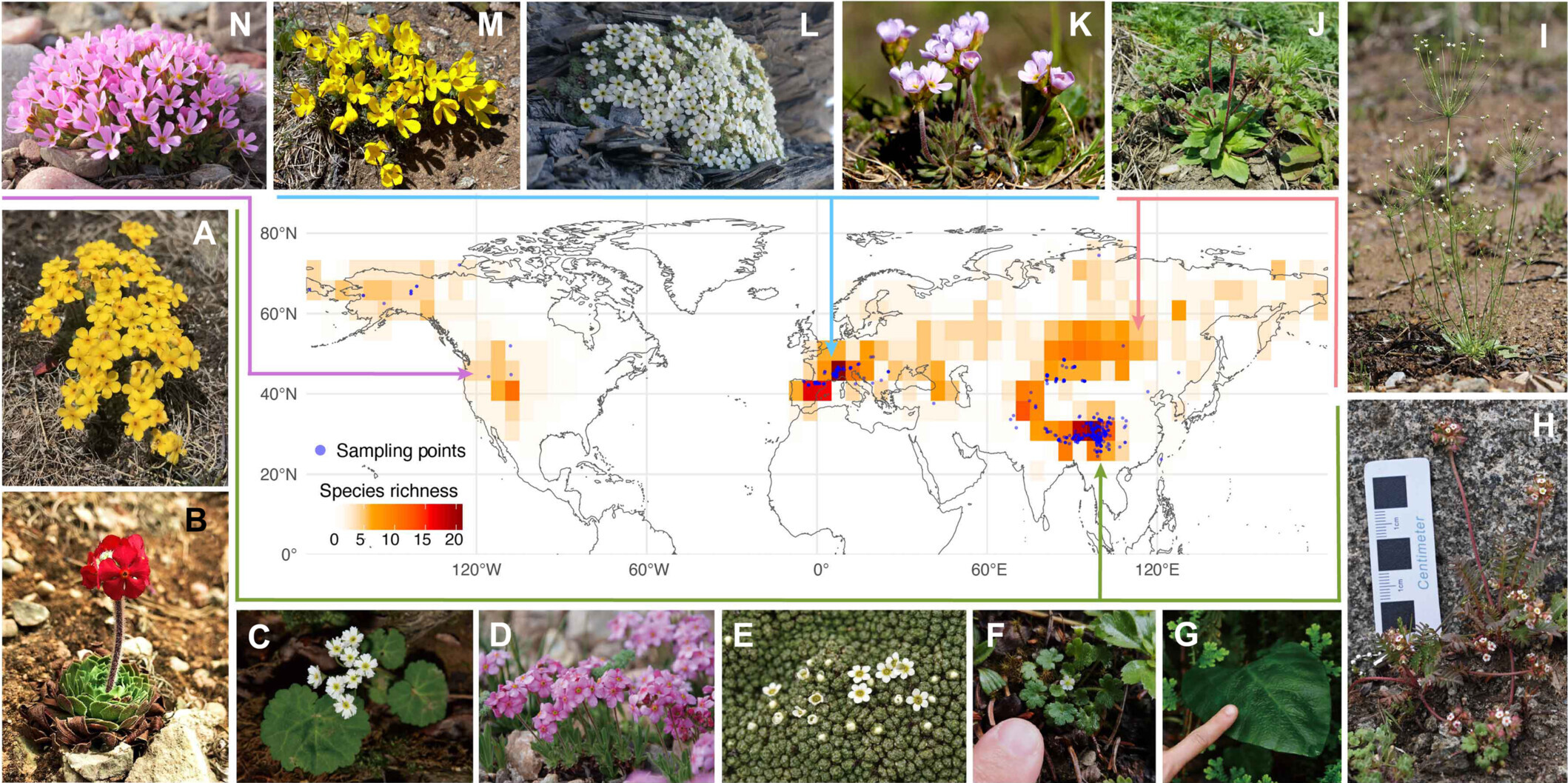
The genus Androsace is widely distributed across the temperate regions of the Northern Hemisphere, with notable diversity in the Alps and the Hengduan–Himalaya regions. Previous phylogenetic studies have advanced the understanding of Androsace 's evolutionary history, but its biogeographic origins and diversification history remain unresolved due to limited species sampling and low statistical sup
Environment & ClimateBiodiversity#Chinese Academy of Sciences#Research News#biodiversity#climate#decarbonization
Ruminant livestock production, a major anthropogenic source of methane (CH 4 ) emissions, has become a central focus in global climate mitigation and sustainable agricultural development. In a study published in The ISME Journal , a team of researchers led by Prof. WANG Min from the Institute of Subtropical Agriculture of the Chinese Academy of Sciences revealed the mechanism by which 1,3-propaned
Environment & ClimatePollutantsSustainable Development#Chinese Academy of Sciences#Research News#Pollutants#Sustainable Development#climate#decarbonization
In a study published in Journal of Geophysical Research: Biogeosciences , a team l ed by Prof. WANG Yufei from the Institute of Botany of the Chinese Academy of Sciences, along with the collaborator from Austria, revealed that the global grassland coverage will likely increase at the end of this century. Researchers created a data set containing 16,372 records with both characteristic variables, i
Environment & ClimateSustainable Development#Chinese Academy of Sciences#Research News#Sustainable Development#climate#decarbonization
Converting carbon dioxide ( CO 2 ) into glucose, myo-inositol, sucrose, starch and other valuable products has been considered an achievable process mainly through plant photosynthesis. Combining photocatalysts with carbon-fixing microorganisms faces challenges, including incompatible reaction environments, light-induced microbial damage and inefficient connections between upstream carbon fixation
Environment & ClimateCarbon Neutrality#Chinese Academy of Sciences#Research News#Carbon Neutrality#climate#decarbonization
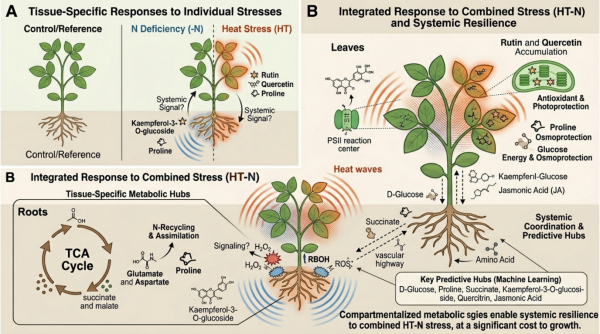
A new study has recently revealed how soybean roots and leaves employ distinct metabolic strategies under nitrogen deficiency and high-temperature stress, which may help guide the development of soybean varieties with enhanced heat tolerance and improved nitrogen-use efficiency. Led by Associate Prof . Mohsin Tanveer from the Xinjiang Institute of Ecology and Geography (XIEG) of the Chinese Academ
Environment & ClimateClimate#Chinese Academy of Sciences#Research News#climate#decarbonization
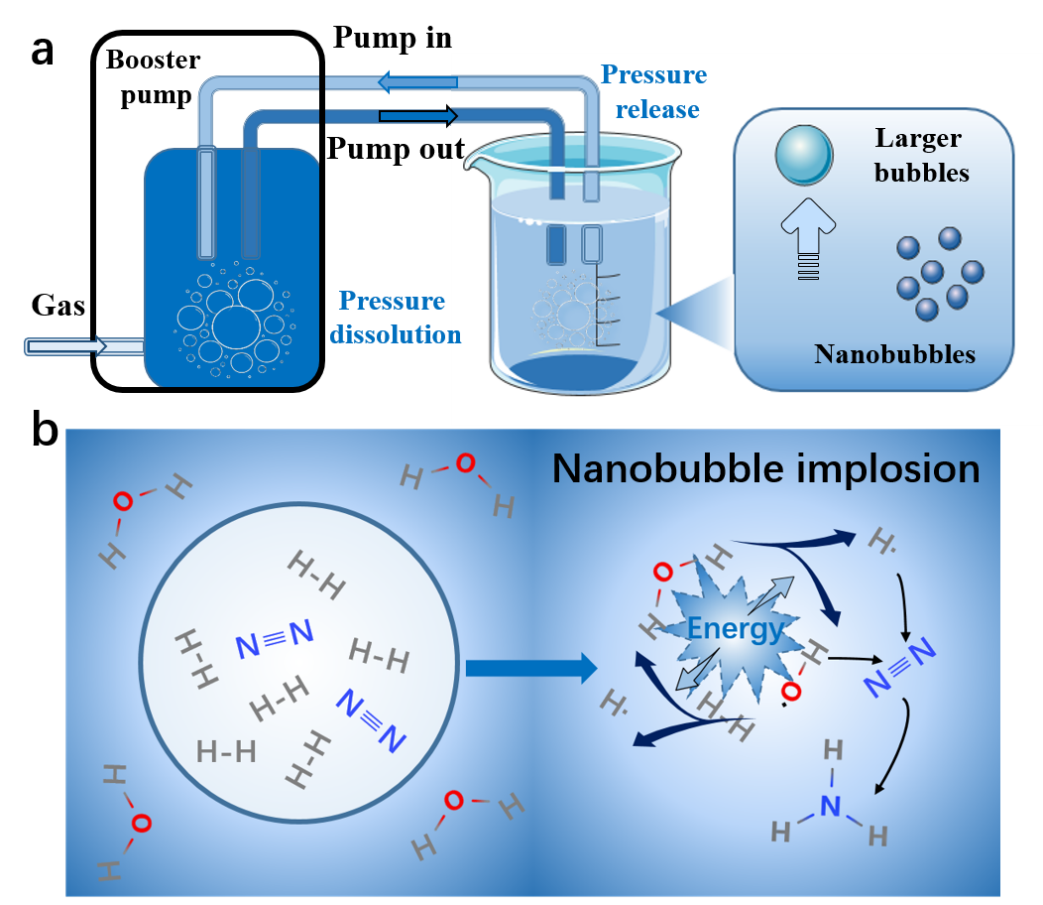
Ammonia is a cornerstone of global agriculture and a promising carrier for renewable energy storage. Yet nearly all of it is still produced via the Haber‑Bosch process, which operates above 400 °C and 200 atm, consumes about two percent of global energy, and emits large amounts of carbon dioxide. That is why finding a greener route under mild conditions has become a major challenge in chemistry an
Environment & ClimateNanotechnologyChemical Engineering#Chinese Academy of Sciences#Research News#Nanotechnology#Chemical Engineering#climate#decarbonization
Methane emissions from cattle and sheep contribute to global greenhouse gas emissions and reflect a loss of dietary energy that could otherwise support animal growth and productivity, which is a major challenge for sustainable livestock production. M ost existing approaches to reduce methane emissions focus primarily on suppressing methanogenesis. In a study published in The Innovation , a researc
Life SciencesEnvironment & ClimateSustainable Development#Chinese Academy of Sciences#Research News#Sustainable Development#Pollutants#genomics#biology#climate#decarbonization
A common blue pigment could help turn carbon dioxide (CO₂) from an industrial waste product into a useful fuel. A joint research team led by Tohoku University's Advanced Institute for Materials Research (WPI-AIMR), in collaboration with Hokkaido University and startup AZUL Energy, has developed a catalyst that converts CO₂ directly into methane (CH₄) with high efficiency using copper phthalocyanin
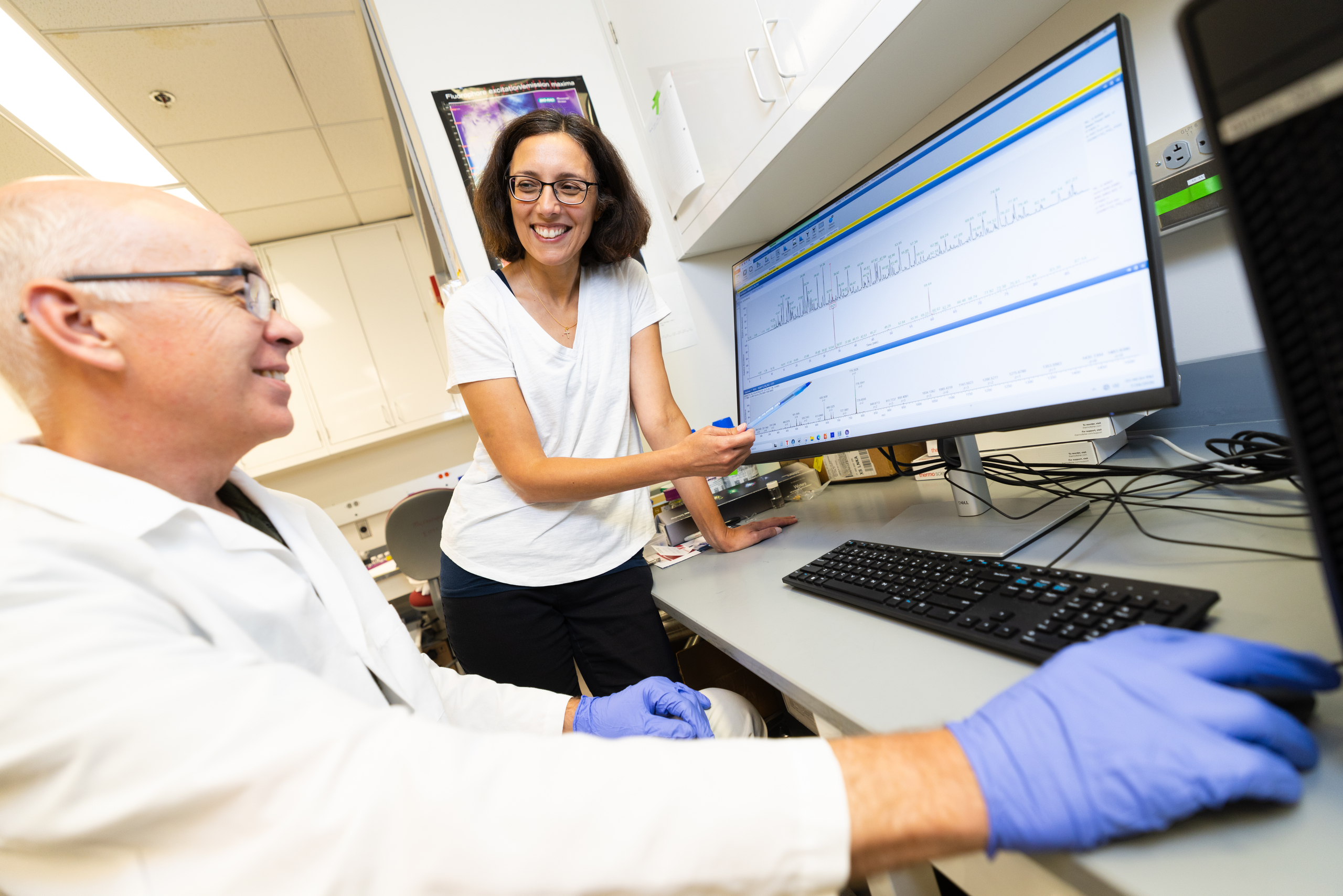
Researchers at the University of Nebraska–Lincoln and other institutions now have access to one of the most advanced platforms available for high-throughput proteomics thanks to a new state-of-the-art mass spectrometry instrument installed in the Nebraska Center for Biotechnology’s Proteomics and Metabolomics Facility.
News & InformationNews for ResearchersEnvironment & Climate#University of Nebraska–Lincoln#Center for Biotechnology#Core Facilities#News for Researchers#Research News#News & Information#climate#decarbonization
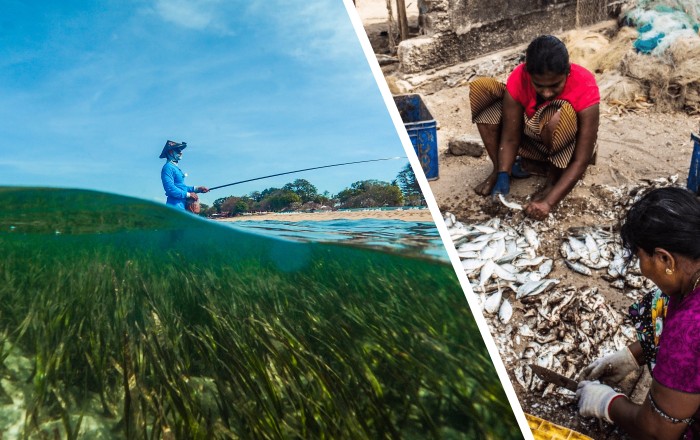
The research found that at least 18 million people living in poverty fish in seagrass meadows across the Indo-Pacific. Of these, around 6.5 million are entirely dependent on the habitat for both food and fishing-related income. The study also revealed that households living in extreme poverty were significantly more likely to rely on seagrass meadows for all their fishing activities. Seagrass-depe
A study has found that young chimpanzees develop distinct population-specific vocal patterns as they mature (ontogeny), challenging the long-held assumption that their calls are inflexible and determined solely by genetics. Led by Doctoral researcher Kassandra Giragosian from the School of Biological and Behavioural Sciences at Queen Mary University of London, in collaboration with the University
Environment & Climate#Queen Mary University of London#QMUL Latest News#Science And Engineering#climate#decarbonization
Environment & ClimateNational University of Singapore
Artificial intelligence (AI) may have more to offer science than accurate predictions. The patterns it learns could point researchers towards new, testable explanations of how complex systems function. A new Perspective co-authored by Assistant Professor Gianmarco Mengaldo from the Department of Mechanical Engineering under the College of Design and Engineering at the National University of Singap
Environment & Climate#National University of Singapore#CDE Research News#Cde News#Research Impact#climate#decarbonization
The National Science Foundation renewed its funding for the AI-powered Earth system modeling center LEAP , aimed at improving Earth system projections through…
Plastic waste is one of the world's fastest-growing environmental problems. According to the Organisation for Economic Co-operation and Development's Global Plastics Outlook: Policy Scenarios to 2060 report, global plastic use is projected to nearly triple from 460 million metric tons in 2019 to 1.2 billion metric tons by 2060, if current trends continue. Our current approaches are struggling to k
The University of Maryland’s Robert H. Smith School of Business will launch an accelerated one‑year, Full‑Time MBA program beginning in summer 2027, alongside Smith’s existing two‑year MBA, as a faster, high‑ROI pathway for early‑career professionals seeking career acceleration, AI fluency and real‑world leadership experience.
Environment & ClimateBusiness#University of Maryland Robert H. Smith School of Business#Rosellina Ferraro#Prabhudev Konana#Full-Time MBA#[email protected]#climate#decarbonization
"Micromixer" might just sound like a fancy name for a tiny blender, but mixing liquids at the microliter scale is no simple task. Micromixers are essential components of microfluidic devices that are widely used across the pharmaceutical, life sciences, chemistry, and materials engineering industries, where they rapidly and evenly combine tiny amounts of reagents. Three-dimensional (3D) microchann
Imagine swimming in open water and feeling slime brush against your leg. Most people might shake it off without a second thought. But what if the surface of a boat could do the same? Researchers from Washington University in St. Louis’ McKelvey School of Engineering are about to find out, thanks to a $750,000 grant from the U.S. Department of Defense to develop materials that incorporate soft robo
Environment & ClimateTechnology & InnovationEngineering#Washington University in St. Louis#Newsroom#climate#decarbonization#advanced materials#innovation
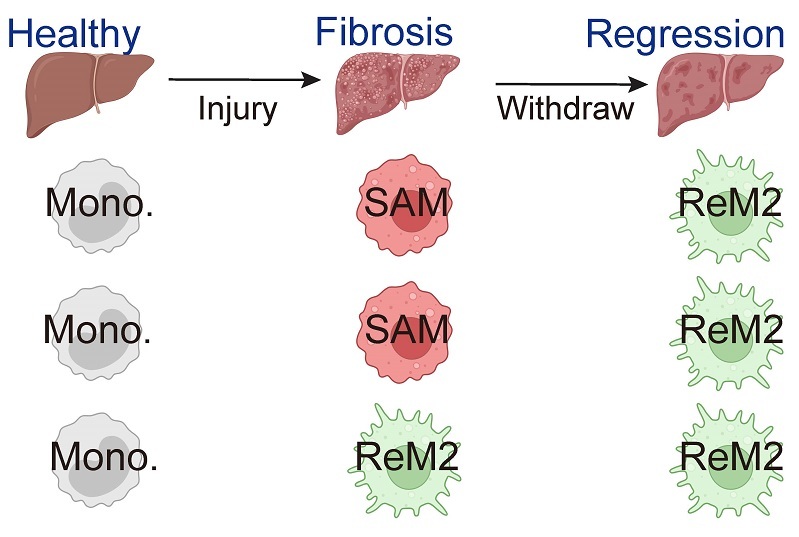
A new study published in PNAS on August 21 reveals that a distinct population of macrophages can directly "eat" scar-forming material in the liver and promote the reversal of liver fibrosis. The finding reveals an unrecognized mechanism by which macrophages help clear fibrotic tissue: not by secreting factors, but by physically removing the extracellular matrix (ECM). The study was jointly conduct
Medical ResearchHealthBioengineering#Chinese Academy of Sciences#Research News#Health#Bioengineering#medical research#clinical research
The U.S. has officially declared a drought disaster for parts of Puerto Rico, where more than 180,000 residents have been rationing water since Aug. 7 due to draught and infrastructure problems. University of Michigan experts are available to discuss a variety of issues related to this crisis.
Environment & Climate#University of Michigan#Advisories#News Releases#puerto rico#Water#Michigan News#climate#decarbonization